THE CCE MENTORSHIP PROGRAM PRESENTS: Scripted Editing Workshop

The CCE Mentorship Program invites early-career post-production professionals to apply for a unique hands-on editing workshop — an opportunity to work with real television footage and receive direct feedback from an experienced scripted editor.  Whether you have been cutting away in the world of unscripted, corporate, or other genres and are looking to make the move into scripted drama, or you are already working in scripted and want focused mentorship on your craft, this workshop is designed to give you exactly that.

Presented in English

The workshop unfolds over a weekend in two stages:

Friday, June 12th (8am ET) – Footage Release Participants will receive a project file and raw footage from a scene of a real television series. You will have a day and a half to edit the material independently, using your own instincts and creative judgment.


Saturday, June 13th (11pm ET) – Cuts Due Participants will upload a quicktime of their edited scene to a portal provided by the CCE.


Sunday, June 14th (times TBD) – Mentor Sessions Participants join small breakout groups of four to five people, each hosted by an experienced scripted editor. Over a two-hour session, mentors will review participants’ edited versions, offer feedback, and facilitate group discussion in order to share insights on the craft, and the realities of working in scripted television.


Both Avid and Premiere Pro are supported. Project files and media will be provided for both platforms.

Friday, June 12, 2026 (8am ET) – Footage release


Saturday, June 13, 2026 (11pm ET) – Cuts due Workshop date:


Sunday, June 14, 2026


Format: Online via Zoom (breakout rooms)


Group size: 4–5 participants per mentor


Session length: 2 hours


Software: Avid or Premiere Pro (your choice)


Spots available: 16 participants (4 groups)


Selection: Lottery from qualified application

This workshop is aimed at post-production professionals who are looking to grow their skills in scripted editing. You do not need to have scripted experience to apply — applicants from all genres are welcome. To be eligible, applicants must meet all of the following criteria:


• CCE Membership: Must be an Associate or Full Member of the CCE for at least one year prior to applying.


• Work Experience: Must have a minimum of three years of professional post-production experience at an Assistant Editor or Editor level.* Experience in any genre qualifies, including scripted, unscripted, animation, commercials, corporate, news, sports, or music videos.


• Professional context: All qualifying experience must be professional. Student projects do not count toward the three-year requirement. *For further information about qualifying experience, please see the Work Summary form.


Please note: Student members of the CCE are not eligible to apply for this workshop.

There is a $25 administrative fee to apply.


Applicants will be asked to complete a short work summary form and provide an IMDb link (or equivalent) to corroborate qualifying credits. If your experience is in work not typically listed on IMDb (such as corporate, sports, or news), you may request an exemption in writing (alison@cceditors.ca), including a brief description of your work, a contact who can verify it, and links to the work where available.


Membership status will be verified.

The Mentorship Committee will select 16 participants by lottery from all qualified applicants.
The application lottery will open May 18th and close May 29th.

The following bios are only written in the presenting language.

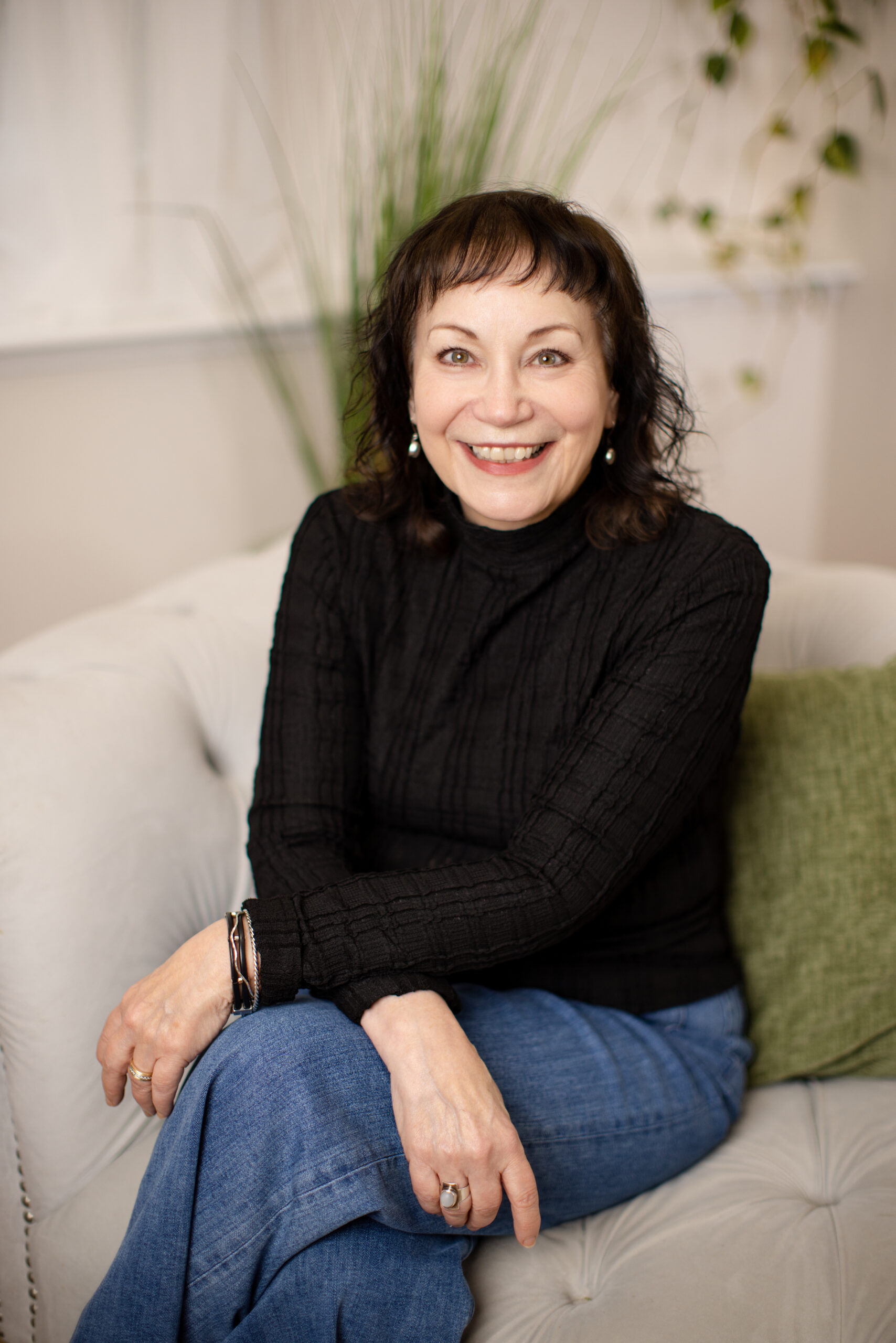
Jane was 10 years old when she started her first editing gig by hooking up two VCRs to cut the commercials out of her favourite TV shows. Since then, she’s been fortunate enough to find some folks to trust her with their own projects, and she now has over 15 years’ experience in feature films and series. She has been recognized at the CCE Awards and the Canadian Screen Awards for editing, and her work has screened at festivals around the world. She loves to aim for projects across all genres, and can usually be talked into working when she should be taking time off.

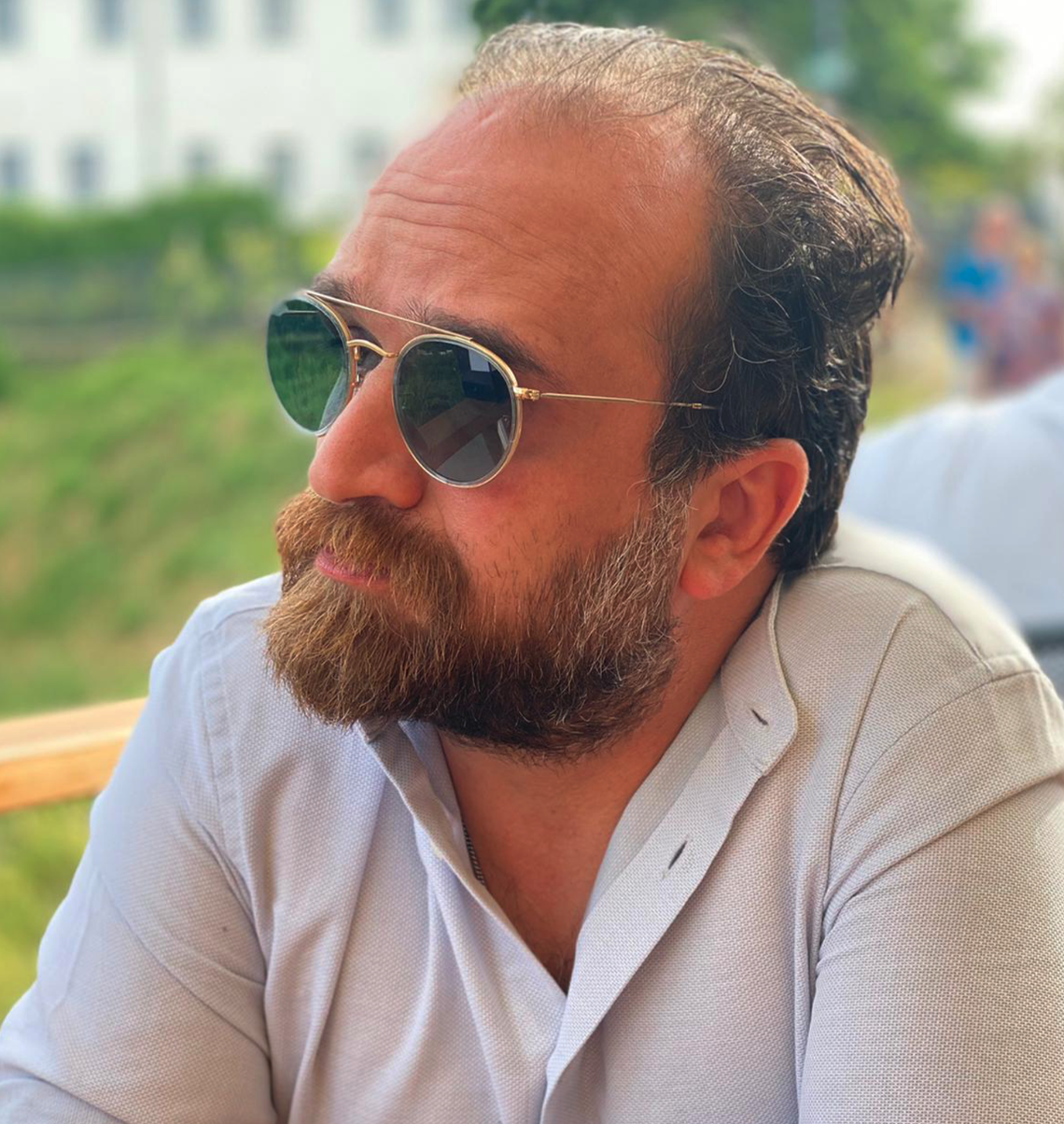
Raised on STAR TREK: THE NEXT GENERATION, Justin’s original plan was to push flashy buttons on a Starship as an actor. Fortunately, he found his calling pushing colourful keyboard buttons in a dark room as an editor. His work has been seen ‘round the world in festivals such as Sundance, Berlinale, SXSW, TIFF, Locarno as well as the small screens of HBO, Netflix, FX, Hulu, Crave, SRC, TVA, and Télé-Québec.

Jon learned to talk at an early age and hasn’t shut up since, which naturally led to A) annoying his parents, and B) a lifetime interest in storytelling. During his time at the Capilano University Motion Picture Arts program he was drawn to editing by the convergence of the technical and creative aspects required to turn images into emotions and has built an impressive career around doing just that. He has been recognized for his work with nominations for the CSA and CCE Awards and won several Leos in his native British Columbia, and he has edited work for Netflix, Amazon, FOX, Sony, Global, CBC, Lifetime, Hallmark, and even (RIP) Quibi.

While living in Halifax and collaborating with some of the finest directors and showrunners from across Canada, Kimberlee McTaggart has been remote editing since before it became cool. She has worked on feature documentaries, music videos, and everything in between in her thirty-five year career. More recently, she has been working exclusively in the world of scripted shows – with a soft spot for comedy. Kim’s work has brought her several awards and nominations including a Gemini for Call Me Fitz and six CSA nominations in the categories of comedy, drama and feature film, with the most recent for the comedy series Moonshine.

Not a member yet? Click here to join.

THE CCE MENTORSHIP PROGRAM PRESENTS: Scripted Editing Workshop

The CCE Mentorship Program invites early-career post-production professionals to apply for a unique hands-on editing workshop — an opportunity to work with real television footage and receive direct feedback from an experienced scripted editor.  Whether you have been cutting away in the world of unscripted, corporate, or other genres and are looking to make the move into scripted drama, or you are already working in scripted and want focused mentorship on your craft, this workshop is designed to give you exactly that.

Presented in English

The workshop unfolds over a weekend in two stages:

Friday, June 12th (8am ET) – Footage Release Participants will receive a project file and raw footage from a scene of a real television series. You will have a day and a half to edit the material independently, using your own instincts and creative judgment.


Saturday, June 13th (11pm ET) – Cuts Due Participants will upload a quicktime of their edited scene to a portal provided by the CCE.


Sunday, June 14th (times TBD) – Mentor Sessions Participants join small breakout groups of four to five people, each hosted by an experienced scripted editor. Over a two-hour session, mentors will review participants’ edited versions, offer feedback, and facilitate group discussion in order to share insights on the craft, and the realities of working in scripted television.


Both Avid and Premiere Pro are supported. Project files and media will be provided for both platforms.

Friday, June 12, 2026 (8am ET) – Footage release


Saturday, June 13, 2026 (11pm ET) – Cuts due Workshop date:


Sunday, June 14, 2026


Format: Online via Zoom (breakout rooms)


Group size: 4–5 participants per mentor


Session length: 2 hours


Software: Avid or Premiere Pro (your choice)


Spots available: 16 participants (4 groups)


Selection: Lottery from qualified application

This workshop is aimed at post-production professionals who are looking to grow their skills in scripted editing. You do not need to have scripted experience to apply — applicants from all genres are welcome. To be eligible, applicants must meet all of the following criteria:


• CCE Membership: Must be an Associate or Full Member of the CCE for at least one year prior to applying.


• Work Experience: Must have a minimum of three years of professional post-production experience at an Assistant Editor or Editor level.* Experience in any genre qualifies, including scripted, unscripted, animation, commercials, corporate, news, sports, or music videos.


• Professional context: All qualifying experience must be professional. Student projects do not count toward the three-year requirement. *For further information about qualifying experience, please see the Work Summary form.


Please note: Student members of the CCE are not eligible to apply for this workshop.

There is a $25 administrative fee to apply.


Applicants will be asked to complete a short work summary form and provide an IMDb link (or equivalent) to corroborate qualifying credits. If your experience is in work not typically listed on IMDb (such as corporate, sports, or news), you may request an exemption in writing (alison@cceditors.ca), including a brief description of your work, a contact who can verify it, and links to the work where available.


Membership status will be verified.

The Mentorship Committee will select 16 participants by lottery from all qualified applicants.
The application lottery will open May 18th and close May 29th.

The following bios are only written in the presenting language.

Jane was 10 years old when she started her first editing gig by hooking up two VCRs to cut the commercials out of her favourite TV shows. Since then, she’s been fortunate enough to find some folks to trust her with their own projects, and she now has over 15 years’ experience in feature films and series. She has been recognized at the CCE Awards and the Canadian Screen Awards for editing, and her work has screened at festivals around the world. She loves to aim for projects across all genres, and can usually be talked into working when she should be taking time off.

Raised on STAR TREK: THE NEXT GENERATION, Justin’s original plan was to push flashy buttons on a Starship as an actor. Fortunately, he found his calling pushing colourful keyboard buttons in a dark room as an editor. His work has been seen ‘round the world in festivals such as Sundance, Berlinale, SXSW, TIFF, Locarno as well as the small screens of HBO, Netflix, FX, Hulu, Crave, SRC, TVA, and Télé-Québec.

Jon learned to talk at an early age and hasn’t shut up since, which naturally led to A) annoying his parents, and B) a lifetime interest in storytelling. During his time at the Capilano University Motion Picture Arts program he was drawn to editing by the convergence of the technical and creative aspects required to turn images into emotions and has built an impressive career around doing just that. He has been recognized for his work with nominations for the CSA and CCE Awards and won several Leos in his native British Columbia, and he has edited work for Netflix, Amazon, FOX, Sony, Global, CBC, Lifetime, Hallmark, and even (RIP) Quibi.

While living in Halifax and collaborating with some of the finest directors and showrunners from across Canada, Kimberlee McTaggart has been remote editing since before it became cool. She has worked on feature documentaries, music videos, and everything in between in her thirty-five year career. More recently, she has been working exclusively in the world of scripted shows – with a soft spot for comedy. Kim’s work has brought her several awards and nominations including a Gemini for Call Me Fitz and six CSA nominations in the categories of comedy, drama and feature film, with the most recent for the comedy series Moonshine.

Mentorship Event (#43)

Categories
The Editors Cut

Episode 121: Editcon 2025: Toronto – Who Am I? Crafting Stories on Identity

Episode 121: Editcon 2025: Toronto - Who Am I? Crafting Stories on Identity

Episode 121: Editcon 2025: Toronto - Who Am I? Crafting Stories on Identity

Series Sponsor:
DGC Alberta_2024_SPON
Episode Sponsor:
DGC Alberta_2024_SPON

How do issues of representation and identity shape the art and craft of film editing?

Join editors Lara Johnston (FELLOW TRAVELERS), Gloria Tong (BRIA MACK GETS A LIFE), and Fabiola Caraza (THE POPULARITY PAPERS) as they discuss the intersection of film editing and cinematic explorations of race, class, gender, and culture. Moderated by D. Gillian Truster, CCE.

Listen Here

The Editor’s Cut – Episode 030 – “What is Anti-Oppression? With Tenniel Brown”

Sarah Taylor [00:00:01]

Hello and welcome to The Editor’s Cut. I’m your host Sarah Taylor. At the CCE, we began our journey of self education with Anti-Oppression training in 2019. It was invaluable for us as it provided us with tools to assess how we as an organization could set a course of action to root our unconscious and systematic bias in our operations. This training is now a permanent part of our budget so future board members and volunteers can continue this work, and equity can be part of the fabric of our organization. We are offering a Lunch and Learn Introduction To Anti Oppressive Communication with Tenniel Brown on July 27. Today I’m lucky to be able to sit down with Tenniel Brown and discuss what Anti-Oppressive training is and what we can expect from this webinar. Tenniel Brown is a passionate anti-racist anti oppression and mental health speaker dedicated to improving the experiences of marginalized people in all institutional settings. She is the founder of the Centre For Anti-Oppressive Communication which specializes in providing anti oppressive, trauma-informed counseling, clinical supervision and organizational consulting, as well as customized workshops training and team retreats. I’m joined with Tenniel Brown, she is the founder of the Centre For Anti-Oppressive Communication based in Toronto. And we just want to have a little conversation about why anti oppression work is important in this and all days but specifically right now. So can you just tell us a little bit about your background and why you started the Center For Anti-Oppressive Communication.

Tenniel Brown [00:01:41]

My background is as a psychotherapist. So I spent I’ve spent many many years working with individuals and couples and families and groups helping them to access more of their well-being by addressing different mental health issues specifically trauma. One of the things that I specialize in addressing is racialized trauma. But also trauma that comes from folks that have experienced different types of oppression. And I think for most people that are called to this type of work it’s quite personal for me right. So often when you don’t see the work that you know needs to happen in the community taking place you create it. And so that was me. You know I think I saw that there was a need for organizations to have somebody come in and not just talk about diversity inclusion but talk about what happens when certain identities have power and that unbalance of power and how to actually address that in our communication. I knew that out in the community there were therapists and social workers that were wanting to do better work. You know work in the best practice way with clients that are black, racialized, queer, and trans, and had nowhere to go to get supervision and support. And finally I knew personally that there were so many folks that when they were ready to do therapy work they needed to see someone sitting across the office that looked like them or had a very similar lived experience and they just were not going to come unless that was the case. So all these things I knew was happening and nobody was doing it. And I said someone’s got to do something and that was me. I think what needs to come out of what’s happened in June is for folks to see black professionals and black community in in the in sort of like the the brilliance of what we do and it’s not uncommon that in many cases where we don’t see ourselves we create it. So yeah that was the spirit of and I think that when I started the organization I knew that it was important for there to be a place where folks from those different backgrounds could come and get that support and information. So it’s a real passion of mine. It is my baby and it’s so beautiful to see folks wanting this information during this time.

Sarah Taylor [00:04:01]

Yeah so important. Can you tell us what Anti-Oppression means and what someone can expect by taking an anti oppressive workshop?

Tenniel Brown [00:04:10]

Sure absolutely. So when you sort of break down the word anti oppression anti oppressive practice we take a look at that anti part and essentially that that just means opposition to oppression and then the practice part. So AOP… the practice part pertains to the context in which you are practicing opposition to oppression. So you can apply an anti oppressive lens to just about anything. And I’ve had the opportunity to work with organizations like Pride Toronto and work with your curators to apply an anti-oppressive lens to the way they do event organizing. I have applied an anti oppressive lens to the way I do therapy and clinical supervision with other therapists. You can apply an anti oppressive lens to teaching. You can apply it to student advising, you can apply it to just about anything. I’ve been working with fitness professionals looking at applying an anti oppressive lens to the way that they support folks that are on their fitness journey. So so it’s about looking at whatever practice whatever context you are working in and using that platform to be able to oppose oppression and all of its forms. So that’s essentially what it is.

Sarah Taylor [00:05:29]

And so when someone takes courses like anti oppressive communication course or participates in your courses what can they expect to be talking about or learning?

Tenniel Brown [00:05:37]

Absolutely so I think one of the most important things is to sort of pull back a little bit of you know the cover on this because I think anti oppressive language is its own language. It’s like Spanish. And you see so many people getting themselves into some rather serious trouble these days because they actually don’t know the language they don’t understand… in some ways the harm of some of the things that they’re doing and saying the deep harm of that. You get a lot of people who don’t really know how to talk about these issues. And so you go into a shame spiral and you just don’t talk. You just get very quiet and I always argue that you know the silence piece is a part of how we got ourselves into this trouble as a human society in the first place. So what I offer is something for everybody. I think over the years what folks have said to me is is even somebody who’s maybe got a social work background and knows about anti oppressive practice when they come to one of my trainings they find that they are moved further along in their application of that perspective around “OK, well what does this mean when I’m interacting with somebody right here in a one on one context.” Other people that are completely brand new have never had the chance to learn any of this language or understand any of these concepts have said over the years that they felt like they left with a really good sense of what this topic is. But not just that practical skills. I’m all about practical skills. I want to offer things that folks can use tomorrow today and the next day and my mission is also for folks to leave his training and talk about it. Tell a friend, tell a colleague, tell a family member, and feel equipped to be able to engage in these conversations. So when someone is saying or doing something problematic, you have this confidence in the skills to be able to interpret what’s going on there and to be able to talk to them and to be able to address it. The other thing that I do is I couch everything that I do in my trainings in a self care and team care perspective. And I think this is very important. We have to look after our emotions. We have to look after ourselves and we have to look after each other. I always say you could be as anti oppressive as you want but if you haven’t had any lunch… if you haven’t eaten anything… you’re not good.

Sarah Taylor [00:07:57]

You’ve got the hangries!

Tenniel Brown [00:07:59]

Trust me, Anti-Oppressive work requires patience. It requires empathy. It requires compassion and self compassion. You will fall down a lot and I find you know and I talk a lot about cancel culture and don’t get me wrong really that could be its own podcast.

Sarah Taylor [00:08:19]

Totally. Especially in this industry.

Tenniel Brown [00:08:22]

Look we need to talk about this and I get why certain people are being canceled for sure. And yet as someone who does this work I recognize that I’m so thankful I wasn’t canceled because over the years I’ve done and said things before I knew before I took a course like this before I had an opportunity to learn what was problematic about my lens. I’m so thankful that I was able to make those mistakes in a safe environment and actually benefit from that and grow. So people get a safe environment to learn language and understand what is going on, what is oppression, if oppression is so bad why don’t we just stop this. Well I unpack that for folks. Why is this so complicated and why doesn’t this just stop. And then I provide practical skills for folks to be able to apply this to their lives and their communication. I think the other thing that I think folks get is not just sort of a general whatever, you’ll find that I’m really interested in applying it to film editors and what it is that you do on a regular basis and looking at how you can use your platform to be able to actually oppose oppression.

Sarah Taylor [00:09:31]

Yeah well it’s like it’s huge I know for myself we did anti oppression workshop as a board for the CCE. I’m in an interracial marriage and so I thought “Oh I know a lot.” Like I’ve been unpacking this stuff for a while and understanding in my own way. But also like kind of like how do I say it to my white uncle who is racist like how do I approach that. And by taking that one course, like you said I got so much more understanding of where people might come from and the language and I could approach it not by just being angry because anytime I’d hear anything I was like “You’re talking about my husband, you’re talking about my child! This is not OK!” And so it made a huge impact on me and I felt like I kind of knew some stuff but I realized that there was so much more to learn. And I think I’m still learning and it’s opened up even conversations I’ve had with my husband and my in-laws… and so I think people who are in my situation are like “no I’m cool I got I’m married to so-and-so or I have my best friend or whatever.” You grew up in your lens and there’s way more to learn and unpack.

Tenniel Brown [00:10:41]

Absolutely. Absolutely it’s so true. And I always say that absolutely positively nobody gets a pass on this.

Sarah Taylor [00:10:48]

100 percent.

Tenniel Brown [00:10:49]

At all. You know myself as someone who identifies as a black fem queer woman, you know folks would be like well you know you of course you couldn’t oppress. And it’s like yes we are all susceptible to experiencing oppression and we are all oppressors. So I have aspects of my identity that allow me to have privilege. And the thing about this is that if you’re not aware of those things that’s how you harm people that’s how you engage in micro aggressions. You know what I mean? That’s how you you know get striking up a conversation with someone about your latest renovation in your house when this person is still renting and doesn’t even have access. These are the types of things that you’re never protected from. Right. Like you’re not protected from that in a certain way. So it’s really important to remember that.

Sarah Taylor [00:11:40]

Where should someone start if they’re like feeling overwhelmed they’re like wow I know that I need to make this change. I’ve seen all this information now on social media and I’m saying all the wrong things and like you said I’m just going to be quiet which is not the right thing to do. So where do they go and what should they focus on first to just like get into this mindset of making these changes?

Tenniel Brown [00:12:02]

That’s a great question. And what I would say is education. Not a coincidence right? So of course you know joining with you know your organization to offer this to the community because I think that’s step number one. I think we do need to have good information about… you need to educate yourself. I would say that it’s a really important first step to really listen, and I find even when you have more information and you have more training it even improves the way that you can listen because what you find is when you don’t have that knowledge there’s certain things that are sort of prevent you from even being open. So I find the training and the skills and the confidence that you get from doing the course like this allows you to even listen deeper right and understand more and I think that that’s step number one. I think that once… but don’t stay there! Because I think a lot of people oh I’m listening but really it’s just their guilt and shame. So yeah they’re still not doing anything but once you’ve had the chance to listen you now can start thinking more about your platform and I think that’s one of the most important thing for your listeners to know that if it’s like well I’m not a social worker I’m not a therapist what’s this got to do with me it’s like it has everything to do with you. You have a platform as a film editor and it’s important for you to acknowledge that there are big ways and small ways that you can make a difference. And we all have a responsibility. What’s happened in this world since COVID what’s happened in this world since June is we can no longer close our eyes to this. We have to look at this and all the years that we have stayed silent on this has been what’s caused the problem. So the reality is is that we all are called to use our platform to be able to address this to look around the room and be like who isn’t here? To look around your history of the films that you and different projects you’ve been involved in and being like how many of these people, how many of these stories featured stories that were outside of what we usually see? Right. And looking at the ways that you can use your platform and your influence to be able to make a change, so we’re all called to do that I don’t care if you’re a child care worker or a housekeeper do some working at a gas station, it literally doesn’t matter we’re all a part of this human society. We all have some sort of platform and so we all have a responsibility to do something. You know Sarah one of my favorite slogans that’s come out of the protest is “Silence is Violence.” I love that one because I know what happens when people don’t have education and knowledge. They go into a shame cycle they go into a guilt cycle and they go into fear and you know what happens there? Shh. And you know what, that doesn’t help anybody at all. So I recognize that these are difficult things for us to unpack but we all have a responsibility to use whatever platform we have to make a difference. So starting by educating yourself, listening a lot, and then that’s going to help you to be more open to what you can do. And then looking at your platform whether that be personal or professional to make a change.

Sarah Taylor [00:15:20]

That was perfect. Yeah. That’s huge. And even since I took my training and even just since I’ve done my own inner work I noticed like I wouldn’t pick certain shots anymore or there’ll be things in my edit where I’m like “that’s a stereotype” or “No that’s not going to work. We can’t do that we can’t have that.” And so I think if everybody’s doing that then what we’re seeing on screen can start changing.

Tenniel Brown [00:15:45]

Absolutely. Absolutely and there’s these you know there’s there’s big ways and then there’s little ways like you describe. So it’s it is about really curating your lens, right and making sure that you’re seeing more and I think training like this just helps you to really open up your lens. So you’re not just seeing directly what’s in front of you work to the side of you but it’s more of like a panoramic view which you folks really need in the work that you do.

Sarah Taylor [00:16:09]

100 percent. Yeah. Well I hope that our membership joins us. I know we’ve already been getting people RSVPing which is very exciting. On July 27 2020 to learn and to unpack and to take part and just hopefully we can continue to do stuff with you and just keep educating and making the changes we can make.

Tenniel Brown [00:16:28]

Yeah. Join us. Join us. Don’t hesitate folks. Be a part of this. I’m really looking forward to working with everybody. And you know what we’re gonna have fun. I know these topics are really heavy but we’re gonna have some fun and we’re really going to connect with each other as a community so I look forward to meeting everybody at this training.

Sarah Taylor [00:16:46]

Thank you so much for taking the time to chat with me today and I look forward to seeing you on the 27th and continuing my journey. So thank you for doing this for us and thank you for sharing your knowledge and your experience with the world. So thank you so much.

Tenniel Brown [00:16:59]

You’re so welcome. Thanks for having me.

Sarah Taylor [00:17:03]

Thank you so much for joining us today. And a big thank you goes to Tenniel Brown and a special thanks to Maureen Grant and Jane MacRae. If you’d like to connect with Tenniel, you can find her on Instagram @TennielBrown. If you’d like to bring Tenniel into your organization to learn more about anti oppressive work, you can check out her website at brownconsulting.com. I look forward to learning more from Tenniel on July 27 2020 at the CCE Lunch and Learn I hope to see you there. The CCE has been supporting BIPOC TV and FILM. BIPOC TV and FILM is a grassroots organization and collective of black, indigenous, and people of colour in Canada’s TV and film industry. From writers, directors, producers, and actors, to editors, crew members, and executives. Their members are a mix of emerging, mid-level, and established industry professionals. BIPOC TV and FILM is dedicated to increasing the representation of BIPOC both in front and behind the camera. If you would like to donate to BIPOC TV and FILM please head to their website at bipoctvandfilm.com. The CCE is taking steps to build a more equitable ecosystem within our industry and we encourage our members to participate in any way they can. 

The main title sound design was created by Jane Tattersall. Additional ADR recording by Andrea Rusch. Original music provided by Chad Blain. This episode was mixed and mastered by Tony Bao. If you’ve enjoyed this podcast, please rate and review us on Apple Podcasts and tell your friends to tune in. Til next time I’m your host Sarah Taylor.

Outtro

The CCE is a non-profit organization with the goal of bettering the art and science of picture editing. If you wish to become a CCE member please visit our website www.cceditors.ca. Join our great community of Canadian editors for more related info.

Subscribe Wherever You Get Your Podcasts

What do you want to hear on The Editors Cut?

Please send along any topics you would like us to cover or editors you would love to hear from:

Credits

A special thanks goes to

Alison Dowler

Hosted and Produced by

Sarah Taylor

Main Title Sound Design by

Jane Tattersall

ADR Recording by

Andrea Rusch

Mixed and Mastered by

Tony Bao

Original Music by

Chad Blain

Sponsor Narration by

Paul Winestock

Sponsored by

DGC Alberta & Coma Edits

Summer Socials

These cities are hosting their Summer Social after their Offline walk: Halifax, Ottawa, Montréal, Winnipeg & Edmonton.

For Halifax, Ottawa, Montreal, Calgary, Winnipeg and Edmonton, please RSVP for the Summer Social on the Offline Event Page (if you haven’t already RSVPed for the Offline/Summer Social)

Join us on June 15th for a Summer Social in Toronto. We will be celebrating the start of summer at Rolling Pictures. This event is for Members Only. Due to venue capacity, we will be limited to 50 people. Be sure to RSVP so your name is on the list!

If this event is SOLD OUT and you would like to go on the waitlist, please email alison@cceditors.ca
Join us on June 17th for a Summer Social in Vancouver. We will be celebrating the start of summer at Container Brewing.

CCE members will receive their first drink free. Be sure to RSVP so your name is on the list! Non Members are welcome to attend.

Container Brewing – 1216 Franklin St, Vancouver, British Columbia, V6A 1K1

Toronto is Members Only –  please login and RSVP on the Member Page
Vancouver Members please login and RSVP on the Member Page
Calgary, Edmonton, Halifax, Montréal & Winnipeg Members
Please RSVP on the Offline/Summer Social page

Summer Socials

This content is for members only.
Join Now
Already a member? Log in here

Offline Events Across Canada

Join us in June at locations all across Canada, as we take a break from our screens and get outside! (if you live outside of the cities that currently host Offline Walks and you would be interested in hosting a walk near you, please email Alison to discuss!)

Members and non members are welcome to join our Offline walk.

Please RSVP so know how many to expect. **Please check which day your region is meeting as it will differ across Canada.
Halifax Public Gardens Meet at the gate of Spring Garden Road & South Park Street.

**Halifax is hosting their Summer Social after this Offline walk. Once the walk is complete everyone is invited to the Antojo Tacos, CCE members will receive their first drink free.

Beaches Boardwalk: Woodbine Beach – 1675 Lake Shore Blvd E, Toronto, ON M4L 3W6
Meet at the gazebo near the Bathing Station
Walk will go east along the boardwalk for as long as people wish to walk.

Major’s Hill Park, Mackenzie Ave, Ottawa, ON K1N 9J6 Meet at the Colonel John Statue

**Ottawa is hosting their Summer Social after this Offline walk. Once the walk is complete everyone is invited to a nearby patio, CCE members will receive their first drink free. Be sure to RSVP so your name is on the list!

Pacific Spirit Regional Park
Imperial Trail (12), University Endowment Lands, BC V6N 2C4

LACHINE CANAL In front of the “Havre aux glaces” of the Atwater Market (Lionel-Groulx – Subway station)

**Montreal is hosting their Summer Social after this Offline walk. Once the walk is complete everyone is invited to a nearby patio, CCE members will receive their first drink free. Be sure to RSVP so your name is on the list!
We will meet at Sargent Sundae and start the walk from there. 2053 Portage Ave, Winnipeg MB R3J 0K9

**Since we are starting at Sargent Sundae, CCE members will receive a free ice cream. Winnipeg is hosting their Summer Social after this Offline walk so everyone is invited to the Cargo Bar. Be sure to RSVP so your name is on the list!
Shannon Terrace – Fish Creek Provincial Park Woodpath Rd SW, Calgary, AB T2W 5Z5

**Calgary is hosting their Summer Social after this Offline walk. Once the walk is complete everyone is invited to the National Bar (180 Stewart Green SW, Calgary AB T3H3C8) CCE members will receive their first drink free. Be sure to RSVP so your name is on the list!
Muttart Conservatory 9626 96a St NW, Edmonton, AB T6C 4L8
Meet in front of the Muttart Conservatory, grab a beverage from inside (CCE members will receive this drink for free), and stroll the outdoor gardens and across the Tawatinâ bridge

**Edmonton is hosting their Summer Social during this Offline walk. There will be a pitstop along the way. Be sure to RSVP so your name is on the list!

Offline Events Across Canada

This content is for members only.
Join Now
Already a member? Log in here
Categories
The Editors Cut

Episode 120: Editcon 2025: Edmonton – From Cut to Score: How Collaboration Shapes Film and TV

Episode 120: Editcon 2025: Edmonton - From Cut to Score: How Collaboration Shapes Film and TV

Episode 120: Editcon 2025: Edmonton - From Cut to Score: How Collaboration Shapes Film and TV

Series Sponsor:
DGC Alberta_2024_SPON
Episode Sponsor:
Coma_2024_Spon

Post production is all about collaboration!

Join a talented panel of editors, sound designers, and composers as they reveal the behind-the-scenes magic that brings films to life. From the precision of sound design to the emotion of the score, learn how every element comes together to create unforgettable cinematic experiences. Hear from editors Charlene Rule and Hans Olsen, composer John McMillan and sound designer Johnny Blerot and see how teamwork transforms great ideas into compelling stories on the screen!

Listen Here

The Editor’s Cut – Episode 030 – “What is Anti-Oppression? With Tenniel Brown”

Sarah Taylor [00:00:01]

Hello and welcome to The Editor’s Cut. I’m your host Sarah Taylor. At the CCE, we began our journey of self education with Anti-Oppression training in 2019. It was invaluable for us as it provided us with tools to assess how we as an organization could set a course of action to root our unconscious and systematic bias in our operations. This training is now a permanent part of our budget so future board members and volunteers can continue this work, and equity can be part of the fabric of our organization. We are offering a Lunch and Learn Introduction To Anti Oppressive Communication with Tenniel Brown on July 27. Today I’m lucky to be able to sit down with Tenniel Brown and discuss what Anti-Oppressive training is and what we can expect from this webinar. Tenniel Brown is a passionate anti-racist anti oppression and mental health speaker dedicated to improving the experiences of marginalized people in all institutional settings. She is the founder of the Centre For Anti-Oppressive Communication which specializes in providing anti oppressive, trauma-informed counseling, clinical supervision and organizational consulting, as well as customized workshops training and team retreats. I’m joined with Tenniel Brown, she is the founder of the Centre For Anti-Oppressive Communication based in Toronto. And we just want to have a little conversation about why anti oppression work is important in this and all days but specifically right now. So can you just tell us a little bit about your background and why you started the Center For Anti-Oppressive Communication.

Tenniel Brown [00:01:41]

My background is as a psychotherapist. So I spent I’ve spent many many years working with individuals and couples and families and groups helping them to access more of their well-being by addressing different mental health issues specifically trauma. One of the things that I specialize in addressing is racialized trauma. But also trauma that comes from folks that have experienced different types of oppression. And I think for most people that are called to this type of work it’s quite personal for me right. So often when you don’t see the work that you know needs to happen in the community taking place you create it. And so that was me. You know I think I saw that there was a need for organizations to have somebody come in and not just talk about diversity inclusion but talk about what happens when certain identities have power and that unbalance of power and how to actually address that in our communication. I knew that out in the community there were therapists and social workers that were wanting to do better work. You know work in the best practice way with clients that are black, racialized, queer, and trans, and had nowhere to go to get supervision and support. And finally I knew personally that there were so many folks that when they were ready to do therapy work they needed to see someone sitting across the office that looked like them or had a very similar lived experience and they just were not going to come unless that was the case. So all these things I knew was happening and nobody was doing it. And I said someone’s got to do something and that was me. I think what needs to come out of what’s happened in June is for folks to see black professionals and black community in in the in sort of like the the brilliance of what we do and it’s not uncommon that in many cases where we don’t see ourselves we create it. So yeah that was the spirit of and I think that when I started the organization I knew that it was important for there to be a place where folks from those different backgrounds could come and get that support and information. So it’s a real passion of mine. It is my baby and it’s so beautiful to see folks wanting this information during this time.

Sarah Taylor [00:04:01]

Yeah so important. Can you tell us what Anti-Oppression means and what someone can expect by taking an anti oppressive workshop?

Tenniel Brown [00:04:10]

Sure absolutely. So when you sort of break down the word anti oppression anti oppressive practice we take a look at that anti part and essentially that that just means opposition to oppression and then the practice part. So AOP… the practice part pertains to the context in which you are practicing opposition to oppression. So you can apply an anti oppressive lens to just about anything. And I’ve had the opportunity to work with organizations like Pride Toronto and work with your curators to apply an anti-oppressive lens to the way they do event organizing. I have applied an anti oppressive lens to the way I do therapy and clinical supervision with other therapists. You can apply an anti oppressive lens to teaching. You can apply it to student advising, you can apply it to just about anything. I’ve been working with fitness professionals looking at applying an anti oppressive lens to the way that they support folks that are on their fitness journey. So so it’s about looking at whatever practice whatever context you are working in and using that platform to be able to oppose oppression and all of its forms. So that’s essentially what it is.

Sarah Taylor [00:05:29]

And so when someone takes courses like anti oppressive communication course or participates in your courses what can they expect to be talking about or learning?

Tenniel Brown [00:05:37]

Absolutely so I think one of the most important things is to sort of pull back a little bit of you know the cover on this because I think anti oppressive language is its own language. It’s like Spanish. And you see so many people getting themselves into some rather serious trouble these days because they actually don’t know the language they don’t understand… in some ways the harm of some of the things that they’re doing and saying the deep harm of that. You get a lot of people who don’t really know how to talk about these issues. And so you go into a shame spiral and you just don’t talk. You just get very quiet and I always argue that you know the silence piece is a part of how we got ourselves into this trouble as a human society in the first place. So what I offer is something for everybody. I think over the years what folks have said to me is is even somebody who’s maybe got a social work background and knows about anti oppressive practice when they come to one of my trainings they find that they are moved further along in their application of that perspective around “OK, well what does this mean when I’m interacting with somebody right here in a one on one context.” Other people that are completely brand new have never had the chance to learn any of this language or understand any of these concepts have said over the years that they felt like they left with a really good sense of what this topic is. But not just that practical skills. I’m all about practical skills. I want to offer things that folks can use tomorrow today and the next day and my mission is also for folks to leave his training and talk about it. Tell a friend, tell a colleague, tell a family member, and feel equipped to be able to engage in these conversations. So when someone is saying or doing something problematic, you have this confidence in the skills to be able to interpret what’s going on there and to be able to talk to them and to be able to address it. The other thing that I do is I couch everything that I do in my trainings in a self care and team care perspective. And I think this is very important. We have to look after our emotions. We have to look after ourselves and we have to look after each other. I always say you could be as anti oppressive as you want but if you haven’t had any lunch… if you haven’t eaten anything… you’re not good.

Sarah Taylor [00:07:57]

You’ve got the hangries!

Tenniel Brown [00:07:59]

Trust me, Anti-Oppressive work requires patience. It requires empathy. It requires compassion and self compassion. You will fall down a lot and I find you know and I talk a lot about cancel culture and don’t get me wrong really that could be its own podcast.

Sarah Taylor [00:08:19]

Totally. Especially in this industry.

Tenniel Brown [00:08:22]

Look we need to talk about this and I get why certain people are being canceled for sure. And yet as someone who does this work I recognize that I’m so thankful I wasn’t canceled because over the years I’ve done and said things before I knew before I took a course like this before I had an opportunity to learn what was problematic about my lens. I’m so thankful that I was able to make those mistakes in a safe environment and actually benefit from that and grow. So people get a safe environment to learn language and understand what is going on, what is oppression, if oppression is so bad why don’t we just stop this. Well I unpack that for folks. Why is this so complicated and why doesn’t this just stop. And then I provide practical skills for folks to be able to apply this to their lives and their communication. I think the other thing that I think folks get is not just sort of a general whatever, you’ll find that I’m really interested in applying it to film editors and what it is that you do on a regular basis and looking at how you can use your platform to be able to actually oppose oppression.

Sarah Taylor [00:09:31]

Yeah well it’s like it’s huge I know for myself we did anti oppression workshop as a board for the CCE. I’m in an interracial marriage and so I thought “Oh I know a lot.” Like I’ve been unpacking this stuff for a while and understanding in my own way. But also like kind of like how do I say it to my white uncle who is racist like how do I approach that. And by taking that one course, like you said I got so much more understanding of where people might come from and the language and I could approach it not by just being angry because anytime I’d hear anything I was like “You’re talking about my husband, you’re talking about my child! This is not OK!” And so it made a huge impact on me and I felt like I kind of knew some stuff but I realized that there was so much more to learn. And I think I’m still learning and it’s opened up even conversations I’ve had with my husband and my in-laws… and so I think people who are in my situation are like “no I’m cool I got I’m married to so-and-so or I have my best friend or whatever.” You grew up in your lens and there’s way more to learn and unpack.

Tenniel Brown [00:10:41]

Absolutely. Absolutely it’s so true. And I always say that absolutely positively nobody gets a pass on this.

Sarah Taylor [00:10:48]

100 percent.

Tenniel Brown [00:10:49]

At all. You know myself as someone who identifies as a black fem queer woman, you know folks would be like well you know you of course you couldn’t oppress. And it’s like yes we are all susceptible to experiencing oppression and we are all oppressors. So I have aspects of my identity that allow me to have privilege. And the thing about this is that if you’re not aware of those things that’s how you harm people that’s how you engage in micro aggressions. You know what I mean? That’s how you you know get striking up a conversation with someone about your latest renovation in your house when this person is still renting and doesn’t even have access. These are the types of things that you’re never protected from. Right. Like you’re not protected from that in a certain way. So it’s really important to remember that.

Sarah Taylor [00:11:40]

Where should someone start if they’re like feeling overwhelmed they’re like wow I know that I need to make this change. I’ve seen all this information now on social media and I’m saying all the wrong things and like you said I’m just going to be quiet which is not the right thing to do. So where do they go and what should they focus on first to just like get into this mindset of making these changes?

Tenniel Brown [00:12:02]

That’s a great question. And what I would say is education. Not a coincidence right? So of course you know joining with you know your organization to offer this to the community because I think that’s step number one. I think we do need to have good information about… you need to educate yourself. I would say that it’s a really important first step to really listen, and I find even when you have more information and you have more training it even improves the way that you can listen because what you find is when you don’t have that knowledge there’s certain things that are sort of prevent you from even being open. So I find the training and the skills and the confidence that you get from doing the course like this allows you to even listen deeper right and understand more and I think that that’s step number one. I think that once… but don’t stay there! Because I think a lot of people oh I’m listening but really it’s just their guilt and shame. So yeah they’re still not doing anything but once you’ve had the chance to listen you now can start thinking more about your platform and I think that’s one of the most important thing for your listeners to know that if it’s like well I’m not a social worker I’m not a therapist what’s this got to do with me it’s like it has everything to do with you. You have a platform as a film editor and it’s important for you to acknowledge that there are big ways and small ways that you can make a difference. And we all have a responsibility. What’s happened in this world since COVID what’s happened in this world since June is we can no longer close our eyes to this. We have to look at this and all the years that we have stayed silent on this has been what’s caused the problem. So the reality is is that we all are called to use our platform to be able to address this to look around the room and be like who isn’t here? To look around your history of the films that you and different projects you’ve been involved in and being like how many of these people, how many of these stories featured stories that were outside of what we usually see? Right. And looking at the ways that you can use your platform and your influence to be able to make a change, so we’re all called to do that I don’t care if you’re a child care worker or a housekeeper do some working at a gas station, it literally doesn’t matter we’re all a part of this human society. We all have some sort of platform and so we all have a responsibility to do something. You know Sarah one of my favorite slogans that’s come out of the protest is “Silence is Violence.” I love that one because I know what happens when people don’t have education and knowledge. They go into a shame cycle they go into a guilt cycle and they go into fear and you know what happens there? Shh. And you know what, that doesn’t help anybody at all. So I recognize that these are difficult things for us to unpack but we all have a responsibility to use whatever platform we have to make a difference. So starting by educating yourself, listening a lot, and then that’s going to help you to be more open to what you can do. And then looking at your platform whether that be personal or professional to make a change.

Sarah Taylor [00:15:20]

That was perfect. Yeah. That’s huge. And even since I took my training and even just since I’ve done my own inner work I noticed like I wouldn’t pick certain shots anymore or there’ll be things in my edit where I’m like “that’s a stereotype” or “No that’s not going to work. We can’t do that we can’t have that.” And so I think if everybody’s doing that then what we’re seeing on screen can start changing.

Tenniel Brown [00:15:45]

Absolutely. Absolutely and there’s these you know there’s there’s big ways and then there’s little ways like you describe. So it’s it is about really curating your lens, right and making sure that you’re seeing more and I think training like this just helps you to really open up your lens. So you’re not just seeing directly what’s in front of you work to the side of you but it’s more of like a panoramic view which you folks really need in the work that you do.

Sarah Taylor [00:16:09]

100 percent. Yeah. Well I hope that our membership joins us. I know we’ve already been getting people RSVPing which is very exciting. On July 27 2020 to learn and to unpack and to take part and just hopefully we can continue to do stuff with you and just keep educating and making the changes we can make.

Tenniel Brown [00:16:28]

Yeah. Join us. Join us. Don’t hesitate folks. Be a part of this. I’m really looking forward to working with everybody. And you know what we’re gonna have fun. I know these topics are really heavy but we’re gonna have some fun and we’re really going to connect with each other as a community so I look forward to meeting everybody at this training.

Sarah Taylor [00:16:46]

Thank you so much for taking the time to chat with me today and I look forward to seeing you on the 27th and continuing my journey. So thank you for doing this for us and thank you for sharing your knowledge and your experience with the world. So thank you so much.

Tenniel Brown [00:16:59]

You’re so welcome. Thanks for having me.

Sarah Taylor [00:17:03]

Thank you so much for joining us today. And a big thank you goes to Tenniel Brown and a special thanks to Maureen Grant and Jane MacRae. If you’d like to connect with Tenniel, you can find her on Instagram @TennielBrown. If you’d like to bring Tenniel into your organization to learn more about anti oppressive work, you can check out her website at brownconsulting.com. I look forward to learning more from Tenniel on July 27 2020 at the CCE Lunch and Learn I hope to see you there. The CCE has been supporting BIPOC TV and FILM. BIPOC TV and FILM is a grassroots organization and collective of black, indigenous, and people of colour in Canada’s TV and film industry. From writers, directors, producers, and actors, to editors, crew members, and executives. Their members are a mix of emerging, mid-level, and established industry professionals. BIPOC TV and FILM is dedicated to increasing the representation of BIPOC both in front and behind the camera. If you would like to donate to BIPOC TV and FILM please head to their website at bipoctvandfilm.com. The CCE is taking steps to build a more equitable ecosystem within our industry and we encourage our members to participate in any way they can. 

The main title sound design was created by Jane Tattersall. Additional ADR recording by Andrea Rusch. Original music provided by Chad Blain. This episode was mixed and mastered by Tony Bao. If you’ve enjoyed this podcast, please rate and review us on Apple Podcasts and tell your friends to tune in. Til next time I’m your host Sarah Taylor.

Outtro

The CCE is a non-profit organization with the goal of bettering the art and science of picture editing. If you wish to become a CCE member please visit our website www.cceditors.ca. Join our great community of Canadian editors for more related info.
Subscribe Wherever You Get Your Podcasts

What do you want to hear on The Editors Cut?

Please send along any topics you would like us to cover or editors you would love to hear from:

Credits

A special thanks goes to

Alison Dowler

Hosted and Produced by

Sarah Taylor

Main Title Sound Design by

Jane Tattersall

ADR Recording by

Andrea Rusch

Mixed and Mastered by

Tony Bao

Original Music by

Chad Blain

Sponsor Narration by

Paul Winestock

Sponsored by

DGC Alberta

Categories
L'art du montage

EPISODE 26: EDITCON 2025: Assistant Editors : The Heart of Posproduction

CCE_podcast_EPISODE 26_EDITCON2025_ASSISTANTS_EDITORS

Episode 26: EDITCON 2025: Assistant Editors: The Heart of Postproduction

Our very first EDITCON rerun episode is finally out.

Join us for this inspiring discussion moderated by Pauline Decroix. We spoke with assistant editors who worked on THE DISWASHER, GHOSTS, and UNIVERSAL LANGUAGE. Together, they’ll discuss the journey of an assistant editor—whether it’s about collaborating with editors, the differences between remote and in-person workflows, or managing daily operations between editing sessions. 

Happy listening!

Some of our assistan's work

3 Videos

Listen Here

Subscribe Wherever You Get Your Podcasts

What do you want to hear on The Editors Cut?

Please send along any topics you would like us to cover or editors you would love to hear from:

Credits

A special thanks goes to

Émilie Lemieux

Véronique Mélançon

Jeannick Martins-Desjardins

Catherine Legault

Raphaël Pare

Charles-Alexandre Décoste

Les Studios MELS

Maud Le Chevallier

Podcast Host

Catherine Legault

Panel Host

Pauline Decroix

Editing

Idriss Askour, Pauline Decroix

Main Title Sound Design by

Jane Tattersall, adapté en version française par Pauline Decroix

Studio Sound Recordist

Leonardo Lamella

Mixed and Mastered by

Tony Bao

Music offered by

Sponsored by

Categories
The Editors Cut

Episode 119: Editcon 2025: Vancouver – Finding the Story

Episode 119: Editcon 2025: Vancouver - Finding the Story

Episode 119: Editcon 2025: Vancouver - Finding the Story

Series Sponsor:
DGC Alberta_2024_SPON
Episode Sponsor:
IATSE 891

Today's episode was a panel that took place in Vancouver as part of EditCon 2025.

Editing is storytelling, and telling stories is what makes us human. But how do editors find, refine, and reconstruct the stories upon which we work? What differences and similarities exist across genres? Join Lisa Binkley, CCE, Jamie Alain, CCE, Ted Tozer, Tanya Maryniak for an in-depth discussion spanning scripted television, documentary, reality and feature editing.

Listen Here

The Editor’s Cut – Episode 030 – “What is Anti-Oppression? With Tenniel Brown”

Sarah Taylor [00:00:01]

Hello and welcome to The Editor’s Cut. I’m your host Sarah Taylor. At the CCE, we began our journey of self education with Anti-Oppression training in 2019. It was invaluable for us as it provided us with tools to assess how we as an organization could set a course of action to root our unconscious and systematic bias in our operations. This training is now a permanent part of our budget so future board members and volunteers can continue this work, and equity can be part of the fabric of our organization. We are offering a Lunch and Learn Introduction To Anti Oppressive Communication with Tenniel Brown on July 27. Today I’m lucky to be able to sit down with Tenniel Brown and discuss what Anti-Oppressive training is and what we can expect from this webinar. Tenniel Brown is a passionate anti-racist anti oppression and mental health speaker dedicated to improving the experiences of marginalized people in all institutional settings. She is the founder of the Centre For Anti-Oppressive Communication which specializes in providing anti oppressive, trauma-informed counseling, clinical supervision and organizational consulting, as well as customized workshops training and team retreats. I’m joined with Tenniel Brown, she is the founder of the Centre For Anti-Oppressive Communication based in Toronto. And we just want to have a little conversation about why anti oppression work is important in this and all days but specifically right now. So can you just tell us a little bit about your background and why you started the Center For Anti-Oppressive Communication.

Tenniel Brown [00:01:41]

My background is as a psychotherapist. So I spent I’ve spent many many years working with individuals and couples and families and groups helping them to access more of their well-being by addressing different mental health issues specifically trauma. One of the things that I specialize in addressing is racialized trauma. But also trauma that comes from folks that have experienced different types of oppression. And I think for most people that are called to this type of work it’s quite personal for me right. So often when you don’t see the work that you know needs to happen in the community taking place you create it. And so that was me. You know I think I saw that there was a need for organizations to have somebody come in and not just talk about diversity inclusion but talk about what happens when certain identities have power and that unbalance of power and how to actually address that in our communication. I knew that out in the community there were therapists and social workers that were wanting to do better work. You know work in the best practice way with clients that are black, racialized, queer, and trans, and had nowhere to go to get supervision and support. And finally I knew personally that there were so many folks that when they were ready to do therapy work they needed to see someone sitting across the office that looked like them or had a very similar lived experience and they just were not going to come unless that was the case. So all these things I knew was happening and nobody was doing it. And I said someone’s got to do something and that was me. I think what needs to come out of what’s happened in June is for folks to see black professionals and black community in in the in sort of like the the brilliance of what we do and it’s not uncommon that in many cases where we don’t see ourselves we create it. So yeah that was the spirit of and I think that when I started the organization I knew that it was important for there to be a place where folks from those different backgrounds could come and get that support and information. So it’s a real passion of mine. It is my baby and it’s so beautiful to see folks wanting this information during this time.

Sarah Taylor [00:04:01]

Yeah so important. Can you tell us what Anti-Oppression means and what someone can expect by taking an anti oppressive workshop?

Tenniel Brown [00:04:10]

Sure absolutely. So when you sort of break down the word anti oppression anti oppressive practice we take a look at that anti part and essentially that that just means opposition to oppression and then the practice part. So AOP… the practice part pertains to the context in which you are practicing opposition to oppression. So you can apply an anti oppressive lens to just about anything. And I’ve had the opportunity to work with organizations like Pride Toronto and work with your curators to apply an anti-oppressive lens to the way they do event organizing. I have applied an anti oppressive lens to the way I do therapy and clinical supervision with other therapists. You can apply an anti oppressive lens to teaching. You can apply it to student advising, you can apply it to just about anything. I’ve been working with fitness professionals looking at applying an anti oppressive lens to the way that they support folks that are on their fitness journey. So so it’s about looking at whatever practice whatever context you are working in and using that platform to be able to oppose oppression and all of its forms. So that’s essentially what it is.

Sarah Taylor [00:05:29]

And so when someone takes courses like anti oppressive communication course or participates in your courses what can they expect to be talking about or learning?

Tenniel Brown [00:05:37]

Absolutely so I think one of the most important things is to sort of pull back a little bit of you know the cover on this because I think anti oppressive language is its own language. It’s like Spanish. And you see so many people getting themselves into some rather serious trouble these days because they actually don’t know the language they don’t understand… in some ways the harm of some of the things that they’re doing and saying the deep harm of that. You get a lot of people who don’t really know how to talk about these issues. And so you go into a shame spiral and you just don’t talk. You just get very quiet and I always argue that you know the silence piece is a part of how we got ourselves into this trouble as a human society in the first place. So what I offer is something for everybody. I think over the years what folks have said to me is is even somebody who’s maybe got a social work background and knows about anti oppressive practice when they come to one of my trainings they find that they are moved further along in their application of that perspective around “OK, well what does this mean when I’m interacting with somebody right here in a one on one context.” Other people that are completely brand new have never had the chance to learn any of this language or understand any of these concepts have said over the years that they felt like they left with a really good sense of what this topic is. But not just that practical skills. I’m all about practical skills. I want to offer things that folks can use tomorrow today and the next day and my mission is also for folks to leave his training and talk about it. Tell a friend, tell a colleague, tell a family member, and feel equipped to be able to engage in these conversations. So when someone is saying or doing something problematic, you have this confidence in the skills to be able to interpret what’s going on there and to be able to talk to them and to be able to address it. The other thing that I do is I couch everything that I do in my trainings in a self care and team care perspective. And I think this is very important. We have to look after our emotions. We have to look after ourselves and we have to look after each other. I always say you could be as anti oppressive as you want but if you haven’t had any lunch… if you haven’t eaten anything… you’re not good.

Sarah Taylor [00:07:57]

You’ve got the hangries!

Tenniel Brown [00:07:59]

Trust me, Anti-Oppressive work requires patience. It requires empathy. It requires compassion and self compassion. You will fall down a lot and I find you know and I talk a lot about cancel culture and don’t get me wrong really that could be its own podcast.

Sarah Taylor [00:08:19]

Totally. Especially in this industry.

Tenniel Brown [00:08:22]

Look we need to talk about this and I get why certain people are being canceled for sure. And yet as someone who does this work I recognize that I’m so thankful I wasn’t canceled because over the years I’ve done and said things before I knew before I took a course like this before I had an opportunity to learn what was problematic about my lens. I’m so thankful that I was able to make those mistakes in a safe environment and actually benefit from that and grow. So people get a safe environment to learn language and understand what is going on, what is oppression, if oppression is so bad why don’t we just stop this. Well I unpack that for folks. Why is this so complicated and why doesn’t this just stop. And then I provide practical skills for folks to be able to apply this to their lives and their communication. I think the other thing that I think folks get is not just sort of a general whatever, you’ll find that I’m really interested in applying it to film editors and what it is that you do on a regular basis and looking at how you can use your platform to be able to actually oppose oppression.

Sarah Taylor [00:09:31]

Yeah well it’s like it’s huge I know for myself we did anti oppression workshop as a board for the CCE. I’m in an interracial marriage and so I thought “Oh I know a lot.” Like I’ve been unpacking this stuff for a while and understanding in my own way. But also like kind of like how do I say it to my white uncle who is racist like how do I approach that. And by taking that one course, like you said I got so much more understanding of where people might come from and the language and I could approach it not by just being angry because anytime I’d hear anything I was like “You’re talking about my husband, you’re talking about my child! This is not OK!” And so it made a huge impact on me and I felt like I kind of knew some stuff but I realized that there was so much more to learn. And I think I’m still learning and it’s opened up even conversations I’ve had with my husband and my in-laws… and so I think people who are in my situation are like “no I’m cool I got I’m married to so-and-so or I have my best friend or whatever.” You grew up in your lens and there’s way more to learn and unpack.

Tenniel Brown [00:10:41]

Absolutely. Absolutely it’s so true. And I always say that absolutely positively nobody gets a pass on this.

Sarah Taylor [00:10:48]

100 percent.

Tenniel Brown [00:10:49]

At all. You know myself as someone who identifies as a black fem queer woman, you know folks would be like well you know you of course you couldn’t oppress. And it’s like yes we are all susceptible to experiencing oppression and we are all oppressors. So I have aspects of my identity that allow me to have privilege. And the thing about this is that if you’re not aware of those things that’s how you harm people that’s how you engage in micro aggressions. You know what I mean? That’s how you you know get striking up a conversation with someone about your latest renovation in your house when this person is still renting and doesn’t even have access. These are the types of things that you’re never protected from. Right. Like you’re not protected from that in a certain way. So it’s really important to remember that.

Sarah Taylor [00:11:40]

Where should someone start if they’re like feeling overwhelmed they’re like wow I know that I need to make this change. I’ve seen all this information now on social media and I’m saying all the wrong things and like you said I’m just going to be quiet which is not the right thing to do. So where do they go and what should they focus on first to just like get into this mindset of making these changes?

Tenniel Brown [00:12:02]

That’s a great question. And what I would say is education. Not a coincidence right? So of course you know joining with you know your organization to offer this to the community because I think that’s step number one. I think we do need to have good information about… you need to educate yourself. I would say that it’s a really important first step to really listen, and I find even when you have more information and you have more training it even improves the way that you can listen because what you find is when you don’t have that knowledge there’s certain things that are sort of prevent you from even being open. So I find the training and the skills and the confidence that you get from doing the course like this allows you to even listen deeper right and understand more and I think that that’s step number one. I think that once… but don’t stay there! Because I think a lot of people oh I’m listening but really it’s just their guilt and shame. So yeah they’re still not doing anything but once you’ve had the chance to listen you now can start thinking more about your platform and I think that’s one of the most important thing for your listeners to know that if it’s like well I’m not a social worker I’m not a therapist what’s this got to do with me it’s like it has everything to do with you. You have a platform as a film editor and it’s important for you to acknowledge that there are big ways and small ways that you can make a difference. And we all have a responsibility. What’s happened in this world since COVID what’s happened in this world since June is we can no longer close our eyes to this. We have to look at this and all the years that we have stayed silent on this has been what’s caused the problem. So the reality is is that we all are called to use our platform to be able to address this to look around the room and be like who isn’t here? To look around your history of the films that you and different projects you’ve been involved in and being like how many of these people, how many of these stories featured stories that were outside of what we usually see? Right. And looking at the ways that you can use your platform and your influence to be able to make a change, so we’re all called to do that I don’t care if you’re a child care worker or a housekeeper do some working at a gas station, it literally doesn’t matter we’re all a part of this human society. We all have some sort of platform and so we all have a responsibility to do something. You know Sarah one of my favorite slogans that’s come out of the protest is “Silence is Violence.” I love that one because I know what happens when people don’t have education and knowledge. They go into a shame cycle they go into a guilt cycle and they go into fear and you know what happens there? Shh. And you know what, that doesn’t help anybody at all. So I recognize that these are difficult things for us to unpack but we all have a responsibility to use whatever platform we have to make a difference. So starting by educating yourself, listening a lot, and then that’s going to help you to be more open to what you can do. And then looking at your platform whether that be personal or professional to make a change.

Sarah Taylor [00:15:20]

That was perfect. Yeah. That’s huge. And even since I took my training and even just since I’ve done my own inner work I noticed like I wouldn’t pick certain shots anymore or there’ll be things in my edit where I’m like “that’s a stereotype” or “No that’s not going to work. We can’t do that we can’t have that.” And so I think if everybody’s doing that then what we’re seeing on screen can start changing.

Tenniel Brown [00:15:45]

Absolutely. Absolutely and there’s these you know there’s there’s big ways and then there’s little ways like you describe. So it’s it is about really curating your lens, right and making sure that you’re seeing more and I think training like this just helps you to really open up your lens. So you’re not just seeing directly what’s in front of you work to the side of you but it’s more of like a panoramic view which you folks really need in the work that you do.

Sarah Taylor [00:16:09]

100 percent. Yeah. Well I hope that our membership joins us. I know we’ve already been getting people RSVPing which is very exciting. On July 27 2020 to learn and to unpack and to take part and just hopefully we can continue to do stuff with you and just keep educating and making the changes we can make.

Tenniel Brown [00:16:28]

Yeah. Join us. Join us. Don’t hesitate folks. Be a part of this. I’m really looking forward to working with everybody. And you know what we’re gonna have fun. I know these topics are really heavy but we’re gonna have some fun and we’re really going to connect with each other as a community so I look forward to meeting everybody at this training.

Sarah Taylor [00:16:46]

Thank you so much for taking the time to chat with me today and I look forward to seeing you on the 27th and continuing my journey. So thank you for doing this for us and thank you for sharing your knowledge and your experience with the world. So thank you so much.

Tenniel Brown [00:16:59]

You’re so welcome. Thanks for having me.

Sarah Taylor [00:17:03]

Thank you so much for joining us today. And a big thank you goes to Tenniel Brown and a special thanks to Maureen Grant and Jane MacRae. If you’d like to connect with Tenniel, you can find her on Instagram @TennielBrown. If you’d like to bring Tenniel into your organization to learn more about anti oppressive work, you can check out her website at brownconsulting.com. I look forward to learning more from Tenniel on July 27 2020 at the CCE Lunch and Learn I hope to see you there. The CCE has been supporting BIPOC TV and FILM. BIPOC TV and FILM is a grassroots organization and collective of black, indigenous, and people of colour in Canada’s TV and film industry. From writers, directors, producers, and actors, to editors, crew members, and executives. Their members are a mix of emerging, mid-level, and established industry professionals. BIPOC TV and FILM is dedicated to increasing the representation of BIPOC both in front and behind the camera. If you would like to donate to BIPOC TV and FILM please head to their website at bipoctvandfilm.com. The CCE is taking steps to build a more equitable ecosystem within our industry and we encourage our members to participate in any way they can. 

The main title sound design was created by Jane Tattersall. Additional ADR recording by Andrea Rusch. Original music provided by Chad Blain. This episode was mixed and mastered by Tony Bao. If you’ve enjoyed this podcast, please rate and review us on Apple Podcasts and tell your friends to tune in. Til next time I’m your host Sarah Taylor.

Outtro

The CCE is a non-profit organization with the goal of bettering the art and science of picture editing. If you wish to become a CCE member please visit our website www.cceditors.ca. Join our great community of Canadian editors for more related info.

Subscribe Wherever You Get Your Podcasts

What do you want to hear on The Editors Cut?

Please send along any topics you would like us to cover or editors you would love to hear from:

Credits

A special thanks goes to

Alison Dowler

Hosted and Produced by

Sarah Taylor

Main Title Sound Design by

Jane Tattersall

ADR Recording by

Andrea Rusch

Mixed and Mastered by

Tony Bao

Original Music by

Chad Blain

Sponsor Narration by

Paul Winestock

Sponsored by

DGC Alberta & IATSE 891

en_CAEN

stay connected

Subscribe to our mailing list to
receive updates, news and offers

Skip to content