Joignez-vous à nous le 25 juin pour une activité estivale à Vancouver. Nous allons fêter le début de l’été à Container Brewing.
Les membres du CCE auront droit à un verre gratuit. Assurez-vous de réserver afin que votre nom figure sur la liste! Les non-membres sont les bienvenu·es.
Si cet événement affiche complet et que vous voudriez vous mettre sur notre liste d’attente, veuillez nous écrire à info@cceditors.ca.
Container Brewing – 1216 Franklin St, Vancouver, British Columbia, V6A 1K1

Joignez-vous à nous le 23 juin pour une activité estivale à Toronto. Nous allons fêter le début de l’été Rolling Pictures.



In this conversation, host Sarah Taylor, CCE talks with film and tv editor Dean Evans. Dean shares his journey from a small-town kid in Saskatchewan to becoming a successful editor.
He discusses the importance of the MASTER THE WORKFLOW workflow in editing, his experiences working on the film DARK MATCH, and the collaborative nature of the editing process. They also discuss the fast-paced nature of web series DEPARTMENT OF PARANORMAL AFFAIRS, the significance of keeping up with technology in editing, and Dean reflects on a fulfilling career in film, emphasizing the value of relationships in the industry.
The Editor’s Cut – Episode 030 – “What is Anti-Oppression? With Tenniel Brown”
Sarah Taylor [00:00:01]
Hello and welcome to The Editor’s Cut. I’m your host Sarah Taylor. At the CCE, we began our journey of self education with Anti-Oppression training in 2019. It was invaluable for us as it provided us with tools to assess how we as an organization could set a course of action to root our unconscious and systematic bias in our operations. This training is now a permanent part of our budget so future board members and volunteers can continue this work, and equity can be part of the fabric of our organization. We are offering a Lunch and Learn Introduction To Anti Oppressive Communication with Tenniel Brown on July 27. Today I’m lucky to be able to sit down with Tenniel Brown and discuss what Anti-Oppressive training is and what we can expect from this webinar. Tenniel Brown is a passionate anti-racist anti oppression and mental health speaker dedicated to improving the experiences of marginalized people in all institutional settings. She is the founder of the Centre For Anti-Oppressive Communication which specializes in providing anti oppressive, trauma-informed counseling, clinical supervision and organizational consulting, as well as customized workshops training and team retreats. I’m joined with Tenniel Brown, she is the founder of the Centre For Anti-Oppressive Communication based in Toronto. And we just want to have a little conversation about why anti oppression work is important in this and all days but specifically right now. So can you just tell us a little bit about your background and why you started the Center For Anti-Oppressive Communication.
Tenniel Brown [00:01:41]
My background is as a psychotherapist. So I spent I’ve spent many many years working with individuals and couples and families and groups helping them to access more of their well-being by addressing different mental health issues specifically trauma. One of the things that I specialize in addressing is racialized trauma. But also trauma that comes from folks that have experienced different types of oppression. And I think for most people that are called to this type of work it’s quite personal for me right. So often when you don’t see the work that you know needs to happen in the community taking place you create it. And so that was me. You know I think I saw that there was a need for organizations to have somebody come in and not just talk about diversity inclusion but talk about what happens when certain identities have power and that unbalance of power and how to actually address that in our communication. I knew that out in the community there were therapists and social workers that were wanting to do better work. You know work in the best practice way with clients that are black, racialized, queer, and trans, and had nowhere to go to get supervision and support. And finally I knew personally that there were so many folks that when they were ready to do therapy work they needed to see someone sitting across the office that looked like them or had a very similar lived experience and they just were not going to come unless that was the case. So all these things I knew was happening and nobody was doing it. And I said someone’s got to do something and that was me. I think what needs to come out of what’s happened in June is for folks to see black professionals and black community in in the in sort of like the the brilliance of what we do and it’s not uncommon that in many cases where we don’t see ourselves we create it. So yeah that was the spirit of and I think that when I started the organization I knew that it was important for there to be a place where folks from those different backgrounds could come and get that support and information. So it’s a real passion of mine. It is my baby and it’s so beautiful to see folks wanting this information during this time.
Sarah Taylor [00:04:01]
Yeah so important. Can you tell us what Anti-Oppression means and what someone can expect by taking an anti oppressive workshop?
Tenniel Brown [00:04:10]
Sure absolutely. So when you sort of break down the word anti oppression anti oppressive practice we take a look at that anti part and essentially that that just means opposition to oppression and then the practice part. So AOP… the practice part pertains to the context in which you are practicing opposition to oppression. So you can apply an anti oppressive lens to just about anything. And I’ve had the opportunity to work with organizations like Pride Toronto and work with your curators to apply an anti-oppressive lens to the way they do event organizing. I have applied an anti oppressive lens to the way I do therapy and clinical supervision with other therapists. You can apply an anti oppressive lens to teaching. You can apply it to student advising, you can apply it to just about anything. I’ve been working with fitness professionals looking at applying an anti oppressive lens to the way that they support folks that are on their fitness journey. So so it’s about looking at whatever practice whatever context you are working in and using that platform to be able to oppose oppression and all of its forms. So that’s essentially what it is.
Sarah Taylor [00:05:29]
And so when someone takes courses like anti oppressive communication course or participates in your courses what can they expect to be talking about or learning?
Tenniel Brown [00:05:37]
Absolutely so I think one of the most important things is to sort of pull back a little bit of you know the cover on this because I think anti oppressive language is its own language. It’s like Spanish. And you see so many people getting themselves into some rather serious trouble these days because they actually don’t know the language they don’t understand… in some ways the harm of some of the things that they’re doing and saying the deep harm of that. You get a lot of people who don’t really know how to talk about these issues. And so you go into a shame spiral and you just don’t talk. You just get very quiet and I always argue that you know the silence piece is a part of how we got ourselves into this trouble as a human society in the first place. So what I offer is something for everybody. I think over the years what folks have said to me is is even somebody who’s maybe got a social work background and knows about anti oppressive practice when they come to one of my trainings they find that they are moved further along in their application of that perspective around “OK, well what does this mean when I’m interacting with somebody right here in a one on one context.” Other people that are completely brand new have never had the chance to learn any of this language or understand any of these concepts have said over the years that they felt like they left with a really good sense of what this topic is. But not just that practical skills. I’m all about practical skills. I want to offer things that folks can use tomorrow today and the next day and my mission is also for folks to leave his training and talk about it. Tell a friend, tell a colleague, tell a family member, and feel equipped to be able to engage in these conversations. So when someone is saying or doing something problematic, you have this confidence in the skills to be able to interpret what’s going on there and to be able to talk to them and to be able to address it. The other thing that I do is I couch everything that I do in my trainings in a self care and team care perspective. And I think this is very important. We have to look after our emotions. We have to look after ourselves and we have to look after each other. I always say you could be as anti oppressive as you want but if you haven’t had any lunch… if you haven’t eaten anything… you’re not good.
Sarah Taylor [00:07:57]
You’ve got the hangries!
Tenniel Brown [00:07:59]
Trust me, Anti-Oppressive work requires patience. It requires empathy. It requires compassion and self compassion. You will fall down a lot and I find you know and I talk a lot about cancel culture and don’t get me wrong really that could be its own podcast.
Sarah Taylor [00:08:19]
Totally. Especially in this industry.
Tenniel Brown [00:08:22]
Look we need to talk about this and I get why certain people are being canceled for sure. And yet as someone who does this work I recognize that I’m so thankful I wasn’t canceled because over the years I’ve done and said things before I knew before I took a course like this before I had an opportunity to learn what was problematic about my lens. I’m so thankful that I was able to make those mistakes in a safe environment and actually benefit from that and grow. So people get a safe environment to learn language and understand what is going on, what is oppression, if oppression is so bad why don’t we just stop this. Well I unpack that for folks. Why is this so complicated and why doesn’t this just stop. And then I provide practical skills for folks to be able to apply this to their lives and their communication. I think the other thing that I think folks get is not just sort of a general whatever, you’ll find that I’m really interested in applying it to film editors and what it is that you do on a regular basis and looking at how you can use your platform to be able to actually oppose oppression.
Sarah Taylor [00:09:31]
Yeah well it’s like it’s huge I know for myself we did anti oppression workshop as a board for the CCE. I’m in an interracial marriage and so I thought “Oh I know a lot.” Like I’ve been unpacking this stuff for a while and understanding in my own way. But also like kind of like how do I say it to my white uncle who is racist like how do I approach that. And by taking that one course, like you said I got so much more understanding of where people might come from and the language and I could approach it not by just being angry because anytime I’d hear anything I was like “You’re talking about my husband, you’re talking about my child! This is not OK!” And so it made a huge impact on me and I felt like I kind of knew some stuff but I realized that there was so much more to learn. And I think I’m still learning and it’s opened up even conversations I’ve had with my husband and my in-laws… and so I think people who are in my situation are like “no I’m cool I got I’m married to so-and-so or I have my best friend or whatever.” You grew up in your lens and there’s way more to learn and unpack.
Tenniel Brown [00:10:41]
Absolutely. Absolutely it’s so true. And I always say that absolutely positively nobody gets a pass on this.
Sarah Taylor [00:10:48]
100 percent.
Tenniel Brown [00:10:49]
At all. You know myself as someone who identifies as a black fem queer woman, you know folks would be like well you know you of course you couldn’t oppress. And it’s like yes we are all susceptible to experiencing oppression and we are all oppressors. So I have aspects of my identity that allow me to have privilege. And the thing about this is that if you’re not aware of those things that’s how you harm people that’s how you engage in micro aggressions. You know what I mean? That’s how you you know get striking up a conversation with someone about your latest renovation in your house when this person is still renting and doesn’t even have access. These are the types of things that you’re never protected from. Right. Like you’re not protected from that in a certain way. So it’s really important to remember that.
Sarah Taylor [00:11:40]
Where should someone start if they’re like feeling overwhelmed they’re like wow I know that I need to make this change. I’ve seen all this information now on social media and I’m saying all the wrong things and like you said I’m just going to be quiet which is not the right thing to do. So where do they go and what should they focus on first to just like get into this mindset of making these changes?
Tenniel Brown [00:12:02]
That’s a great question. And what I would say is education. Not a coincidence right? So of course you know joining with you know your organization to offer this to the community because I think that’s step number one. I think we do need to have good information about… you need to educate yourself. I would say that it’s a really important first step to really listen, and I find even when you have more information and you have more training it even improves the way that you can listen because what you find is when you don’t have that knowledge there’s certain things that are sort of prevent you from even being open. So I find the training and the skills and the confidence that you get from doing the course like this allows you to even listen deeper right and understand more and I think that that’s step number one. I think that once… but don’t stay there! Because I think a lot of people oh I’m listening but really it’s just their guilt and shame. So yeah they’re still not doing anything but once you’ve had the chance to listen you now can start thinking more about your platform and I think that’s one of the most important thing for your listeners to know that if it’s like well I’m not a social worker I’m not a therapist what’s this got to do with me it’s like it has everything to do with you. You have a platform as a film editor and it’s important for you to acknowledge that there are big ways and small ways that you can make a difference. And we all have a responsibility. What’s happened in this world since COVID what’s happened in this world since June is we can no longer close our eyes to this. We have to look at this and all the years that we have stayed silent on this has been what’s caused the problem. So the reality is is that we all are called to use our platform to be able to address this to look around the room and be like who isn’t here? To look around your history of the films that you and different projects you’ve been involved in and being like how many of these people, how many of these stories featured stories that were outside of what we usually see? Right. And looking at the ways that you can use your platform and your influence to be able to make a change, so we’re all called to do that I don’t care if you’re a child care worker or a housekeeper do some working at a gas station, it literally doesn’t matter we’re all a part of this human society. We all have some sort of platform and so we all have a responsibility to do something. You know Sarah one of my favorite slogans that’s come out of the protest is “Silence is Violence.” I love that one because I know what happens when people don’t have education and knowledge. They go into a shame cycle they go into a guilt cycle and they go into fear and you know what happens there? Shh. And you know what, that doesn’t help anybody at all. So I recognize that these are difficult things for us to unpack but we all have a responsibility to use whatever platform we have to make a difference. So starting by educating yourself, listening a lot, and then that’s going to help you to be more open to what you can do. And then looking at your platform whether that be personal or professional to make a change.
Sarah Taylor [00:15:20]
That was perfect. Yeah. That’s huge. And even since I took my training and even just since I’ve done my own inner work I noticed like I wouldn’t pick certain shots anymore or there’ll be things in my edit where I’m like “that’s a stereotype” or “No that’s not going to work. We can’t do that we can’t have that.” And so I think if everybody’s doing that then what we’re seeing on screen can start changing.
Tenniel Brown [00:15:45]
Absolutely. Absolutely and there’s these you know there’s there’s big ways and then there’s little ways like you describe. So it’s it is about really curating your lens, right and making sure that you’re seeing more and I think training like this just helps you to really open up your lens. So you’re not just seeing directly what’s in front of you work to the side of you but it’s more of like a panoramic view which you folks really need in the work that you do.
Sarah Taylor [00:16:09]
100 percent. Yeah. Well I hope that our membership joins us. I know we’ve already been getting people RSVPing which is very exciting. On July 27 2020 to learn and to unpack and to take part and just hopefully we can continue to do stuff with you and just keep educating and making the changes we can make.
Tenniel Brown [00:16:28]
Yeah. Join us. Join us. Don’t hesitate folks. Be a part of this. I’m really looking forward to working with everybody. And you know what we’re gonna have fun. I know these topics are really heavy but we’re gonna have some fun and we’re really going to connect with each other as a community so I look forward to meeting everybody at this training.
Sarah Taylor [00:16:46]
Thank you so much for taking the time to chat with me today and I look forward to seeing you on the 27th and continuing my journey. So thank you for doing this for us and thank you for sharing your knowledge and your experience with the world. So thank you so much.
Tenniel Brown [00:16:59]
You’re so welcome. Thanks for having me.
Sarah Taylor [00:17:03]
Thank you so much for joining us today. And a big thank you goes to Tenniel Brown and a special thanks to Maureen Grant and Jane MacRae. If you’d like to connect with Tenniel, you can find her on Instagram @TennielBrown. If you’d like to bring Tenniel into your organization to learn more about anti oppressive work, you can check out her website at brownconsulting.com. I look forward to learning more from Tenniel on July 27 2020 at the CCE Lunch and Learn I hope to see you there. The CCE has been supporting BIPOC TV and FILM. BIPOC TV and FILM is a grassroots organization and collective of black, indigenous, and people of colour in Canada’s TV and film industry. From writers, directors, producers, and actors, to editors, crew members, and executives. Their members are a mix of emerging, mid-level, and established industry professionals. BIPOC TV and FILM is dedicated to increasing the representation of BIPOC both in front and behind the camera. If you would like to donate to BIPOC TV and FILM please head to their website at bipoctvandfilm.com. The CCE is taking steps to build a more equitable ecosystem within our industry and we encourage our members to participate in any way they can.
The main title sound design was created by Jane Tattersall. Additional ADR recording by Andrea Rusch. Original music provided by Chad Blain. This episode was mixed and mastered by Tony Bao. If you’ve enjoyed this podcast, please rate and review us on Apple Podcasts and tell your friends to tune in. Til next time I’m your host Sarah Taylor.
Outtro
The CCE is a non-profit organization with the goal of bettering the art and science of picture editing. If you wish to become a CCE member please visit our website www.cceditors.ca. Join our great community of Canadian editors for more related info.
Veuillez nous envoyer un courriel en mentionnant les sujets que vous aimeriez que nous abordions, ou les monteurs.euses dont vous aimeriez entendre parler, à :
Un grand Merci à
Hosted and Produced by
Design sonore du générique d'ouverture
ADR Recording by
Mixé et masterisé par
Musique originale par
Sponsor Narration by
Series Sponsor
Episode Sponsor
Un grand Merci à
Hosted and Produced by
Design sonore du générique d'ouverture
ADR Recording by
Mixé et masterisé par
Musique originale par
Sponsor Narration by
Commandité par

Presented in English / Atelier en anglais
Joignez-vous à nous le 22 juin pour un événement Offline et une activité estivale à Ottawa. Nous allons fêter le début de l’été !
22 juin - 11h HAE
Rendez-vous à la statue du Colonel John
**À Ottawa, la célébration estivale se tiendra juste après cette marche Offline. Une fois la randonnée terminée, tout le monde est invité à une terrasse non loin, où les membres du CCE auront droit à un verre gratuit. Assurez-vous de réserver afin que votre nom


Rendez-vous chez Sargent Sundae, ce sera le point de départ de notre promenade.
2053 Portage Ave, Winnipeg MB R3J 0K9
**À Winnipeg, la célébration estivale se tiendra juste après cette marche Offline. Une fois la randonnée terminée, tout le monde est invité au Cargo Bar, où les membres du CCE auront droit à un verre gratuit. Assurez-vous de réserver afin que votre nom figure sur la liste!

CANAL LACHINE
Devant le "Havre aux glaces" du Marché Atwater (Métro Lionel-Groulx)
(Métro Lionel-Groulx)
**À Montréal, la célébration estivale se tiendra juste après cette marche Offline. Une fois la randonnée terminée, tout le monde est invité à une terrasse non loin, où les membres du CCE auront droit à un verre gratuit. Assurez-vous de réserver afin que votre nom figure sur la liste!

Cet événement se tient en personne à Vancouver
Joignez-vous à nous le 21 juin pour un échange en profondeur avec Sabrina Pitre, CCE, au cours duquel nous allons explorer les coulisses du montage de DESTINATION ULTIME: LIENS DE SANG et LA NUIT DES CLOWNS (tous deux en salle ce mois-ci!). Nous allons aborder la relation monteur.euse/réalisateur·rice, comment gérer les notes, travailler avec les effets visuels, les projections tests et autres détails pour mordu·es de montage. Allez voir les films avant la rencontre! Les probabilités de divulgâchage sont très élevées...
L’événement sera modéré par Greg Ng, CCE.
Présenté par les Monteurs et Monteuses de cinéma canadien et la Vancouver Post Alliance.


Congratulations to our CCE members who were nominated for a 2025 Gémeaux Award!
MONTAGE MEILLEUR MONTAGE : FICTION
MEILLEUR MONTAGE : SÉRIE DOCUMENTAIRE OU AFFAIRES PUBLIQUES

Cet événement se tient en personne à Toronto.
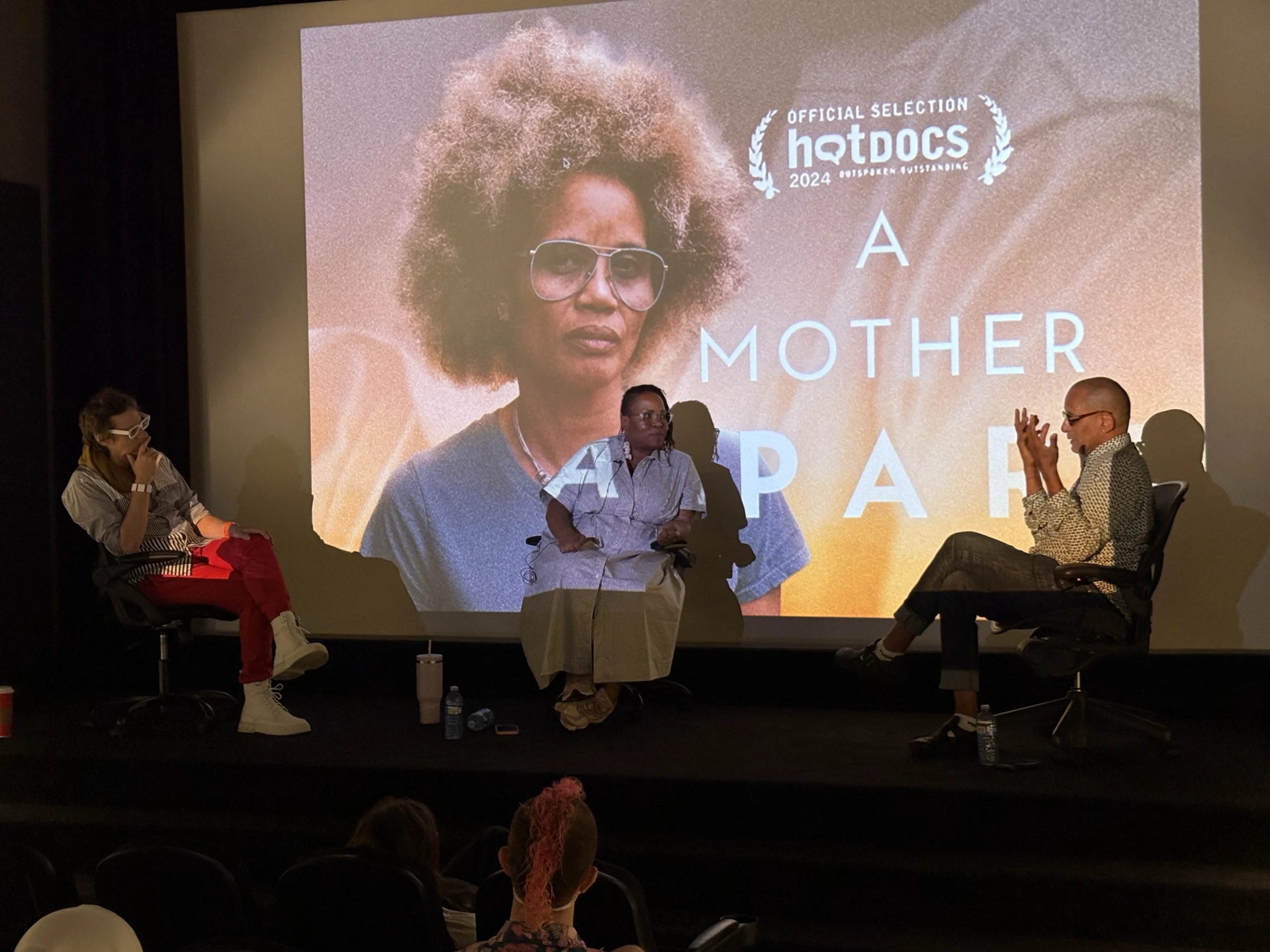
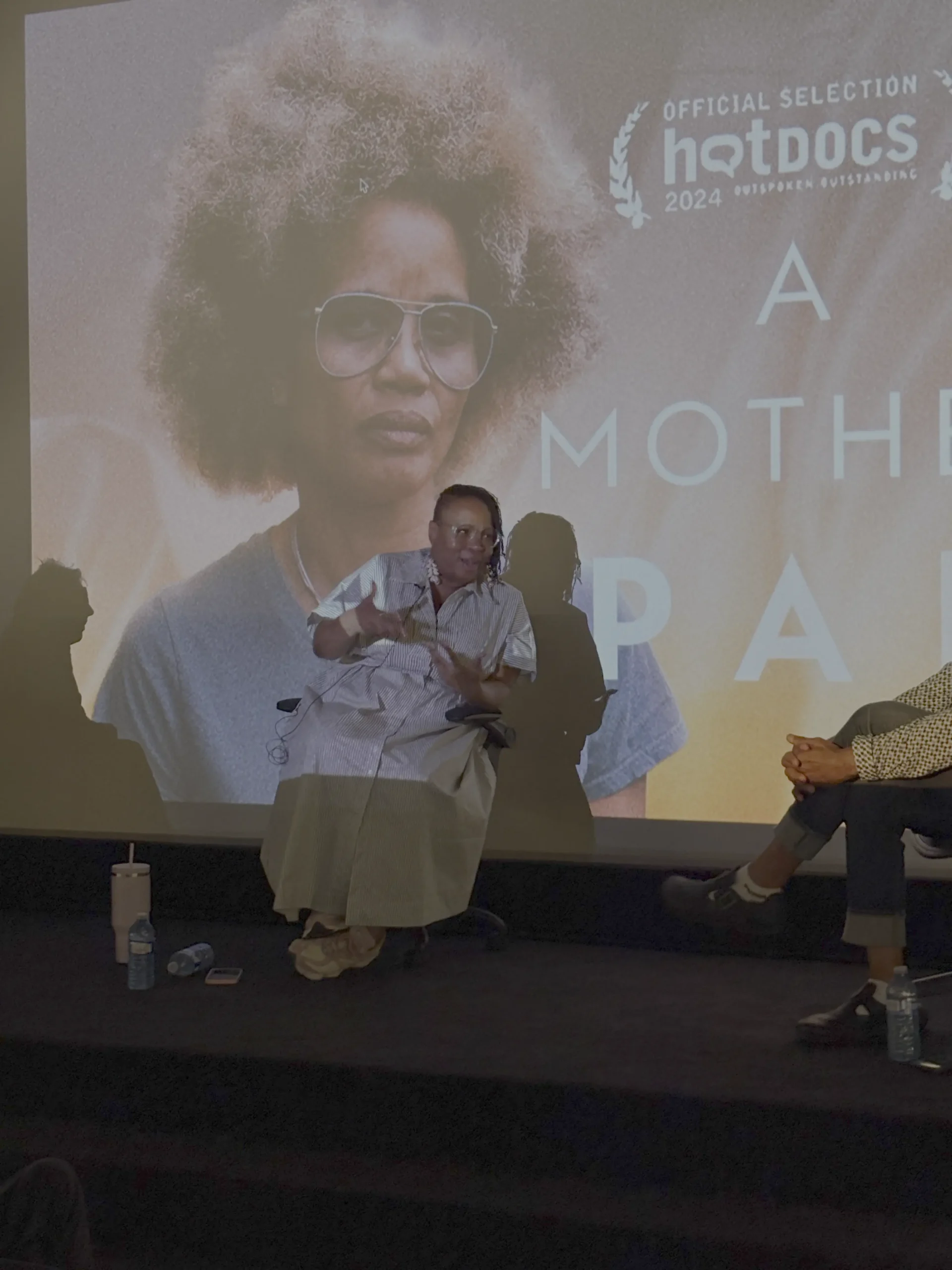
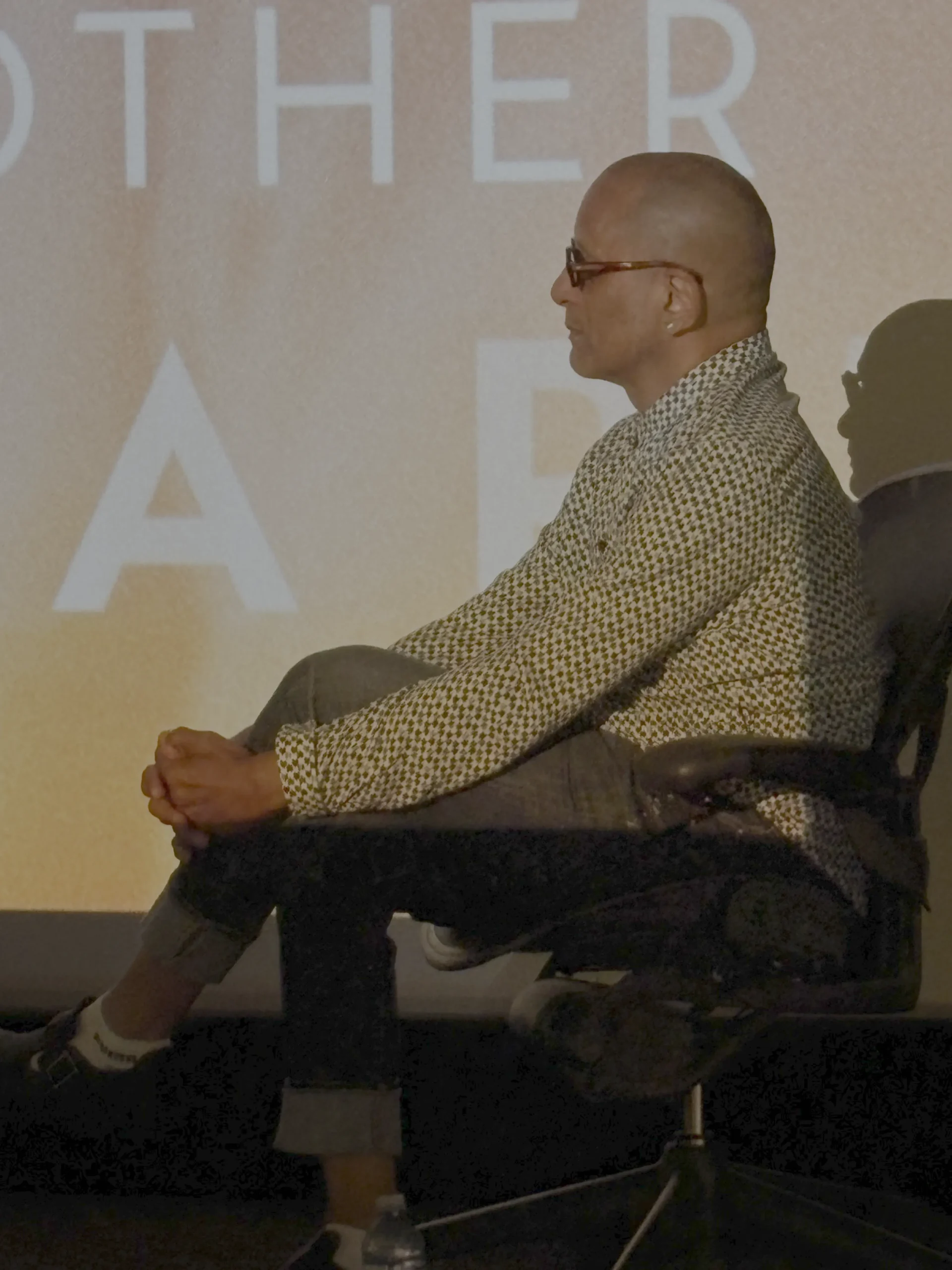
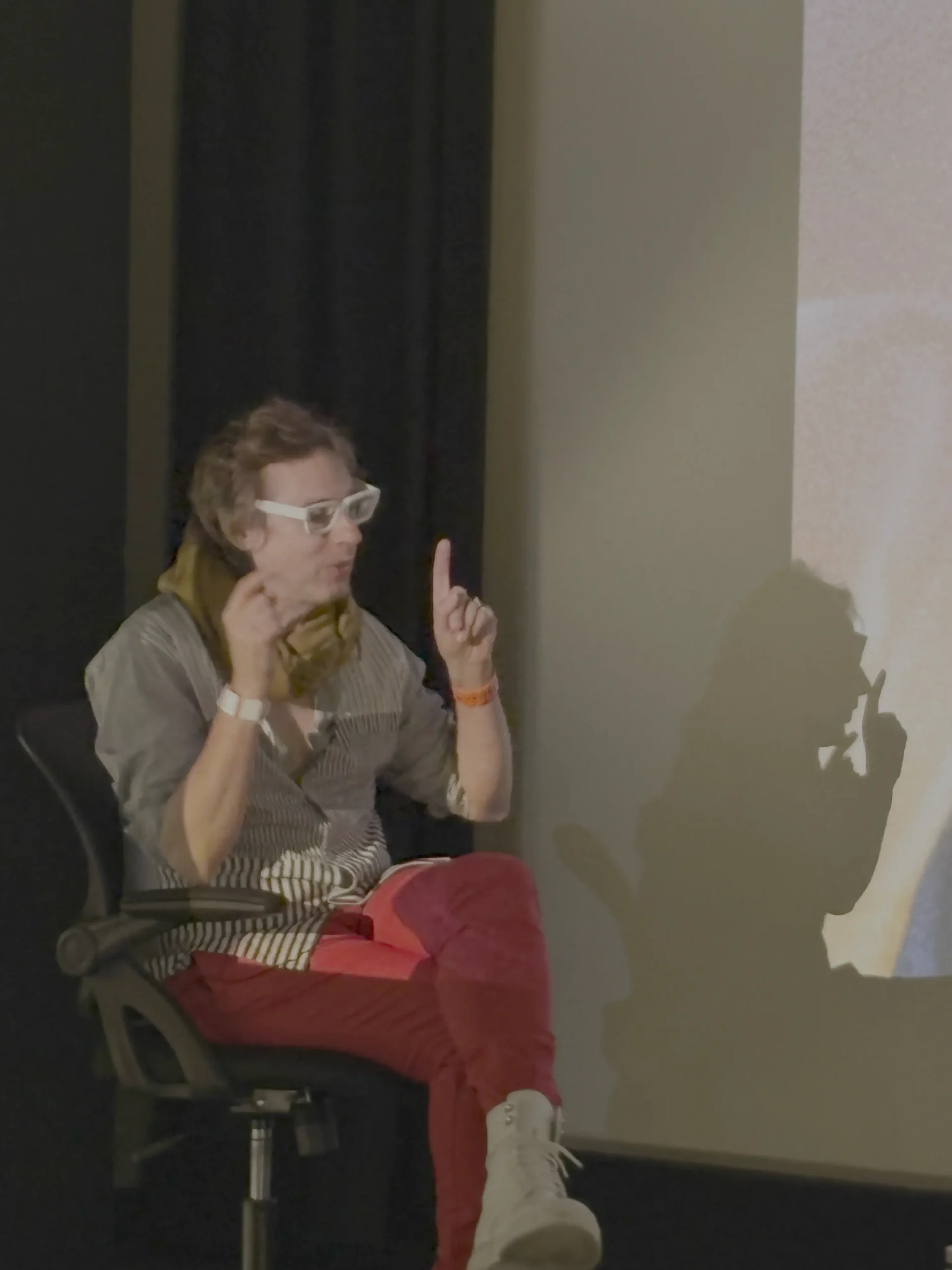
Joignez-vous à nous le 18 juin prochain pour une conversation avec Sonia Godding Togobo et Tom Third. Nous allons parler du documentaire UNE MÈRE À PART, qui raconte l'histoire de Staceyann Chin, une poète américano-jamaïcaine et militante 2ELGBTQQIA+, qui s’est courageusement réapproprié l’art de la maternité. Nous en apprendrons davantage à propos du montage et de ce que la musique a apporté à l’histoire.
Les membres ont un accès anticipé aux billets (l’événement est gratuit mais il faut réserver) jusqu’au 31 mai
Ces billets seront offerts aux non-membres à compter du 1 juin (si toujours disponibles).

Joignez-vous à nous le samedi 14 juin pour une table ronde spéciale présentée par le comité du mentorat du CCE. Cet atelier de perfectionnement de CV est conçu pour vous aider à augmenter vos compétences en matière de recherche d’emploi et à vous démarquer dans le marché compétitif actuel. Des professionnel·les de tous les domaines de la postproduction viendront nous parler de ce qui est à faire et ne pas faire dans la rédaction d’un CV. Le panel sera constitué de monteur·euses, d’assistant·es-monteur·euses et de superviseur·euses de postproduction aguerri·es ayant travaillé en fiction, en documentaire et en téléréalité. Venez en apprendre davantage sur les meilleures façons d’ajuster votre CV en fonction des critères spécifiques de ces différents domaines et sur les compétences spécifiques et générales à développer pour décrocher votre prochain contrat.
Cet atelier s’adresse aux professionnel·es de la postproduction en début de carrière, aux personnes nouvellement arrivées dans l’industrie canadienne du cinéma et celles récemment diplômées. La discussion se fera de façon virtuelle et durera environ une heure, puis elle sera suivie d’une période de questions de trente minutes.
L’événement est gratuit pour les membres du CCE et coûte 15 $ aux non-membres. Les membres devront verser un dépôt de 10 $ pour réserver leur place. Ce dépôt sera remboursé une fois votre présence à l’événement confirmée.
Si vous vous êtes inscrit·e·s mais que vous êtes dans l’impossibilité d’assister à l’événement, faites-le-nous savoir à info@cceditors.ca. Si nous trouvons preneur pour votre place, nous vous rembourserons le dépôt.
 FR
FR  EN
EN