Catégories
The Editors Cut

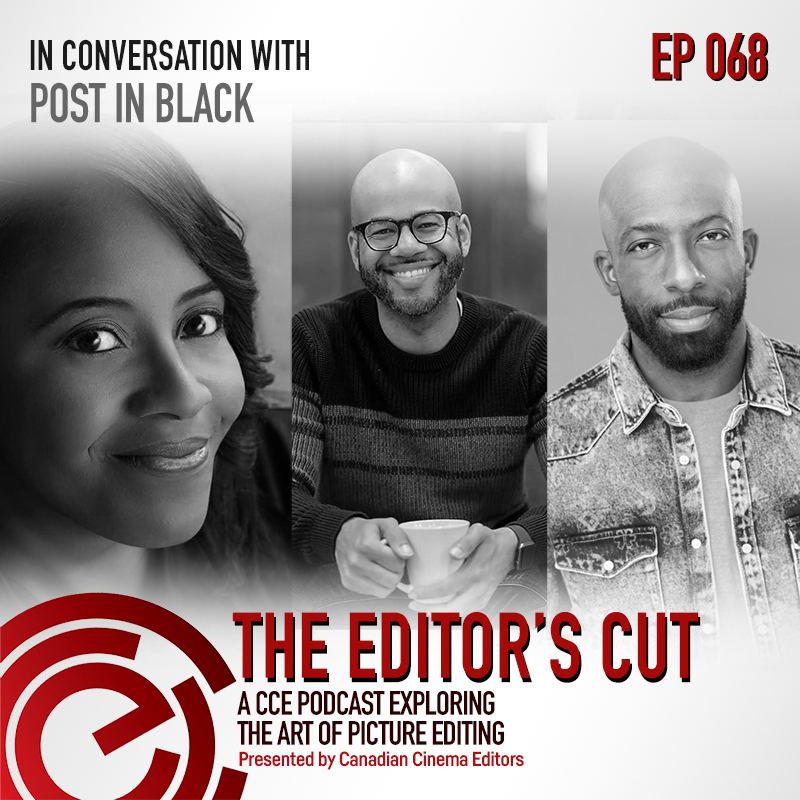
Episode 068: In Conversation with Post in Black

The Editors Cut - Episode 68 - In Conversation with Post in Black

Episode 068 - In Conversation with Post in Black

In today's episode, Sarah Taylor chats with the wonderful team behind the podcast Post in Black.

Daniel Hunter, David Hunter Jr. and Tatiana Johnson share the journey of how Post In Black started as a blog and is now in it’s 3rd podcast season showcasing post-production professionals in the black community. We talk about their hopes for the future of Post in Black and the industry at large.

The Editors Cut - Episode 68 - In Conversation with Post in Black

Daniel Hunter

At an early age Daniel Hunter developed a love for the arts growing up in the Washington D.C. Metro area. An alumnus of Berklee College of Music, Daniel went on to work for Paul Haslinger Productions, Danetracks, Gray Martin Studios, and Extreme Music (Sony/ATV). Daniel has worked with over eleven television networks in the post production realm and has cut his teeth into shows such as HBO’s Curb Your Enthusiasm, MTV’s Making His Band, Awkward, and FX’s The League. His passion for post production led him to establish Post In Black. He is a Co-Founder of Made For More Entertainment and currently works as a software engineer at Crossbeam.

The Editors Cut - Episode 68 - In Conversation with Post in Black

David Hunter Jr.

David Hunter Jr. is an actor, writer and producer born in Washington DC and raised in the surrounding Metro Area. He studied at Hampton University and has since performed at the DC Improv, studied at the Identity School of Acting (Los Angeles) and voiced numerous commercials and tv spots as a voice actor. He is the Co-Founder of Made For More Entertainment and is based in Los Angeles where he and his team are working continuously to produce projects that educate, entertain, inspire and impact the audiences they reach.

The Editors Cut - Episode 68 - In Conversation with Post in Black

Tatiana M. Johnson

Hailing from Durham, NC, Tatiana M. Johnson is a producer and creative consultant with more than a decade of experience. She holds a B.A. in Broadcast Journalism and Business Management from Hampton University and has worked directly with companies including Leslie Lewis Consulting, WME Entertainment, Canady Foundation for the Arts, and Duke University. She has maneuvered throughout various industries but finds joy in partnering with creatives to bring their artistic visions to fruition. The mantra she carries with her is “There are two ways of spreading light: to be the candle or the mirror that reflects it”.

 
This episode was generously sponsored by Purple Dog Light Vault. 

À écouter ici !

The Editor’s Cut – Episode 068 – “Post in Black”

Sarah Taylor:
This episode was generously sponsored by PurpleDOG LightVAULT.
Tatiana Johnson:
I think it’s interesting the past two years with the pandemic in the bit of social unrest here in America, we have seen a lot more DEI initiatives, where doors have been opened. I think we’re just hoping that the opening of those doors are genuine and authentic and not just for show, but we want that to be in the long term, 10 years from now, 25 years from now. What does your set look like? What does your edit bay look like? It’s our hope that some of these moves that are being made by some studios and productions are genuine and live long.
LAND ACKNOWLEDGEMENT:
We would like to point out that the lands on which we have created this podcast and that many
of you may be listening to us from are part of ancestral territory. It is important for all of us to
deeply acknowledge that we are on ancestral territory that has long served as a place where
indigenous peoples have lived, met, and interacted. We honour, respect, and recognize these
nations that have never relinquished their rights or sovereign authority over the lands and waters
on which we stand today. We encourage you to reflect on the history of the land, the rich culture,
the many contributions, and the concerns that impact indigenous individuals and communities.
Land acknowledgements are the start to a deeper action.
Sarah Taylor:
Today I sit down with the wonderful team behind the podcast Post in Black, Daniel Hunter Jr., Daniel Hunter, David Hunter Jr., and Tatiana Johnson share the journey of how Post In Black started as a blog and is now in its third podcast season, showcasing post-production professionals in the Black community. We talk about their hopes for the future of Post in Black and the industry at large.
[show open]
Sarah Taylor:
Thank you so much for joining us on The Editor’s Cut today. I’m very excited to chat all things editing and post-production and podcasting. How fun is this? So welcome, Daniel, David, and Tatiana.
Tatiana Johnson:
Thanks for having us.
David Hunter:
Thank you for having.
Sarah Taylor:
I am going to steal a note from your playbook and we’re going to do a little icebreaker. So this icebreaker is, what show on Netflix or any streaming service did you binge watch embarrassingly fast? We’ll start with David.
David Hunter:
Ooh, I definitely binge watched House of Cards when it first came out. Daniel and I were born in DC and I saw that and then, obviously, there was a lot that happened with the show with a certain individual, but I remember when the character Frank turned to look at the camera and started talking directly to me, it felt like. I was like, “What is this? What going on?” and I just could not wait to watch another episode. When they paused in between seasons, Frank and his wife Robin Wright, such an amazing portrayal. I love that show and so I watched that ASAP. There was no waiting. Anytime a season dropped, I was on it.
Sarah Taylor:
And wasn’t that one of the first originals? I feel like that was one of the first original streamers.
David Hunter:
House of Cards is what made Netflix. I mean, it really popped. And then Orange is the New Black obviously was right along with it, but House of Cards really popped it and it turned everything on to where we see Netflix now.
Sarah Taylor:
Amazing. Okay, we’ll go with Tatiana.
Tatiana Johnson:
So yeah, recently for me, it was Ozark, the final season. I probably watched five episodes in the day, just took a Sunday and was just like, “I have to watch it. I have to know what happened.” So yeah, it was Ozark for me recently.
Sarah Taylor:
Love it. Daniel.
Daniel Hunter:
For me, I would say The Queen’s Gambit.
Sarah Taylor:
Oh, so good.
Daniel Hunter:
Yeah, I just flew through that. It was incredible.
Sarah Taylor:
Oh, I love it. Okay, now we’ll get to the real questions that I’ve already shared with you so we’re not testing you on the spot, but I’d love to learn a little bit about each of you, where you’re from, and how you ended up being part of the podcast team of Post In Black. Let’s give Daniel a go first because I feel like he might have been the catalyst, maybe.
Daniel Hunter:
Yeah. Yeah. I went to undergrad at Berklee College of Music and that’s where my introduction to post-production began. And it continued after college in LA, where I interned at a post-production facility called Danetracks, which was founded by a sound designer, Dane Davis, who worked on the Matrix trilogy, won Academy Award for the first one, actually got to hold his Oscar as an intern, which is amazing. Early on clearly saw a lack of diversity in the industry, and that was the inspiration and motivation for starting Post In Black. Originally it was just a blog and over time, it’s grown into a podcast, and just wanting to give folks in the industry of colour an opportunity to tell their stories and also to inform Black people who may not know of post-production and the opportunities that are there, that it’s a career path for them, too.
Sarah Taylor:
Yeah. Amazing. Okay, and Tatiana, and what’s your story?
Tatiana Johnson:
So yeah, I did my undergrad at Hampton University in Virginia, where I met Dave. After I graduated, I moved straight out to LA and David reached out to me and said, “Hey, my brother’s out there,” so I got a chance to meet Daniel while I was out there and I think probably a couple months after that or maybe the next year, Dave moved out. And he’s such a people person so he connected us all to a bunch of other Hamptonians that were out there. And I think at one point, there was 10 of us living in the same complex. We were all creatives, filmmakers, directors, editors, kinda working in the field, so we were able to collaborate and work on each other’s projects and really encourage each other during that time.
And while I was out there, my 9 to 5 was working at a talent agency. So I was working in the music department doing music bookings and tourings for various artists all over the country, so that was really exciting for me, but on the side also doing a little bit of talent management and a little producing, so had my hands in a bunch of stuff. That was an exciting time, I think, for all of us as collaborators out there and decided to move back to North Carolina and got married and decided to take a “stable job,” that took me out of the industry a little bit. But unfortunately or fortunately for me, I went through a divorce and after that, just really seeking more creative things to pour into my soul. And then Dave pitched Made For More to me and Daniel around that time and the concept of building this company that would create content that outlived us and doing content that was more purposeful, so I was really excited about that and the opportunity to breathe new life into Post In Black, which originated as a blog. So just really excited in what we’ve been able to do in just two and a half years, some of the strides that we’ve been able to do, and also the things that are on the horizon for us, so excited about the journey.
Sarah Taylor:
Amazing. And David, the voice and the face of Post In Black podcast.
David Hunter:
Yeah. Now Daniel and Tati are so chill, so humble, but they’re real. I’m using slang when I say that they’re real hitters and what I mean by that is they are the ones, Tatiana is the one that makes Post In Black go. So Daniel started it and founded it, but none of this happens without Tati. Tati runs all the stuff behind the scenes, coordinates getting all the interviews scheduled, gets Daniel and I on track for what we need to follow up on, make sure we’re responding to emails, sending us voice notes, so I’m going to give Tatiana a little bit more credit. And she said a little entertainment industry, like a little market? She worked for WME, so that’s one of the top five out here. And Daniel worked at Sony, so I’m not going to let them downplay themselves. They are some real, real talented people.
But Daniel and I were born in Washington DC and we grew up in the suburbs in Northern Virginia and we lived in Maryland as well. I moved to LA after going to Hampton and I was working in DC doing improv shows, all of that, but I wanted to pursue acting, primarily in LA. When I got here, I was really focused on doing that and Daniel was so diligent. We were living together, but he was working in post and doing things and he was telling me, he is like, “Man, there’s nobody like me. I’m 21, 22 and I don’t see anybody like me,” so he just started emailing people and I didn’t know what he was doing, but he was like, “I’m going to Warner Brothers.” And I was like, “What?” He was like, “Yeah.” And we used to collect the passes that he used to keep from going on set, but I didn’t know he was meeting Terilyn Shropshire, he was working with Dane Davis.
I didn’t know all these things were happening until I started going with him to some of these lots. And then he started making this blog, talking about he wanted to interview people in post. So again, I’m primarily focused on acting and I’m doing all these things, but I’m going with him. Skipping ahead, Daniel helped me out so much because I got sick, really sick, and almost lost my life a little bit. I was really down. It was a really bad experience and then Daniel ended up moving when I was getting my health back. Now during that time I really thought about, “Man, my brother was doing all this stuff with Post In Black,” and I wasn’t really focused on that. I was focused on trying to get my career going, but what’s this about? And I looked at some of the names of the people that he had already interviewed in the blog and I said, “No, man, we got to restart this.”
So Made For More, our production company, came out of me being sick and almost losing my life to say, “I’m made for more than just being an actor,” because you don’t know how long you have to live. So while you’re here, let’s make every day count. So every day may not be perfect, but every day is a blessing. And so Post In Black, I said, “Let’s relaunch it and let’s relaunch it maybe as a podcast.” So Daniel, he did all that work initially by himself and his words to me were like, “Well, fine, if you want to do it. I’m not going to do it by myself.”
So we got Tati on and we talked for maybe about four or five months before we actually did anything, but we started interviewing people in February, 2019 or 2018, I believe. It’s really taken off since then and it’s been a lot of fun. And I think that’s the joy, that’s the goal for a lot of people. You want to work in entertainment, you want to work and do what you love, you want to have fun, and you want to do it with people that you love, and so I think I’ve been blessed that Daniel started this and now to see where we are now, we’re getting to meet so many great people like yourself, so that’s the gist. I’ve been in LA now 15 years and I look forward to another great 15 years from now, too.
Sarah Taylor:
I love that you also, as brothers, came together, you have a team of people that you can rely on, and what you’re creating is amazing. I love it. It’s so great. And I think our listeners of The Editor’s Cut totally obviously overlap with Post In Black. We often have some of the same guests too, so it’s just exciting to have people spread the word about post-production because we’re often left behind the screen. But more so, I think we need more diversity behind the screen and in the edit suite. We’re telling stories about all the people. We need to have all different people in the seat that’s helping shape the story, makes the most sense. Like, hello!
Daniel Hunter:
Right.
Sarah Taylor:
I’m curious, what have you learned through this process of producing and creating Post In Black?
Daniel Hunter:
I would say the biggest takeaway has been just noticing that people don’t know each other, is eye-opening and enlightening. The fact that we’re interviewing folks and after the interview, we’re just talking about just life in general and they’re like, “Oh, I didn’t know so and so,” or “I had heard about that person but never met them.” And it’s exciting because I feel like we’re, in a way, bringing a lot of people together, not formally, but it’s nice to be able to see people learn about their colleagues because it’s hard. You’re in an edit bay, what, 40, 50 hours a week for weeks at a time. And then when you get a break, you’re just trying to probably spend time with your friends and family, catch your breath, and then you’re back at it again and so it’s hard to get to know other people, so that was surprising and enlightening.
Sarah Taylor:
You’ll have to do a Post In Black wrap up season party and all the guests can join in and they can all meet each other. That’d be so fun.
Daniel Hunter:
Exactly. Yeah.
David Hunter:
That’s actually in the works. Yeah.
Sarah Taylor:
Yeah. Nice.
David Hunter:
I would say one of the things I think that’s been difficult sometimes is just you’re doing the work but staying encouraged yourself because sometimes it feels like you’re doing a lot, but you don’t know if everybody’s watching or if people are really… you know. You just don’t know what the impact you’re making is because it’s not always visible. People watch it all the time, but they may not comment. They may not say anything. They may not say, “Oh I’m listening to Spotify.” You may not know how many people are sharing it. There’s another one and it was a slip of the tongue sometimes when people talk about it, but we’re Post In Black, but there’s something else called Black In Post and it’s not anything against anybody, but you do the work and, “Oh, man, I’m meeting you guys. Man, it’s so great to meet Black In Post.” And we’re like, “No, we’re Post In Black.” Not to be defeated or competing with anybody because we want to get the word out, that’s the goal, but I think sometimes you’re just like, “Is what we’re doing being received? Is it really making the impact that we think we’re making? Is the work that we’re doing actually going to pay off in a way where it’s what we dreamed of, what we hoped for?” so I think you just got to keep running towards a goal that you can’t necessarily see, but you know it’s there.
Sarah Taylor:
Yeah, totally. Yeah.
Tatiana Johnson:
Yeah, I agree. I’m so inspired by these stories that I’m hearing, also, when we do get into those realms of being defeated because Daniel and I still have full-time jobs, we’re producing on the side, but hearing how these very successful editors and sound engineers have pivoted midway through their careers and it’s just like, “Hey, some of my skills are transferable and this is something that I love.” Being outside of the typical cities where this is supposed to happen, hearing the stories about people that have come from the South or the Midwest and decide to make a career change into this industry is very inspiring and it’s why we do what we do because some kid in rural America could watch an episode of Post In Black and is like, “Oh, I didn’t think I could do that. I thought I could just be an actor or director. I can work in all these other fields and still be involved in entertainment,” so that’s what drives me and inspires me as I’ve been producing the shows.
Sarah Taylor:
Yeah, yeah. I find that’s the biggest thing, talking to young kids in high school. I’ve been fortunate enough to do some mentoring with this program called Girls in Film and Television. So for me, really trying to uplift young women to join the industry and to join post and they’ve no idea that there’s so many different positions that we could be in and not really understanding what editing is until I drop a few clips down on the timeline and they’re like, “What? You can do that?” And so exposing young people and people who just don’t realise that there’s options in this world, in this field, and we’re here. I’m like, “I’m here. I’m ready. Let’s do this. I want to bring you up,” so it’s exciting to have people like the three of you helping lift groups of people.
Tatiana Johnson:
And also the post community that we’ve interviewed, they’re so welcoming. It’s like, “Oh, yeah. Just email us. Hit us up. We’ll be welcome to talk to you.”
Daniel Hunter:
That makes it easier to do this work, is how welcoming and open people in the community are to speaking with us and to doing these interviews. We couldn’t do it without them and they’re very gracious with their time and it’s amazing.
Sarah Taylor:
Have you, over the years, because it’s been years of doing this, has there been an important skill that it seems like everyone has that are in this industry of post-production? What is the one thing that’s come up a lot that you’ve seen over the years?
David Hunter:
I would say outside of the technical skills of editing or working, colouring, all that, it’s being self starting, being a self starter. A lot of our team, the people that we interview, are freelance. They work on these shows, but then when the show’s over, then you got to get your next one. And you know, as quiet as some of them may seem, you can’t be that quiet and actually still work. You actually have to speak up. You actually have to reach out to people. You actually have to know how to talk, and so I think that’s the biggest thing in the industry, being able to be your own cheerleader in a way to like, “Hey, I need a job,” because they say closed mouths don’t get fed. I think that’s one of the biggest things I’ve seen, in terms of networking, connecting, reaching out, asking. They’re not afraid to ask questions. They’re not afraid to say, “Hey, I don’t know how to do this. Hey, what do you guys think?” Being confident enough to put yourself out there, I think, that’s one of the biggest keys that I’ve seen, just in terms of interviewing people and talking to them.
Sarah Taylor:
Yeah. Totally.
Tatiana Johnson:
Yeah, perseverance is a big one. We had the interview with a sound designer who told us point blank. He was in a break room and one of his coworkers was like, “Oh, you’ll never get promoted because you don’t fit the mold.” It’s not that you’re not talented, but just the way you look. So the fact that he didn’t just say, “Okay, well, forget this. I’m going to do something else.” He was like, “No, I’m going to get promoted. And matter of fact, I’m going to make my own company.” And this guy has a slew of credits now. Shout out to Ken Johnson, just his tenacity and his posture to not be shot down in that moment, because it’s so easy to come into these rooms and not see people like you to turn right around and walk out the room, so you got to have some tenacity in you.
Sarah Taylor:
Yeah, totally. I felt that too, as a woman in the industry. That fire is lit in you sometimes and you just keep going. I’m going to do it to spite you!
Daniel Hunter:
Exactly.
Sarah Taylor:
Well, since you’ve been doing this for a while, have you noticed the industry shifting or changing since you’ve started?
Daniel Hunter:
I have. So I’ve seen more and more producers and creators supporting the post-production teams that are helping build and craft these powerful stories. And I’m not going to attribute that to us or any podcasts or any specific group, but I do see that improving and I think the more podcasts, the more exposure that these incredible artists, in my opinion, get, the better it’ll get and more recognition and the more exposure to communities that need to know this exists, which is the ultimate goal for us, since we want people who have no idea post-production exists or what it is to learn about it. I think when you start seeing A-list actors and “celebrities” talking about post-production, I think that’s when we’ll maybe reach a tipping point, where it’s like, “Oh, man. This is what we’ve been dreaming of all this time,” is for it to be on the same level as everything else and it should be.
Sarah Taylor:
I remember one year there was an actress that thanked the editor. I was like, “Yes”.
Daniel Hunter:
Right. Yeah.
Sarah Taylor:
Because we do make a difference, what happens when they’re on screen.
Daniel Hunter:
It’s so rare.
Sarah Taylor:
Yeah, it’s very rare. Yeah.
David Hunter:
I would definitely say I’ve seen a change in the industry, too. And I think one of the things that’s pretty cool, again, I say this a lot on the podcast, but I came into the industry and I still am primarily an actor in front of the camera, do a lot of voiceovers, but a lot of my friends, they’re all actors and they’re like, “Hey, what’s this Post In Black? What are you doing?” And I talk to them about it and they’re like, “Oh, that’s cool.” And I think bringing awareness, because sometimes regardless of race or whatever, I think you don’t do things or you don’t try things out of fear. And then as you get older, you don’t want to look silly, you don’t want to look stupid. You don’t try because you might fail.
And I’m the opposite. Daniel and Tati will tell you. Sometimes people will see somebody and they’re like, “Man, I haven’t talked to them in a year, I can’t reach out.” And I’m like, “I ain’t talked to them a year, I got to hit them,” and that’s just how my mind goes. And so I really don’t think about, “Well, if they don’t reach back, whatever,” but that’s not how a lot of people work in terms of this. So trying post, a lot of people may want to try it and may want to give it a go, “But I don’t even know where to start. And then once I start, what if I’m not good right away? What if I ask a question that looks silly or what if I don’t how to format things or what if it takes me longer?” It doesn’t matter. Just start where you are and you can try. And then that first day we leave it to your next day and next thing you know, it’s two weeks and three weeks, but I think we got to just get the conversation going, get people started, and lose that sense of fearing what could happen in a negative light and thinking of the possibilities that could happen in the positive way. It’s definitely sparked more conversation.
Sarah Taylor:
Well, and by highlighting the people that you do, I feel like as an editor you’re always learning. There’s always something new to learn, so we’re always unknown in what we’re doing. We’re just collecting more skills as we go and so that’s how it’s always going to work. So to have the ability or the want to learn and keep growing, it’ll be great.
Tatiana Johnson:
Because I’m not directly in the edit bay, I admire all of you that are, but I think it’s interesting the past two years with the pandemic, in the bit of social unrest here in America, we have seen a lot more DEI initiatives, where doors have been opened. And I think we’re just hoping that the opening of those doors are genuine and authentic and not just for show. I think a lot of people are jumping on the bandwagon just to say, “Hey, yeah. We support women. We support people of colour. Yeah,” but we want that to be in the long term, 10 years from now, 25 years from now. What does your set look like? What does your edit bay look like? And there’s nobody that I know that are going to these sets and going to these editing rooms just to make sure it’s like, “Oh, how many women do you have? How many people of colour do you have?” Nobody’s really checking, so I think it’s our hope that some of these moves that are being made by some studios and productions are genuine and live long and not just a brief six-month initiative for one particular project. There’s other projects that need to be staffed other than Black Panther, and I’m just putting that out because the trailer just dropped.
But one of our guests was saying they don’t want to be pigeonholed as the BET guy, you can only do Black films. And it’s like, “No, I can cut some action films.” I love seeing Terilyn Shropshire and it’s the action films that she’s able to do now. That’s amazing to me so I just hope that there’s more mentorships, more opportunities for women and people of colour as well, as we move forward.
Sarah Taylor:
Well, and you’re creating a database. People can’t say, “Oh, I just don’t know where they are.” It’s like, “Well, no. They’re right here. Here they are.”
David Hunter:
Right. Sometimes, and I’m just being real, if I could speak candidly. Sometimes when you’re Black, you feel like when you bring up race, you don’t want to bring it up because then people are always going to be like, “Oh, you’re always bringing up race,” but you’re just trying to make a point. And the point of the matter is, for a lot of the editors or people that are working behind the scenes when they work on a Black show, what has a predominantly Black cast, and usually that means more than two Black leads. You know what I mean? Oh, that’s a Black show. Then it’s like, “Oh, that’s what they cut,” versus somebody else who’s just an editor and they work on The Queen’s Gambit and it’s like, “Oh, they do that.” You know what I mean? I think there’s certain people like Terilyn, who have crossed over where she’s just considered an editor, but you got other talented people who are working and they’re cutting a lot of things that are really great, they have that unique style to do that, but they can cut other … It’s dialogue. It’s storytelling.
There’s a lot of stuff that’s on TV now that’s very diverse. I’m saying back in the day, I sound like I’m old, where TGIF, all these shows, we grew up watching predominantly shows that sometimes didn’t have Black people on them. We weren’t thinking as a little kid, “Oh, it’s like this.” It was storytelling, it was captivating. And I think when you just put an editor in that room, give them a chance, give them a shot, that’s all you’re asking for. You’re asking to be considered equal and not considered a quota because we’re not stupid. We know when you’re filling a data sheet, we know when you’re filling or checking a box and I don’t want a job that I feel like you’re just checking a box on. That’s not fun. That doesn’t qualify me. That doesn’t reward what I’ve been doing. And I think nobody wants to feel like that. I think that’s just what we’re trying to highlight and showcase. It’s not trying to take anybody else’s jobs. It’s not trying to move people out the room. It’s just saying, “Hey, give a chance, give a shot, give an opportunity.” I really think that’s the gist of it.
Sarah Taylor:
Yeah, there’s more than enough pie to eat, as they say.
David Hunter:
Yeah.
Daniel Hunter:
Yeah.
Tatiana Johnson:
Hell, yeah.
Sarah Taylor:
Obviously, I’m white, as people know but I was always identified as the female editor. There could only be one of me in the room. When I first came up in the industry, which is very rare, there was a team of 10 of us in the studio I worked at, but I was the only woman. And then if another woman came in, I was like, “Mmmmm!” I’m the only one, right? I had to shift internally as well. “Oh, wait. No.” And now I’m like, “Everybody, come on. Let’s go. Let’s create stuff,” but it takes a shift on all parts to-
Daniel Hunter:
Yeah.
David Hunter:
Right, a hundred percent.
Sarah Taylor:
… to be not threatened because society is telling us, “Nope, just room for one. We’ve made that check.”
Daniel Hunter:
That’s a great point. Yeah.
David Hunter:
That’s fine.
Sarah Taylor:
Anyway, so let’s talk some hopeful, future stuff. What is your hope for the future of Post In Black?
Daniel Hunter:
I think the vision is to do more things centred around community. COVID happened and that made things difficult, but we definitely want to do more in-real-life events at film festivals. We’d love to do tours of panels at historically Black colleges and universities in the US. We want to go to where the people are. It’s great to do things virtually and we have the podcast and we’re creating all this content online, but there’s something special about being in person in a room with someone who looks like you talking about something you don’t know about, but are curious about. You’re like, “I don’t know what post-production is, but I know it’s related to filmmaking and this person worked on Insecure and I loved Insecure, so let me go and check it out.” But doing that in someone’s neighbourhood is a whole nother level, versus creating a podcast. The podcast is our foundation, it’s great, but taking the next step and going to where people actually live, who we’re trying to reach, I think, is a bright future for Post In Black and will help us achieve our ultimate goal of getting more people into the industry.
Tatiana Johnson:
And I think in addition to that community piece, a lot of the barriers to entry is financial. So being able to partner with companies and get sponsorships so that we can offer scholarships to students who might be interested in, if not going to film school, taking an editing course, because they’re doing this anyway on TikTok. You already have the basics. Let’s teach you the system. And just being able to financially assist different communities who might need that support as well, I think, is another goal of ours.
David Hunter:
No, I would agree with both of those points, just continued exposure. I think we’ve just touched the tip of the iceberg with what we’re doing. And like you said, money definitely helps and not for anybody to get rich, but Daniel and Tatiana are both working other jobs and I’m in the industry and I think we’ve come as far as we can come doing it this way. I think some changes do need to be made so that we can all work together full time in this thing and that happens with partnerships, that happens with grants, that happens with investors. That’s what we’re at the next phase of right now, looking towards that, just to help facilitate more forward movement with Post In Black and the exposure and connecting us to audiences that are still out there that don’t even know about us.
Sarah Taylor:
So exciting. Well, what is your hope for the future of post industry in general?
Tatiana Johnson:
That’s a big question.
Daniel Hunter:
Yeah, I think I’d love to see supervising, sound editors, sound designers, mixers, getting more, I’m not sure what the right wording is, but better credits in the films instead of you wait until when the film is over and you see the long scroll of all the people that worked on the film. It’s this little small line, their name, because their impact on projects is so great, as great as the producers and the editor and the composer. I would love to see that eventually.
You’ll notice in animated films, like Pixar films, they do that. Skywalker Sound is one of the premier post-production sound facilities, probably the premier, I would say. I don’t think many people would argue with that. And if you look at all other films, the sound designers get single frame credit. I think one of the best examples of this was Ben Burtt on the film WALL-E, because he actually was the voice of WALL-E. If remember correctly, I think he had to join SAG because he was basically an actor now. But he was the film, as a sound designer and WALL-E was incredible, won a ton of awards. So if Ben Burtt can get credit for WALL-E and him getting that credit didn’t hurt the film, it’s like, “Oh, why did we take up one second to give the sound designer a frame?”
Sarah Taylor:
It failed. Come on.
Daniel Hunter:
Yeah, it’s insane, so I’d love to see that.
Sarah Taylor:
What a good point because I have a sound designer I work with on almost everything. He’s the guy that I go to and I get the sound back and I put it to my picture and I don’t know. There’s something special about watching that with that fresh sound and… oh, changes everything. It’s amazing. It makes the show, right? And you add colour on top, but those things make the show. If you watched the picture lock with no colour and unmixed sound, you’d be like, “What crap is this? It’s horrible.”
Daniel Hunter:
Yeah.
David Hunter:
Yeah.
Tatiana Johnson:
Yeah. No, I agree with that. I think there needs to be more acknowledgement of the post community. And credits for sure, but some of these awards shows can stand to take a couple minutes to acknowledge your sound editors, your music supervisors. They give credit to the editors, but the “little guys” that actually make it happen and whether that’s a segment the day before, where they have a full-on, “Okay, this is our post award ceremony,” and just so that kid or somebody who’s looking to pursue a career in this, they’re like, “Well, I do all this work. First of all, I’m not getting paid a lot, but what other recognition do I get besides the small prints at the end of the movie?” It’s like, “Oh, well you could be up for this award or this award or whatever,” and actually having some competition as you’re working, too, so just having that acknowledgement, I think, will be important, moving forward.
Sarah Taylor:
Totally. Yeah.
David Hunter:
I guess just to sum it up, I agree with all of that. I think it’s really important, and again, I speak from actor’s standpoint, again. A lot of people want to be actors nowadays, and I don’t know, I can’t read everybody’s mind, but sometimes they want to be famous. You know what I mean? I remember going to the movies and wanting to be an actor because of the way the movies make me feel. And I was like, “I want to make people feel like that.” And so I could care less about the fame. You’re going to be noticed just because of what you do, because of that, but I think if we took more time at the award shows or these places to highlight how important it is for these positions…
I remember specifically, and I forget the name of the studio, but it was a studio down in Santa Monica with Daniel and Tom Hanks had a studio right next to it. And I remember we were in there and Daniel and the team, they were in there cutting or doing some ADR on a film for the Wayans Brothers. And I was watching it and I was like, “Yo, this is crazy,” because there were some issues with the dialogue and so the editors, the sound mixers, they were in there actually doing the ADR themselves. And they were like, “Yo, you’re a actor. You want to say something?” And they actually let me just get on there and obviously they had to do it themselves, but they just let me see what it was like to dub and do that. And I’m like, “Wow, the actors are important but the team behind them are the ones that make the actors look great,” and so it really made it clear to me how important their job is.
And so I know the actors, and I’m speaking as one, we get the credit for it, but if we really highlight how important the team is behind the scenes, really bring more exposure to that and not just oh, cast away, because I’m telling you, no film gets done. All the stuff you film on set is important, the camera, all that, but everything that happens after the fact, that’s the magic of putting it together. I didn’t even know when I was young growing up that movies are filmed out of sync. I’m reading the whole script and then they’re telling me I got to cry from the beginning of the first day. I’m like, “No, that’s at the end.”
Sarah Taylor:
“I’m not prepared yet!”
David Hunter:
They’re like, “No, but the lighting is here. We’re going to film at the house this day.” And I was like, “What are you talking about?” And so being able to take the first day and make it the last day and put that together, that’s the team behind. So I really didn’t, just more exposure and really making it clear what these jobs are, because again, it’s out of sight out of mind. If you don’t know, you’re just like, “Oh, okay.” But if you make it clear what it is they’re doing, it becomes cool, so that’s what it is.
I think even for directing, I said this before, I think when Ava DuVernay jumped out there, I think where she really made directing cool for women and Black women or women in general and for Black women just in the last few years because before, I think it was still primarily in acting, but then everybody’s like, “Oh, Ava. Yeah, we like Ava,” and so that opened the door for a lot of other women directors of colour, too. All it takes is one and then we can keep going.
Sarah Taylor:
Totally. Yeah. Well, leads to my next question of how can other post professionals in the industry help make some of these changes? What can we do to open the doors?
Tatiana Johnson:
Yeah, I was thinking about that question so I was looking at … Well, I was listening to one of your interviews with, was it Elísabet [Ronaldsdóttir]?
Sarah Taylor:
Yes.
Tatiana Johnson:
I thought it was amazing what she said. She’s like, “Basically, we all enter the edit suites with our own bias and with our own prejudices so you got to check yourself once you get in there.” It’s like, “Okay, why am I making this cut? Is there anything inside of me that’s causing me to cut this way or whatever?” I thought that was really interesting that she brought up that point. So I think for any allies or accomplices that want to help more women and people of colour enter, just checking your own bias. Of course, we’re never going to get it all right. Even with me, myself as a Black woman in America, you think I’m the bottom of the totem pole, but I’m also able-bodied and I’m of the hearing community so I don’t need those types of hospitalities afforded to me, but also being cognizant that other people might need those things. So I think in that, if we could all just check ourselves, as we walk forward and just as we’re walking through doors, leave the door open. Just don’t just slam it like, “Okay, there’s only one Black woman allowed.” No, bring us all. Like you were saying earlier, there’s pie enough for all. Who doesn’t like pie?
Sarah Taylor:
Everybody loves pie.
Tatiana Johnson:
Everybody loves pie! Yeah, just leaving the doors open for others and stretching yourself a little bit. I know there’s probably speakers that go to USCs and the NYUs. Expand your reach. Go to a historically Black college and go to a community college. There’s people there that would love to be exposed to these types of industries and have the talent for it, too. It’s just they don’t know about it, so just expanding ourselves.
Sarah Taylor:
As Dave puts his hand up, money, we need money.
David Hunter:
I was also going to say, sometimes the people that go to community college, maybe it’s not that they don’t want to know, but they didn’t have the resources to go to a bigger school, so they go there, but that doesn’t mean that you can’t go to them. That’s great. Great point. Tati, you answered that well. I don’t know how-
Sarah Taylor:
You nailed it.
David Hunter:
Anything I say would take away from it.
Daniel Hunter:
I know.
Sarah Taylor:
Just a little story I want to share. I’m working on a show coming up. As a crew and as a team, we had to take accessibility training, which is great. I’d never been offered that. And I feel like this thing or diversity inclusion training, I feel like we should all be taking those courses, just so that we can even acknowledge the biases that we have that we don’t even know it’s a bias yet because we haven’t been shown the other side. So even in this accessibility training, they have an accessibility coordinator on the show, and so the point of that is to go out and ask, “What do you need as a person to do the best work you can do?” and so that was something that twigged in my brain.
I’ve never thought about that for my world. What do I need in order to do the best I can do? And so in this same situation, it came up with, in the editing world, we have many platforms to edit on. So there was this, “Oh. Well, this person only uses Avid and this person only uses Adobe.” So I was like, “Well, how can we figure out a way that we can all use what is the best for us so we can do the best work?” That wouldn’t have been something I would’ve even dared to bring up years ago. I’d been like, “Oh, we’ll just do Avid. It’s fine. Everything’s fine.” But I was like, “No, it’s not fine. That’s closing the door. That’s not fair,” so I decided I was going to speak up and I did it, and then it worked out. We’re just going to make it work. We have to allow ourselves to have those tough questions or conversations, of how about we try doing it a different way because this way isn’t always going to … It’s not always working. It’s not always the best way.
Tatiana Johnson:
And a lot of people see it as them being called out in … I heard this phrase recently of calling people in, so it’s not like, “Oh, you’re wrong. You’re doing X, Y, Z.” It’s like, “No, I just want to show you a new way that you could possibly do this. Come in. Let’s have a conversation.
Sarah Taylor:
Yeah, let’s try this. Everybody can feel comfortable. How can we make everybody feel comfortable?
Tatiana Johnson:
That’s what we need. Advocacy.
Sarah Taylor:
Advocacy, yes. If you’re in a state, a position where you’ve been in the industry for a while, you have a reputation, use your voice where it matters and make a shift or at least let people think about something in a different way. Maybe they’ll shut you down, but at least you’ve used your voice to try to push something in a different direction. Anyway, that’s my little tidbit.
Daniel Hunter:
I like it.
Sarah Taylor:
Are there any episodes that you’re particularly happy about or loved and want our listeners to check out?
Tatiana Johnson:
All of them.
Sarah Taylor:
I had a feeling that might be the answer. We can’t just name one.
Daniel Hunter:
I mean, I guess the last one, to be honest. I would say watch them all, but Madonna Wade-Reed, music supervisor. And if there’s one other episode, it’s probably be the first one with Adam Lingo from National Geographic.
Sarah Taylor:
Oh, I liked that one.
Daniel Hunter:
Which was actually at Nat Geo in DC, so that was fun to be in person there. But yeah, watch them all.
Sarah Taylor:
That’s what I really love about what you’re all doing, is you highlighted a world where we don’t hear much about. We don’t hear much about how National Geographic shows are made, right?
Daniel Hunter:
Yeah, exactly.
Sarah Taylor:
That’s not something that we talk about. It’s so cool as an editor to learn about, Oh, that’s neat, how that works and how he got in. Anyway, I thought that was a great episode.
Tatiana Johnson:
Yeah, I’ll piggy back on that with Madonna’s episode. She’s also a fellow Canadian, so she talks about how she made her transition to Hollywood, so that was interesting, going international that way. But yeah, I’m going to stick with all of them because they all have so many different gems and their backgrounds and where they came from and how they’ve manoeuvred throughout the industry. So I’ll just stick with that.
David Hunter:
I talked to everybody and I really think I’ve been blessed to be able to have these conversations with so many different people. I would say everyone stands out differently, but we talked to Darryl Jefferson and hearing about his schedule for the Olympics and then like Daniel said, going to Nat Geo, that was really special. Being a kid, even though we were born in the city and we grew up outside in the suburbs a little bit, but DC is really special. And so to be able to do that as an adult, to be in the building and do that and your hometown, that was really cool. That really meant a lot. Talking to a legend like Terilyn, and obviously, Daniel knows her very well, so she responds to Daniel’s emails like, “What do you need? Anything you want,” but just being able to talk to her was really special because you understand who she is and what she does.
I just went to a screening and they show clips of The Woman King and Gina Prince was just talking about, “Oh, my editor, Terilyn,” and I was like, “Man, I know her.” You know what I mean? And it was a room full of people, but I felt really special. I’m like, “Man, that’s a privilege I get to talk to her.” And then I do crack jokes about how Daysha Broadway and that episode, I just had so much fun with her energy and talking about her experiences. She’s just a great person. So Stephanie … When you start naming names, you get in trouble, but I think there’s something from each one. And what excites me is that, again, it’s just the tip of the iceberg. We’re going to look at this years from now and be like, “Man, look at all these amazing people that we got to talk to and had these unique relationships with throughout the years.”
Tatiana Johnson:
And I’d like to credit that also, too. Of course, we’re a great team, but our team of editors behind the scenes, Precious and Andrea, that are based here in North Carolina, have to put that out there, Southern girls, but Black women, brown women just doing it for us and making these episodes really pop from season to season. So you’ll see the trends, the transformation from season one to now and the certain elements that they’ve been able to bring to each episode have been really awesome, so shout out to Precious and Andrea for making us look good.
Sarah Taylor:
Yeah. Shout out to the editors. I love it.
David Hunter:
Shout out to them.
Sarah Taylor:
Is there anything exciting coming up that you want to share with us?
David Hunter:
We’re going to be doing a panel at the Guild of Music Supervisors here in LA in October and so that’s going to be a really fun event. And we have some pretty cool guests. Can’t announce some just yet, because we’re still solidifying everything, but it’s going to be in person. It’s their first one since the pandemic, so we’re excited. And that’s just another testament to the reach that Post In Black has, that people are reaching out to us now to ask us to do these really cool events and opportunities. And then like I said, there is talks about having an in-person Post In Black event for our past guests of all the seasons, so to have them all be in person and meet will be very cool. And I think they’ll be good and it could be the start of something that we do annually.
Sarah Taylor:
I just want to come and be the fly on the wall.
David Hunter:
Come on, come on.
Tatiana Johnson:
Come on.
David Hunter:
Come on. We got to bring Sarah. We could bring you in.
Sarah Taylor:
Amazing. Amazing. Well, I hope one day y’all can come to Canada for our edit conference and do a panel. I think that would be so fun.
Tatiana Johnson:
We would love that.
Sarah Taylor:
See what we can do. It’ll be cold in winter, though. I don’t know. You’ll have to bring a winter coat.
David Hunter:
We’ll be there. I’ll get a parka or something.
Sarah Taylor:
Awesome. I love it. I love it. Well, thank you so much for taking the time to sit with me to chat, all. Thanks, Post In Black. I love what you’re doing. I think it’s so important and I will continue to cheer you on and I hope all of our listeners tune in as well, so thank you so much.
Daniel Hunter:
Thank you for having us, Sarah.
Tatiana Johnson:
Thank you.
David Hunter:
Thank you for having us, Sarah. Appreciate it.
Sarah Taylor:
Thanks so much for joining us today and a big thanks goes out to Daniel, David, and Tatiana for taking the time to sit with me. Special thanks goes to Jane MacRae and Alison Dowler. The main title sound design was created by Jane Tattersall. ADR recording by Andrea Rusch. Original music by Chad Blain and Soundstripe. This episode was mixed and mastered by Tony Bao.
The CCE has been supporting Indspire – an organization that provides funding and scholarships to Indigenous post secondary students. We have a permanent portal on our website at cceditors.ca or you can donate directly at indspire.ca. The CCE is taking steps to build a more equitable ecosystem within our industry and we encourage our members to participate in any way they can.
If you’ve enjoyed this podcast, please rate and review us on Apple Podcasts and tell your friends to tune in. ‘Til next time I’m your host Sarah Taylor.

[Outro]
The CCE is a non-profit organization with the goal of bettering the art and science of picture
editing. If you wish to become a CCE member please visit our website www.cceditors.ca. Join
our great community of Canadian editors for more related info.

Abonnez-vous là où vous écoutez vos balados

Que voulez-vous entendre sur L'art du montage?

Veuillez nous envoyer un courriel en mentionnant les sujets que vous aimeriez que nous abordions, ou les monteurs.euses dont vous aimeriez entendre parler, à :

Crédits

Un grand Merci à

Jane MacRae

Alison Dowler

Chen Sing Yap

Hosted and Produced by

Sarah Taylor

Design sonore du générique d'ouverture

Jane Tattersall

ADR Recording by

Andrea Rusch

Mixé et masterisé par

Tony Bao

Musique originale par

Chad Blain

Soundstripe

Commandité par

Purple Dog Light Vault

Catégories
Articles

Lauréat.e.s des prix Rosie 2022

Lauréat.e.s des prix Rosie 2022

AMPIA-logo-for-web-posts

Félicitations aux lauréat.es des prix Rosie !

Best Editor (Scripted Over 30 minutes)
  • Ken Filewych, CCE – JONESIN’
Best Editor (Unscripted Under 30 minutes)
  • Sarah Taylor (+1 editor) – RODEO NATION “IT’S DANGEROUS”
Catégories
Événements passés

Événements « Offline » partout au Canada: Winnipeg

Événements « Offline » partout au Canada: Winnipeg
25 septembre 2022

Cet événement a eu lieu le 25 septembre 2022.

Rejoignez-nous à Winnipeg le 25 septembre pour notre activité Offline. Nous allons jouer au bowling!

Winnipeg Bowling Event Photo
Offline Sponsors Banner

À propos de l'événement

25 septembre 2022

18h HNC

Winnipeg

Catégories
Événements passés

Événements « Offline » partout au Canada: Vancouver

Événements « Offline » partout au Canada: Vancouver
24 septembre 2022

Cet événement a eu lieu le 24 septembre 2022.

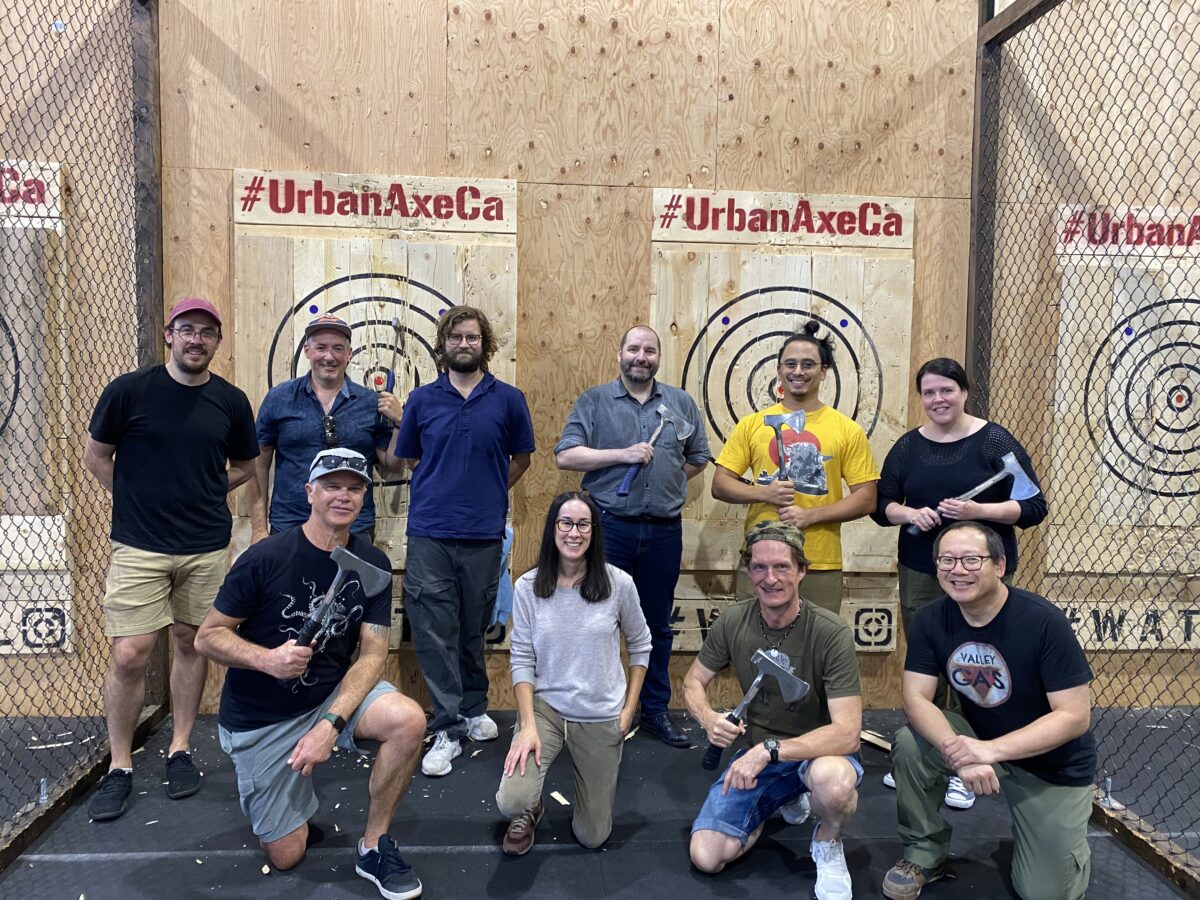
Join us in Vancouver on September 24th for our Offline Activity. We will be Axe Throwing – It’s like editing but you’re making cuts with dangerous heavy projectiles instead.

Vancouver Axe Throwing Event - Group photo
Offline Sponsors Banner

À propos de l'événement

24 septembre 2022

15h HAP

Urban Axe Throwing Vancouver

Catégories
Articles

Finalistes des prix de la GCR 2022

Finalistes des prix de la GCR 2022

2020 DGC Awards Banner Feature Image

Félicitations à nos membres CCE qui ont été nommés aux prix de la GCR.

Best Picture Editing – Documentary
  • Nick Hector, CCE – The Perfect Story
  • Sarah Peddie – Unloved: Huronia’s Forgotten Children
  • Lee Walker – The Long Rider
Best Picture Editing – Feature Film
  • Cam McLauchlin – Nightmare Alley
  • Jorge Weisz, CCE – Night Raiders
  • Christopher Donaldson, CCE – Crimes of the Future
  • Simone Smith – Slash/Back
Catégories
Articles

Le Festival international du film de l’Atlantique (FIN)

Le Festival international du film de l’Atlantique (FIN)

FIN 2022 Banner

Le CCE est un fier commanditaire du Festival international du film de l’Atlantique (FIN). Sarah Byrne est la monteuse de "BERNIE LANGILLE WANTS TO KNOW WHAT HAPPENED TO BERNIE LANGILLE'' et elle y a remporté le prix CCE du meilleur montage.

Catégories
Événements passés

Événements « Offline » partout au Canada: Edmonton

Événements « Offline » partout au Canada: Edmonton
18 septembre 2022

Cet événement a eu lieu le 18 septembre 2022.

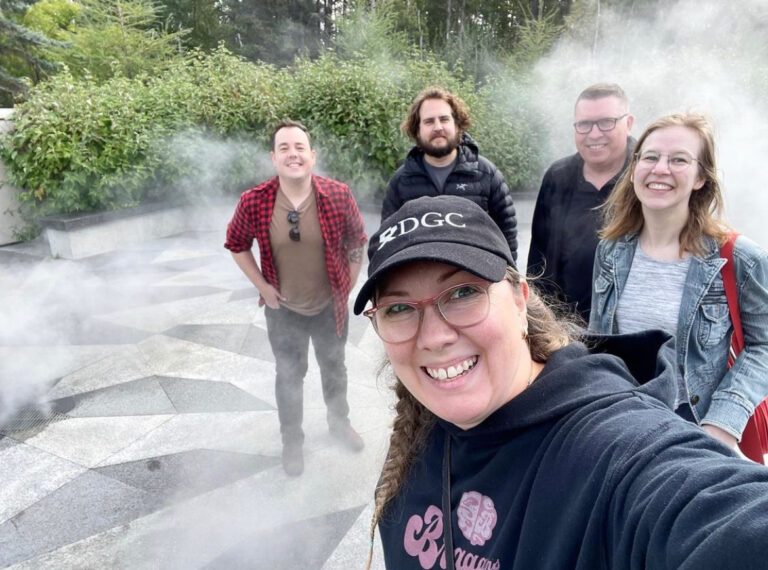
Rejoignez-nous à Edmonton le 18 septembre pour notre activité Offline. Nous irons marcher au Jardin botanique. Un léger goûter sera offert.

Edmonton Offline Event September 2022
Offline Sponsors Banner

À propos de l'événement

18 septembre 2022

11am MDT

Jardin botanique de l’Université de l’Alberta

Catégories
Événements passés

Événements « Offline » partout au Canada: Montréal

Événements « Offline » partout au Canada: Montréal
18 septembre 2022

Cet événement a eu lieu le 18 septembre 2022.

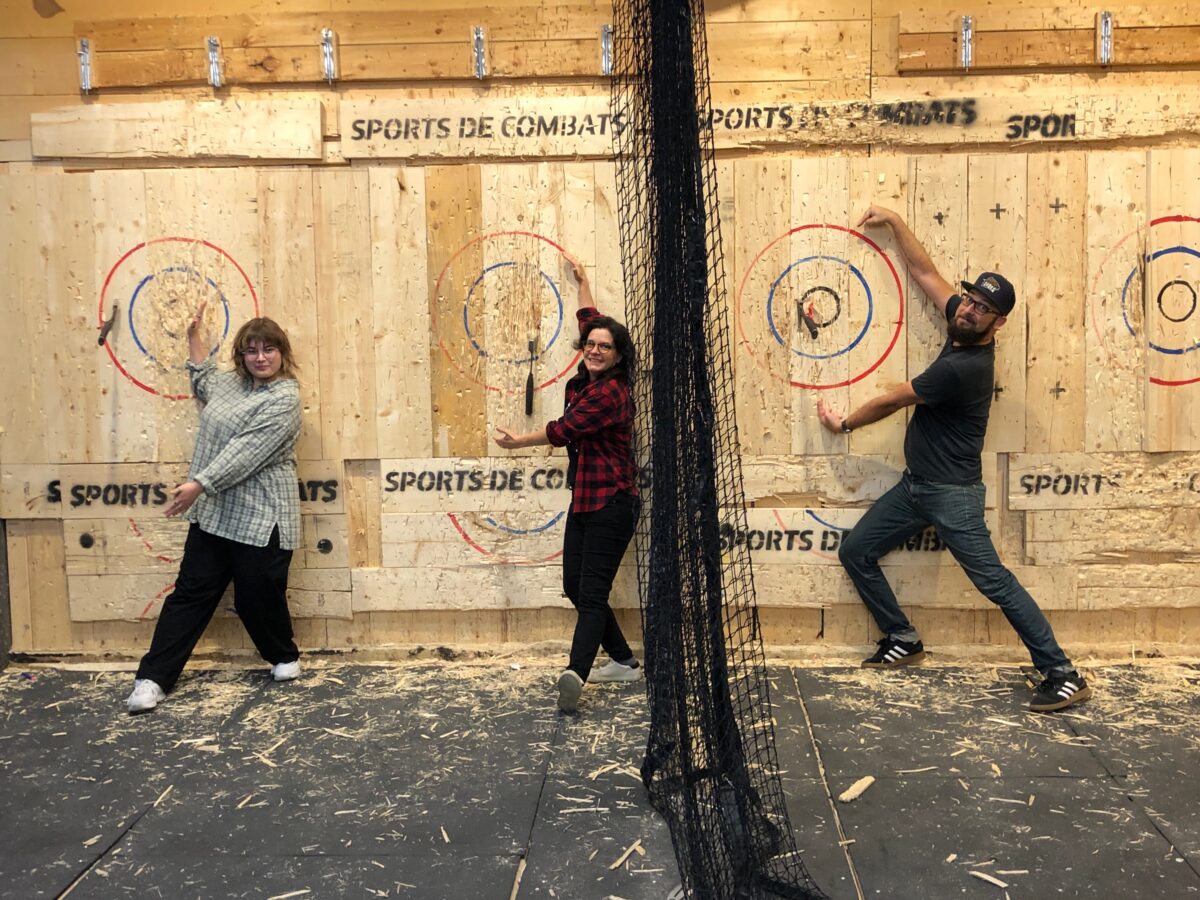
Join us in Montréal on September 18th for our Offline Activity. Grab your plaid shirt and challenge your gang to channel their inner lumberjacks with axes, knives, spears and more!

Montreal Offline 2022 Event - Weapons Throwing
Offline - September 2022 Montreal
Offline Sponsors Banner

À propos de l'événement

18 septembre 2022

11 HAP

Sports de Combat

Catégories
Événements passés

Événements « Offline » partout au Canada: Toronto

Événements « Offline » partout au Canada: Toronto
17 septembre 2022

Cet événement a eu lieu le 17 septembre 2022.

Rejoignez-nous à Toronto le 17 septembre pour notre activité Offline. Nous allons jouer au bowling!

Toronto Offline Event September 2022
Offline Sponsors Banner

À propos de l'événement

17 septembre 2022

19 h HAE

Shamrock Bowl

Catégories
The Editors Cut

Episode 067: In Conversation With Sophie Farkas Bolla

The Editors Cut - Episode 067 - In Conversation With Sophie Farkas Bolla

Episode 067: In Conversation with Sophie Farkas Bolla

Today's episode is the master series that took place virtually on June 5th 2021.

This episode is in conversation with Sophie Farkas Bolla (editor of BEANS and ROADS IN FEBRUARY). Moderated by Jessie Anthony (writer/director of BROTHER, I CRY), they discuss the ins and outs of editing the breakout film BEANS. Watch the film’s trailer here.

Inspired by true events, BEANS is about a Mohawk girl on the cusp of adolescence who must grow up fast and become her own kind of warrior during the armed stand-off known as the 1990 Oka Crisis. World Premiered at Toronto IFF 2020. Honored as One of Toronto IFF Canada’s Top 10

The Editors Cut - Episode 067 - In Conversation with Sophie Farkas Bolla

Sophie Farkas Bolla

Filmmaker and editor, Sophie Farkas Bolla was born in Montréal and started being involved in both visual and performing arts at a very young age. She attended Concordia University in Film Production and graduated in 2006. Soon after, she began working as a film editor while continuing to develop her own films. In 2009, she directed CHRONICLES BY THE OTHER, which enjoyed a good festival run. In 2012, she completed her second short entitled, ISTVAN AND THE FUR TROUT, a cinematic tale about growing up and disillusionment. WHEN MONSTERS WERE REAL (2015) is her third film and explores our fears from childhood. She is also writing her first features, NAGYPAPA, a dramatic comedy evolving in a charming, yet particular family and JULES AU PAYS D’ASHA a fable set in 1940’s Québec where imagination and reality collide. This film is in pre-production and will be shot this summer. When Sophie is not working on her own projects, she is also an editor and in 2018 she was nominated for an Iris awards for best documentary editing for P.S. JERUSALEM by Danae Elon (official selection TIFF and Berlin). Among the many fiction and documentary films that Sophie has edited, there is the award-winning ANTOINE (2009) by Laura Bari (Iris nomination), ANGRY INUK (2016) by Alethea Arnaquq-Baril (Audience award at HotDocs), MY DAUGHTER IS NOT FOR SALE (2017) by Anaïs Barbeau-Lavalette, ROADS IN FEBRUARY (2018) by Katherine Jerkovic (Best Canadian First Film Award, TIFF 2018) and most recently BEANS (2020) by Tracey Deer (TIFF, Berlinale) and THE GIG IS UP! (2021) by Shannon Walsh. Finally, Sophie was also a Filmmaker-Trainer for Wapikoni Mobile and accompanied many young people from Tobique First Nation in their creative journey, including Oqim Nicholas with his film AMONG THE FOREST (2018) (Award for best pan-Canadian student film at the FNC).

The Editors Cut - Episode 067 - In Conversation with Sophie Farkas Bolla

Jessie Anthony

Writer/Director/Producer Jessie Anthony is a proud Haudenosaunee woman from the Onondaga Nation, Beaver clan, born and raised on the Six Nations of the Grand River Territory in Ontario Canada. Jessie is a graduate of the Indigenous Independent Filmmaking Program and Bachelor of Motion Picture Arts Degree from Capilano University. Jessie is a Telefilm Talent to Watch winner for her first feature film titled “Brother, I Cry” which won the 2020 BC Emerging Filmmakers Award at the Vancouver International Film Festival and picked up the Audience Choice Award in the 2020 imagiNative Film Festival. She is currently in post-production with the series QUERENCIA which won the imagineNATIVE Pitch Competition, gaining a broadcast deal with APTN/The Bell Fund. Jessie has produced shorts funded by Telus Optik and BravoFact as well as many music videos. She was the first Assistant Director on The Edge of the Knife, co-directed by Helen Haig-Brown and Haida Artist, Gwaai Edenshaw. Jessie was a finalist at the MPPIA short film award competition, where she received an honourable mention. She directed the documentary Through My Needle, which follows a Mohawk designer and her family; exploring culture and clan through the beading and design of indigenous regalia. Jessie worked on the Girlfriends’ Guide to Divorce (NBC Universal), River of Silence (Telefilm), Going For Broke (Telus/Red Castle Films), Man in the High Castle (Amazon) and La Quinceanera (Lucha Gore -Time Warner) and many more. When Jessie isn’t working within film you can find her on her Facebook live feeds helping indigenous communities with healing and spiritual guidance.

À écouter ici !

The Editor’s Cut – Episode 067 – “Beans”

Sarah Taylor:
This episode is generously sponsored by IATSE Local 891 Integral Artists and the Vancouver Post Alliance.
Sophie Farkas Bolla:
When you’re an editor, you have the chance to tell them if you feel like something is not quite right and it’s better you tell them than a critic in the newspaper after. So if you tell them and they decide not to change them, that’s fine. Don’t take it personal. It’s their filmmaking, it’s their process. But it’s important to always say what you think, because in the end, you want to make the best possible movie.
Sarah Taylor:
Hello and welcome to the Editor’s Cut. I’m your host Sarah Taylor. We would like to point out that the lands on which we have created this podcast and that many of you may be listening to us from, are part of ancestral territory. It is important for all of us to deeply acknowledge that we are on ancestral territory that is long served as a place where Indigenous peoples have lived, met, and interacted. We honor, respect and recognize these nations that have never relinquished their rights or soverign authority over the lands and waters on which we stand today. We encourage you to reflect on the history of the land, the rich culture, the many contributions and the concerns that impact Indigenous individuals and communities. Land acknowledgements are the start to a deeper action.
Before we get started, I wanted to let you know that the CCE is proud to sponsor an Industry Week Panel at this year’s Calgary International Film Festival. Ethics of documentary filmmaking will be happening on September 24th at 11:00 AM. Join us in a conversation between editors and directors about the ethics of documentary filmmaking and the line we draw between truth and entertainment. Today, I bring to you the master series that took place virtually on June 5th, 2021, in conversation with Sophie Frankas Bolla, editor of Beans and Roads in February. This conversation was moderated by Jessie Anthony, writer, director of Brother, I Cry. They discussed the ins and outs of editing the breakout film, Beans.
Speaker 1:
And Action.
Action.
This is the Editor’s Cut.
A CCE-
Podcast.
Exploring.
Exploring.
Exploring…
The art…
Of picture editing.
Jessie Anthony:
[foreign language 00:02:04]. My name is Jessie Anthony. I’m from the Onondaga Nation Beaver Clan from Six Nations of the Grand River Territory in Ontario, Canada. I currently live, reside, work, play on the unseated territories of the Coast Salish peoples. And I am a filmmaker, and I am super, super excited to be here today with the editor of Beans, Sophie Farkas Bolla, welcome. I’m excited to dive into this, but before I do that, I’d love for you to just do introduction and let us know of some of the work that you’ve done and what brought you to Beans.
Sophie Farkas Bolla:
Absolutely. Yeah. So I studied films, I went to film school at Concordia University and I graduated in 2006. And ever since then I’ve been editing films. I’ve done both fiction and documentary. And so, I’ve been doing this for I’d say, well, almost 15 years now. And then, I always wanted to be a filmmaker and an editor. I love the editing process because I really feel it’s like the final step of a film, of the writing process, of the filmmaking process. It’s really the final step before it’s really… you can still change things, make the story a little better, make this, make that. It’s really… so that’s wonderful process to be part of, and to share with different directors. So one of the last films I edited was Beans. It was a great, great process, a great experience and really, really actually fun to work on.
Jessie Anthony:
And for those joining us, Beans, is a first featured debut… feature film by Tracey Deer that is a coming-of-age story surrounded around the historical event of the Oka Crisis. So I guess, my first question would be, because I really do want to dive into that relationship with the director. But first I’d like to jump into your first initial connection with the story. When you read the script, your first thoughts and I guess that interview process or how did you get the job?
Sophie Farkas Bolla:
How did I get the job? How did I get the job? Well first, how did I get the job? So I had edited the short film with the producer, [inaudible 00:04:23], a few years ago and it was a great experience. And so, when they were looking for someone for Beans, the producer thought that I should meet Tracey because she was like, “I think you would get along really well with Sophie.” So she sent me the script, I read it. And when I read the script, there was not a doubt in my mind that I wanted to edit this film.
The screenplay was so well written, it was a classic coming of age story, but it had such a powerful purpose and all the back story obviously, around the Oka Crisis, and it gave it just that much more. And so, I went to the interview and all I remember from the interview, it was two or three days before they started shooting. So it was very hectic in the production offices. And I think I just talked a lot about how I loved the project and how I thought we could work together and bring it to where she wanted it to go. And so, that’s how it went. And then a few weeks later she called, and she was like, “Let’s do this”. And I was like, “Wonderful.” So that’s how it happened, sort of, I guess.
Jessie Anthony:
Very cool. And did you have knowledge of Oka Crisis? Did you know a lot about that time in period and everything that had happened around Kahnawake and Kanesatake?
Sophie Farkas Bolla:
Well, I was young when it happened. I was seven-years old. At the time, when I thought about it, I was like, “What do I remember from that period?” And all I remember really, from that period was that the news, because I remember my parents always watching the news every day, there was the news. And it was this thing about the bridge. The bridge, the bridge was blocked, and it was mostly around the bridge. Obviously, I was seven years old, so I didn’t understand much. All I understand is that some people were upset, and they were blocking a bridge and it lasted the whole summer. For me, as a seven-year-old, that was the understanding I had of it. And the other funny thing was that, that summer, my mom had a cousin visiting from France and so, he thought it was very interesting that Indigenous people were blocking a bridge.
For him, it was very unheard of. And I remember his reaction more than anything else. This European man being a… very surprised by this situation. That’s what I remember as a seven-year-old. Obviously, I saw Alanis Obomsawin’s film probably, I don’t know, when I was in film school, had a very, very, very deep impact on me. And then I remembered me as a child thinking of how… of those few little things I remembered from that time. And yeah, so I would say that my… what I knew about that whole situation, from my memories as a seven-year-old and then seeing that film. And then having a chance to work with Indigenous filmmakers, also, talking about land claims and Indigenous rights and all of that. So by the time I got to Beans, I was very aware and very much wanted to be part of the process.
Jessie Anthony:
Wow. It’s an interesting situation to be on the other side of the bridge and then have this opportunity years later to sit collaboratively to tell this story. I got goosebumps thinking about it and I think that’s the most amazing thing about film work and collaboration and those sorts of things. So do you feel or think that those experiences helped you in that process when sitting with Tracey and with the material?
Sophie Farkas Bolla:
Yeah. I think so because I think Tracey is very much… I work with another filmmaker and a new filmmaker called, Alethea Arnaquq-Baril, in Angry Inuk, and I think her, and Tracey are very much want to help have more bridges between Indigenous and non-Indigenous. And to tell stories in ways that reach out to people in emotional ways so then that we can connect to the issues. And so, by the time I got to Beans, I had already done that process once and was totally on board with it. And felt it was really important that we can… I continue in that direction. Yeah.
Jessie Anthony:
That’s very cool. For me, I would love to dive into, I guess the editing process. That’s what we’re here to talk about. So I’d love to know that director, editor relationship. Anything you want to tell us or bring up or anything like that about that process would be really great.
Sophie Farkas Bolla:
So what we did on Beans is that… so Tracey finished the shoot and then she took a break, which I thought was great. Because while she was gone, I just dove into the material and watched everything. Watched everything, and I was seeing it from a fresh eye. Tracey wasn’t there to tell me what she thought. So I was really just getting my sense of what it was, because often directors are very emotionally attached to the material and then they remember on that day what went right, what went wrong, and they have all this emotional baggage with the material, which is 100% normal. But having nobody there, it just allowed me to have a fresh start and just see the material, see the footage for what it was. So I was able to make my own idea of what was working and better than not and what wasn’t working as well.
So I got to see everything. And then when Tracey came back from her holiday, she was all relaxed and she had taken time off and she had stepped away from the material. So she was really ready to dive in also with a fresh new perspective from the shoot. So what we did at the beginning is that I would assemble some scenes during the week and then, every Friday she would come and we would go through the scenes together. And then this is where we started collaborating. So we would go through the scenes, through the sequences, she would tell me, “Oh, my intention here was to do this. Or let’s do that, and let’s try this.” And so we would do that. So we did that for maybe, I would say, two months. And then, eventually, I’d gotten the whole sequences shot and we put the whole thing together and we watched it for the first time.
And so we had an assembly. And then from the assembly point on, we were spending much more time together. And so I would say Tracey was there almost every day or whenever, two days depending on what we were working on. Sometimes she would say, “Okay, we would work on the scene and then I would work on it by myself.” And then she would come back the next day and we’d watch it again and then we’d move on. So we did that until Christmas and then we had a Christmas break, which was great. So we took three weeks off and then we came back at the end of January and we just had another three weeks, and we just fine tuned the film until the end.
And I remember the day we finished this film, I think it was like midnight. We were in the cutting room, and we were like, “Okay, we are happy. We’ve gone through every single thing”. And the fine-tuning process was really great on that film because we really went deep into the performances. We really went to see how we could… how every single scene, every single sequences, how we could just really go get the perfect rhythm and create the film. So that’s how we worked with Tracey. So it was very collaborative, very collaborative.
Jessie Anthony:
I guess, with that being said, watching some of the scenes come to life and assemble. So initially, this clip is the family has left the reserve and they’ve gone into town to get some food, and ultimately the racism here shown hugely in terms of they’ve been kicked out of the store. So no supplies are coming in and no supplies… it’s hard to get supplies when they leave the reserve to go. How was it for you editing the scene and what was the intention in this scene? For me, I’ll say that moment that they’re walking out and everybody’s clapping and the edit back and forth between the main character and the cashier lady. Yeah, if you want to speak a little bit on that, that’d be really great.
Sophie Farkas Bolla:
I think it’s a great scene because there’s lots going on in that scene, actually. There’s the interaction with the mom’s friends with the cashier. And then there’s also what’s going on with Beans and her little sister and how this, benign grocery shopping thing, that we do every day, becomes really, really dramatic. So I think what we did is that we focused primarily on the main action, which was them behind the counter trying to negotiate to get the food. And what was really interesting about that scene is that Tracey didn’t want to just… she wanted to nuance it even though it’s really horrible what’s going on in the sense that… she wanted to nuance it in the sense that there’s the main cashier but then there’s the manager and the manager refuses to sell them the food. Yet, the younger cashier sees that this is not going to go well for Beans and her family, and she sees that they’re not going to get the food they need. And she sees Beans putting the little roll-ups in her bag and just letting her go with the food, anyways, she doesn’t tell on her.
So I felt that we had to sort of make sure that all the different lines were happening at the same time and that we got all of them. So I feel like in the end the overall impression is that it’s a terrible racist moment for Beans in their family. So I think that is the main impression that goes on, but yet the way the scene plays out, Tracey wrote it in a way so that there were still some subtleties and nuances, and it wasn’t just a blank racist moment, there was a lot going on.
Jessie Anthony:
Yeah. It’s a pretty powerful scene. I mean, here’s the thing about this movie, is that every single scene is so powerful and it’s constantly moving you forward, which is like, “Job well done, of course, it’s been very successful.” And is there a difference working with a director that is taking somebody else’s script and putting it together than more of a true event experience that the director has gone through? Can you tell that there’s a different connection with the director in the material when you’re going through the editing process?
Sophie Farkas Bolla:
You know, It’s interesting that you ask that, because for Tracey it’s obviously, so inspired from what she lived as a young girl. I’m trying to think of other fiction films. Roads in February, which I did a few years earlier is also a fiction film. But you know when directors write something, usually, it comes from them and usually there’s always something of them in the film. And so, in some ways it’s more direct than others. But for Tracey it was very obvious. But even Roads in February, it’s all about the director and her relationship to having immigrated and being from somewhere but living somewhere else. And so, I think even the character in that film is very much inspired by her even though it’s not a direct conversation that we had in the editing room. So I feel that like it’s always there and that ultimately when you write a script, you’re the one that has all the answers.
Jessie Anthony:
That’s true. Do you find that it’s harder for directors to, I guess, cut certain things, they really want to make it fit. How do we make it fit, but in the edit it’s just not fitting. Because there’s always the story that’s written or there’s the… the story that’s written, the story that’s shot and the story that’s edited, right?
Sophie Farkas Bolla:
Of course.
Jessie Anthony:
So initially, there’s always three stories to this. So when you’re in that editing process, have you come across, I guess, any directors where it’s been a real challenge and try to make it work but ultimately you have to make that-how do you have that discussion with the director?
Sophie Farkas Bolla:
I think it’s a process. I think it’s a long process. I think at the beginning of this… I always tried to remember how I felt the first time I watched the dailies, the rushes, because I feel like people that go to the movies, they see the thing for… they see the film for the first time and so that impression is what counts. And when you’re editing a movie, obviously you’re going over and over and over and over and over the stuff, so it’s hard. It’s really important to keep an emotional connection. But eventually, obviously, it’s hard because you just don’t have it anymore. But you have to trust that the one you had at the beginning is the right one. So I always try and remember exactly how I felt at the beginning, so I can just focus and move forward and make sure that we’re making the right decisions.
So early on in the process I’ll notice if something is working less than it should and I’ll address it right away with the director. I’ll just say, “Well I’m not sure this is working or maybe we will get it to work.” But I’ll usually say it early on in the process because I know that it takes time for directors sometimes to come to terms with this scene or that scene because they’re so attached to it and it’s super normal. So I say it early on and then I just let time go and eventually, I think it makes its way to the director. And eventually, by the end of the process, usually, those scenes have organically been removed from the film or edited or arranged differently. So it usually, happens pretty naturally. It just a process, you have to be patient.
Jessie Anthony:
Right. Patience is key.
Sophie Farkas Bolla:
And sometimes you’re wrong as an editor, sometimes you think, “Oh this is not it” but it’s not that scene that’s the problem, it’s another one that’s sort of similar. But then when you remove that one then the one that you felt was problematic ends up working. So it’s important to be really listening to the directors because they know the film more than anybody ever will and it’s important to listen to them, because sometimes you’ll realize, “Oh, my solution to this issue was not necessarily the right solution.” So it’s always important to know where we want to go and depending on the path we take, as long as we know where we’re going. If the path changes a little bit doesn’t matter, as long as we get to where we want to go at the end.
Jessie Anthony:
With that being said, do you prefer, having worked on my first feature film with an editor and not ever being taught how to communicate what’s in your head in a certain way with the edits. Is there certain things you like to see like references or I would say references or pictures or things of how a certain cut, maybe if they can articulate the type of cut they want. Is that something you invite into the editing room?
Sophie Farkas Bolla:
I feel like when there’s… I feel like I need to know what the director wants right from the start so we can go in the same direction. And so, usually, we’ll talk a lot about the film, what movies she likes as references and why, and what she was trying to do in this scene and if it worked, or if it didn’t work. Usually, you’ll see in the style of the way it was shot, what they’re trying to do with the scene. So I’ll look at the rushes and I’ll be like, “Oh I think I know what she wants to do there.” And so, I’ll go ahead and try to do that. Usually, if the intention is clear, then I see it right away. And then if it’s not clear then we talk about it. But we talk… there’s a lot of work before, we just talking about other films and what she was trying to do in this, and in this scene.
And usually, we manage to figure out what we want and what she wants. But it’s always finding the best way to communicate, that is the key to good editing, I find. And it always takes a week or two for me to understand that when Tracey uses this word, what she really means is this. And so, I have to just pay attention to what she’s saying and to be able to understand what she really means, because every director communicates in different ways. And so, I feel like it’s the editor’s job to translate what that means in editing terms and in editing language. And that’s why I have to do that, not theirs.
Jessie Anthony:
So do you have any advice for any first time feature editors or somebody who’s taking that leap into editing and working with a director, whether the director is inexperienced or experienced? Do you have any advice for those people?
Sophie Farkas Bolla:
Yeah. I think if you’re going to cut your first fiction film, the best thing you can do is really just, if you just talk with the director, try and understand what their vision is, what they’re trying to do and if you feel like you understand what their ultimate goal is, then just try and always work in that direction. That doesn’t mean don’t be critical of certain things. If you feel some scene or something is not working or the rhythm is off or there’s something, it’s important to say, but it’s always important to say in a way that’s constructive and that’s respectful. Because it takes time to see things in different ways and not the way you imagined it as a director.
So it’s important to always talk about it and just be open. Because ultimately, I think that when you’re an editor, you have the chance to tell them if you feel like something is not quite right. And it’s better you tell them than a critic in the newspaper after. So if you tell them and they decide not to change, that’s fine, ultimately. Don’t get upset about it. Don’t take it personal, it’s their filmmaking, their process. But it’s important to always say what you think because in the end you want to make the best possible movie.
Jessie Anthony:
Absolutely. Because I’m learning a lot in terms of being a director who has sat with an editor on my first feature, and I’m learning different ways of, “Okay, how do I communicate?” And I’m sure every movie is that learning experience, right? You’re going to get better at it. And I guess, what are some dos or don’ts, do you have… feel free to answer it, if not, we can pass on to my next question. But if there are some dos and don’ts in terms of, I guess, from an editor’s perspective, if I was coming in as a director, what are some dos or don’ts in the room?
Sophie Farkas Bolla:
Don’t ever take the mouse from the editor.
Jessie Anthony:
Oh my goodness.
Sophie Farkas Bolla:
Don’t ever take the mouse. I think that’s… unless you ask them, and they say yes or no problem. I feel like that’s a barrier that should not be crossed, because it’s a way… that’s a don’t, definite don’t for me. Don’t take the mouse. That’s my only don’t. I think anything else if you… I think this whole thing about not taking the mouse is also about communication. And if you can’t communicate what you’re trying to express is like, “Don’t take…” and your only way to communicate is to take the mouse from the editor. That’s not a good sign.

Jessie Anthony:
That’s a really good don’t. That is a very good don’t. Because you would never, hopefully, take a camera from a camera operator or the DP, right? So do not take the mouse. I do have a question here. (Audience Question): “Hi, Sophie. I’ve not seen the film yet. Very eager to finally watch it. I’m wondering if there were scenes in the film that had improvisations or if everything was scripted, how did you approach the improvised bits?” Good question.
Sophie Farkas Bolla:
Great question. Most of it was scripted. There is some scenes that were improvised… there’s one scene I can think about in the film, which was, it was one line in the script. That was basically, just before the SQ attacks the pines where, where the Mohawks were protecting their land. The little girls are in the cemetery in the pines and they’re picking up the golf balls, that they find in the cemetery, because it’s right next to a golf course. And so, it’s basically, one line in the script, it says, “Beans and her little sister are in the cemetery having fun in the woods. And then they find all these golf balls and they decide to pick them up.” So it’s basically, one line.
And so for that scene, Tracey just, she didn’t have a choreograph like, “Okay, you’re going to go here and you’re going to find these ball and then you’re going to go there.” It was just sort of, she just told the girls to do what they want and wanted it. And so, we had all this footage. It was shot on steady cam, so there was lots of footage. It was just a bit of a free, more like a documentary style shooting. And then, so I just looked at the whole… all the footage and I was like, “Okay.” And so I just cut it in an emotional way and then that was it. I was actually… one of the scenes that I cut once, and we never changed.
Jessie Anthony:
Oh wow.
Sophie Farkas Bolla:
Yeah. So Tracey saw it the first time and she was crying and she was like, “That’s good, let’s not change that.” And then we moved on. So that was a scene that was improvised, but there was no dialogue. Dialogue [inaudible 00:25:50], there was none in this film. It was all very much scripted.
Jessie Anthony:
Wow. Is that rare to have? Again, I can only go by what I’ve done in terms of what actors just go, have free range of it. Is it normal mostly, for things to be very on point scripted or do you tend to come across… I know you’ve done the doc that would be a little bit different. But with feature I guess scripted… yeah, do you find that often?
Sophie Farkas Bolla:
In the films that I’ve done, no. Most of them, I’ve always been very much scripted. There hasn’t really been any improv in the films. I think it’s because also of the shooting restrictions, they had a certain amount of days. And they didn’t necessarily have the luxury to just go on these big improv scenes and when you’re working… yeah, no. So the films that I’ve cut, I really haven’t had any improv except for that one scene, just saying. Documentary, there’s lots of that. It’s totally different approach, obviously.
Jessie Anthony:
The next question I have is from Jennifer. (Audience Question): “When you disagree about a scene and you offered solutions and the director is still passionate about their decision, what are some ways you navigate around that if you truly believe your decision as an editor is better than the course for the film?”
Sophie Farkas Bolla:
It happens a lot. I feel like we have to try it with, we have to try it without. We have to give it time and see how the film evolves because sometimes I’ll be like… early on I’ll be like, “I don’t think this scene is going to make it in the film,” but it’s too early for the director to actually agree with me. So I just let it pass. And we tried with and tried without and then eventually it will stay or not in the film. But I must say that it’s never happened to me ever that I was like, “This scene should not be in the film,” and it still is in the scene… in the movie, sorry. It’s never happened to me. So I think we always end up finding, either, I go with on the directors side or the director comes on my side and we always end up agreeing in the end if the process is done properly. Yeah.
Jessie Anthony:
Right. (Audience Question): “Hi, Sophie. Very excited to see the film. I feel like the beginning of the project is always the most daunting. How do you like to start your edit? You have the rushes organized in your bins, then what? Select reel, assemble scenes by scene, a full first cut right away, string outs by beats or by line or some other way?”
Sophie Farkas Bolla:
I watch everything and then I’ll just start by cutting a scene that I feel like cutting. I just want to make it fun. So I’ll just… usually, I’m by myself at that stage too. So I’ll just start with a theme that I feel like cutting and when I’m happy with it, then I move on to another one that I feel like cutting. And then eventually, I go through all of them. Start with something that’s fun that you feel like doing. Don’t start with the first one because it’s the first one and you feel you have to go in the chronological order. Don’t do that. Just start with something that you feel like.
Jessie Anthony:
Right. Do you normally cut to music? Do you temp music? Do you…
Sophie Farkas Bolla:
Yeah.
Jessie Anthony:
…Yeah?
Sophie Farkas Bolla:
Yeah, Yeah. I’ll cut it once without music, obviously. And then I feel like this needs music and then I’ll choose the music that I feel is appropriate with the director or without the director. And then, some directors have very clear ideas on the music they want and then others have no idea. So I suggest things and then we go from there.
Jessie Anthony:
There’s so many amazing scenes in this movie and one of the reasons I really connected to that is growing up on my territory, you know, Six Nations and growing up here and knowing that feeling that Beans is going through when it’s… your group of friends, because a lot of people who live on the same street as you, that’s the kids you grow up with. That’s the people you have around you. So what type of emotions or what type of conversation happened around this particular scene with Tracey?
Sophie Farkas Bolla:
I think what particular about that scene, honestly, it was a lot. We wanted to make them look like cool playing…We wanted them to be good playing lacrosse. So I remember that was… at the beginning of scene, they’re playing lacrosse just for fun and they’re sort of not too serious about it. And I felt like that was something that Tracey really, really wanted to have in the film, like just two girls playing lacrosse for fun, not like, because she felt that it was always, if you see girls in films doing sports, they’re always on soccer teams or it’s a sports film. And she was like, “No, girls hang out and do sports just for fun too.” So there was a lot of discussion about the lacrosse, actually.
And then just getting the timing to work, like teenagers talking and trying to get one’s attention versus the other one’s attention. And trying to relate to Beans, who sort of trying to fit in, who wants to fit in and not saying anything and not wanting to disappoint her friend because she’s sort of the one that’s letting her into this new group. So she doesn’t want to disappoint her, but she have to say something cool and she’s sort of intimidated by this guy and…
So we were just trying to convey all these emotions that Beans is going through in that scene once those guys show up. But even before that, when she burns the book because she wants to go to this other school and April is like, “No, you’re not going to stupid school.” So there’s all these conflicting emotions all the time in that scene. And I felt like Tracey really wanted to convey all these emotions. And also, just a general vibe of like kids growing up, like you said. I think that was something that just like all around the scene. It’s like the…
Jessie Anthony:
Very universal. Yeah.
Sophie Farkas Bolla:
Yeah. I think that’s what she really wanted. I think everybody relates to that. I think we’ve all been in more situations, similar situation when we’re growing up, when we just really want to be the new cool kid. We really want to be part of this new gang, and anybody can relate to that scene.
Jessie Anthony:
That’s very, very true. And I think that’s what makes it so lovely, so universal that I wish I could have seen this in the theater and had that collective experience of coming of age. Oh, so I do have another question here from Sophia. (Audience Question): “Hi, Sophie. How much are you referring to this script once you have already read it many times and are editing? Are you keeping that handy on your first pass and following order, direction or mainly watching, gathering and editing a scene based on instincts, emotions first?”
Sophie Farkas Bolla:
Yeah, I usually only read the script. I read the script once and then that’s it. Unless I’m mixed, that’s it. I mean I’ll never read it again honestly. Unless there’s a comprehension thing, like I don’t know, it’s written in another language or something like that. But otherwise, no, I just read it once. I have a general… I get that feeling of reading it once that was very strong in case of Beans. And then I just sort of bring that with me in the editing room and I just work from the new material. Because I don’t want to be influenced by something that was written and that doesn’t exist in the footage, which happens because obviously, all kinds of things happens on shoot. So I just try to work from the footage as the new material. And I don’t really go back to the script.
Jessie Anthony:
So do you work highly… do you work heavily off of script notes as well or the scripty notes?
Sophie Farkas Bolla:
Not really. I’ll look at the script notes, let’s say I’m by myself… let’s say when I’m screening the rushes for the first time and I feel really strong about one take for some reason, I’ll go to the script notes, especially, if the director’s not there, and I’ll go through the script note and see if in the script note that too was the best take for the director. Or if there’s something… if I feel really strong about a certain take, I like to go and validate that feeling just to see if I’m on the same wavelength as the director. So when I’m screening, I’ll go back to them.
And then the only other reason I’ll go back to is like the classic situation, you’re in the cutting room with the director and they’re like, “I’m sure we shot an insert shot of this.” And I’m like, “I never saw it. It’s not in the bin. Where is that shot?” And then we go back to the script notes and then we’re like, “It is in the script notes or it’s not in the script notes.” So sometimes, you think you did something, and you didn’t, and sometimes you did and it’s not there for some reason and then you have to go back in the footage and maybe the assistant editor didn’t put it there for some reason. Anyway, so then you go look hunting for clips that are not where it should be. And then that’s where I would go back to script notes. Honestly, I don’t really go back to them either for other reasons because then you’re working with the director. And…
Jessie Anthony:
Right. Well, we got a few minutes here left and would really… there was something we had talked about around the feelings, the feelings of the edits and what you were trying to portray, you and Tracey, with the images and the edits. So something really you unique and pretty cool about this film is that there’s actual archive footage, correct? That is throughout the film, and that propels the story forward or it helps you. I guess, I’ll have you dive more into this with the emotion. So if you want to talk about that a little bit and then we can show the final clip and answer any last questions before we call it a day.
Sophie Farkas Bolla:
Absolutely. So we cut from archival footage. There’s four moments in the film where there’s archival footage. Some of them are for context, some of them are to accentuate an emotion, something that we were trying to convey. So what we did for the archival footage is we looked at all this footage. I don’t remember how many. So we cut the film first with no archival. We didn’t have any of the archival. Once we had a first cut, we knew what we wanted to… how we wanted to use the archival and where we wanted to put it in the film. We had a big idea, but then it got really precise. So we looked at all the footage and then we sort of put them in on timelines where there was this emotion, this idea, this emotion, this idea. And then we went from there.
So interestingly enough, all the archival footage, except maybe for the first one, is really focused around one emotion that we were trying to convey, rather than making it like validate historically. I mean it does that, but we didn’t want to give information in those sequences because they were archival. We weren’t like, “We’re going to give information, we’re going to…” so we weren’t looking to do that. We were really more looking to bring out one emotion in this archival footage. And I think it works because it’s real. So then it just lifts everything up.
Jessie Anthony:
Yeah. It’s a very powerful clip. And then what comes after that as well is quite a interesting moment. And I’ll talk for myself, it’s very triggering. It’s very triggering and heartbreaking for me when I watch that, because it ignites a lot of anger and sadness.
Sophie Farkas Bolla:
Yeah. We were really trying to go for anger, and I think it was… it’s the most intense emotional archival sequence that we cut. We were going for anger and rage because there was just such a huge frustration in that moment, because the moments that follow after that was when the army decides to step in. And then the last one is a hopeful one, we tried to do something that was hopeful where people were trying to listen to each other, and some sort of hope was on the way. So there was anger, there was tension with the army. And then it was really hope at the end.
Jessie Anthony:
Well, I definitely bravo on the emotional parts of that because, especially, the beautiful transition when it ends to her coming into screen. It makes my heart stop, almost like a breath, right? The breath has been knocked out of me and I couldn’t imagine watching that footage over and over and over again. What kind of experience was that for you to be able to… and I guess maybe I’m not speaking for Tracey, but maybe just your experience with Tracey during some of this really triggering, reliving life experiences. How did you guys take care of each other or yourselves?
Sophie Farkas Bolla:
Yeah. I think… Well, the hardest scene in the film, and maybe, we can talk about that scene, is the rock throwing scene at Whiskey Point. So for those of you who haven’t seen the film, it’s basically, Beans, her mom and her little sister are leaving the community to go and stay outside in the hotel because it’s become too dangerous with the army. And they have to cross the bridge and on the other side of the bridge… so they open the bridge to let the people go. And on the other side of the bridge, there’s just these mobs of people that are frustrated and angry about the whole situation, and they just start throwing rocks at all the cars of all these families that are leaving. And it’s a really, really hard scene… it’s very difficult, but it was even more difficult to edit because that’s a moment that Tracey actually lived through when she was 12 years old.
So what we did to edit that scene is that I edited it once and then we would watch it and it was really hard for Tracey to watch those scenes because it was just brought her back to that moment. So we would watch it once and then we would talk about it and I would go on my own and recut it, and then maybe a week later we would rewatch it again. But we really… we spaced it out as much as we could.
We just took our time, we didn’t want to rush it because the first time Tracey watched it, obviously, she cried a lot and it was a very difficult moment. And you know I’m just there, obviously, it’s very emotional. So we just tried and listen to each other. And we knew it wasn’t going to be an easy moment, so we were just gentle with ourselves. Let’s just take the time we need, and it’ll take the time it takes. And that’s that’s how we approached it. So that was the hardest scene to cut in terms of emotion and because it was very intense. There’s a lot of intense scenes in that movie, the archival footage, but that one was the hardest.
Jessie Anthony:
And I just want to say what an incredible… to Tracey, an incredible film, to you for taking on this project, being able to be a part of that journey and capture it from your own lived experience, your own communication with the director. And I guess, for me, this is completely out of story context, but when you’re editing, what program do you like to use, and does it matter what program an editor uses?
Sophie Farkas Bolla:
I don’t think it matters. I think it’s just whatever the editor is comfortable with, that’s the most important thing. Everybody has a little, “I like this function in this program versus that program, they don’t have that function.” It’s like little things, but I can work with any really, basically. I work with Avid Premiere and recently I actually cut a film on Resolve, which was the first time, DaVinci Resolve, which was the first time I did that. So I’m really flexible. They all have their little pros and cons, but I think if I had a choice, I would say Avid. But they’re all fine, they’re all good. If somebody asks me, I’ll say Avid. If I don’t have, if it’s more complicated for whatever reason, I’m good with the other two. They all have pros and cons.
Jessie Anthony:
I want to say thank you so much for having this conversation with me. I think that sometimes the editing process… something I wish I knew as a first-time director was that, that it doesn’t stop after production. That you really have to dive and continue to dive in through all of the postproduction. And in film school, they don’t focus enough on postproduction, it’s just how to get your movie going, how to shoot it, and then that’s it. So…
Sophie Farkas Bolla:
We’ll fix it in post.
Jessie Anthony:
Yeah. Oh, that’s something like, “If we can do it on set, let’s do it on set.” But it’s so nice to have conversations like this to dive into, listen to, and understand some of that someone’s process in feature films. I’m sure editing docs and television are a different beast on their own, but in such an epic feature film, it’s beautiful. It’s absolutely beautiful. Congratulations. All of the success that it’s getting as well, it’s really great. Thank you, Sophie.
Sophie Farkas Bolla:
Thank you, Jessie.
Jessie Anthony:
Yes. It was a great conversation. And I hope that you enjoy the rest of your day.
Sophie Farkas Bolla:
Me too. Thank you so much.
Jessie Anthony:
Thanks everybody.
Sophie Farkas Bolla:
Bye.
Jessie Anthony:
Bye.
Sarah Taylor:
Thanks so much for joining us today, and a special thanks goes to Jane MacRae and Alison Dowler The main title, Sound Design was created by Jane Tattersall, ADR recording by Andrea Rush. Original music was created by Chad Blain and Soundstripe. This episode was mixed and mastered by Tony Bow. The CCE has been supporting Indspire, an organization that provides funding and scholarships for Indigenous postsecondary students.
We have a permanent portal on our website @cceditors.ca, or you can donate directly to indspire.ca, I-N-D-S-P-I-R-E.C-A. The CCE is taking steps to build a more equitable ecosystem within our industry, and we encourage our members to participate in any way they can. If you’ve enjoyed this podcast, please rate and review us on Apple Podcasts and tell your friends to tune in. Until next time, I’m your host, Sarah Taylor.
Speaker 2:
The CCE is a nonprofit organization with the goal of bettering the art and science of picture editing. If you wish to become a CCE member, please visit our website, www.cceditors.ca. Join our great community of Canadian editors for more related info.

Abonnez-vous là où vous écoutez vos balados

Que voulez-vous entendre sur L'art du montage?

Veuillez nous envoyer un courriel en mentionnant les sujets que vous aimeriez que nous abordions, ou les monteurs.euses dont vous aimeriez entendre parler, à :

Crédits

Un grand Merci à

Jane MacRae

Alison Dowler

Ryan Watson

Abeeshan Arulnesan

Hosted and Produced by

Sarah Taylor

Design sonore du générique d'ouverture

Jane Tattersall

ADR Recording by

Andrea Rusch

Mixé et masterisé par

Tony Bao

Musique originale par

Chad Blain

Soundstripe

Commandité par

IATSE Local 891, Integral Artists, and VPA

fr_CAFR

stay connected

Subscribe to our mailing list to
receive updates, news and offers

Aller au contenu