Auteur : Alison Dowler
Finalistes pour les prix Rosie 2024
- Auteur de l'article Par Alison Dowler
- Date de l’article 24 août, 2024
Finalistes pour les prix Rosie 2024
Félicitations à nos membres CCE qui ont été nomm.és aux prix Rosie.
Best Editor Scripted Under 30 Minutes
- Dean Evans – DEPARTMENT OF PARANORMAL AFFAIRS
Best Editor Scripted Over 30 Minutes
- Dean Evans – DARK MATCH
- Ken Filewych, CCE – HEARTLAND: UNKNOWN CALLER
- Ken Filewych, CCE – HOW WE ENDED US
- Sarah Taylor, CCE – HEY, VIKTOR!
Best Editor Documentary Under 30 Minutes
- Krystal Moss, Sarah Taylor, CCE (+1 editor) – PUSH: SEASON 2 “SQUIRREL STEW!
- Sarah Taylor, CCE & Blair Drover – PAIN AND OFFERING: ERIN
Best Editor Documentary Over 30 Minutes
- Hans Olson – SINGING BACK THE BUFFALO
- Krystal Moss – FIGHTING THROUGH THE FOG
- Sarah Taylor, CCE – MAKING KAYFABE
- Sarah Taylor, CCE – THE WOUNDS WITHIN: AN ENDOMETRIOSIS STORY
2024 Gémaux Award Nominees
- Auteur de l'article Par Alison Dowler
- Date de l’article 4 juillet, 2024
Congratulations to our CCE members who were nominated for a Gémeaux Award.
MEILLEUR MONTAGE : FICTION
- Isabelle Malenfant, CCE – SORCIÈRES « Épisode 8 »
MEILLEUR MONTAGE : TOUTES CATÉGORIES HORS FICTION
- Guillaume Marin – DRAGS, LES REINES DE LA POP
- Charles Boisseau (+6 monteurs) – LA SOIRÉE MAMMOUTH 2023
- Guillaume Marin (+1 monteur) – ON RAMASSERA DEMAIN « Épisode 4 »
MEILLEUR MONTAGE : ÉMISSION DOCUMENTAIRE OU AFFAIRES PUBLIQUES
- Guillaume Marin, (+1 monteur) – DANS UN CINÉMA PRÈS DE CHEZ VOUS
- Sophie Leblond (+1 monteur) – DESCHAMPS RACONTE YVON
TICKET SALES WILL END ON JUNE 7th, 2024. There are no tickets sold at the door, as all meals must be ordered in advance.
Finalistes et laurét.es des années précédentes
Winners: Greg Canning, Max Szentveri, Nicholas Shepard, Ryan Jobling & Leland Miller – THE SNOOPY SHOW: CHARLIE BROWN HITS A HOME RUN
Orion McCaw, Margaret Reid, Rob Smith, Matthew Innanen & Maddison Varas – SONIC PRIME: Ep 201 – AVOID THE VOID
Orion McCaw, Rob Smith & Matthew Innanen – STRAWBERRY SHORTCAKE’S PERFECT HOLIDAY
Ryan L. Smith – LAKE ERIE
Yvann Thibaudeau, CCE – MIRACULOUS LADYBUG
Commandité par: Annex Pro
WINNERs: Paul Hunter, CCE, Katie Tomchishen & Jason Pichonsky – SUPERBUNS: Ep 116 – C’MON CATERPILLAR
Gavin Ebedes & Ryan Mohammed – RUBBLE & CREW: Ep 120 – THE CREW & CHASE ARE ON THE CASE
Paul Hunter, CCE & Katie Tomchishen – NATURE CAT: Ep 508 – A LITTLE KELP FROM MY FRIENDS & MISSION TO MARS
Rachel Guergis, Bec Cranswick, Sophia Loffreda & Dean Hannas – SPIDEY AND HIS AMAZING FRIENDS: Ep 224 – STOLEN WEB-QUARTERS/SPIDEYS IN SPACE!
Commandité par: Les Monteurs et Monteuses de cinéma canadien
WINNER: Marie-Pier Dupuis – APRÈS-COUPS
Colin Waugh – ARTHUR ERICKSON’S DYDE HOUSE
Duncan Buchanan – THE LONG ROAD HOME
Jane MacRae – LOUD AND HERE
Kyle Gregory Sanderson – NINE EASY DANCES
Sponsored by: City of Toronto
winners: Ricardo Acosta, CCE & Mike Magidson – CHILDREN OF LAS BRISAS
Annie Leclair – GREYLAND
Eugene Weis – REVIVAL69: THE CONCERT THAT ROCKED THE WORLD
Greg Ng, CCE & Katie Chipperfield – I’M JUST HERE FOR THE RIOT
Xi Feng & Maxime Faure – CAITI BLUES
Sponsored by: Purple Dog Post Production Services
WINNER: Myriam Magassouba – FAIRE UN ENFANT
Amélie Labrèche – CHAT MORT
Anna Catley -THRIVING: A DISSOCIATED REVERIE
Christopher Malanchen – BORDERS
Graham Fortin – DEFINING HUMAN
Commandité par : Meridian Artists
WINNER: Steven Budd – DARK SIDE OF COMEDY: Ep 201 – ROBIN WILLIAMS
Andres Landau – THE NATURE OF THINGS: Ep 6210 – WAR FOR THE WOODS
Eamonn O’Connor, CCE – BLACK LIFE: UNTOLD STORIES: Ep 102 – REVOLUTION REMIX
Hart Snider – GRIZZLY REWILD: Ep 6208
Swapna Mella, CCE – STUFF THE BRITISH STOLE: Ep 101 – THE JEWEL OF DENIAL
Commandité par: Rolling Pictures
WINNER: Ben Allan – LESS THAN KOSHER: Ep 101 – THE SYNAGOGUE VIV HASN’T BEEN TO IN 15 YEARS
David Valiquette – VIVRE AVEC LA POLLUTION DE LA FONDERIE HORNE
Jake Lee – STREAMS FLOW FROM A RIVER: Ep 4 – BENNY AND THE JETS
Jean-Philippe Gagnon – NICO SE PRIVE DE SOMMEIL PENDANT 7 NUITS
Milena Salazar – GOVERNOR GENERAL’S AWARDS IN VISUAL AND MEDIA ARTS: PORTRAIT OF SHANNON WALSH
Commandité par: Les Monteurs et Monteuses de cinéma canadien
WINNER: Thomas Lieu – THE HARDY BOYS: Ep 302 – A VANISHING ACT
Courtney Goldman & Nathan Martinak – JANE: Ep 101 – URSUS MARITIMUS
Fabiola Caraza – THE POPULARITY PAPERS: Ep 108 – GHOST MORTEM
Gordon Rempel, CCE – MONSTER HIGH 2
Vesna Svilanovic, CCE – RUBY AND THE WELL: Ep 302 – I WISH I COULD STOP THIS MONSTER
Commanditée par: IATSE 891
WINNERS: Jeff Perry, Ryan Monteith, Curtis Rogers & Keisha Rose – BEST IN MINIATURE: Ep 208 – THE FINALE
Guillaume Marin – DRAGS, REINES DE LA POP
Jonathan Dowler, CCE – CANADA’S DRAG RACE: Ep 405 – SNATCH GAME
Lindsay Ragone – CANADA’S DRAG RACE: Ep 407 – FROM DRAGS TO RICHES: THE RUSICAL
Samantha Shields – HOME TOWN: Ep 703 – NEW-STALGIC RESTORATION
Sponsored by: RTR Media
winner: Justin Li – LUCKY HANK: Ep 105 – THE CLOCK
Charles Boisseau & David Bourbonnais – CLUB SOLY: Ep 301 – ART CONTEMPORAIN, CHAR ÉLECTRIQUE ET PUBS DE CHIPS
Drew MacLeod – LETTERKENNY: Ep 1206 – OVER AND OUT
Drew MacLeod – SHORESY: Ep 206 – ACCOUNTABILITY
Maureen Grant, CCE – SORT OF: Ep 306 – SORT OF HOSPITAL AGAI
Sponsored by: Vanguarde Artists Management
WINNER: Christopher Donaldson, CCE – FELLOW TRAVELERS: Ep101 – YOU’RE WONDERFUL
Louis-Philippe Rathé – DÉSOBÉIR – LE CHOIX DE CHANTALE DAIGLE: Ep 106 – LA SEULE PERSONNE À POUVOIR CHOISIR, C’EST MOI
Maxime Lahaie – LITTLE BIRD: Ep 104 – BURNING DOWN THE HOUSE
Myriam Coulombe – DÉSOBÉIR – LE CHOIX DE CHANTALE DAIGLE: Ep 104 TU SAIS BEN QUE ÇA SERA JAMAIS FINI
Myriam Coulombe – MÉGANTIC: Ep 104 BRYAN
Commandité par: DGC National
WINNER: Jonathan Eagan – THE CHANGELING: Ep 107 – STORMY WEATHER
David Di Francesco – VIRAGE: DOUBLE FAUTE: Ep 102 – PRÊT À TOUT
Geoff Ashenhurst, CCE & Hye Mee Na – THE CHANGELING: Ep 101 – FIRST COMES LOVE
Greg Ng, CCE, Roderick Deogrades, CCE & Maxime Lahaie – BONES OF CROWS: THE SERIES: Ep 102 – TO BE SEPERATED
Lisa Robison, CCE – FIREFLY LANE: Ep 213 – CAN’T FIGHT THAT FEELING
Commandité par: Take 5 Productions
Winner: Justin Oakey – THE KING TIDE
Jorge Weisz, CCE – SWEETLAND
Marie-Pier Dupuis, Dominique Fortin & Maxim Rheault – SOLO
Orlee Buium – NORTH OF NORMAL
Yvann Thibaudeau, CCE – DIS MOI POURQUOI CES CHOSES SONT SI BELLES
Sponsored by: Coma Edits
Amarylis Forget-Filion – KAYLA ET LA MER (Université du Québec à Montréal)
Emma Ormsby – OUR TIME (York University)
Samie Mc Nicoll – ÉCHO DU SILENCE (Université du Québec à Montréal)
Syed Rahman – ONE NIGHT ON OPEONGO (Humber College)
Zachari Desbiens-Leclerc – CLÉMENCE (Université du Québec à Montréal)
Commandité par: Insight Productions
Émilie Lemieux – LE PLONGEUR
Tara Robinson – BEACON 23
William Mitchell – HOME SWEET ROME
Commandité par: Matrx
Récipiendaires des prix hommage
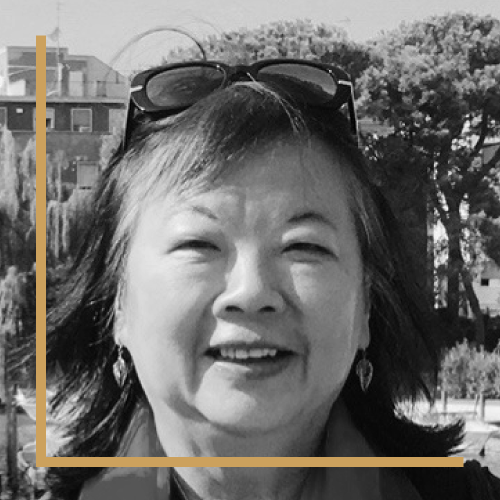
Born in Hong Kong, Mary’s family immigrated to Montreal in the 1970s where she graduated from Concordia University. Mary has been living in Paris since the 1980s but navigates between her home in France and work commitments in Canada, Asia, Australia and Africa.
Mary was French New Wave master Eric Rohmer’s chief editor for more than 30 years, starting as assistant to his then-chief-editor Cécile Décugis. When Cécile retired, Mary edited Rohmer’s WINTER’S TALE up to his last feature THE ROMANCE OF ASTREA AND CELADON, and many shorts in-between, collaborating occasionally on the films’ music.
In the last 2 decades, Mary has also been editing, associate-producing and consulting with fiction and documentary filmmakers all over the world. Some of the directors she worked with include Tiffany Hsiung, Michka Säal and Lixin Fan in Canada, Seren Yüce and Hüseyin Karabey in Turkey, Nicole Shafer in South Africa, Du Haibin, Lina Yang in mainland China, and Adam Wong, Jessie Tsang, Amos Wong and Ann Hui in Hong Kong. Mary’s own directorial works include VISION FROM THE EDGE : BREYTEN BREYTENBACK PAINTING THE LINES and THE MEMORY OF WATER. She is currently at work on her new film PALIMPSEST : TRACES OF A NAME, a co-production between 4 countries.
Mary est très engagée dans le mentorat et le soutien des jeunes cinéastes dans différents labs et forums. Elle participe souvent à des jurys de festivals et elle a été en nomination pour plusieurs prix pour meilleur montage. Elle est membre de l’Academy of Motion Picture Arts and Sciences et elle a été nommée Chevalier de l’Ordre des Arts et des Lettres par le ministère français de la Culture en 2018. L’an dernier, Mary a été la deuxième à remporter le prix Fire Horse au festival de films Reel Asian 2023.
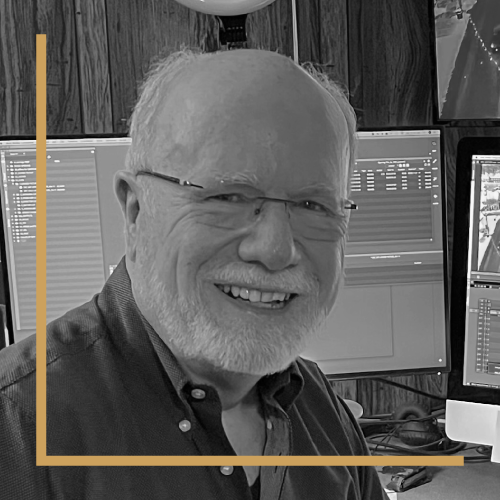
Gord McClellan, CCE, est un monteur de fiction et de documentaire depuis plus de 50 ans. Parmi les films qu’il a montés, plusieurs ont gagné des prix dont un Oscar, un Emmy, un Cable ACE (le prix Cable TV a plus tard été fusionné avec les Emmy), un Gemini et d’autres encore. Son travail a été vu sur ABC, A&E, BBC, CBC, CBS, CTV, Discovery, Disney, Disney XD, Global, Great American Family, Hallmark, HBO, Netflix, NBC, Nickelodeon, Paramount, Showcase, Showtime, Sony, Superchannel, TVO, W et Warner Brother.
Pendant deux décennies, Gord a monté des films et des vidéos, classant minutieusement et patiemment chaque photogramme des plans coupés, ou gérant les multiples générations d'images vidéo qui se dégradaient. Quand l’occasion s’est présentée, il a été heureux de pouvoir travailler avec les systèmes non-linéaires comme Lightworks et AVID au moment de leur arrivée en scène.
Parmi les hauts faits de sa carrière, on note les cinq premières saisons de THE FIFTH ESTATE, plusieurs collaborations avec le documentariste John Zaritsky, dont le film oscarisé JUST ANOTHER MISSING KID et le documentaire musical TEARS ARE NOT ENOUGH, mettant en vedette, entre autres, le producteur David Foster, Neil Young, Joni Mitchell, Bryan Adams, Geddy Lee et Gordon Lightfoot. Il a travaillé sur six saisons des CONTES D’AVONLEA, cinq longs métrages, deux miniséries et 31 téléfilms. Ces dernières années, son travail se concentre surtout sur des comédies romantiques, un genre qu’il affectionne beaucoup.
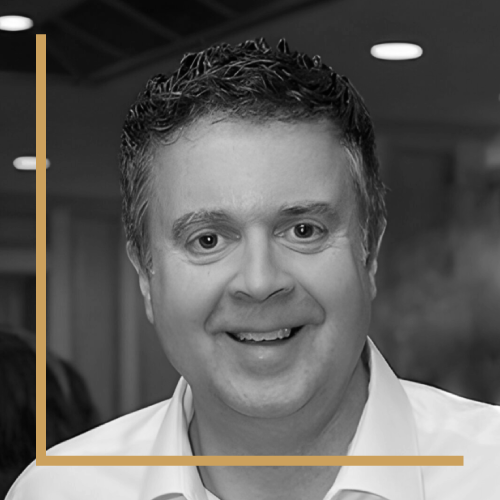
Don Thompson est un leader d’expérience dans l’industrie des médias et du divertissement, reconnu pour savoir mettre sa créativité et ses compétences techniques au service de la résolution de problèmes, du développement de talents, du réseautage et de la collaboration afin d’accélérer le développement.
With an entrepreneurial influence, he has helped found or inspire growth and change across a broad range of companies in Vancouver, Toronto and LA including Finale Post (now Picture Shop Vancouver), The Foundation Post (LA), Image Engine VFX (Vancouver), The Eyes Productions and Shooters Production Services (Vancouver & TO). His production experience includes work as an Editor, Post Supervisor, Producer/Director, and Videographer. Don’s creative credits include a wide range of feature, television, commercial, live sports and music, and cutting-edge documentary productions.
He is actively involved in the production community in Vancouver as Chair of the Vancouver Post Alliance (VPA) and board member of both the Motion Picture Production Industry Association of BC (MPPIA) and the Leo Awards, and frequently travels to LA for industry relations and marketing and sales initiatives with the major studios, networks and production companies. Don is passionate about seeing Canada’s production and post production community reach its full potential, and looks forward to continuing to contribute to the success of its talent, crews, production companies and facilities in the years ahead.
Célébrer les assistant·es-monteur·euses
Vous trouverez ici les noms des assistant·es-monteur·euses qui ont contribué aux projets en nomination cette année :
Mark Allison
Ezekiel Akintola
Francois Artacho
Sebastien Benoit
Alex Brueckner
Simon Box
Magnus Boyer
Todd Buttenham
Rob Chursinoff
Jesse Clarke
Amanda Colquhoun
Rémi De Amorim
Chantal De Brower
Teddy Freedman
Luis Freitas
Sariah Foskin
Varunraj Gandhi
Eve Garnier
Howard Hamilton
Victor Helwani
Catherine Hémond
Jeanne Hery
Michal Heuston
Mike T. King
Mina Kirolos
Bertrand Lalonde
Stephane Laveallée
Lawrence Le Lam
Lester Lubuguin
Dariun Lung
Chris MacLean
Alison MacMillan
Eric Metzloff
Will Mitchell
Sonya Mwambu
Ricardo Ochoa
Mélissa Paquet
Lisa Pham
Aidan Popiel
Thomas Rubillard
Emmanuel Sebban
Thomas Serres
Bailey Shakyaver
Adhiraj Singh
Anna Sofrygina
Andrew Solomon
Thomas Therrien
Kallan Treadwell
Petra Totten
Emmerek Vanleur
Alec Walker Smith
Philip Welch
Jeremy Winkels
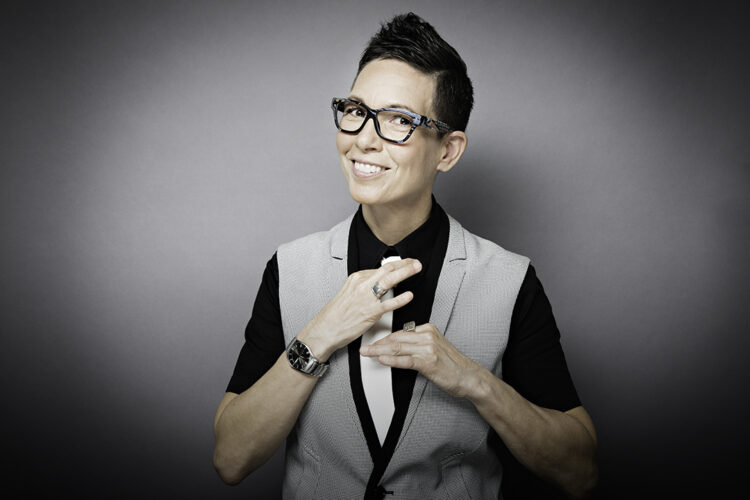
Notre animatrice Elvira Kurt

Icône iconoclaste de l'humour queer, Elvira Kurt a remporté plusieurs prix Écrans canadiens et un prix Canadian Comedy.
Here’s a partial list of her credits: DRINK MASTERS, THE SOCIAL, CANADA’S DRAG RACE, THE GREAT CANADIAN BAKING SHOW, CROSS COUNTRY CAKE OFF, WALL OF CHEFS, A CUT ABOVE, MASTERCHEF CANADA, POPCULTURED WITH ELVIRA KURT, SPIN OFF, BARONESS VON SKETCH SHOW, DEGRASSI: THE NEXT GENERATION, MISS PERSONA, STILL STANDING, THIS HOUR HAS 22 MINUTES, GAME ON, ETALK DAILY and ‘Q’ AND ‘Q.
Sans oublier des spectacles solo, des captations spéciales de stand-up, des apparitions dans des festivals, le prix du jury de Cannes courts métrages pour REEL WOMEN SEEN, qu’elle a écrit. En ce moment, elle a deux projets sur le feu: une collaboration avec Seth Rogen et sa propre sitcom, qui est en cours de développement. Oh oui, cette butch de porcelaine est très occupée!
Billets de tirage des prix CCE
Notre tirage annuel vous donne la chance de remporter les prix énumérés ci-dessous.
Le tirage aura lieu pendant la cérémonie.
Ryan Couldrey et Thomas Lieu
Jennifer Kidson, Marie-Pier Dupuis et Eamonn O'Connor, CCE
Drew MacLeod et Matthew Bush
Jennifer Kidson, Marie-Pier Dupuis et Eamonn O'Connor, CCE
Ehren Davis
2 x 1 claviers Davinci Resolve Speed Editor
Anna Catley et Adriane German
Guillaume Marin
Merci à nos commanditaires
Platine
Or
Argent
Bronze
Remerciements à nos comités et bénévoles :
Comité des prix CCE :
Lisa Binkley, CCE
Majda Drinnan
Craig Macintosh
Peter Hordylan
Lesley Mackay Hunter, CCE
Jane MacRae
Meagan McGraw
Jennifer Kidson
Brina Romanek
Remerciements à notre équipe CCE :
Responsable des opérations du CCE :
Alison Dowler
Coordonnatrice des communications :
Samantha Ling
- Étiquettes Les prix CCE
Episode 95 – The Porter With Dev Singh & Sandy Pereira
- Auteur de l'article Par Alison Dowler
- Date de l’article 11 juin, 2024
Episode 095 - The Porter With Dev Singh & Sandy Pereira
Series Sponsor:
Episode SponsorS:
Today’s episode is a master series that took place in Toronto on September 26th 2023.
It is an in-depth conversation with award-winning editors Dev Singh and Sandy Pereira, they discuss their work on the acclaimed CBC / BET+ historic drama series ‘The Porter’. The show won a record 12 Canadian Screen Awards in April of 2023, including the ‘Best Picture Editing in a Dramatic Program or Series’ award for Sandy, while Dev won the 2023 CCE ‘Best Editing in Drama’ award in May 2023.
This conversation was moderated by Craig Macintosh.
À écouter ici !
The Editor’s Cut – Episode 030 – “What is Anti-Oppression? With Tenniel Brown”
Sarah Taylor [00:00:01]
Hello and welcome to The Editor’s Cut. I’m your host Sarah Taylor. At the CCE, we began our journey of self education with Anti-Oppression training in 2019. It was invaluable for us as it provided us with tools to assess how we as an organization could set a course of action to root our unconscious and systematic bias in our operations. This training is now a permanent part of our budget so future board members and volunteers can continue this work, and equity can be part of the fabric of our organization. We are offering a Lunch and Learn Introduction To Anti Oppressive Communication with Tenniel Brown on July 27. Today I’m lucky to be able to sit down with Tenniel Brown and discuss what Anti-Oppressive training is and what we can expect from this webinar. Tenniel Brown is a passionate anti-racist anti oppression and mental health speaker dedicated to improving the experiences of marginalized people in all institutional settings. She is the founder of the Centre For Anti-Oppressive Communication which specializes in providing anti oppressive, trauma-informed counseling, clinical supervision and organizational consulting, as well as customized workshops training and team retreats. I’m joined with Tenniel Brown, she is the founder of the Centre For Anti-Oppressive Communication based in Toronto. And we just want to have a little conversation about why anti oppression work is important in this and all days but specifically right now. So can you just tell us a little bit about your background and why you started the Center For Anti-Oppressive Communication.
Tenniel Brown [00:01:41]
My background is as a psychotherapist. So I spent I’ve spent many many years working with individuals and couples and families and groups helping them to access more of their well-being by addressing different mental health issues specifically trauma. One of the things that I specialize in addressing is racialized trauma. But also trauma that comes from folks that have experienced different types of oppression. And I think for most people that are called to this type of work it’s quite personal for me right. So often when you don’t see the work that you know needs to happen in the community taking place you create it. And so that was me. You know I think I saw that there was a need for organizations to have somebody come in and not just talk about diversity inclusion but talk about what happens when certain identities have power and that unbalance of power and how to actually address that in our communication. I knew that out in the community there were therapists and social workers that were wanting to do better work. You know work in the best practice way with clients that are black, racialized, queer, and trans, and had nowhere to go to get supervision and support. And finally I knew personally that there were so many folks that when they were ready to do therapy work they needed to see someone sitting across the office that looked like them or had a very similar lived experience and they just were not going to come unless that was the case. So all these things I knew was happening and nobody was doing it. And I said someone’s got to do something and that was me. I think what needs to come out of what’s happened in June is for folks to see black professionals and black community in in the in sort of like the the brilliance of what we do and it’s not uncommon that in many cases where we don’t see ourselves we create it. So yeah that was the spirit of and I think that when I started the organization I knew that it was important for there to be a place where folks from those different backgrounds could come and get that support and information. So it’s a real passion of mine. It is my baby and it’s so beautiful to see folks wanting this information during this time.
Sarah Taylor [00:04:01]
Yeah so important. Can you tell us what Anti-Oppression means and what someone can expect by taking an anti oppressive workshop?
Tenniel Brown [00:04:10]
Sure absolutely. So when you sort of break down the word anti oppression anti oppressive practice we take a look at that anti part and essentially that that just means opposition to oppression and then the practice part. So AOP… the practice part pertains to the context in which you are practicing opposition to oppression. So you can apply an anti oppressive lens to just about anything. And I’ve had the opportunity to work with organizations like Pride Toronto and work with your curators to apply an anti-oppressive lens to the way they do event organizing. I have applied an anti oppressive lens to the way I do therapy and clinical supervision with other therapists. You can apply an anti oppressive lens to teaching. You can apply it to student advising, you can apply it to just about anything. I’ve been working with fitness professionals looking at applying an anti oppressive lens to the way that they support folks that are on their fitness journey. So so it’s about looking at whatever practice whatever context you are working in and using that platform to be able to oppose oppression and all of its forms. So that’s essentially what it is.
Sarah Taylor [00:05:29]
And so when someone takes courses like anti oppressive communication course or participates in your courses what can they expect to be talking about or learning?
Tenniel Brown [00:05:37]
Absolutely so I think one of the most important things is to sort of pull back a little bit of you know the cover on this because I think anti oppressive language is its own language. It’s like Spanish. And you see so many people getting themselves into some rather serious trouble these days because they actually don’t know the language they don’t understand… in some ways the harm of some of the things that they’re doing and saying the deep harm of that. You get a lot of people who don’t really know how to talk about these issues. And so you go into a shame spiral and you just don’t talk. You just get very quiet and I always argue that you know the silence piece is a part of how we got ourselves into this trouble as a human society in the first place. So what I offer is something for everybody. I think over the years what folks have said to me is is even somebody who’s maybe got a social work background and knows about anti oppressive practice when they come to one of my trainings they find that they are moved further along in their application of that perspective around “OK, well what does this mean when I’m interacting with somebody right here in a one on one context.” Other people that are completely brand new have never had the chance to learn any of this language or understand any of these concepts have said over the years that they felt like they left with a really good sense of what this topic is. But not just that practical skills. I’m all about practical skills. I want to offer things that folks can use tomorrow today and the next day and my mission is also for folks to leave his training and talk about it. Tell a friend, tell a colleague, tell a family member, and feel equipped to be able to engage in these conversations. So when someone is saying or doing something problematic, you have this confidence in the skills to be able to interpret what’s going on there and to be able to talk to them and to be able to address it. The other thing that I do is I couch everything that I do in my trainings in a self care and team care perspective. And I think this is very important. We have to look after our emotions. We have to look after ourselves and we have to look after each other. I always say you could be as anti oppressive as you want but if you haven’t had any lunch… if you haven’t eaten anything… you’re not good.
Sarah Taylor [00:07:57]
You’ve got the hangries!
Tenniel Brown [00:07:59]
Trust me, Anti-Oppressive work requires patience. It requires empathy. It requires compassion and self compassion. You will fall down a lot and I find you know and I talk a lot about cancel culture and don’t get me wrong really that could be its own podcast.
Sarah Taylor [00:08:19]
Totally. Especially in this industry.
Tenniel Brown [00:08:22]
Look we need to talk about this and I get why certain people are being canceled for sure. And yet as someone who does this work I recognize that I’m so thankful I wasn’t canceled because over the years I’ve done and said things before I knew before I took a course like this before I had an opportunity to learn what was problematic about my lens. I’m so thankful that I was able to make those mistakes in a safe environment and actually benefit from that and grow. So people get a safe environment to learn language and understand what is going on, what is oppression, if oppression is so bad why don’t we just stop this. Well I unpack that for folks. Why is this so complicated and why doesn’t this just stop. And then I provide practical skills for folks to be able to apply this to their lives and their communication. I think the other thing that I think folks get is not just sort of a general whatever, you’ll find that I’m really interested in applying it to film editors and what it is that you do on a regular basis and looking at how you can use your platform to be able to actually oppose oppression.
Sarah Taylor [00:09:31]
Yeah well it’s like it’s huge I know for myself we did anti oppression workshop as a board for the CCE. I’m in an interracial marriage and so I thought “Oh I know a lot.” Like I’ve been unpacking this stuff for a while and understanding in my own way. But also like kind of like how do I say it to my white uncle who is racist like how do I approach that. And by taking that one course, like you said I got so much more understanding of where people might come from and the language and I could approach it not by just being angry because anytime I’d hear anything I was like “You’re talking about my husband, you’re talking about my child! This is not OK!” And so it made a huge impact on me and I felt like I kind of knew some stuff but I realized that there was so much more to learn. And I think I’m still learning and it’s opened up even conversations I’ve had with my husband and my in-laws… and so I think people who are in my situation are like “no I’m cool I got I’m married to so-and-so or I have my best friend or whatever.” You grew up in your lens and there’s way more to learn and unpack.
Tenniel Brown [00:10:41]
Absolutely. Absolutely it’s so true. And I always say that absolutely positively nobody gets a pass on this.
Sarah Taylor [00:10:48]
100 percent.
Tenniel Brown [00:10:49]
At all. You know myself as someone who identifies as a black fem queer woman, you know folks would be like well you know you of course you couldn’t oppress. And it’s like yes we are all susceptible to experiencing oppression and we are all oppressors. So I have aspects of my identity that allow me to have privilege. And the thing about this is that if you’re not aware of those things that’s how you harm people that’s how you engage in micro aggressions. You know what I mean? That’s how you you know get striking up a conversation with someone about your latest renovation in your house when this person is still renting and doesn’t even have access. These are the types of things that you’re never protected from. Right. Like you’re not protected from that in a certain way. So it’s really important to remember that.
Sarah Taylor [00:11:40]
Where should someone start if they’re like feeling overwhelmed they’re like wow I know that I need to make this change. I’ve seen all this information now on social media and I’m saying all the wrong things and like you said I’m just going to be quiet which is not the right thing to do. So where do they go and what should they focus on first to just like get into this mindset of making these changes?
Tenniel Brown [00:12:02]
That’s a great question. And what I would say is education. Not a coincidence right? So of course you know joining with you know your organization to offer this to the community because I think that’s step number one. I think we do need to have good information about… you need to educate yourself. I would say that it’s a really important first step to really listen, and I find even when you have more information and you have more training it even improves the way that you can listen because what you find is when you don’t have that knowledge there’s certain things that are sort of prevent you from even being open. So I find the training and the skills and the confidence that you get from doing the course like this allows you to even listen deeper right and understand more and I think that that’s step number one. I think that once… but don’t stay there! Because I think a lot of people oh I’m listening but really it’s just their guilt and shame. So yeah they’re still not doing anything but once you’ve had the chance to listen you now can start thinking more about your platform and I think that’s one of the most important thing for your listeners to know that if it’s like well I’m not a social worker I’m not a therapist what’s this got to do with me it’s like it has everything to do with you. You have a platform as a film editor and it’s important for you to acknowledge that there are big ways and small ways that you can make a difference. And we all have a responsibility. What’s happened in this world since COVID what’s happened in this world since June is we can no longer close our eyes to this. We have to look at this and all the years that we have stayed silent on this has been what’s caused the problem. So the reality is is that we all are called to use our platform to be able to address this to look around the room and be like who isn’t here? To look around your history of the films that you and different projects you’ve been involved in and being like how many of these people, how many of these stories featured stories that were outside of what we usually see? Right. And looking at the ways that you can use your platform and your influence to be able to make a change, so we’re all called to do that I don’t care if you’re a child care worker or a housekeeper do some working at a gas station, it literally doesn’t matter we’re all a part of this human society. We all have some sort of platform and so we all have a responsibility to do something. You know Sarah one of my favorite slogans that’s come out of the protest is “Silence is Violence.” I love that one because I know what happens when people don’t have education and knowledge. They go into a shame cycle they go into a guilt cycle and they go into fear and you know what happens there? Shh. And you know what, that doesn’t help anybody at all. So I recognize that these are difficult things for us to unpack but we all have a responsibility to use whatever platform we have to make a difference. So starting by educating yourself, listening a lot, and then that’s going to help you to be more open to what you can do. And then looking at your platform whether that be personal or professional to make a change.
Sarah Taylor [00:15:20]
That was perfect. Yeah. That’s huge. And even since I took my training and even just since I’ve done my own inner work I noticed like I wouldn’t pick certain shots anymore or there’ll be things in my edit where I’m like “that’s a stereotype” or “No that’s not going to work. We can’t do that we can’t have that.” And so I think if everybody’s doing that then what we’re seeing on screen can start changing.
Tenniel Brown [00:15:45]
Absolutely. Absolutely and there’s these you know there’s there’s big ways and then there’s little ways like you describe. So it’s it is about really curating your lens, right and making sure that you’re seeing more and I think training like this just helps you to really open up your lens. So you’re not just seeing directly what’s in front of you work to the side of you but it’s more of like a panoramic view which you folks really need in the work that you do.
Sarah Taylor [00:16:09]
100 percent. Yeah. Well I hope that our membership joins us. I know we’ve already been getting people RSVPing which is very exciting. On July 27 2020 to learn and to unpack and to take part and just hopefully we can continue to do stuff with you and just keep educating and making the changes we can make.
Tenniel Brown [00:16:28]
Yeah. Join us. Join us. Don’t hesitate folks. Be a part of this. I’m really looking forward to working with everybody. And you know what we’re gonna have fun. I know these topics are really heavy but we’re gonna have some fun and we’re really going to connect with each other as a community so I look forward to meeting everybody at this training.
Sarah Taylor [00:16:46]
Thank you so much for taking the time to chat with me today and I look forward to seeing you on the 27th and continuing my journey. So thank you for doing this for us and thank you for sharing your knowledge and your experience with the world. So thank you so much.
Tenniel Brown [00:16:59]
You’re so welcome. Thanks for having me.
Sarah Taylor [00:17:03]
Thank you so much for joining us today. And a big thank you goes to Tenniel Brown and a special thanks to Maureen Grant and Jane MacRae. If you’d like to connect with Tenniel, you can find her on Instagram @TennielBrown. If you’d like to bring Tenniel into your organization to learn more about anti oppressive work, you can check out her website at brownconsulting.com. I look forward to learning more from Tenniel on July 27 2020 at the CCE Lunch and Learn I hope to see you there. The CCE has been supporting BIPOC TV and FILM. BIPOC TV and FILM is a grassroots organization and collective of black, indigenous, and people of colour in Canada’s TV and film industry. From writers, directors, producers, and actors, to editors, crew members, and executives. Their members are a mix of emerging, mid-level, and established industry professionals. BIPOC TV and FILM is dedicated to increasing the representation of BIPOC both in front and behind the camera. If you would like to donate to BIPOC TV and FILM please head to their website at bipoctvandfilm.com. The CCE is taking steps to build a more equitable ecosystem within our industry and we encourage our members to participate in any way they can.
The main title sound design was created by Jane Tattersall. Additional ADR recording by Andrea Rusch. Original music provided by Chad Blain. This episode was mixed and mastered by Tony Bao. If you’ve enjoyed this podcast, please rate and review us on Apple Podcasts and tell your friends to tune in. Til next time I’m your host Sarah Taylor.
Outtro
The CCE is a non-profit organization with the goal of bettering the art and science of picture editing. If you wish to become a CCE member please visit our website www.cceditors.ca. Join our great community of Canadian editors for more related info.
Abonnez-vous là où vous écoutez vos balados
Que voulez-vous entendre sur L'art du montage?
Veuillez nous envoyer un courriel en mentionnant les sujets que vous aimeriez que nous abordions, ou les monteurs.euses dont vous aimeriez entendre parler, à :
Crédits
Un grand Merci à
Alison Dowler
Kimberlee McTaggart, CCE
Hosted and Produced by
Sarah Taylor
Monté par
Mac Dale
Design sonore du générique d'ouverture
Jane Tattersall
ADR Recording by
Andrea Rusch
Mixé et masterisé par
Tony Bao
Musique originale par
Chad Blain
Sponsor Narration by
Paul Winestock
Commandité par
DGC Alberta
Annex Pro
IATSE 891
IATSE National
Cinema Public
Rolling Pictures
Finalistes pour les prix Leo 2024
- Auteur de l'article Par Alison Dowler
- Date de l’article 1 juin, 2024
Finalistes pour les prix Leo 2024
Félicitations à nos membres CCE qui ont été nommés pour les prix Leo.
BEST PICTURE EDITING: MUSIC, COMEDY OR VARIETY PROGRAM OR SERIES
- Lisa Robison, CCE – Animal Control – Birds and Foxes
- Lisa Binkley, CCE – Reginald the Vampire – We can be Heroes (Just for one day)
BEST PICTURE EDITING: DRAMATIC SERIES
- Greg Ng, CCE, Roderick Deogrades, CCE & Maxime Lahaie – Bones of Crows – To Be Separated
- Lisa Robison, CCE – Firefly Lane – Can’t Fight This Feeling
- Allan Lee, CCE – Wild Cards – Show Me the Murder
BEST PICTURE EDITING: MOTION PICTURE
- Sarah Trudelle – Wild Goat Surf
BEST PICTURE EDITING: TELEVISION MOVIE
- James Ilecic, CCE – 3 Bed, 2 Bath, 1 Ghost
- Jason Irvine – Aurora Teagarden Mysteries: Something New
- Gordon Rempel, CCE – Holiday Road
- Gordon Rempel, CCE – Monster High 2
BEST PICTURE EDITING: SHORT DRAMA
- Ashley Lynch – Obscura
BEST PICTURE EDITING: FEATURE LENGTH DOCUMENTARY
- Greg Ng, CCE (+1 editor) – I’m Just Here For The Riot
- Jessica Dymond – WaaPaKe (Tomorrow)
BEST PICTURE EDITING: SHORT DOCUMENTARY
- Erin Parks (+1 editor) – Doppelgangers: Face to Face
BEST PICTURE EDITING: DOCUMENTARY SERIES
- Jenypher Fisher, CCE – Our War – Watts & Drost
- Jenypher Fisher, CCE (+1 editor) – Our War – McLean & Hereford
- Jenypher Fisher, CCE (+1 editor) – Our War – Enjo & Vogel
Lauréat.es aux prix Écrans canadiens 2024
- Auteur de l'article Par Alison Dowler
- Date de l’article 1 juin, 2024
Lauréat.es aux prix Écrans canadiens 2024
Félicitations aux lauréat.es des prix Écrans canadiens !
Meilleur montage, drame
- Maxime Lahaie – Little Bird: Burning Down The House
Meilleure montage, humoristique
- Maureen Grant, CCE – Sort Of: Sort Of Hospital Again
Meilleur montage, émission ou série Web
- Maureen Grant, CCE – I Hate People, People Hate Me: Bad-Existing
Best Picture Editing, Children’s or Youth
- Lindsay Ragone – All-Round Champion: Arcathlon
Meilleur montage, téléréalité ou concours
- Jonathan Dowler, CCE – Canada’s Drag Race: Canada vs. The World: Grand Finale
Meilleur montage, documentaire
- Ashley Gilmour – Black Life: Untold Stories – Haven, But No Heaven
Meilleur montage dans un long métrage documentaire
- Anouk Deschênes – The Longest Goodbye
Le Victory Social Club en partenariat avec les Monteurs et Monteuses de cinéma canadien
- Auteur de l'article Par Alison Dowler
- Date de l’article 22 mai, 2024
- Aucun commentaire sur Victory Social Club in partnership with Canadian Cinema Editors
Cet événement a eu lieu le 22 mai 2024.
Presented in English / Atelier en anglais
Join us on Wednesday May 22nd for another casual mixer at Victory Social Club and an opportunity to connect with Toronto’s local community of editors. Share stories, challenges, work and get inspired.
Des rafraîchissements et des boissons seront fournis, veuillez apporter votre propre alcool.
À propos de l'événement
mai 2024
19 h HNE
Toronto
Cet événement a eu lieu le 13 mai 2024.
Presented in English / Atelier en anglais
Join us on May 13th for an in depth conversation with award winning editors Pauline Decroix, Maureen Grant, CCE and Ben Allan. We’ll talk about the art of crafting a great comedy web series in the edit, discussing their experiences editing HOW TO FAIL AS A POPSTAR, I HATE PEOPLE, PEOPLE HATE ME and LESS THAN KOSHER.
L’événement sera modéré par Craig Macintosh.
À visionner :
HOW TO FAIL AS A POPSTAR: CBC Gem
I HATE PEOPLE, PEOPLE HATE ME: CBC Gem
LESS THAN KOSHER: Highball TV
Les biographies suivantes sont uniquements rédigées dans la langue de présentation :
Maureen Grant, CCE, is an award-winning film and television editor based in Toronto. She takes pride in being part of projects that are changing and challenging onscreen representation. Her recent work in feature film includes director Molly McGlynn’s FITTING IN (SXSW ‘23, TIFF ‘23), and director V.T. Nayani’s THIS PLACE (TIFF ‘22). Television credits include STOLEN BY THEIR FATHER, (winner of 2022 DGC Awards Best Editing in Movies for Television and Mini-Series), SORT OF Season 3, and I HATE PEOPLE, PEOPLE HATE ME, for which she received 2024 Canadian Screen Award nominations in their respective categories.
Pauline Decroix is an award-winning Picture Editor based in Toronto with over 20 years of experience in both Canada and France. Since 2009, Pauline has made a name for herself on the Canadian scene. In 2020, Pauline received her first Canadian Screen Award for Best Editing on the documentary ON THE LINE. She recently wrapped working on a few TV series: a new Amazon TV series, BEYOND BLACK BEAUTY, a new CBC limited web series, HOW TO FAIL AS A POPSTAR, for which she was just nominated for Best Editing by the CSA, and finally on season 3 of SON OF A CRITCH.
Ben Lee Allan is a Toronto based editor originally from the U.K. He began by editing documentaries for BBC News. Since then, he has moved on to TV and features. Becoming a CFC graduate from the Editor Lab program of 2018. To date he has edited 10 features. Been nominated at the CCE for best editing for the short TIGRESS. He also cut the series LESS THAN KOSHER which has been nominated for numerous awards including best editing as for this years CSA’s. As well as winning Best series and Best Comedy at the TOW awards.
With Thanks to Our Sponsors:
À propos de l'événement
mai 2024
18h HNE
Toronto
Episode 094 – EditCon 2023: Vancouver Women in Post
- Auteur de l'article Par Alison Dowler
- Date de l’article 13 mai, 2024
Episode 94 - EditCon 2023: Vancouver Women in Post
Series Sponsor:
Episode Sponsor:
Today’s episode was part of EditCon 2023 that took place in Vancouver on February 25th.
Women in Post with Daria Ellerman, CCE (Editor: VIRGIN RIVER), Buket Biles (Post Coordinator: SNOWPIERCER) and Lisa Pham Flowers (Assistant Editor: FIREFLY LANE).
They talk with moderator Nicole Ratcliffe, CCE about remote workflows, the importance of communication and mentoring the next generation of Editors.
À écouter ici !
The Editor’s Cut – Episode 030 – “What is Anti-Oppression? With Tenniel Brown”
Sarah Taylor [00:00:01]
Hello and welcome to The Editor’s Cut. I’m your host Sarah Taylor. At the CCE, we began our journey of self education with Anti-Oppression training in 2019. It was invaluable for us as it provided us with tools to assess how we as an organization could set a course of action to root our unconscious and systematic bias in our operations. This training is now a permanent part of our budget so future board members and volunteers can continue this work, and equity can be part of the fabric of our organization. We are offering a Lunch and Learn Introduction To Anti Oppressive Communication with Tenniel Brown on July 27. Today I’m lucky to be able to sit down with Tenniel Brown and discuss what Anti-Oppressive training is and what we can expect from this webinar. Tenniel Brown is a passionate anti-racist anti oppression and mental health speaker dedicated to improving the experiences of marginalized people in all institutional settings. She is the founder of the Centre For Anti-Oppressive Communication which specializes in providing anti oppressive, trauma-informed counseling, clinical supervision and organizational consulting, as well as customized workshops training and team retreats. I’m joined with Tenniel Brown, she is the founder of the Centre For Anti-Oppressive Communication based in Toronto. And we just want to have a little conversation about why anti oppression work is important in this and all days but specifically right now. So can you just tell us a little bit about your background and why you started the Center For Anti-Oppressive Communication.
Tenniel Brown [00:01:41]
My background is as a psychotherapist. So I spent I’ve spent many many years working with individuals and couples and families and groups helping them to access more of their well-being by addressing different mental health issues specifically trauma. One of the things that I specialize in addressing is racialized trauma. But also trauma that comes from folks that have experienced different types of oppression. And I think for most people that are called to this type of work it’s quite personal for me right. So often when you don’t see the work that you know needs to happen in the community taking place you create it. And so that was me. You know I think I saw that there was a need for organizations to have somebody come in and not just talk about diversity inclusion but talk about what happens when certain identities have power and that unbalance of power and how to actually address that in our communication. I knew that out in the community there were therapists and social workers that were wanting to do better work. You know work in the best practice way with clients that are black, racialized, queer, and trans, and had nowhere to go to get supervision and support. And finally I knew personally that there were so many folks that when they were ready to do therapy work they needed to see someone sitting across the office that looked like them or had a very similar lived experience and they just were not going to come unless that was the case. So all these things I knew was happening and nobody was doing it. And I said someone’s got to do something and that was me. I think what needs to come out of what’s happened in June is for folks to see black professionals and black community in in the in sort of like the the brilliance of what we do and it’s not uncommon that in many cases where we don’t see ourselves we create it. So yeah that was the spirit of and I think that when I started the organization I knew that it was important for there to be a place where folks from those different backgrounds could come and get that support and information. So it’s a real passion of mine. It is my baby and it’s so beautiful to see folks wanting this information during this time.
Sarah Taylor [00:04:01]
Yeah so important. Can you tell us what Anti-Oppression means and what someone can expect by taking an anti oppressive workshop?
Tenniel Brown [00:04:10]
Sure absolutely. So when you sort of break down the word anti oppression anti oppressive practice we take a look at that anti part and essentially that that just means opposition to oppression and then the practice part. So AOP… the practice part pertains to the context in which you are practicing opposition to oppression. So you can apply an anti oppressive lens to just about anything. And I’ve had the opportunity to work with organizations like Pride Toronto and work with your curators to apply an anti-oppressive lens to the way they do event organizing. I have applied an anti oppressive lens to the way I do therapy and clinical supervision with other therapists. You can apply an anti oppressive lens to teaching. You can apply it to student advising, you can apply it to just about anything. I’ve been working with fitness professionals looking at applying an anti oppressive lens to the way that they support folks that are on their fitness journey. So so it’s about looking at whatever practice whatever context you are working in and using that platform to be able to oppose oppression and all of its forms. So that’s essentially what it is.
Sarah Taylor [00:05:29]
And so when someone takes courses like anti oppressive communication course or participates in your courses what can they expect to be talking about or learning?
Tenniel Brown [00:05:37]
Absolutely so I think one of the most important things is to sort of pull back a little bit of you know the cover on this because I think anti oppressive language is its own language. It’s like Spanish. And you see so many people getting themselves into some rather serious trouble these days because they actually don’t know the language they don’t understand… in some ways the harm of some of the things that they’re doing and saying the deep harm of that. You get a lot of people who don’t really know how to talk about these issues. And so you go into a shame spiral and you just don’t talk. You just get very quiet and I always argue that you know the silence piece is a part of how we got ourselves into this trouble as a human society in the first place. So what I offer is something for everybody. I think over the years what folks have said to me is is even somebody who’s maybe got a social work background and knows about anti oppressive practice when they come to one of my trainings they find that they are moved further along in their application of that perspective around “OK, well what does this mean when I’m interacting with somebody right here in a one on one context.” Other people that are completely brand new have never had the chance to learn any of this language or understand any of these concepts have said over the years that they felt like they left with a really good sense of what this topic is. But not just that practical skills. I’m all about practical skills. I want to offer things that folks can use tomorrow today and the next day and my mission is also for folks to leave his training and talk about it. Tell a friend, tell a colleague, tell a family member, and feel equipped to be able to engage in these conversations. So when someone is saying or doing something problematic, you have this confidence in the skills to be able to interpret what’s going on there and to be able to talk to them and to be able to address it. The other thing that I do is I couch everything that I do in my trainings in a self care and team care perspective. And I think this is very important. We have to look after our emotions. We have to look after ourselves and we have to look after each other. I always say you could be as anti oppressive as you want but if you haven’t had any lunch… if you haven’t eaten anything… you’re not good.
Sarah Taylor [00:07:57]
You’ve got the hangries!
Tenniel Brown [00:07:59]
Trust me, Anti-Oppressive work requires patience. It requires empathy. It requires compassion and self compassion. You will fall down a lot and I find you know and I talk a lot about cancel culture and don’t get me wrong really that could be its own podcast.
Sarah Taylor [00:08:19]
Totally. Especially in this industry.
Tenniel Brown [00:08:22]
Look we need to talk about this and I get why certain people are being canceled for sure. And yet as someone who does this work I recognize that I’m so thankful I wasn’t canceled because over the years I’ve done and said things before I knew before I took a course like this before I had an opportunity to learn what was problematic about my lens. I’m so thankful that I was able to make those mistakes in a safe environment and actually benefit from that and grow. So people get a safe environment to learn language and understand what is going on, what is oppression, if oppression is so bad why don’t we just stop this. Well I unpack that for folks. Why is this so complicated and why doesn’t this just stop. And then I provide practical skills for folks to be able to apply this to their lives and their communication. I think the other thing that I think folks get is not just sort of a general whatever, you’ll find that I’m really interested in applying it to film editors and what it is that you do on a regular basis and looking at how you can use your platform to be able to actually oppose oppression.
Sarah Taylor [00:09:31]
Yeah well it’s like it’s huge I know for myself we did anti oppression workshop as a board for the CCE. I’m in an interracial marriage and so I thought “Oh I know a lot.” Like I’ve been unpacking this stuff for a while and understanding in my own way. But also like kind of like how do I say it to my white uncle who is racist like how do I approach that. And by taking that one course, like you said I got so much more understanding of where people might come from and the language and I could approach it not by just being angry because anytime I’d hear anything I was like “You’re talking about my husband, you’re talking about my child! This is not OK!” And so it made a huge impact on me and I felt like I kind of knew some stuff but I realized that there was so much more to learn. And I think I’m still learning and it’s opened up even conversations I’ve had with my husband and my in-laws… and so I think people who are in my situation are like “no I’m cool I got I’m married to so-and-so or I have my best friend or whatever.” You grew up in your lens and there’s way more to learn and unpack.
Tenniel Brown [00:10:41]
Absolutely. Absolutely it’s so true. And I always say that absolutely positively nobody gets a pass on this.
Sarah Taylor [00:10:48]
100 percent.
Tenniel Brown [00:10:49]
At all. You know myself as someone who identifies as a black fem queer woman, you know folks would be like well you know you of course you couldn’t oppress. And it’s like yes we are all susceptible to experiencing oppression and we are all oppressors. So I have aspects of my identity that allow me to have privilege. And the thing about this is that if you’re not aware of those things that’s how you harm people that’s how you engage in micro aggressions. You know what I mean? That’s how you you know get striking up a conversation with someone about your latest renovation in your house when this person is still renting and doesn’t even have access. These are the types of things that you’re never protected from. Right. Like you’re not protected from that in a certain way. So it’s really important to remember that.
Sarah Taylor [00:11:40]
Where should someone start if they’re like feeling overwhelmed they’re like wow I know that I need to make this change. I’ve seen all this information now on social media and I’m saying all the wrong things and like you said I’m just going to be quiet which is not the right thing to do. So where do they go and what should they focus on first to just like get into this mindset of making these changes?
Tenniel Brown [00:12:02]
That’s a great question. And what I would say is education. Not a coincidence right? So of course you know joining with you know your organization to offer this to the community because I think that’s step number one. I think we do need to have good information about… you need to educate yourself. I would say that it’s a really important first step to really listen, and I find even when you have more information and you have more training it even improves the way that you can listen because what you find is when you don’t have that knowledge there’s certain things that are sort of prevent you from even being open. So I find the training and the skills and the confidence that you get from doing the course like this allows you to even listen deeper right and understand more and I think that that’s step number one. I think that once… but don’t stay there! Because I think a lot of people oh I’m listening but really it’s just their guilt and shame. So yeah they’re still not doing anything but once you’ve had the chance to listen you now can start thinking more about your platform and I think that’s one of the most important thing for your listeners to know that if it’s like well I’m not a social worker I’m not a therapist what’s this got to do with me it’s like it has everything to do with you. You have a platform as a film editor and it’s important for you to acknowledge that there are big ways and small ways that you can make a difference. And we all have a responsibility. What’s happened in this world since COVID what’s happened in this world since June is we can no longer close our eyes to this. We have to look at this and all the years that we have stayed silent on this has been what’s caused the problem. So the reality is is that we all are called to use our platform to be able to address this to look around the room and be like who isn’t here? To look around your history of the films that you and different projects you’ve been involved in and being like how many of these people, how many of these stories featured stories that were outside of what we usually see? Right. And looking at the ways that you can use your platform and your influence to be able to make a change, so we’re all called to do that I don’t care if you’re a child care worker or a housekeeper do some working at a gas station, it literally doesn’t matter we’re all a part of this human society. We all have some sort of platform and so we all have a responsibility to do something. You know Sarah one of my favorite slogans that’s come out of the protest is “Silence is Violence.” I love that one because I know what happens when people don’t have education and knowledge. They go into a shame cycle they go into a guilt cycle and they go into fear and you know what happens there? Shh. And you know what, that doesn’t help anybody at all. So I recognize that these are difficult things for us to unpack but we all have a responsibility to use whatever platform we have to make a difference. So starting by educating yourself, listening a lot, and then that’s going to help you to be more open to what you can do. And then looking at your platform whether that be personal or professional to make a change.
Sarah Taylor [00:15:20]
That was perfect. Yeah. That’s huge. And even since I took my training and even just since I’ve done my own inner work I noticed like I wouldn’t pick certain shots anymore or there’ll be things in my edit where I’m like “that’s a stereotype” or “No that’s not going to work. We can’t do that we can’t have that.” And so I think if everybody’s doing that then what we’re seeing on screen can start changing.
Tenniel Brown [00:15:45]
Absolutely. Absolutely and there’s these you know there’s there’s big ways and then there’s little ways like you describe. So it’s it is about really curating your lens, right and making sure that you’re seeing more and I think training like this just helps you to really open up your lens. So you’re not just seeing directly what’s in front of you work to the side of you but it’s more of like a panoramic view which you folks really need in the work that you do.
Sarah Taylor [00:16:09]
100 percent. Yeah. Well I hope that our membership joins us. I know we’ve already been getting people RSVPing which is very exciting. On July 27 2020 to learn and to unpack and to take part and just hopefully we can continue to do stuff with you and just keep educating and making the changes we can make.
Tenniel Brown [00:16:28]
Yeah. Join us. Join us. Don’t hesitate folks. Be a part of this. I’m really looking forward to working with everybody. And you know what we’re gonna have fun. I know these topics are really heavy but we’re gonna have some fun and we’re really going to connect with each other as a community so I look forward to meeting everybody at this training.
Sarah Taylor [00:16:46]
Thank you so much for taking the time to chat with me today and I look forward to seeing you on the 27th and continuing my journey. So thank you for doing this for us and thank you for sharing your knowledge and your experience with the world. So thank you so much.
Tenniel Brown [00:16:59]
You’re so welcome. Thanks for having me.
Sarah Taylor [00:17:03]
Thank you so much for joining us today. And a big thank you goes to Tenniel Brown and a special thanks to Maureen Grant and Jane MacRae. If you’d like to connect with Tenniel, you can find her on Instagram @TennielBrown. If you’d like to bring Tenniel into your organization to learn more about anti oppressive work, you can check out her website at brownconsulting.com. I look forward to learning more from Tenniel on July 27 2020 at the CCE Lunch and Learn I hope to see you there. The CCE has been supporting BIPOC TV and FILM. BIPOC TV and FILM is a grassroots organization and collective of black, indigenous, and people of colour in Canada’s TV and film industry. From writers, directors, producers, and actors, to editors, crew members, and executives. Their members are a mix of emerging, mid-level, and established industry professionals. BIPOC TV and FILM is dedicated to increasing the representation of BIPOC both in front and behind the camera. If you would like to donate to BIPOC TV and FILM please head to their website at bipoctvandfilm.com. The CCE is taking steps to build a more equitable ecosystem within our industry and we encourage our members to participate in any way they can.
The main title sound design was created by Jane Tattersall. Additional ADR recording by Andrea Rusch. Original music provided by Chad Blain. This episode was mixed and mastered by Tony Bao. If you’ve enjoyed this podcast, please rate and review us on Apple Podcasts and tell your friends to tune in. Til next time I’m your host Sarah Taylor.
Outtro
The CCE is a non-profit organization with the goal of bettering the art and science of picture editing. If you wish to become a CCE member please visit our website www.cceditors.ca. Join our great community of Canadian editors for more related info.
Abonnez-vous là où vous écoutez vos balados
Que voulez-vous entendre sur L'art du montage?
Veuillez nous envoyer un courriel en mentionnant les sujets que vous aimeriez que nous abordions, ou les monteurs.euses dont vous aimeriez entendre parler, à :
Crédits
Un grand Merci à
Alison Dowler
Kimberlee McTaggart, CCE
Hosted and Produced by
Sarah Taylor
Design sonore du générique d'ouverture
Jane Tattersall
ADR Recording by
Andrea Rusch
Mixé et masterisé par
Tony Bao
Musique originale par
Chad Blain
Sponsor Narration by
Paul Winestock
Commandité par