
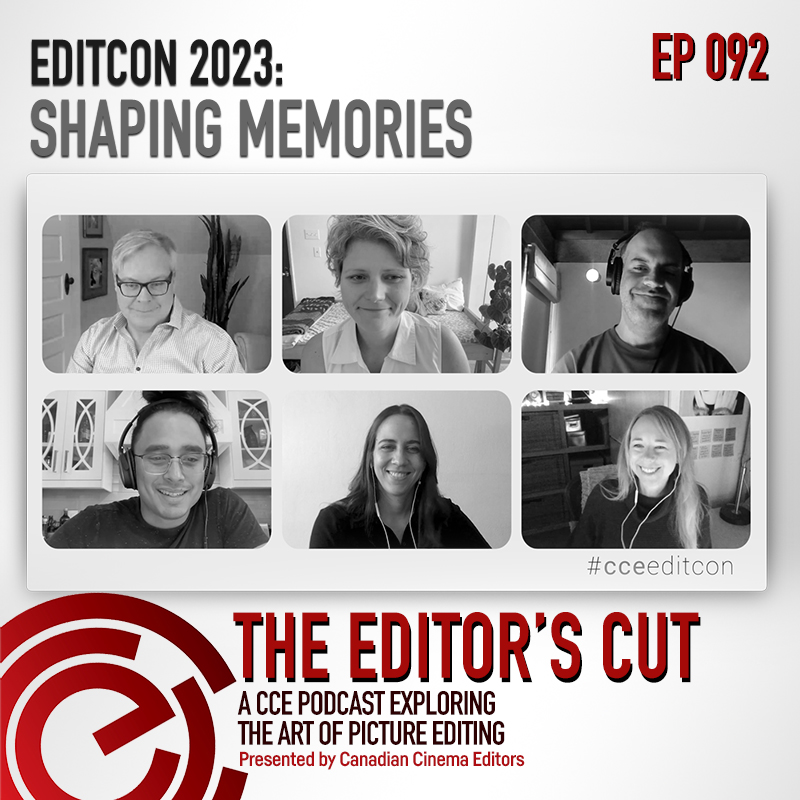
Episode 092 - EditCon 2023: Shaping Memories
Series Sponsor:

Episode Sponsor:

Documentary has the power and versatility in exploring urgent social subject matters, yet it can also embrace an intimate first-person narrative, or even become an experimentation of cinematic craftsmanship.
In this episode we invited the editors from three critically acclaimed Canadian documentaries. Whether it’s the sensory and cinematic collaboration between a filmmaker and a naturalist on Sable Island (GEOGRAPHIES OF SOLITUDE), the eye-opening testimony from the Coloured Hockey League about the untold history of racism in ice hockey (BLACK ICE) or the heart-wrenching revisit of her older brother’s death in BACK HOME, each of these films was made with powerful bravery and is sublime in its own way.
Listen Here
The Editor’s Cut – Episode 030 – “What is Anti-Oppression? With Tenniel Brown”
Sarah Taylor [00:00:01]
Hello and welcome to The Editor’s Cut. I’m your host Sarah Taylor. At the CCE, we began our journey of self education with Anti-Oppression training in 2019. It was invaluable for us as it provided us with tools to assess how we as an organization could set a course of action to root our unconscious and systematic bias in our operations. This training is now a permanent part of our budget so future board members and volunteers can continue this work, and equity can be part of the fabric of our organization. We are offering a Lunch and Learn Introduction To Anti Oppressive Communication with Tenniel Brown on July 27. Today I’m lucky to be able to sit down with Tenniel Brown and discuss what Anti-Oppressive training is and what we can expect from this webinar. Tenniel Brown is a passionate anti-racist anti oppression and mental health speaker dedicated to improving the experiences of marginalized people in all institutional settings. She is the founder of the Centre For Anti-Oppressive Communication which specializes in providing anti oppressive, trauma-informed counseling, clinical supervision and organizational consulting, as well as customized workshops training and team retreats. I’m joined with Tenniel Brown, she is the founder of the Centre For Anti-Oppressive Communication based in Toronto. And we just want to have a little conversation about why anti oppression work is important in this and all days but specifically right now. So can you just tell us a little bit about your background and why you started the Center For Anti-Oppressive Communication.
Tenniel Brown [00:01:41]
My background is as a psychotherapist. So I spent I’ve spent many many years working with individuals and couples and families and groups helping them to access more of their well-being by addressing different mental health issues specifically trauma. One of the things that I specialize in addressing is racialized trauma. But also trauma that comes from folks that have experienced different types of oppression. And I think for most people that are called to this type of work it’s quite personal for me right. So often when you don’t see the work that you know needs to happen in the community taking place you create it. And so that was me. You know I think I saw that there was a need for organizations to have somebody come in and not just talk about diversity inclusion but talk about what happens when certain identities have power and that unbalance of power and how to actually address that in our communication. I knew that out in the community there were therapists and social workers that were wanting to do better work. You know work in the best practice way with clients that are black, racialized, queer, and trans, and had nowhere to go to get supervision and support. And finally I knew personally that there were so many folks that when they were ready to do therapy work they needed to see someone sitting across the office that looked like them or had a very similar lived experience and they just were not going to come unless that was the case. So all these things I knew was happening and nobody was doing it. And I said someone’s got to do something and that was me. I think what needs to come out of what’s happened in June is for folks to see black professionals and black community in in the in sort of like the the brilliance of what we do and it’s not uncommon that in many cases where we don’t see ourselves we create it. So yeah that was the spirit of and I think that when I started the organization I knew that it was important for there to be a place where folks from those different backgrounds could come and get that support and information. So it’s a real passion of mine. It is my baby and it’s so beautiful to see folks wanting this information during this time.
Sarah Taylor [00:04:01]
Yeah so important. Can you tell us what Anti-Oppression means and what someone can expect by taking an anti oppressive workshop?
Tenniel Brown [00:04:10]
Sure absolutely. So when you sort of break down the word anti oppression anti oppressive practice we take a look at that anti part and essentially that that just means opposition to oppression and then the practice part. So AOP… the practice part pertains to the context in which you are practicing opposition to oppression. So you can apply an anti oppressive lens to just about anything. And I’ve had the opportunity to work with organizations like Pride Toronto and work with your curators to apply an anti-oppressive lens to the way they do event organizing. I have applied an anti oppressive lens to the way I do therapy and clinical supervision with other therapists. You can apply an anti oppressive lens to teaching. You can apply it to student advising, you can apply it to just about anything. I’ve been working with fitness professionals looking at applying an anti oppressive lens to the way that they support folks that are on their fitness journey. So so it’s about looking at whatever practice whatever context you are working in and using that platform to be able to oppose oppression and all of its forms. So that’s essentially what it is.
Sarah Taylor [00:05:29]
And so when someone takes courses like anti oppressive communication course or participates in your courses what can they expect to be talking about or learning?
Tenniel Brown [00:05:37]
Absolutely so I think one of the most important things is to sort of pull back a little bit of you know the cover on this because I think anti oppressive language is its own language. It’s like Spanish. And you see so many people getting themselves into some rather serious trouble these days because they actually don’t know the language they don’t understand… in some ways the harm of some of the things that they’re doing and saying the deep harm of that. You get a lot of people who don’t really know how to talk about these issues. And so you go into a shame spiral and you just don’t talk. You just get very quiet and I always argue that you know the silence piece is a part of how we got ourselves into this trouble as a human society in the first place. So what I offer is something for everybody. I think over the years what folks have said to me is is even somebody who’s maybe got a social work background and knows about anti oppressive practice when they come to one of my trainings they find that they are moved further along in their application of that perspective around “OK, well what does this mean when I’m interacting with somebody right here in a one on one context.” Other people that are completely brand new have never had the chance to learn any of this language or understand any of these concepts have said over the years that they felt like they left with a really good sense of what this topic is. But not just that practical skills. I’m all about practical skills. I want to offer things that folks can use tomorrow today and the next day and my mission is also for folks to leave his training and talk about it. Tell a friend, tell a colleague, tell a family member, and feel equipped to be able to engage in these conversations. So when someone is saying or doing something problematic, you have this confidence in the skills to be able to interpret what’s going on there and to be able to talk to them and to be able to address it. The other thing that I do is I couch everything that I do in my trainings in a self care and team care perspective. And I think this is very important. We have to look after our emotions. We have to look after ourselves and we have to look after each other. I always say you could be as anti oppressive as you want but if you haven’t had any lunch… if you haven’t eaten anything… you’re not good.
Sarah Taylor [00:07:57]
You’ve got the hangries!
Tenniel Brown [00:07:59]
Trust me, Anti-Oppressive work requires patience. It requires empathy. It requires compassion and self compassion. You will fall down a lot and I find you know and I talk a lot about cancel culture and don’t get me wrong really that could be its own podcast.
Sarah Taylor [00:08:19]
Totally. Especially in this industry.
Tenniel Brown [00:08:22]
Look we need to talk about this and I get why certain people are being canceled for sure. And yet as someone who does this work I recognize that I’m so thankful I wasn’t canceled because over the years I’ve done and said things before I knew before I took a course like this before I had an opportunity to learn what was problematic about my lens. I’m so thankful that I was able to make those mistakes in a safe environment and actually benefit from that and grow. So people get a safe environment to learn language and understand what is going on, what is oppression, if oppression is so bad why don’t we just stop this. Well I unpack that for folks. Why is this so complicated and why doesn’t this just stop. And then I provide practical skills for folks to be able to apply this to their lives and their communication. I think the other thing that I think folks get is not just sort of a general whatever, you’ll find that I’m really interested in applying it to film editors and what it is that you do on a regular basis and looking at how you can use your platform to be able to actually oppose oppression.
Sarah Taylor [00:09:31]
Yeah well it’s like it’s huge I know for myself we did anti oppression workshop as a board for the CCE. I’m in an interracial marriage and so I thought “Oh I know a lot.” Like I’ve been unpacking this stuff for a while and understanding in my own way. But also like kind of like how do I say it to my white uncle who is racist like how do I approach that. And by taking that one course, like you said I got so much more understanding of where people might come from and the language and I could approach it not by just being angry because anytime I’d hear anything I was like “You’re talking about my husband, you’re talking about my child! This is not OK!” And so it made a huge impact on me and I felt like I kind of knew some stuff but I realized that there was so much more to learn. And I think I’m still learning and it’s opened up even conversations I’ve had with my husband and my in-laws… and so I think people who are in my situation are like “no I’m cool I got I’m married to so-and-so or I have my best friend or whatever.” You grew up in your lens and there’s way more to learn and unpack.
Tenniel Brown [00:10:41]
Absolutely. Absolutely it’s so true. And I always say that absolutely positively nobody gets a pass on this.
Sarah Taylor [00:10:48]
100 percent.
Tenniel Brown [00:10:49]
At all. You know myself as someone who identifies as a black fem queer woman, you know folks would be like well you know you of course you couldn’t oppress. And it’s like yes we are all susceptible to experiencing oppression and we are all oppressors. So I have aspects of my identity that allow me to have privilege. And the thing about this is that if you’re not aware of those things that’s how you harm people that’s how you engage in micro aggressions. You know what I mean? That’s how you you know get striking up a conversation with someone about your latest renovation in your house when this person is still renting and doesn’t even have access. These are the types of things that you’re never protected from. Right. Like you’re not protected from that in a certain way. So it’s really important to remember that.
Sarah Taylor [00:11:40]
Where should someone start if they’re like feeling overwhelmed they’re like wow I know that I need to make this change. I’ve seen all this information now on social media and I’m saying all the wrong things and like you said I’m just going to be quiet which is not the right thing to do. So where do they go and what should they focus on first to just like get into this mindset of making these changes?
Tenniel Brown [00:12:02]
That’s a great question. And what I would say is education. Not a coincidence right? So of course you know joining with you know your organization to offer this to the community because I think that’s step number one. I think we do need to have good information about… you need to educate yourself. I would say that it’s a really important first step to really listen, and I find even when you have more information and you have more training it even improves the way that you can listen because what you find is when you don’t have that knowledge there’s certain things that are sort of prevent you from even being open. So I find the training and the skills and the confidence that you get from doing the course like this allows you to even listen deeper right and understand more and I think that that’s step number one. I think that once… but don’t stay there! Because I think a lot of people oh I’m listening but really it’s just their guilt and shame. So yeah they’re still not doing anything but once you’ve had the chance to listen you now can start thinking more about your platform and I think that’s one of the most important thing for your listeners to know that if it’s like well I’m not a social worker I’m not a therapist what’s this got to do with me it’s like it has everything to do with you. You have a platform as a film editor and it’s important for you to acknowledge that there are big ways and small ways that you can make a difference. And we all have a responsibility. What’s happened in this world since COVID what’s happened in this world since June is we can no longer close our eyes to this. We have to look at this and all the years that we have stayed silent on this has been what’s caused the problem. So the reality is is that we all are called to use our platform to be able to address this to look around the room and be like who isn’t here? To look around your history of the films that you and different projects you’ve been involved in and being like how many of these people, how many of these stories featured stories that were outside of what we usually see? Right. And looking at the ways that you can use your platform and your influence to be able to make a change, so we’re all called to do that I don’t care if you’re a child care worker or a housekeeper do some working at a gas station, it literally doesn’t matter we’re all a part of this human society. We all have some sort of platform and so we all have a responsibility to do something. You know Sarah one of my favorite slogans that’s come out of the protest is “Silence is Violence.” I love that one because I know what happens when people don’t have education and knowledge. They go into a shame cycle they go into a guilt cycle and they go into fear and you know what happens there? Shh. And you know what, that doesn’t help anybody at all. So I recognize that these are difficult things for us to unpack but we all have a responsibility to use whatever platform we have to make a difference. So starting by educating yourself, listening a lot, and then that’s going to help you to be more open to what you can do. And then looking at your platform whether that be personal or professional to make a change.
Sarah Taylor [00:15:20]
That was perfect. Yeah. That’s huge. And even since I took my training and even just since I’ve done my own inner work I noticed like I wouldn’t pick certain shots anymore or there’ll be things in my edit where I’m like “that’s a stereotype” or “No that’s not going to work. We can’t do that we can’t have that.” And so I think if everybody’s doing that then what we’re seeing on screen can start changing.
Tenniel Brown [00:15:45]
Absolutely. Absolutely and there’s these you know there’s there’s big ways and then there’s little ways like you describe. So it’s it is about really curating your lens, right and making sure that you’re seeing more and I think training like this just helps you to really open up your lens. So you’re not just seeing directly what’s in front of you work to the side of you but it’s more of like a panoramic view which you folks really need in the work that you do.
Sarah Taylor [00:16:09]
100 percent. Yeah. Well I hope that our membership joins us. I know we’ve already been getting people RSVPing which is very exciting. On July 27 2020 to learn and to unpack and to take part and just hopefully we can continue to do stuff with you and just keep educating and making the changes we can make.
Tenniel Brown [00:16:28]
Yeah. Join us. Join us. Don’t hesitate folks. Be a part of this. I’m really looking forward to working with everybody. And you know what we’re gonna have fun. I know these topics are really heavy but we’re gonna have some fun and we’re really going to connect with each other as a community so I look forward to meeting everybody at this training.
Sarah Taylor [00:16:46]
Thank you so much for taking the time to chat with me today and I look forward to seeing you on the 27th and continuing my journey. So thank you for doing this for us and thank you for sharing your knowledge and your experience with the world. So thank you so much.
Tenniel Brown [00:16:59]
You’re so welcome. Thanks for having me.
Sarah Taylor [00:17:03]
Thank you so much for joining us today. And a big thank you goes to Tenniel Brown and a special thanks to Maureen Grant and Jane MacRae. If you’d like to connect with Tenniel, you can find her on Instagram @TennielBrown. If you’d like to bring Tenniel into your organization to learn more about anti oppressive work, you can check out her website at brownconsulting.com. I look forward to learning more from Tenniel on July 27 2020 at the CCE Lunch and Learn I hope to see you there. The CCE has been supporting BIPOC TV and FILM. BIPOC TV and FILM is a grassroots organization and collective of black, indigenous, and people of colour in Canada’s TV and film industry. From writers, directors, producers, and actors, to editors, crew members, and executives. Their members are a mix of emerging, mid-level, and established industry professionals. BIPOC TV and FILM is dedicated to increasing the representation of BIPOC both in front and behind the camera. If you would like to donate to BIPOC TV and FILM please head to their website at bipoctvandfilm.com. The CCE is taking steps to build a more equitable ecosystem within our industry and we encourage our members to participate in any way they can.
The main title sound design was created by Jane Tattersall. Additional ADR recording by Andrea Rusch. Original music provided by Chad Blain. This episode was mixed and mastered by Tony Bao. If you’ve enjoyed this podcast, please rate and review us on Apple Podcasts and tell your friends to tune in. Til next time I’m your host Sarah Taylor.
Outtro
The CCE is a non-profit organization with the goal of bettering the art and science of picture editing. If you wish to become a CCE member please visit our website www.cceditors.ca. Join our great community of Canadian editors for more related info.
Subscribe Wherever You Get Your Podcasts
What do you want to hear on The Editors Cut?
Please send along any topics you would like us to cover or editors you would love to hear from:
Credits
A special thanks goes to
Alison Dowler
Kimberlee McTaggart, CCE
Hosted and Produced by
Sarah Taylor
Main Title Sound Design by
Jane Tattersall
ADR Recording by
Andrea Rusch
Mixed and Mastered by
Tony Bao
Original Music by
Chad Blain
Sponsor Narration by
Paul Winestock
Sponsored by






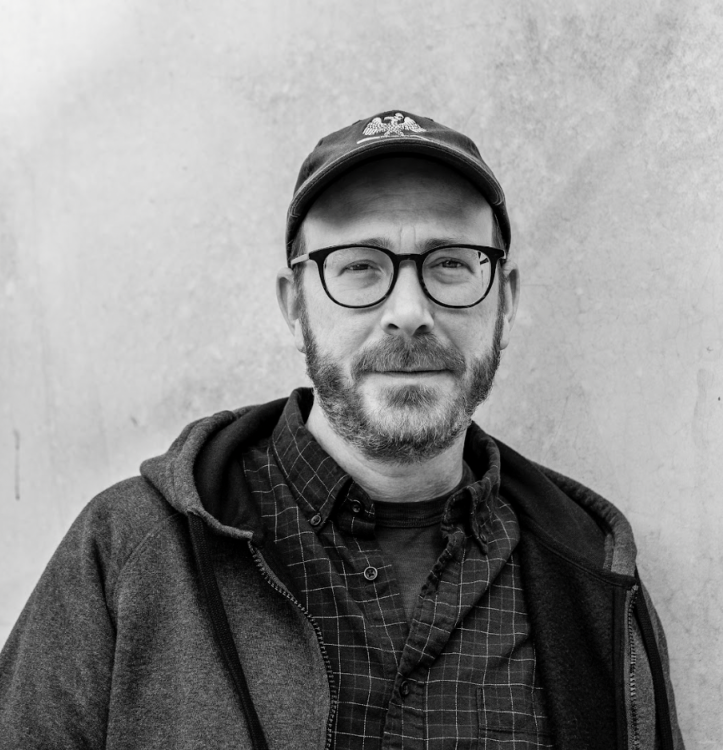 Nick Houy, ACE, is a film editor based in New York. Before editing BARBIE, Houy edited both of Greta Gerwig’s previous Oscar-nominated films, LITTLE WOMEN, and LADY BIRD for which he was nominated for the ACE award in 2017. Houy also won the Emmy Award in 2017 for editing the miniseries, THE NIGHT OF. He was nominated for the Independent Spirit Award for editing MID90S in 2018, and in 2022 Houy edited the critically acclaimed Netflix documentary, STUTZ.
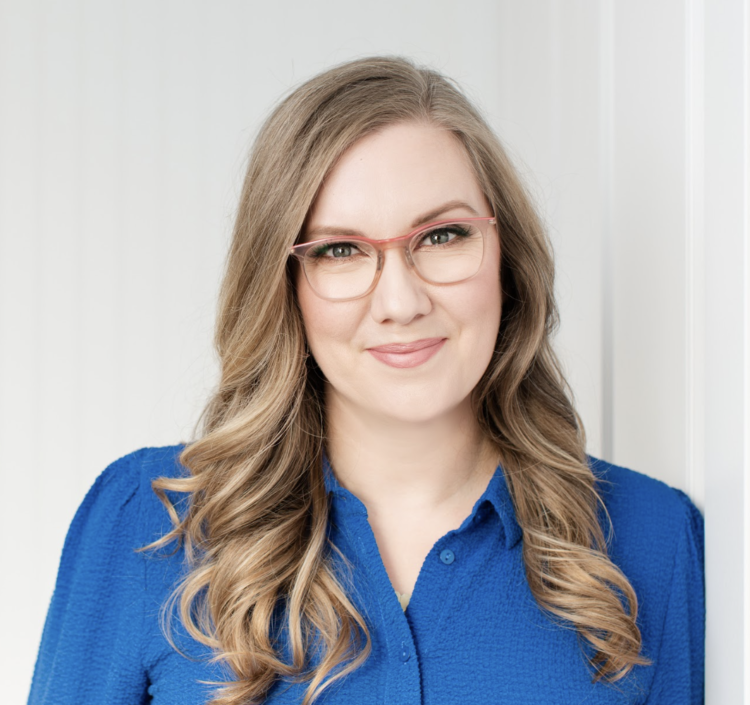 Sarah Taylor, CCE, a celebrated award-winning editor, is known for amplifying underrepresented voices through her work that has been showcased globally at TIFF, Tribeca, Sundance, Hot Docs, and the Imaginative Film Festival. Her talent spans across documentary, TV series, short and feature length films, making her a versatile force in storytelling. Beyond her editing expertise, she hosts THE EDITOR’S CUT and BRAAAINS podcasts.
 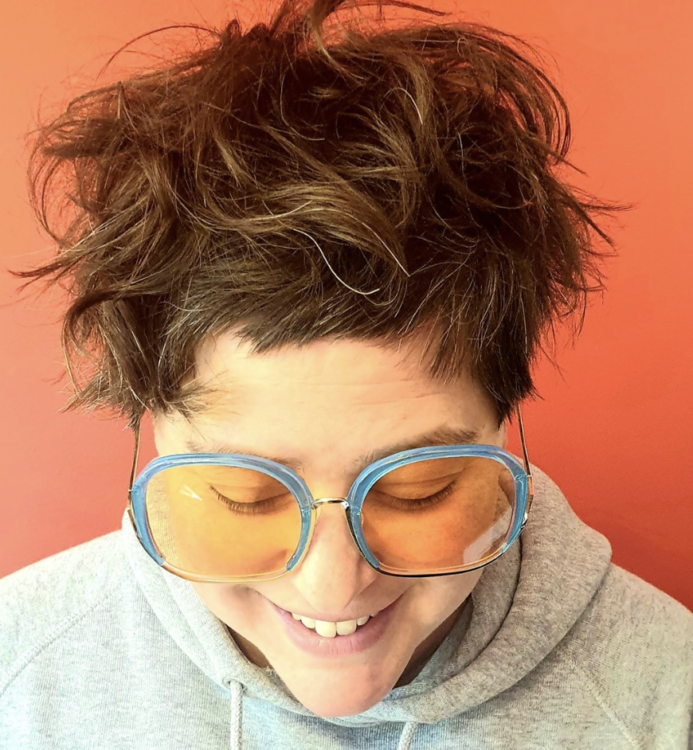 Beth Biederman, editor with 17 years experience in Canada, New Zealand and Australia working on documentary, reality, current affairs and children’s programming. No matter the genre above all they strive to bring a sense of humour and realness to each story. When not editing you can find Beth biking, dancing or giving talks on important topics such as bagels. Credits include: CANADA’S DRAG RACE, BONDI VET, THE PROJECT, GABY’S FARM, STYLED and MY RESTAURANT IN INDIA.
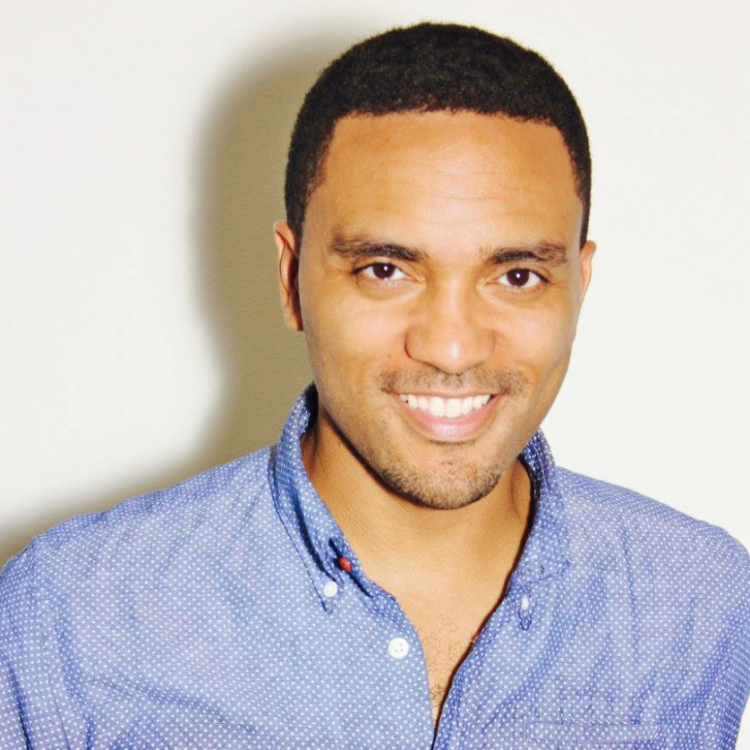 Dean’s passion for visual storytelling has guided his more than 20 years in the film and television industry in the roles of editor and director. He began this journey creating experimental short films, performing arts shorts, and music videos. From there he entered the world of factual television working in various genres including competition, true crime and docuseries. The recipient of multiple production grants, and a CSA nomination for best editing, Dean is continually pursuing the next visual storytelling challenge.
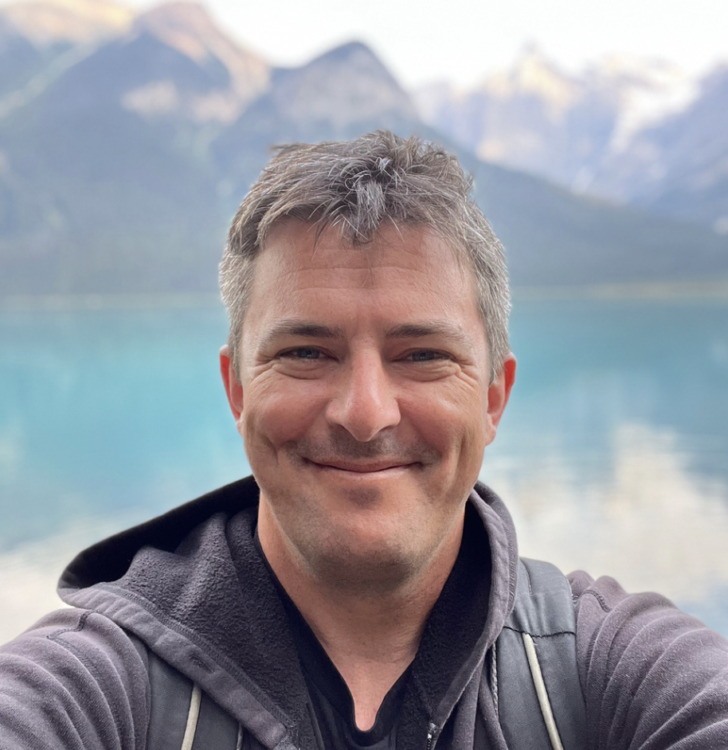 Jonathan has been in the industry since 2001, both in Australia and Canada. He has cut everything from documentaries, animation, sports news, but his extensive experience has been in cutting reality TV. He has worked on many of the large format shows such as BIG BROTHER, DRAG RACE CANADA, TOP CHEF CANADA, THE AMAZING RACE CANADA and LOVE ISLAND and LOVE ISLAND GAMES. He is a 17 time CSA and 17 time CCE nominated editor and has won five consecutive CSA’s and five CCE Awards.
 Lindsay Ragone is a Toronto-based editor with over 20 years of experience. She’s been nominated twice at the Canadian Screen Awards for her work on CANADA’S DRAG RACE and was an Emmy-nominee for the Scripted/Reality hybrid series THE QUEST on Disney Plus. Other recent credits include BLOWN AWAY for Netflix and ALL-ROUND CHAMPION for BYU.
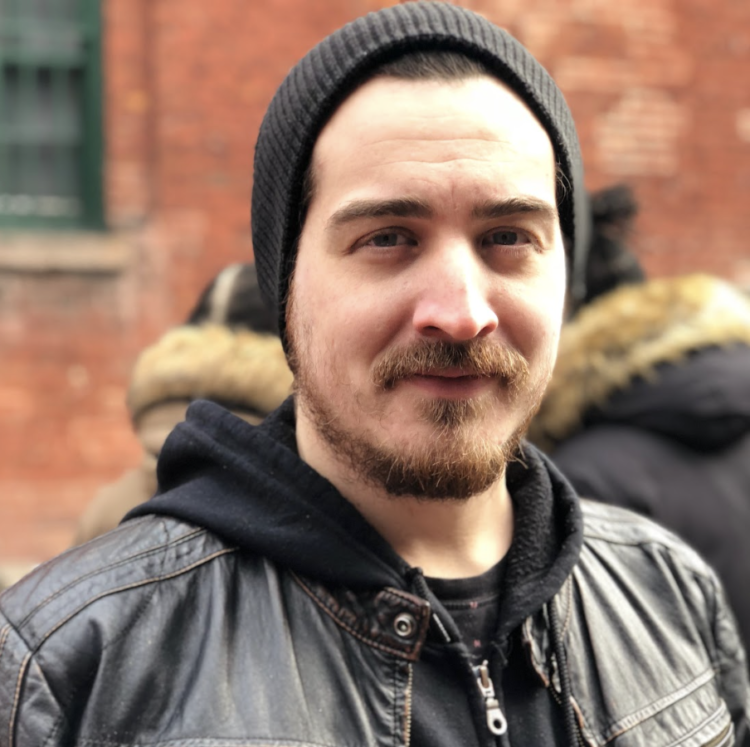 Drew MacLeod is a Picture Editor based in Toronto with a resume that spans over 40 episodes of Comedy TV and counting. Recognized with award nominations for the Canadian Cinema Editors (CCE), Directors Guild of Canada (DGC), and Canadian Screen Award (CSA), Drew has made a mark on the industry early in his career. His recent accomplishments include cutting the series finale for the final season of Crave TV / Hulu’s LETTERKENNY and is currently in the editing room for the third season of SHORESY. Drew can often be seen sporting a warm smile, a fun attitude, and a healthy moustache.
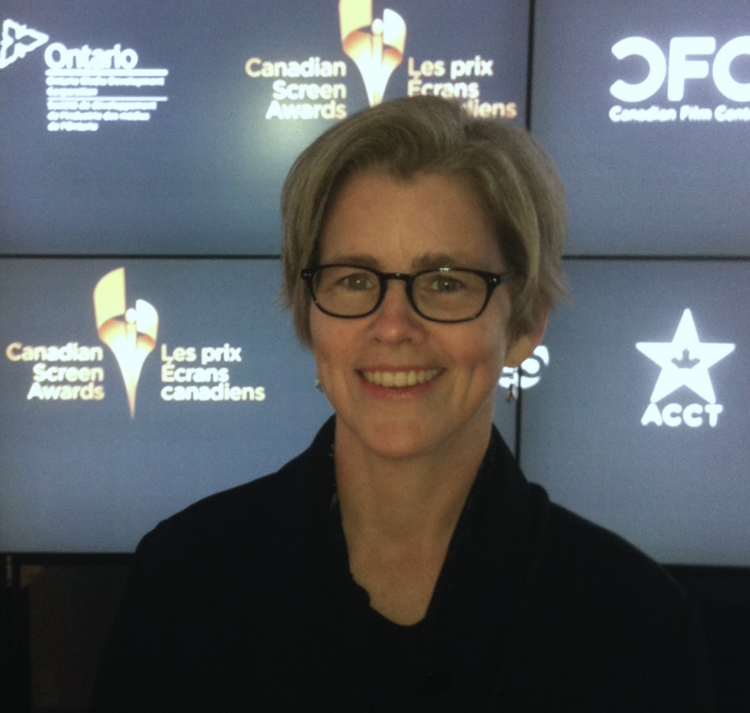 While living in Halifax, Nova Scotia and collaborating with some of the finest directors and showrunners from across Canada, Kimberlee McTaggart, CCE has been remote editing since before it became cool. She has edited feature documentaries, music videos, and everything in between in her thirty year career. More recently, she has been working exclusively in the world of scripted shows – with a soft spot for comedy. Kim’s work has brought her several awards and nominations including a Gemini for CALL ME FITZ and five CSA nominations in the categories of comedy, drama and feature film, with the most recent for the comedy series MOONSHINE.
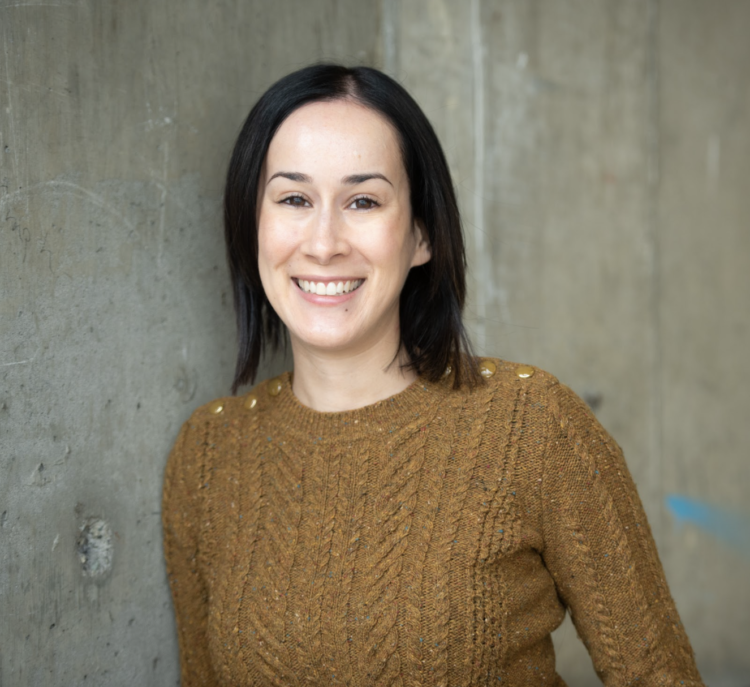 Sabrina Pitre, CCE is an award-winning editor with a natural instinct for storytelling across a wide variety of formats and genres. She approaches her work with unfailing dedication, and thrives on the creative challenges that each project can afford her. Armed with a personable and collaborative spirit, she has formed many professional relationships. She is currently cutting the indie horror film CLOWN IN A CORNFIELD, and is slated to start work on the next feature film installment of FINAL DESTINATION. Outside of editing, Sabrina holds a second career as a voice actor for cartoons. In her spare time, she is secretly training to become an Olympic Curling Champion. Hurry Hard!
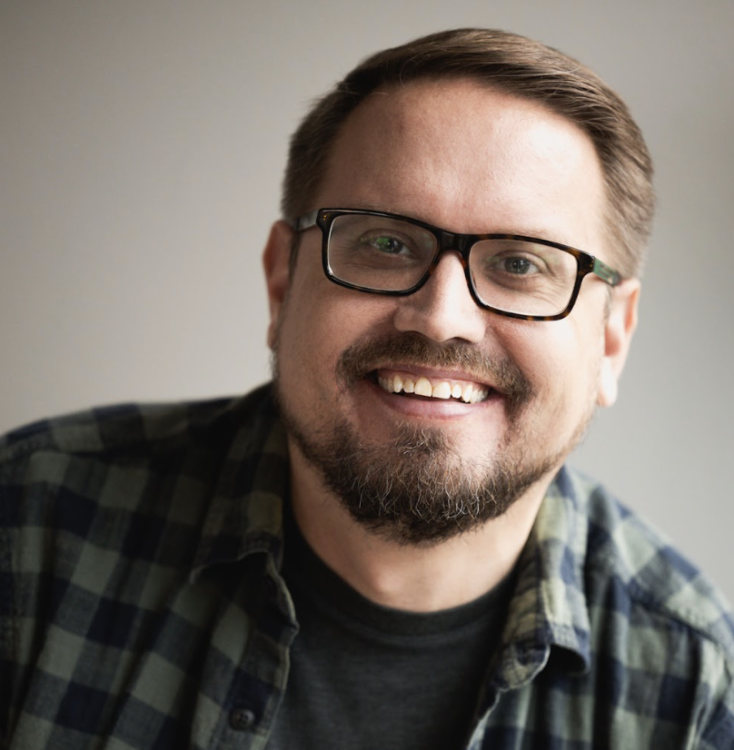 Jay Prychidny, CCE is a multiple award-winning producer and picture editor, including back-to-back CSA wins in 2017 & 2018 for ORPHAN BLACK and THE AMAZING RACE CANADA. His factual work includes THE WEEK THE WOMEN WENT, TOP CHEF CANADA, and CANADA’S NEXT TOP MODEL, for which he won a Gemini and CCE award in 2010 & 2011. As a producer on ORPHAN BLACK, LOST & FOUND MUSIC STUDIOS, THE NEXT STEP and SNOWPIERCER, he supervised the editing, sound, music, and visual effects for every episode. He just recently finished editing his first feature, SCREAM VI. His latest project is BEETLEJUICE 2, which is his second time working with Tim Burton. He previously edited WEDNESDAY, for which he won a CCE award in 2023.
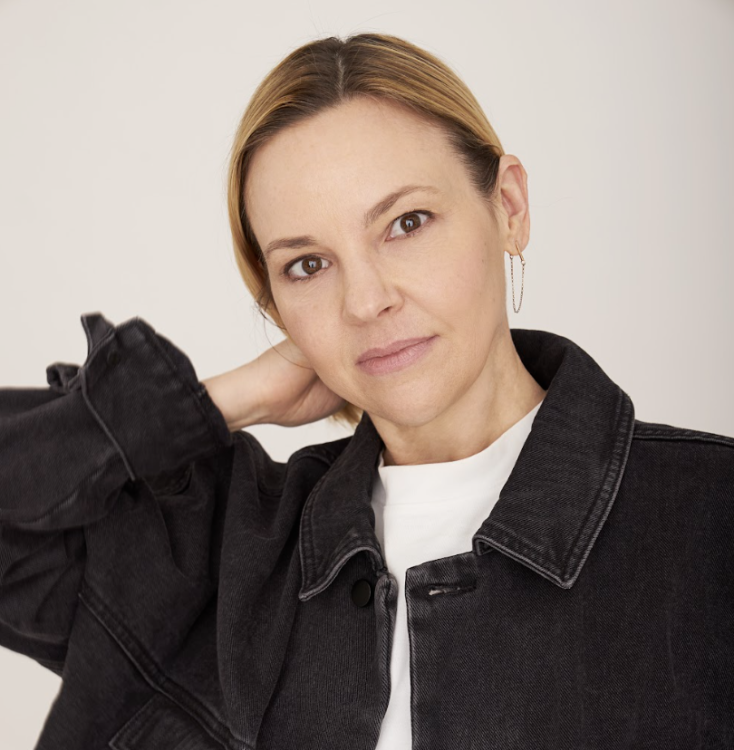 Maureen Grant, CCE, is an award-winning film and television editor based in Toronto. She takes pride in being part of projects that are changing and challenging onscreen representation. Her recent work in feature film includes director Molly McGlynn’s FITTING IN (SXSW ‘23, TIFF ‘23), and director V.T. Nayani’s THIS PLACE (TIFF ‘22). Recent television credits include season 3 of SORT OF, STOLEN BY THEIR FATHER, which won a DGC award for Best Editing in MOW, and I HATE PEOPLE, PEOPLE HATE ME, which premiered at Tribeca.
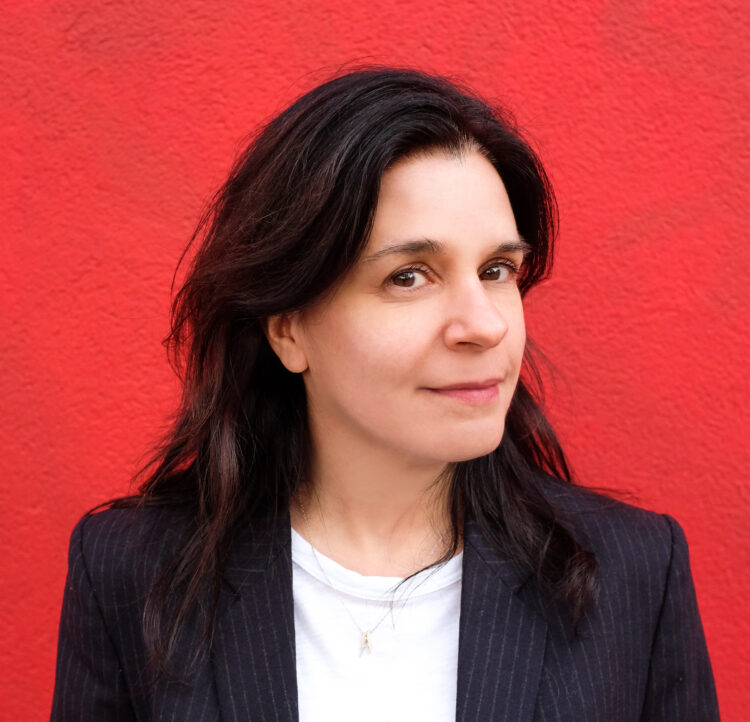 Isabelle Malenfant, CCE is a talented and passionate film editor based in Montreal. Over the years, she has worked on a variety of films and television series, earning a reputation for her exceptional collaboration with Francis Leclerc and other renowned filmmakers, such as Yves Simoneau, Louise Archambault, Quentin Dupieux, Olivier Asselin and Mélanie Charbonneau. Isabelle’s talent for storytelling and meticulous editing brings out the best in actors’ performances, earning her several award nominations, including Gémeaux, Jutra, and Iris. Additionally, she has won two CCE awards. Isabelle is also committed to the CCE board of directors, where she serves as Québec representative.
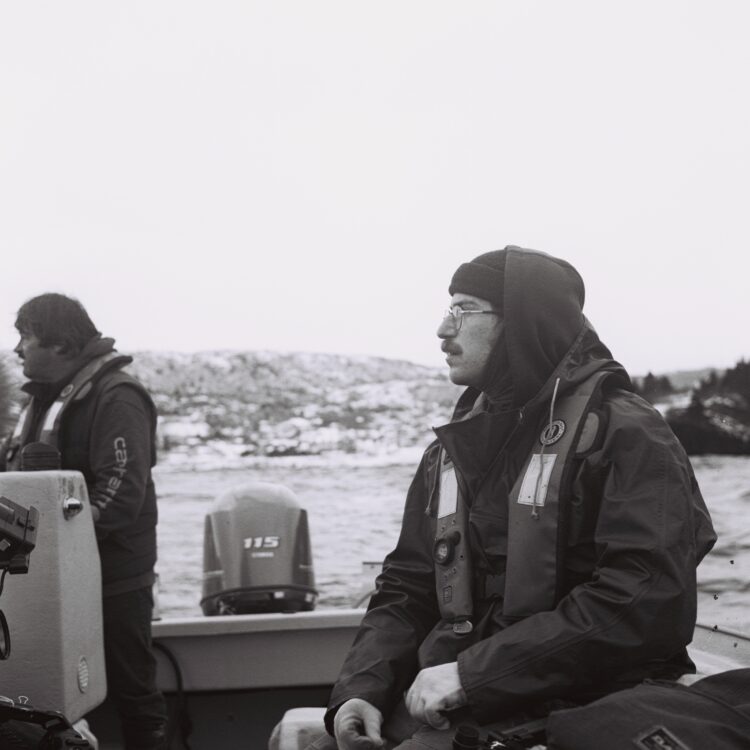 Justin Oakey is a bilingual filmmaker from rural Newfoundland raised on hunting, fishing, and storytelling. His award-winning short films brought his atmospheric vision of Newfoundland to festivals around the world before his feature debut RIVERHEAD – a micro-budget drama about small town feuding, nominated at the CSAs after a number of festival accolades. A FIRE IN THE COLD SEASON – a rural noir set against remote highway towns, was also nominated at the CSAs. He currently has several features in development – with feverish seal hunt thriller HANGASHORE. Also an accomplished editor of film and television, Justin has most recently worked on the acclaimed fantasy drama THE KING TIDE and the highly-anticipated crime thriller BLOOD FOR DUST.
 Chandler Levack lives in Toronto, where she studied cinema at the University of Toronto and screenwriting at the Canadian Film Centre. She has directed numerous music videos, earning two JUNO nominations, and is a film critic for the Globe & Mail. In 2022, her debut feature I LIKE MOVIES premiered at TIFF, was selected for Canada’s Top Ten and won prizes around the world. She is currently working on her second feature ANGLOPHONE, a portrait of the 2011 Montreal music scene, with Zapruder Films.
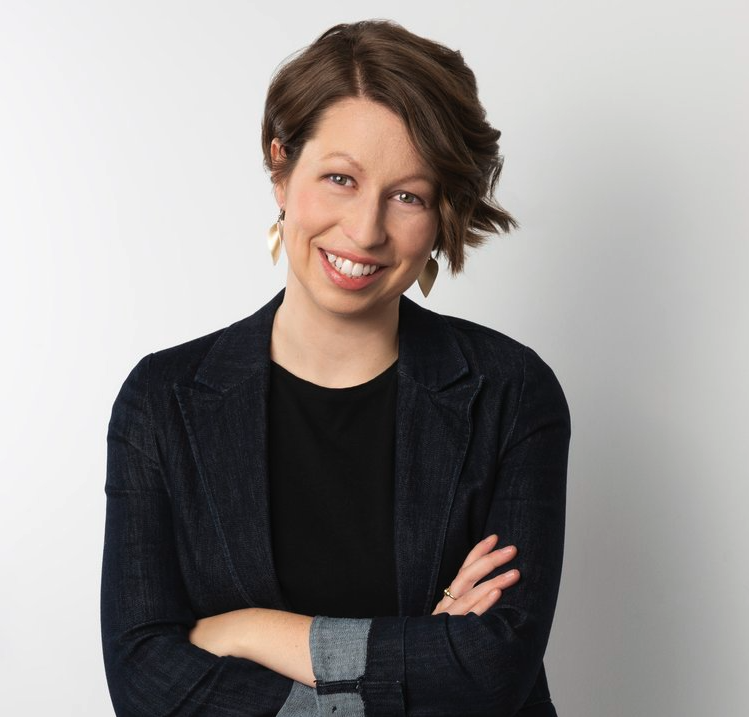 With over 15 years of award-winning experience, Krystal strives to inspire, educate, and captivate her audiences through exceptional documentary editing. Born and raised in Edmonton, she developed a love for editing while studying Design & Motion Image at MacEwan University, and has since become a sought-after collaborator in the Alberta Film & TV industry. Her work has been featured on CBC, PBS, UnisTV, in film festivals and concert halls across Canada. Noteworthy projects include EQUUS: STORY OF THE HORSE, FRICK I LOVE NATURE, PUSH SEASON II and SEND KELP. In addition to being an editor, Krystal is francophone, a dancer, and mama.
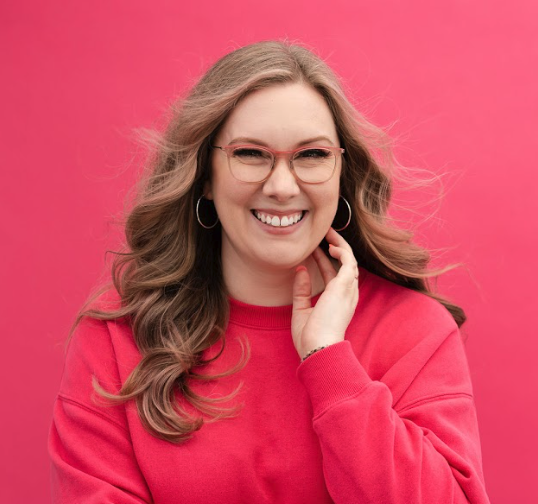 Sarah Taylor, CCE, a celebrated award-winning editor, is known for amplifying underrepresented voices through her work that has been showcased globally at TIFF, Tribeca, Sundance, Hot Docs, and the Imaginative Film Festival. Her talent spans across documentary, TV series, short and feature length films, making her a versatile force in storytelling. Beyond her editing expertise, she hosts THE EDITOR’S CUT and BRAAAINS podcasts.
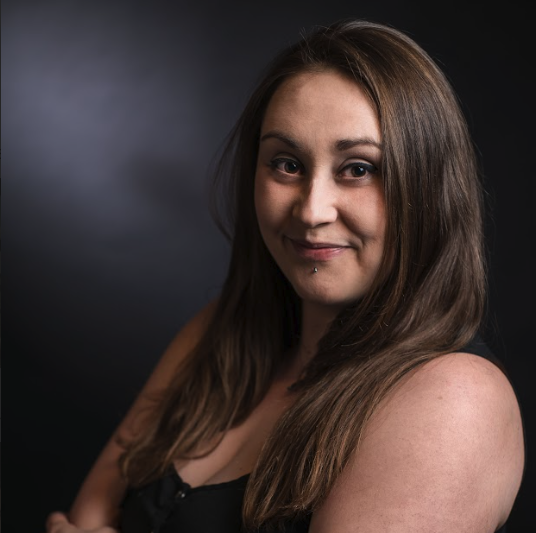 Weyme [way-mee] is an award winning, freelance video editor based in Edmonton, Alberta. Her range of experience includes corporate video, documentary, indie film and broadcast television projects. Weyme has been professionally editing since 2013 and has been part of several award-winning projects including: BLIND AMBITION: THE WOP MAY STORY (EIFF 2021), and was awarded Best Editor for an episode of the APTN docu-series RODEO NATION (AMPIA 2022) and the Storyhive short film ONE, ONE THOUSAND (AMPIA 2017). With her love of storytelling and digging for the truth, Weyme brings a fresh and unique voice to each project she works on.
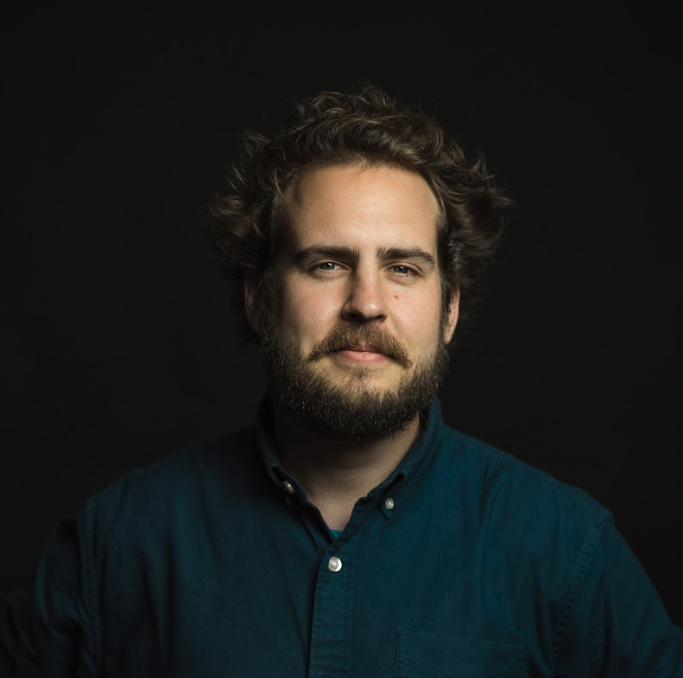 Colin Waugh is an Alberta based documentary filmmaker and editor. As part of the creative team at Sticks & Stones, his work shares the stories of mountains, prairies, and the people who live there. Colin’s previous projects have received a CSC Award (2019), CCE Award (2020), 8 AMPIA Rosie Awards – including Best Documentary Over 30 Minutes (2023), and nominations at the Banff World Media Festival (2018) and Webby Awards (2018 and 2020). Beyond commercial and documentary work, Colin teaches an intro to video production course at MacEwan University.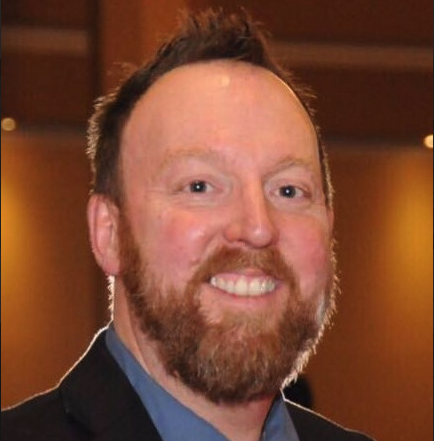
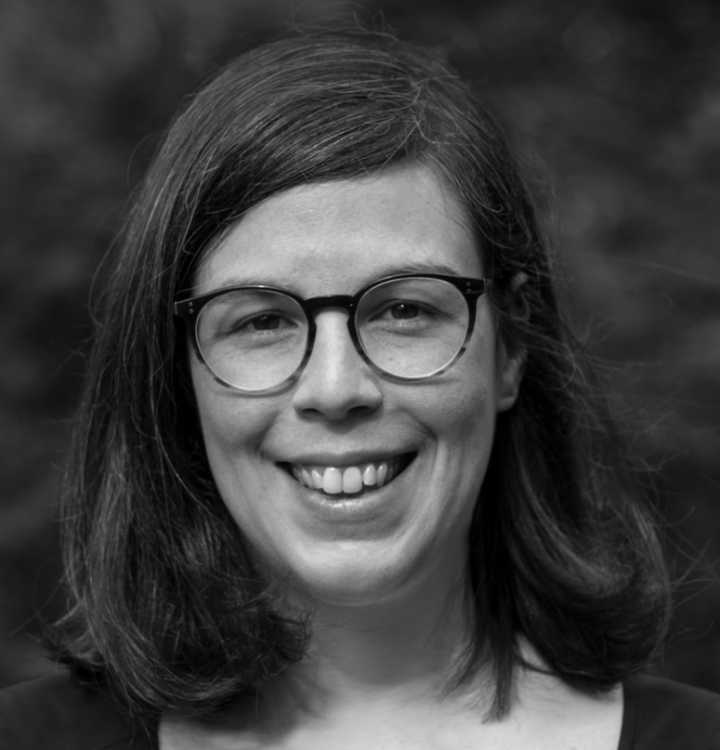 Amélie Labrèche is an editor based in Montreal. She has edited 13 narrative feature films, including NADIA, BUTTERFLY by Pascal Plante, selected at the 2020 Cannes Film Festival, and various documentaries, series and short films. Recognized for her dedication to each projects, directors and producers appreciate her sensitivity, attention to detail, speed, sense of rhythm, rigour and sincere point of view allowing her to push the work to its apogee. A film buff, her desire is to deepen the creative process of editing and to contribute to profound and innovative works through the narrative and emotional power of film editing.
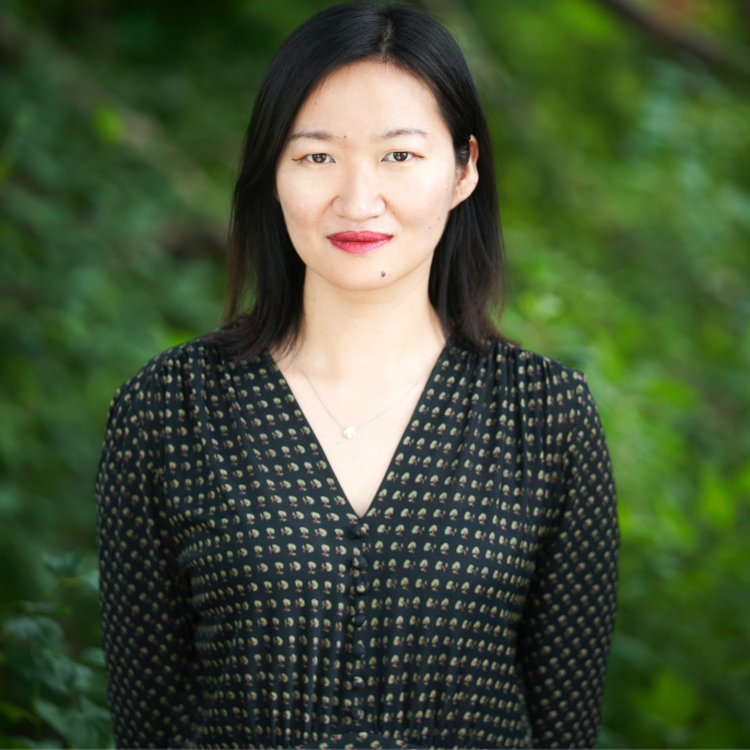 Xi Feng is a Chinese-Canadian film editor based in Montreal. Having lived in China, Canada and France, she has cultivated a unique blend of cultural and artistic sensitivity. Feng has worked as an assistant editor and editor on several award winning documentaries, including CHINA HEAVYWEIGHT, which premiered at the 2012 Sundance Film Festival; and the Crystal Bear winning short film CLEBS (HOUNDS), premiered at the 2020 Berlinale Generation 14 plus section. She’s also an editor alumna of CFC 2019 and Berlinale Talents 2020.
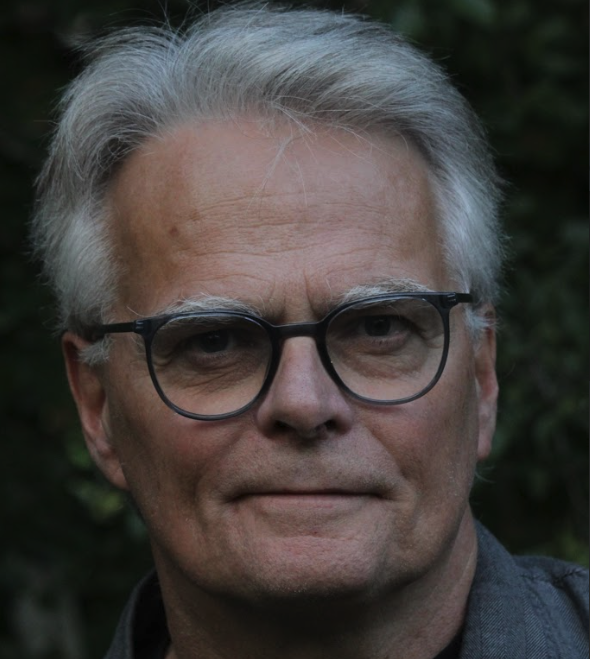 Mike has edited several award-winning scripted and documentary features, including STORIES WE TELL for director Sarah Polley, BATATA for Noura Kevorkian, winner of a 2023 Peabody Award, and TO KILL A TIGER for Nisha Pahuja, winner of the 2023 Canadian Screen and DGC Awards for best feature documentary and editing. As well, TO KILL A TIGER won the 2023 Canadian Cinema Editors award for documentary.
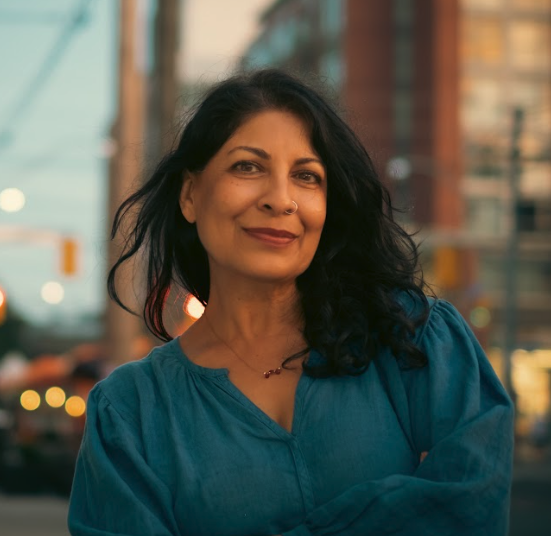 Nisha Pahuja is an Emmy-nominated filmmaker based in Toronto. Her latest film, TO KILL A TIGER, had its world premiere at TIFF where it won the Amplify Voices Award for Best Canadian Feature Film. Since then, it’s won 21 awards including Best Documentary Feature, Palm Springs International Film Festival and three Canadian Screen awards. The film grew out of a long career of addressing various human rights issues, notably violence against women in India. In 2015, she won the Amnesty International media award for Canadian journalism after making a short film about the Delhi bus gang rape for Global News. Pahuja’s other past credits include the multi-award-winning THE WORLD BEFORE HER, the series DIAMOND ROAD and BOLLYWOOD BOUND.
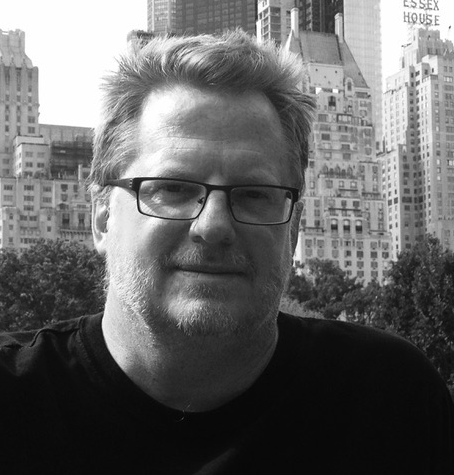 Nick Hector, CCE, BFE, is a Canadian Screen, HotDocs, Canadian Cinema Editors, Directors Guild of Canada, and Gemini Award-winning documentary film editor, producer, and professor. His research explores the possibilities of constructed narrative in observational documentary and actuality drama. Nick’s work has been included in the Criterion Collection and screened at most major international festivals, including the Berlinale, Sundance, and TIFF. He is perhaps best known for his work on the feature documentaries DYING AT GRACE, FORCE OF NATURE, SHARKWATER EXTINCTION, and PREY. Nick is an Associate Professor of film production at the University of Windsor’s School of Creative Arts.
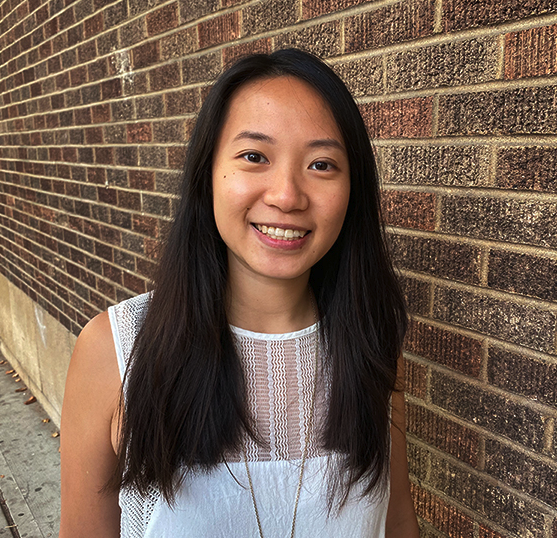 Cindy Au Yeung is a Vancouver-based editor with over seven years of experience in both scripted and documentary content. Even though she didn’t sleep well for weeks after watching Hereditary, she does enjoy horror films and thrillers. Her recent horror-related works include an independent sci-fi thriller
 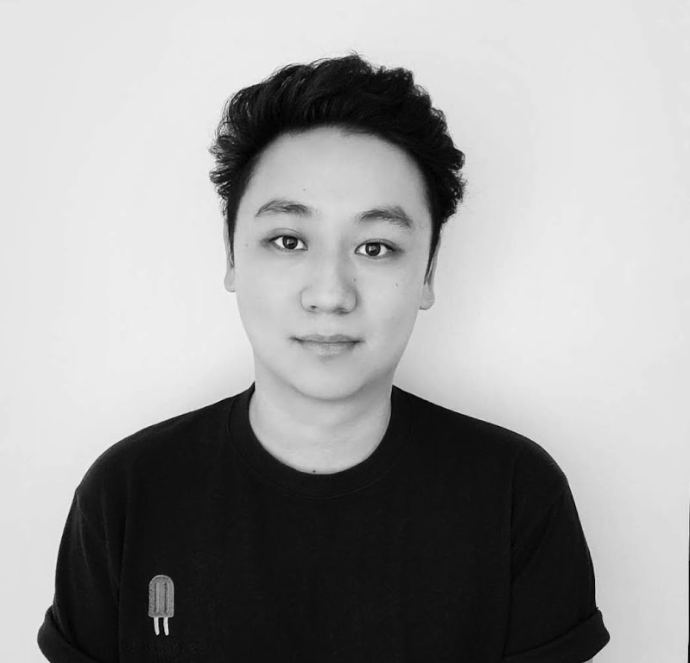 Justin is a CCE award-winning film editor based in Vancouver with a diverse portfolio in film and TV, including contributions to shows like LUCKY HANK, DIRK GENTLY’S HOLISTIC DETECTIVE AGENCY and THE TERROR all on AMC, and ANOTHER LIFE, the second season of SNOWPIERCER, and THAI CAVE RESCUE, all on Netflix. Currently immersed in the world of feature films, Justin is collaborating on the A24 project HERETIC with directing duo Scott Beck & Bryan Woods.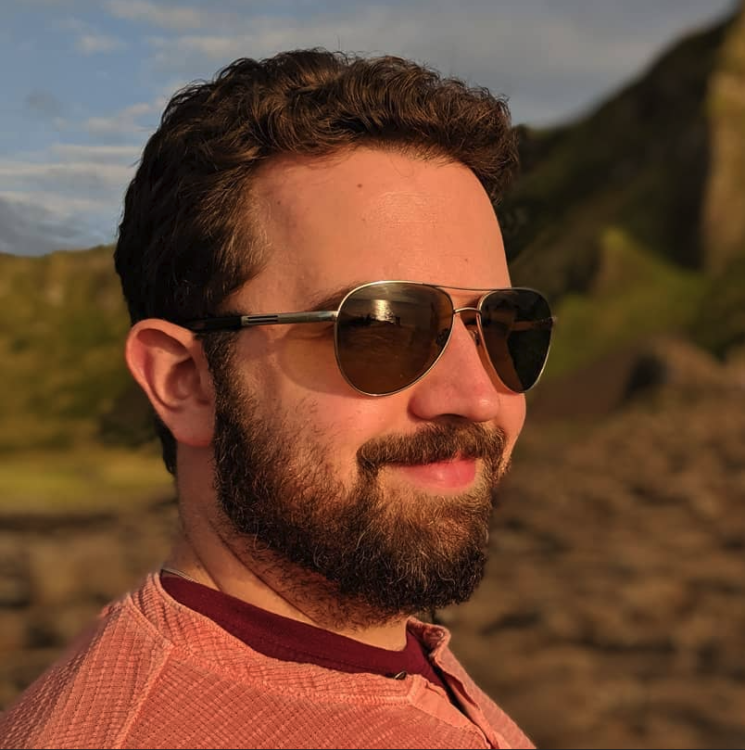
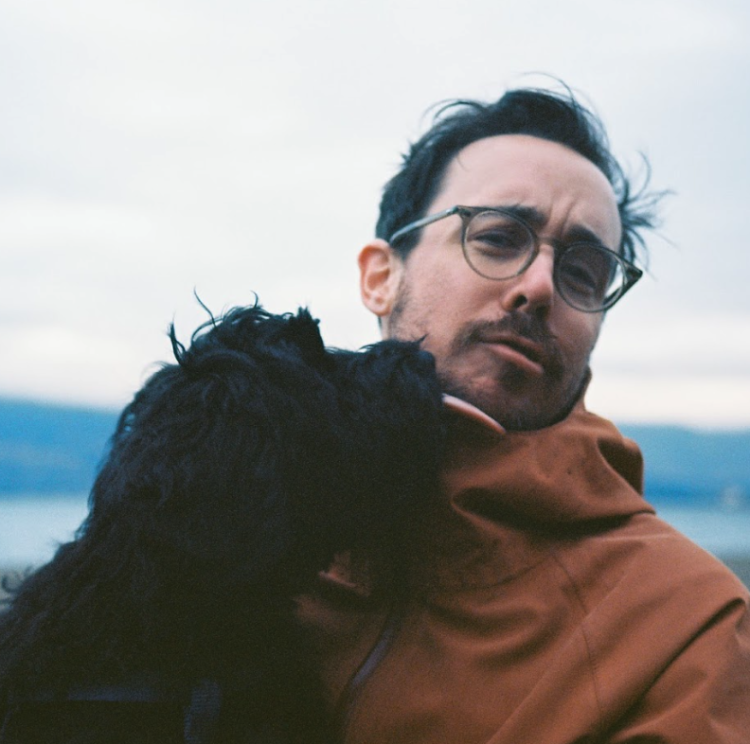 Graham Kew crafts compelling and emotionally-driven documentaries. Selected credits include SATAN WANTS YOU, exploring the origins of the Satanic panic; WOMEN WHO ROCK, a tribute to iconic female musicians; and PUNK,a deep dive into the history of punk culture. His work extends to AGE OF AI, discovering the cutting edge of artificial intelligence, and I AM RICHARD PRYOR, a nuanced depiction of the iconic comedian. In SOMEONE LIKE ME, he wove together the story of 11 strangers uniting to help a gay youth escape life-threatening violence in Uganda. His CV’s most unsettling horror project is THE REAL HOUSEWIVES OF VANCOUVER.
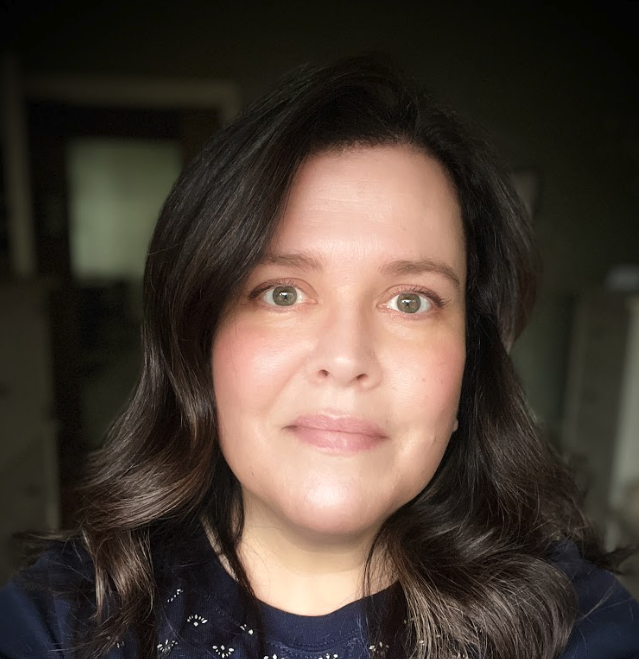 Born and raised in Vancouver, Nicole graduated from the Foundation Film Program at the Vancouver Film School in 1997 and went straight into post production as an assistant editor for a local film production company. She began Editing on the Sci Fi drama Gene Roddenberry’s ANDROMEDA and has consistently worked in scripted drama on major US and Canadian television series and MOW’s such as ENDGAME, YOU ME HER, THE BLETCHLEY CIRCLE SAN FRANCISCO, TWO SENTENCE HORROR STORIES, and most recently CREEPSHOW and season 5 of VIRGIN RIVER for Netflix.
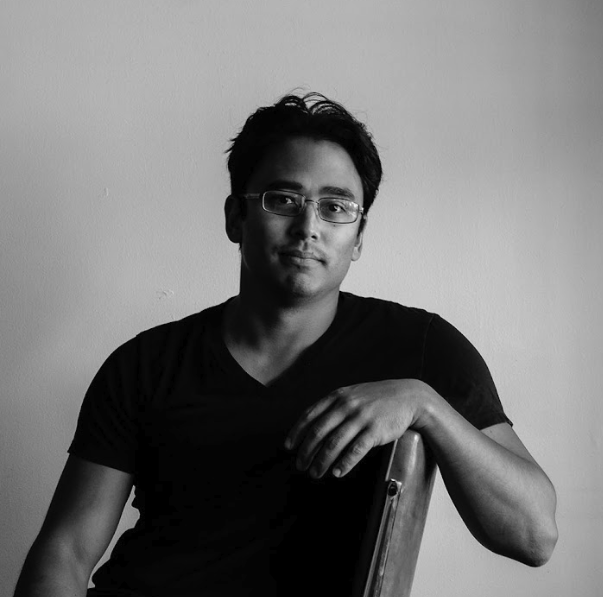 Greg Ng, CCE, is a film and television editor based in Vancouver, B.C. and is a proud member of the Canadian Cinema Editors. Greg tries to maintain a balanced diet of both narrative and documentary editing, and periodically writes about himself in the third person. Some recent credits include LONGLEGS, BONES OF CROWS, and I’M JUST HERE FOR THE RIOT.
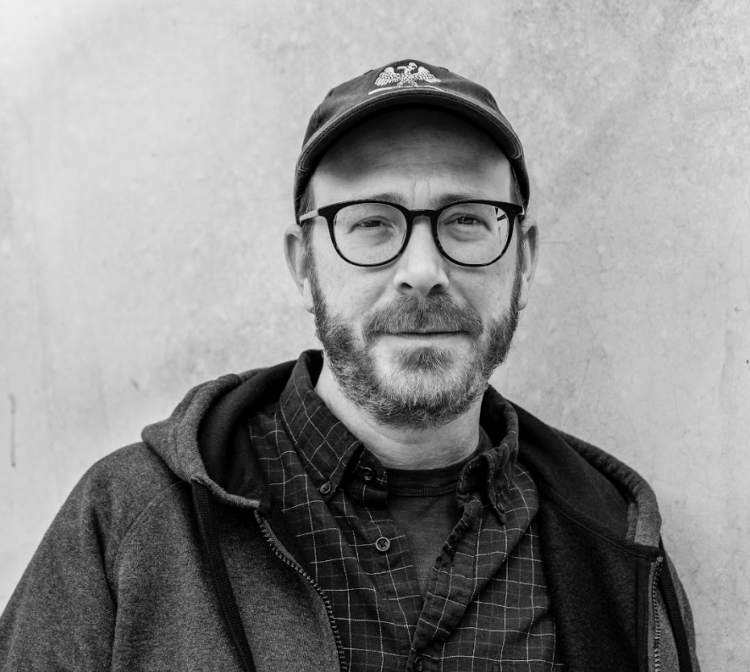 Nick Houy, ACE, is a film editor based in New York. Before editing BARBIE, Houy edited both of Greta Gerwig’s previous Oscar-nominated films, LITTLE WOMEN, and LADY BIRD for which he was nominated for the ACE award in 2017. Houy also won the Emmy Award in 2017 for editing the miniseries, THE NIGHT OF. He was nominated for the Independent Spirit Award for editing MID90S in 2018, and in 2022 Houy edited the critically acclaimed Netflix documentary, STUTZ.
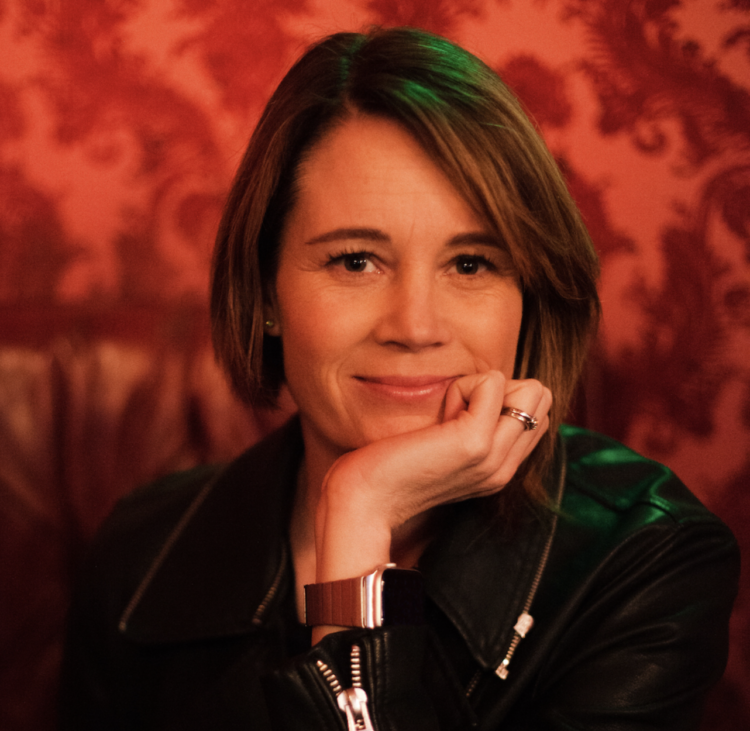 Jane was 10 years old when she started her first editing gig by hooking up two VCRs to cut the commercials out of her favourite TV shows. Since then, she’s been fortunate enough to find some folks to trust her with their own projects, and she now has over 15 years’ experience in feature films and series. She has been nominated for three CCE Awards and two Canadian Screen Awards for editing, and her work has screened at festivals around the world. She loves to aim for projects across all genres, and can usually be talked into working when she should be taking time off.
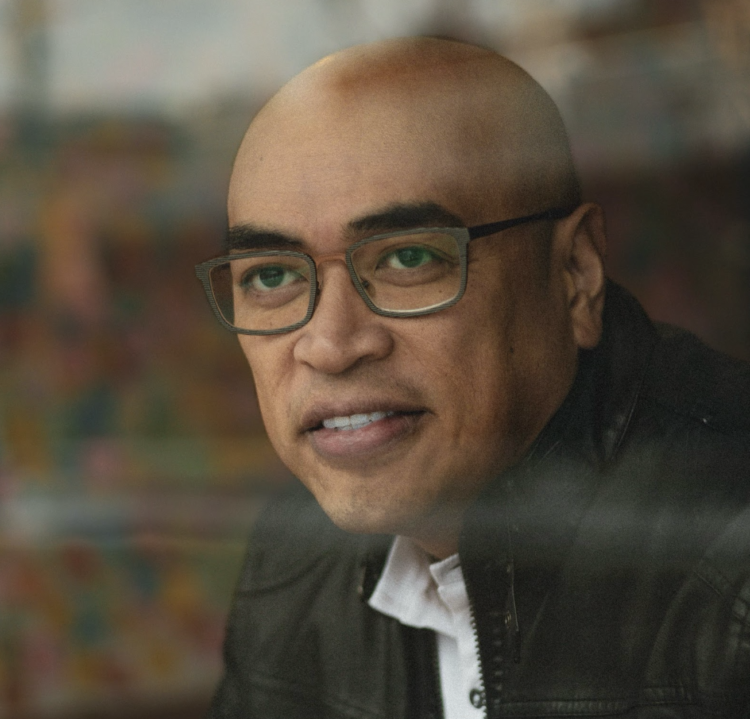 Roderick is an award-winning Picture and Sound Editor who has worked in the film industry for over 25 years. His experience in feature films, TV series and documentaries has established him as one of the industry’s most sought-after collaborators.
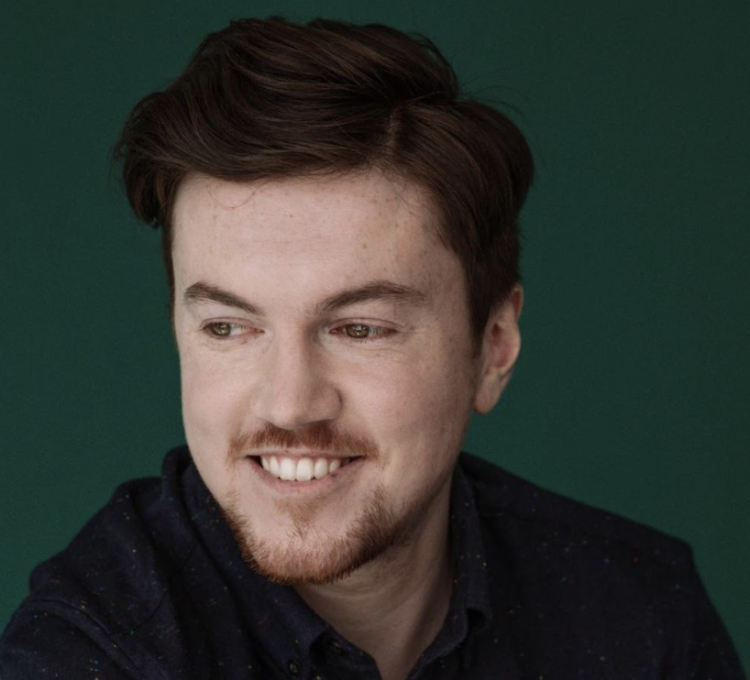 Adam van Boxmeer has been assisting for the last 6 years on various scripted formats from 10-minute children’s television to hour-long episodic and feature films. He began his career at Sinking Ship where he was first introduced to heavy-VFX workflows on their live action shows ODD SQUAD: MOBILE UNIT, ENDLINGS, and GHOSTWRITER. Most recently he assisted on the shows GINNY AND GEORGIA and THE LAKE which he wrapped in March 2023.
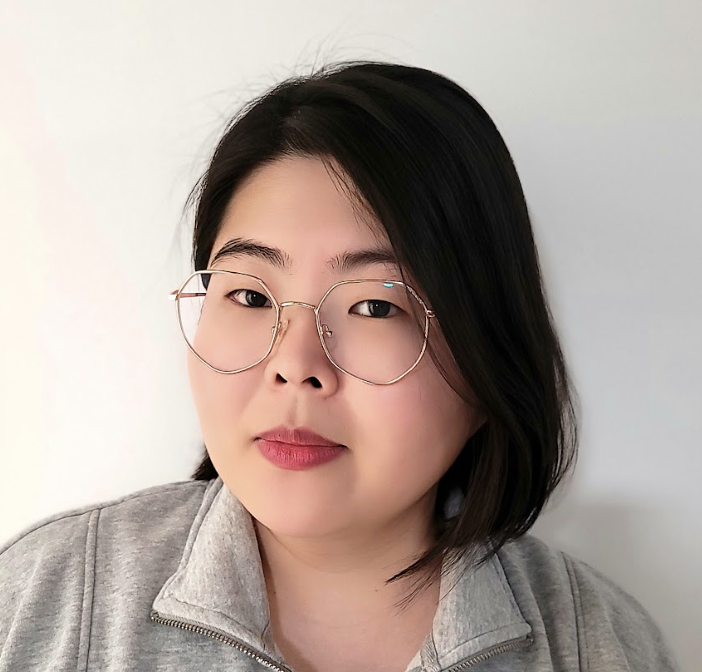 Victoria Cho is an assistant film and television editor with a background in the literary arts. She blends together an easy-going spirit with a driven work ethic and thrives on collaboration and teamwork. She is dedicated to telling stories that imagine new ways of being and belonging. In 2022, she completed the DGC-Ontario Guild Apprenticeship Program as a trainee on GINNY AND GEORGIA and I WOKE UP A VAMPIRE. Her most recent credits include I HATE PEOPLE, PEOPLE HATE ME and ORPHAN BLACK: ECHOES.
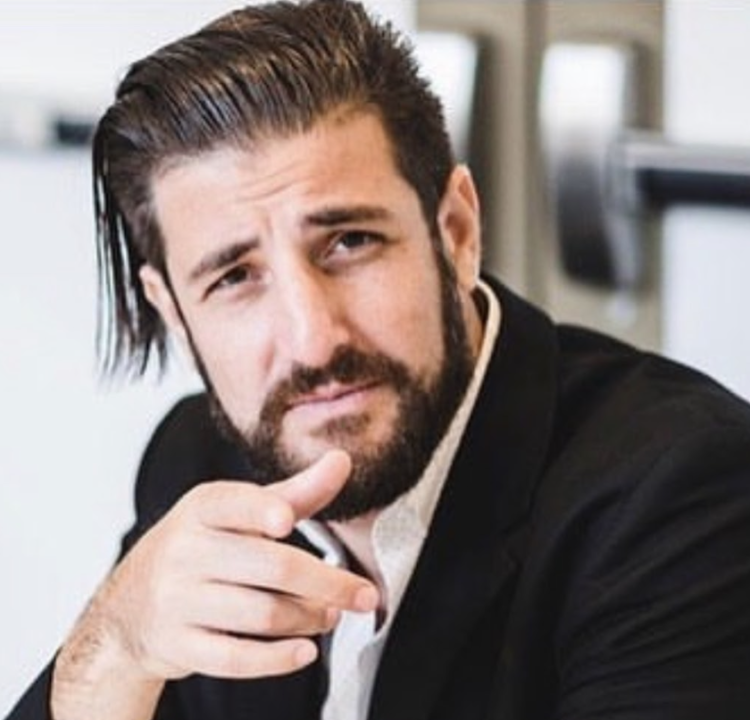 Eugene Weis is an award winning film editor. His keen sense of storytelling has allowed him to craft films tackling important social issues (CATEGORY: WOMEN) as well as covering some of the most prolific pop icons in history (REVIVAL69). Eugene’s work has gone on to receive numerous awards and accolades including a nomination for a CSA (WHO THE F**K IS ARTHUR FOGEL) and two nominations from the CCE (HOWIE MANDEL: BUT ENOUGH ABOUT ME and METAMORPHOSIS). Tackling such a diverse range of films (OUR DANCE OF REVOLUTION), Eugene strives for excellence on each project he works on (DON’T TRY THIS AT HOME: THE JEFF WITTEK STORY) and is committed to bringing an unbiased approach to his storytelling (PAIN WARRIORS). Eugene most recently completed the upcoming film BAM BAM, THE SISTER NANCY STORY
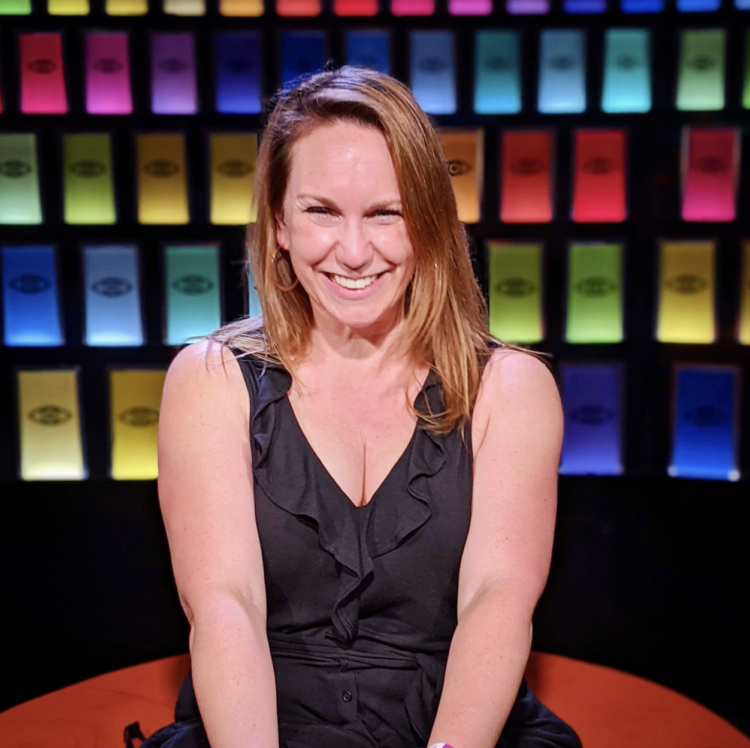 For more than 20 years, Kathryn has proven herself to be an industrious, creative storyteller, and post-production supervisor who has the versatility to jump from factual programming to reality, to experiential reality-docs and even old-school documentary, without losing her mind (unverified). Kathryn comes to a post-supervisory role after many years in the cutting room on almost every different kind of show you can imagine. Most recently, Kathryn has been the post-production supervisor for FULLY AND COMPLETE; The Tragically Hip doc series for Amazon Prime, and will soon be returning to her role as post-production supervisor for BIG BROTHER CANADA, one of the biggest and longest-running competition shows in Canada.
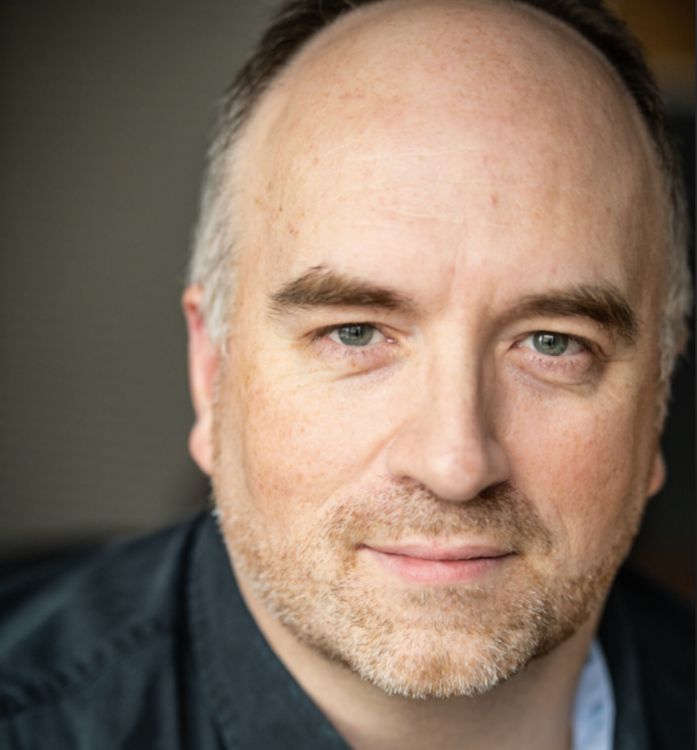 Arthur Tarnowski, ACE, CCE is a prolific, award winning editor whose work ranges from auteur cinema to popular comedies – with a penchant for action films. His feature credits both in French and in English span many genres and include; TESTAMENT, IRENA’S VOW, DRUNKEN BIRDS, BEST SELLERS, THE DECLINE, THE HUMMINGBIRD PROJECT, THE FALL OF THE AMERICAN EMPIRE, THE TROTSKY, BRICK MANSIONS, DEADFALL, WHITEWASH and COMPULSIVE LIAR. His television work includes THE STICKY, 19-2, BAD BLOOD, BEING HUMAN, MOHAWK GIRLS, THE MOODYS and VIRAGE. He has also created over 150 film trailers, including some of the biggest Box-office hits in his native Quebec.
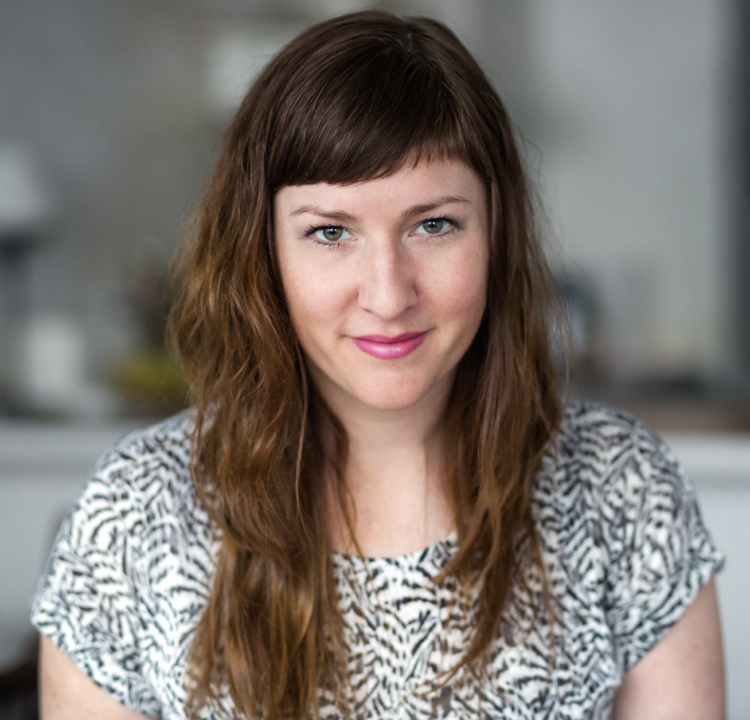 Catherine Legault is an award-winning documentary filmmaker and film editor. She graduated from Film Production at Concordia University’s Mel Hoppenheim School of Cinema, in Montreal. Over the past 20 years, she has worked on several films that have screened internationally in theatres, festivals, and on television. Her collaborations have included PilgrIMAGE, by Peter Wintonick and Mira Burt-Wintonick, Mort subite d’un homme-théâtre, by Jean-Claude Coulbois, Fair Sex, by Martin Laroche, Family Demolition by Patrick Damien, My Mother’s Letters, by Serge Giguère, and Rebels on Pointe and FANNY: The Right to Rock, by Bobbi Jo Hart. Recipient of two Gémeaux awards for her TV series editing work, she received the Iris award for Best Documentary Editing at the Gala Québec Cinéma for Family Demolition, in 2017. She was nominated again for My Mother’s Letters and Fanny: The Right to Rock. In 2019, Catherine directed her first feature documentary, Sisters: Dream & Variations, which was awarded at the IndieFEST Film Awards in five categories, including editing, and at the Gala Québec Cinéma for Best Documentary Original Score. Catherine is currently in post-production for her next film, LARRY (they/them), which will be released in 2024.










 EN
EN  FR
FR