



Toronto, 16 décembre 2022 – Les Monteurs et monteuses de cinéma canadien (CCE) sont heureux et heureuses de présenter l' l'EditCon 2023, la sixième conférence annuelle sur l’art du montage qui se tiendra du 24 au 26 février 2023. La conférence comportera des événements virtuels de même que des événements en présentiel à Toronto, Montréal et Vancouver.
l'EditCon 2023 se présente sous le thème suivant : En quête de sens.
In uncertain times, we look to storytelling to find meaning in the madness. It’s no surprise then that the past few years have seen an explosion of film and television content. With all the differing voices and opinions competing for our attention, it can be challenging to sift through all the content out there and find something that is meaningful to you.
For EditCon 2023, we will speak with some of the most in-demand editors about work that has been meaningful to them. Whether it’s exploring memory by reconstructing a true story, delving into the themes that matter most to Canadians, or crafting thrilling sequences on the most-watched shows of 2022, this year’s guests have lent their talents to help tell the stories we find the most meaningful.
En plus de tables rondes passionnantes présentant des invité·e·s de partout, il y aura une série d’échanges en salles de discussion virtuelles de même qu’une riche programmation d’événements en personne. Nous aurons aussi des super produits à faire tirer!
Parmi les invité·e·s, nous recevrons :
Les billets seront en vente à partir du 9 janvier 2023.
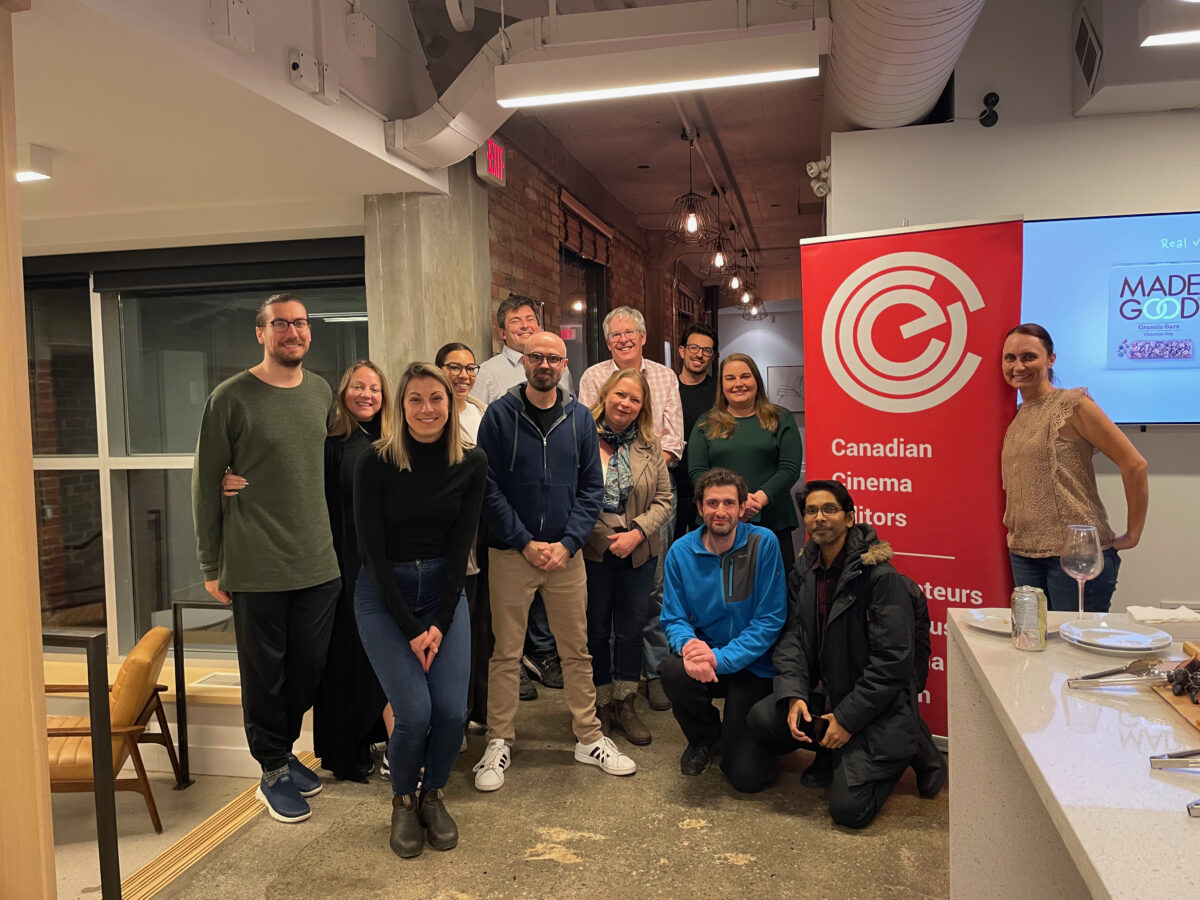
Presented in English / Conférence en anglais
Joignez-vous à nous le 24 novembre au studio Alter Ego à Toronto pour entendre le coloriste Eric Whipp. Il nous parlera de son processus créatif au moment de travailler sur Three Thousand Years of Longing, processus qui s’est déroulé alors qu’Eric se trouvait à Toronto et que le réalisateur, George Miller, était en Australie.
La biographie suivante est uniquement rédigée dans la langue de présentation.
 Eric Whipp
Starting his career in the mid 1990s, colourist Eric Whipp now specialises in feature films and commercials, is co-founder and senior colourist at Alter Ego VFX and colour studio in Toronto.
In 2007 he worked with George Miller for the first time on the Academy Award winning movie HAPPY FEET and joined him again in 2014 for MAD MAX: FURY ROAD. His latest project was yet another collaboration with George Miller – the new film THREE THOUSAND YEARS OF LONGING. Its familiar story follows a lonely academic on a trip to Istanbul. She discovers a djinn, or genie, who offers her three wishes in exchange for his freedom.


Cet épisode est commandité par MELS STUDIOS

Catherine a repris le flambeau de notre chère Myriam Poirier, pour quelques épisodes. De son côté Myriam a pris une pause du micro pour se consacrer pleinement à ses projets.
We chose to speak with the young and prolific editor, Amélie Labrèche. After working for years as an assistant, Amélie made the leap to editing in 2016. Since then, she has been working on fiction, documentary and TV series projects. Catherine invites you to trace the path of Amélie’s young career.

Listen this episode to have more context behind this photo of Amélie’s Timeline.
Kuessipan’s Picture Lock
Crédit photo: Amélie Labrèche

Catherine Legault and Amélie Labrèche during their recording session at MELS Studios in downtown Montreal.
Crédit photo: Catherine Legault

Pour en apprendre un peu plus sur notre nouvelle animatrice :
Catherine Legault is an award-winning documentary filmmaker and film editor. She graduated from Film Production at Concordia University’s Mel Hoppenheim School of Cinema, in Montreal. Over the past 20 years, she has worked on several films that have screened internationally in theatres, festivals, and on television. Her collaborations have included PilgrIMAGE, by Peter Wintonick and Mira Burt-Wintonick, Mort subite d’un homme-théâtre, by Jean-Claude Coulbois, Les manèges humains, by Martin Laroche, The Wandering Muse, by Tamas Wormser, La démolition familiale by Patrick Damien, Les lettres de ma mère, by Serge Giguère, and Rebels on Pointe and FANNY: The Right to Rock, by Bobbi Jo Hart. Recipient of two Gémeaux awards for her TV series editing work, she received the Iris award for Best Documentary Editing at the Gala Québec Cinéma for La démolition familiale, in 2017. She was nominated again for Les lettres de ma mère and Fanny: The Right to Rock. In 2019, Catherine directed her first feature documentary, Sisters: Dream & Variations, which was awarded at the IndieFEST Film Awards in five categories and at the Gala Québec Cinéma for Best Documentary Original Score. Catherine is currently in production for her next film, LARRY (They/them), which will be released in 2023.
Veuillez nous envoyer un courriel en mentionnant les sujets que vous aimeriez que nous abordions, ou les monteurs.euses dont vous aimeriez entendre parler, à :
Un grand Merci à
Animé par
Montage
Preneur de son
Design sonore du générique d'ouverture
Mixé et masterisé par
Musique originale par
Commandité par

Presented in English / Présenté en anglais
Présenté en anglais
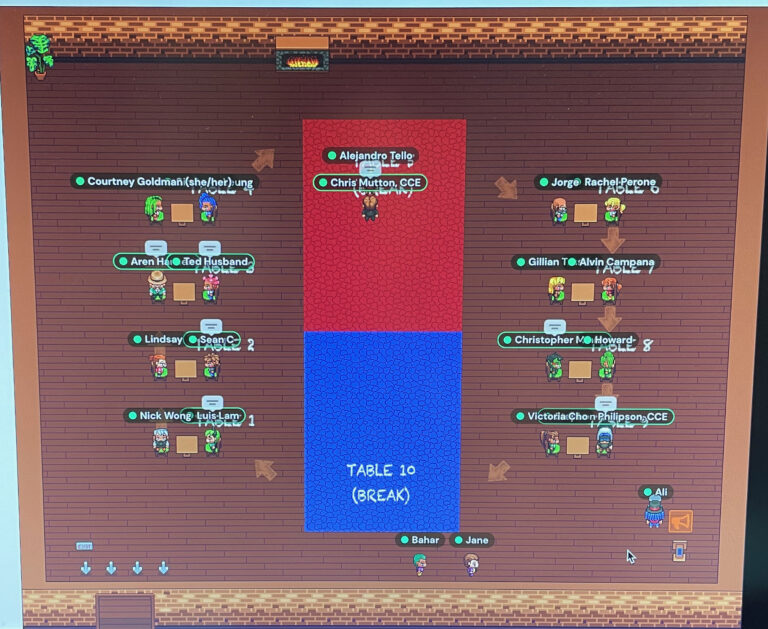
Tick-tock, tick-tock. Time never seems to stop when you’re on the job. It can be tough to bring your head up to find the time to ask your burning questions, let alone find someone who may hold the answers. That all stops here. Join the CCE for a unique mentorship event centered around one-on-one conversations with working picture editors from across the country. You’ll get eight uninterrupted minutes to chat with each of our participating mentors – any and all editing topics are on the table. This is your time to gain the specific insights you’ve been looking for. Stick around after the allotted time for virtual networking with all in attendance.
La biographie suivante est uniquement rédigée dans la langue de présentation.
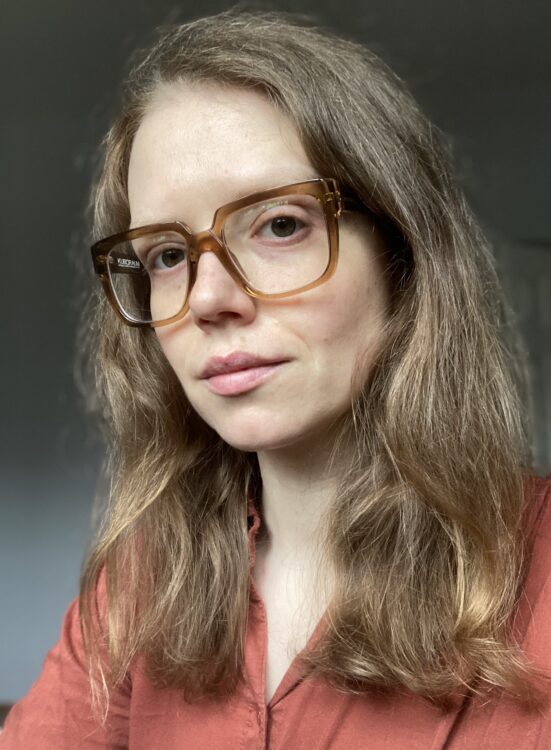 Lindsay Allikas is an editor working in film, television and documentary. She has worked on the feature films CONCRETE VALLEY (Antoine Bourges), THE SWEARING JAR, AMERICAN WOMAN and THROUGH BLACK SPRUCE, all of which premiered at TIFF. Her most recent collaboration with director Chelsea McMullam, CRYSTAL PITE: ANGELS’ ATLAS premiered at VIFF, before screening on the documentary channel in the fall. Her television work includes WORKIN’ MOMS, RUN THE BURBS, TALL BOYZ, IN THE MAKING, ANNE WITH AN E, and MICHAEL: EVERY DAY. Allikas hails from Montreal and received a BFA in Film Production from UBC. She lives in Toronto with her dog Whiskey.
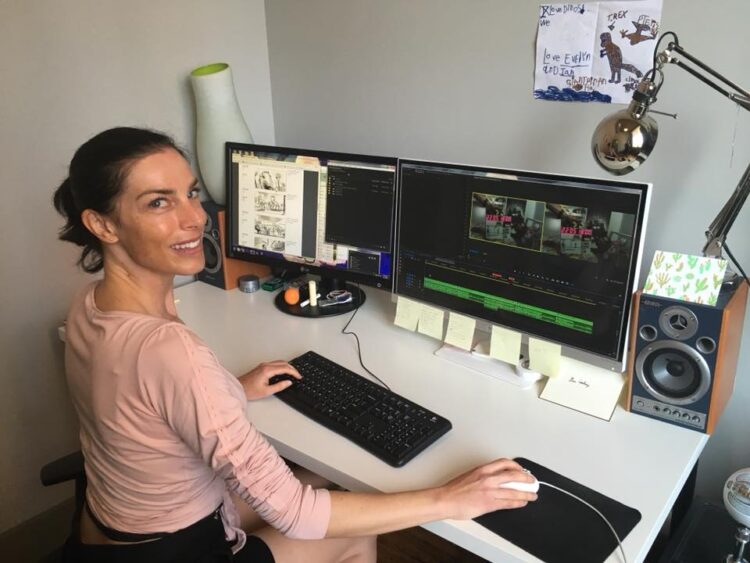 Courtney Goldman is a Senior Editor with over 10 years’ experience, 3 Emmy nominations, a Canadian Screen Award nom, a Director’s Guild of Canada Award win, a Canadian Cinema Editor’s Award win and several more nominations. She’s cut over 100 episodes of TV, plus was the Supervising Editor on dozens more. Courtney specializes in family, kids and tween, live action, scripted series (WAFFLES & MOCHI’S RESTAURANT, ODD SQUAD, GHOSTWRITER, ENDLINGS, etc) and long-form (DINO DANA: THE MOVIE, ODD SQUAD: WORLD TURNED ODD). Her jam is creative problem-solving edits and she adores helping bring stories to life.
Aren grew up in Vancouver in the 80s, making music and movies with his friends. He moved to Toronto to attend the CFC and went on to edit many features and series, including the recent KIDS IN THE HALL reboot, KIM’S CONVENIENCE and the new ORPHAN BLACK: EXHOES. Aren is driven to continually learn and push himself as an editor, and to share his knowledge with anyone who wants it.
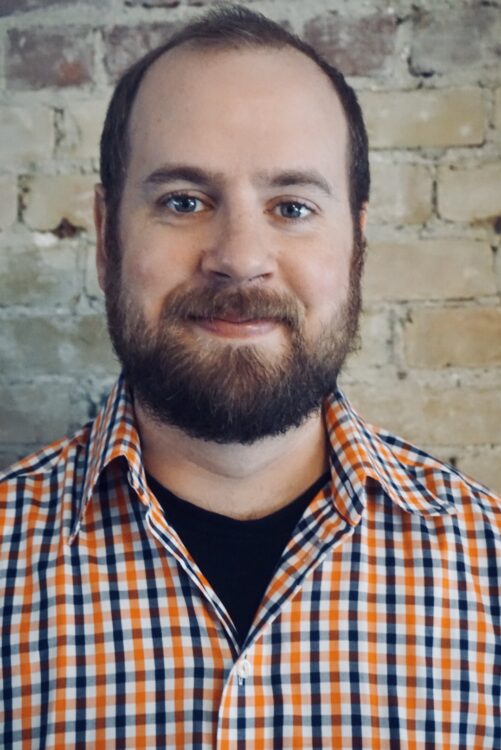 Christopher Minns is two time CSA nominee, CCE Awards winner. Christopher attended the Humber College Post Production Program in 2010. Since then, he’s been working in film and television for over 10 years, with credits including THE LAKE, GINNY AND GEORGIA, SURREALESTATE, CAVENDISH, LETTERKENNY and many more.
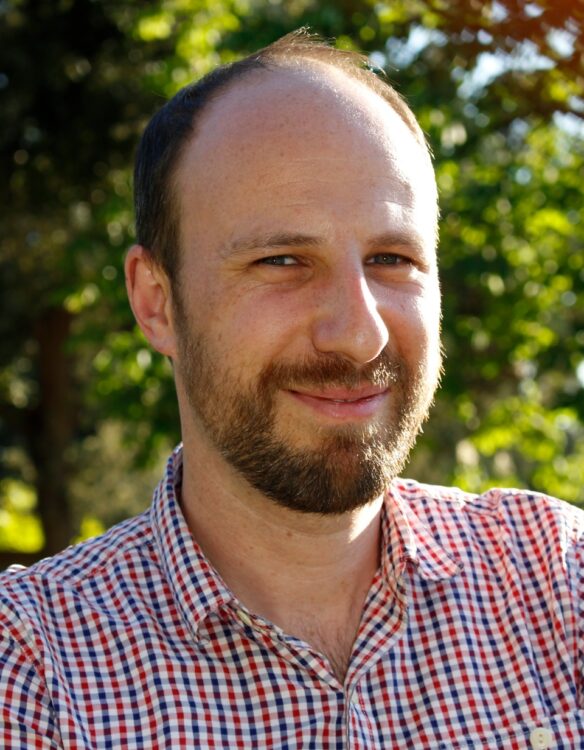 Philipson CCE is an award-winning editor whose credits include the TV series RAISED BY WOLVES, AMERICAN GODS and HANNIBAL, and Canadian film favourites such as THE WILD HUNT, voted Best Canadian First Feature and one of Canada’s Top Ten by the Toronto International Film Festival, and GROWN UP MOVIE STAR, a prize-winner at Sundance. Never one to turn down an adventure, he once traveled to Sri Lanka to edit an epic Action/Romance about the Sri Lankan civil war (in Tamil and Singhalese) for a director who contacted him randomly over the internet. Stephen is a graduate of the Canadian Film Centre and Emily Carr University of Art and Design.
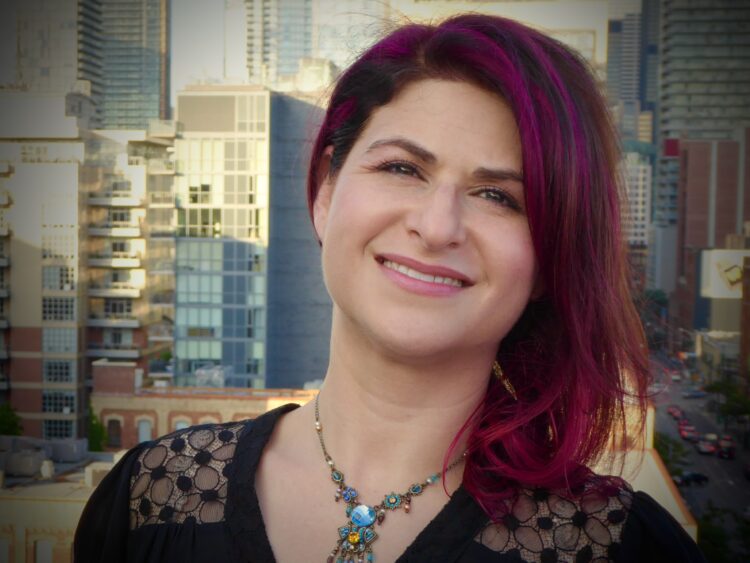 Gillian is a Toronto-based editor with a diverse career editing drama series, feature films, and MOWs in a variety of genres. She has had the good fortune of working with many prominent and celebrated producers, directors, and screenwriters.
Gillian is best known for her work on ORPHAN BLACK, ANNE WITH AN E, and THE EXPANSE. She has won two CSA awards, a DGC award, and has earned twelve award nominations.
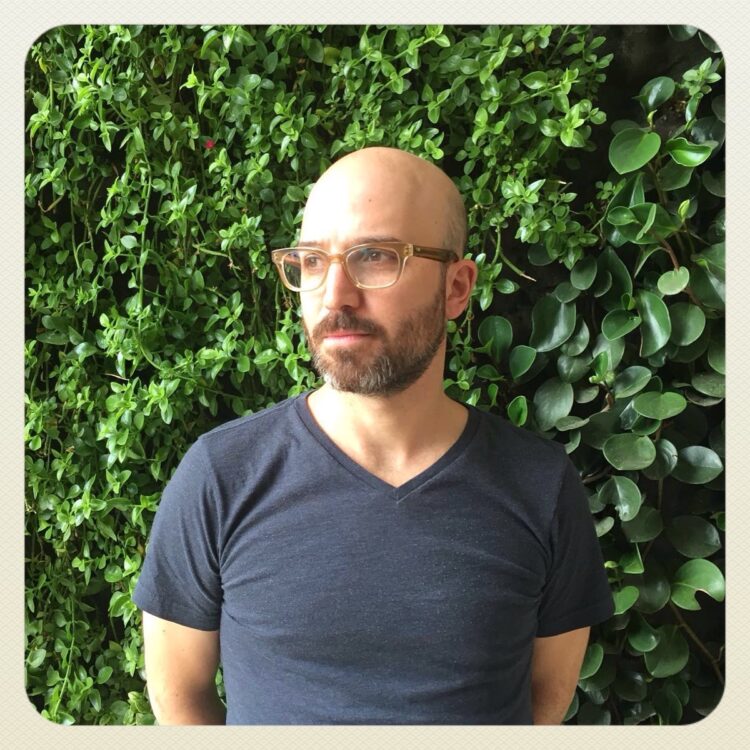 Jorge Weisz, CCE was born and raised in Mexico City and is currently based in Toronto. He has worked on award-winning films such as Peter Stebbings’ EMPIRE OF DIRT, which premiered at TIFF 2013, Michel Franco’s LAS HIJAS DE ABRIL, which won the Un Certain Regard’s Jury Prize at the 2017 Cannes Film Festival, and Danis Goulet’s NIGHT RAIDERS, which premiered at the 2021 Berlin International Film Festival under the Panorama section and had its North American premiere as a Gala at TIFF. Recently, he teamed up again with Christian Sparkes for the film Sweetland.
Currently, Jorge is working on the series THE HORROR OF DOLORES ROACH for Blumhouse/Amazon.
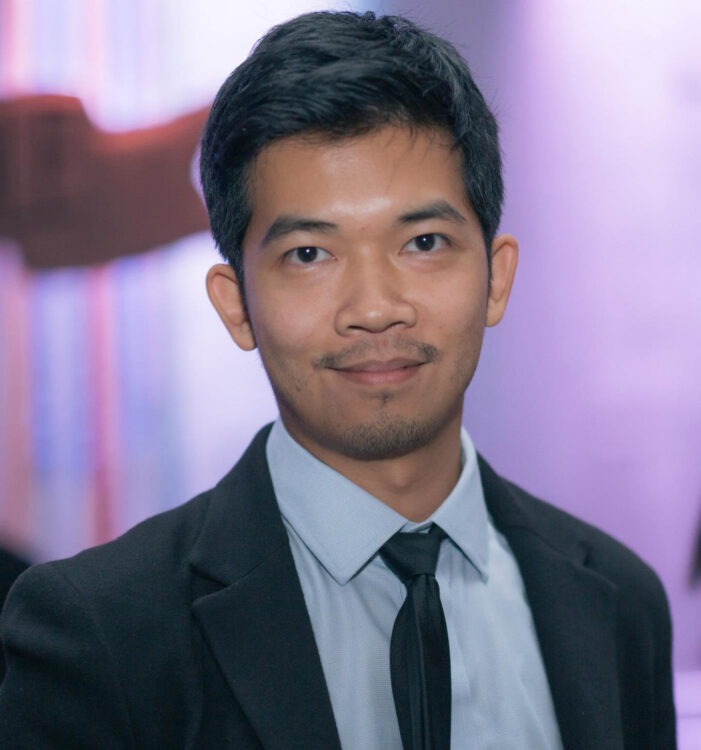 Nicholas Wong is an award-winning editor, who continues to deliver high quality work and collaboration that is sought after in the film and television industry. Since graduating from Ryerson University with a B.F.A. in film studies, Nicholas has applied his extensive knowledge of filmmaking and storytelling to a successful career in editing. Working in a variety of formats, including half hour and hour long episodic television, features, music videos, and web series, Nicholas’ credits include THE EXPANSE, CODE 8, UTOPIA FALLS, KILLJOYS and BARONESS VON SKETCH SHOW, for which he received the CSA Award for Best Picture Editing, Comedy in 2020.
Nicholas is currently working on the fourth and final season of SNOWPIERCER for TNT.
This episode was generously sponsored by IATSE 891.
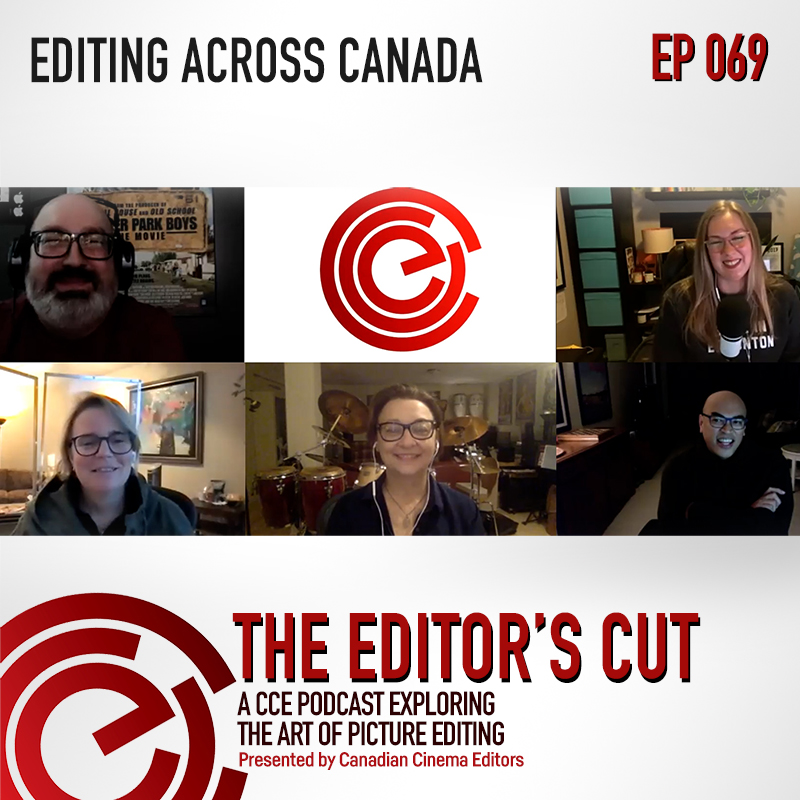
Annie Ilkow, CCE (GHOSTS) from Quebec, Jeremy Harty, CCE (TRAILER PARK BOYS) from Nova Scotia, Lisa Binkley, CCE (ZOMBIES 3) from British Columbia, Roderick Deogrades, CCE (CHAPELWAITE) from Ontario and Sarah Taylor (THE LAST BARON) from Alberta talk about their process and how it can be different (or similar) based on where they live.
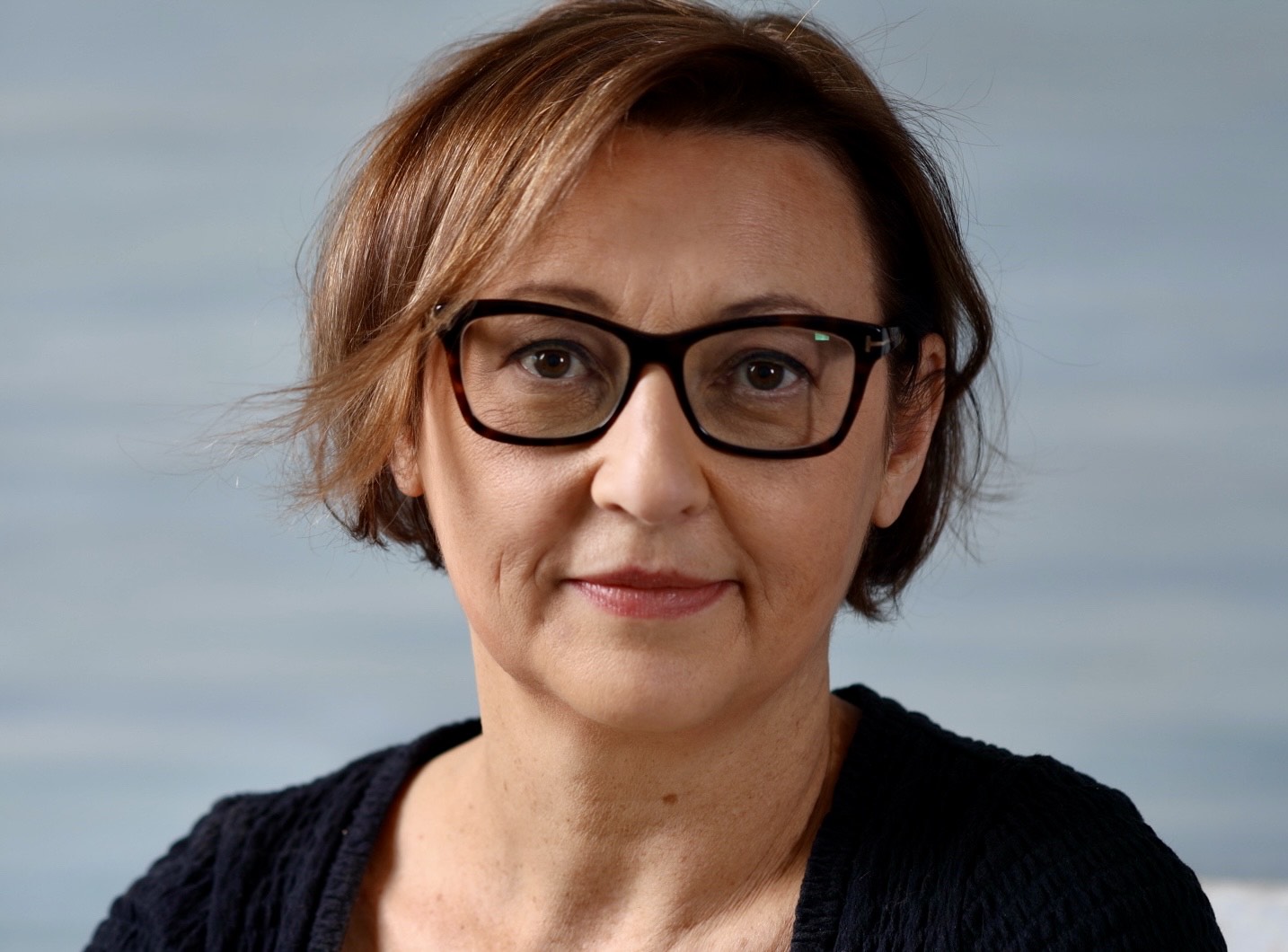
Annie Ilkow is a Montreal-based editor whose recent work includes Ghosts (CBS, single-camera comedy), TRANSPLANT (2 seasons, for NBC/CTV), and BLOOD & TREASURE (2 seasons, CBS action-adventure). She also edited the critically-acclaimed drama 19-2, the seminal DURHAM COUNTY. A graduate of the film program at Concordia University, she earned her MFA in Cinema at the University of East Anglia, UK.

Born in BC, Raised in NS, calls Halifax home since 1998. Met Mike Clattenburg and edited his low budget feature TRAILER PARK BOYS in 1999. Since then has been doing anything TRAILER PARK BOYS related. Started editing things with Cory Bowles whenever our schedules allowed. Married with three kids and owns and operates Digiboyz Inc. (Post Production) since 2001.

Award winning film and television editor Lisa Binkley began her career in post-production after having studied theatre and film production at U.B.C. She graduated from the Media Resources Program at Capilano University. Since then she has worked on numerous feature films, MOWs and television series. Her work was recognized when she received a Gemini Award (CSA) for her editing of the mini-series, HUMAN CARGO. This Canadian/South African co-production was directed by Brad Turner (HOMELAND & 24) and it received 17 Gemini Nominations and also won a Peabody Award. Her work on MGM’s critically acclaimed science fiction series, THE OUTER LIMITS and Showtime’s, THE L WORD (Written and produced by by Ilene Chaiken) has given Lisa the opportunity to work with such directors as Marlee Gorris (Academy Award Winner – ANTONIA’S LINE), Moises Kaufman (THE LARAMIE PROJECT), Helen Shaver (VIKINGS), Lynne Stopkewich (KISSED), and Kimberley Peirce (BOYS DON’T CRY). She is currently working on ZOMBIES 3 for Disney+, directed by Paul Hoen. Lisa is a full member of IATSE 891, ACFC West and is a voting member of the Academy of Television Arts & Sciences. In 2008, she was inducted as a full member into the Canadian Cinema Editors (CCE) honourary society.

Roderick is an award-winning Picture and Sound Editor who has worked in the film industry for over twenty years. His extensive knowledge of both sides of the post equation has proven invaluable. His experience in feature films, TV series, shorts and documentaries has established him as one of the industry’s most sought-after collaborators. On the picture side, he is known for his work on STILL MINE (2012), VICTORIA DAY (2009) and ONE WEEK (2008). For television, he has edited THE EXPANSE (Season 3 to 6), KILLJOYS (Season 4 & 5), and Chapelwaite (2021). He picture edited acclaimed documentaries such as 100 FILMS & A FUNERAL (2007), THE GHOSTS IN OUR MACHINE (2013), DAVID & ME (2014) and SILAS (2017). His sound editing work includes SPLICE (2009), PASSCHENDAELE (2008) and SILENT HILL (2006). He is currently picture editing the series BILLY THE KID.

Sarah Taylor is a multi-award-winning editor with twenty years of experience. She has cut a wide range of documentaries, television programs, shorts, and feature films. Sarah strives to help shape unique stories from unheard voices. She is a member of the Directors Guild of Canada (DGC) and the host of of the Les Monteurs et Monteuses de cinéma canadien (CCE) podcast The Editor’s Cut. Sarah is also the co-host of the podcast Braaains.

The Editor’s Cut – Episode 069 – “Editors Across Canada”
Sarah Taylor:
This episode was generously sponsored by IATSE 891.
Lisa Binkley, CCE:
Saying no sometimes can be a good… and it’s taken me a long time to learn that. And I think if more of us do that, I think it might be a better working conditions for everybody. So, does this really have to go out tonight? Does it really? Or can this wait till tomorrow?
Sarah Taylor:
Hello, and welcome to the Editor’s Cut. I’m your host, Sarah Taylor. We would like to point out that the lands on which we have created this podcast, and that many of you may be listening to us from, are part of ancestral territory. It is important for all of us to deeply acknowledge that we are on ancestral territory that has long served as a place where indigenous peoples have lived, met, and interacted. We honor, respect, and recognize these nations that have never relinquished their rights or sovereign authority over the lands and waters on which we stand today. We encourage you to reflect on the history of the land, the rich culture, the many contributions, and the concerns that impact indigenous individuals and communities. Land acknowledgements are the start to a deeper action.
Today I bring to you the virtual event that took place on November 2nd, 2021, a conversation with editors across Canada. We’re joined by Annie Ilkow, CCE from Quebec, Jeremy Harty, CCE from Nova Scotia, Lisa Binkley, CCE from British Columbia, Roderick Deogrades, CCE from Ontario, and myself, Sarah Taylor from Alberta. We talk about our process and how things are different and the same, based on where we live.
[show open]
Sarah Taylor:
Today, we are going to be talking about editing across Canada. So, I’m pleased to be joined with Lisa, Annie, Jeremy, and Roderick. So to start, I just wanted to go through the group and kind of give a brief history of our careers and, where we’re from, where we started, and how we got to the location we’re at now. I figured just to get the ball rolling, I’ll start. I’m Sarah Taylor and I’m based in Edmonton. And I’m wearing my, still in Edmonton shirt because I’m still in Edmonton. I went to Grant MacEwen, which was a local college, now university. Took a digital arts and media program, which was kind of a generalist program. We learned graphic design, photography, shooting, editing. And then I fell in love with editing, realized that I could sit in a dark room for hours and hours on end by myself, and I really liked it, so I pursued it.
I had the privilege of working at a local TV station for about four years where I got to work with seasoned editors, which I think is kind of a novelty now. I feel like that’s not happening as often. So, I was lucky to learn from some pros, which really gave me a good learning ground. And then I dabbled in some corporate video production houses for a while, and then I broke it into the freelance world in 2012. And that’s where I’ve been ever since. And my main focus has been documentary, because documentary’s quite strong in Edmonton, but I have been lucky enough to do a bit of everything. So, I’ve done some scripted comedy, I’ve done some feature films, I’ve done a lot of short films. And I love living where I’m living, and I have a family and it’s great for me. So, that’s my start and where I am now. So, I’m going to pass it on to Lisa.
Lisa Binkley, CCE:
My name’s Lisa Binkley, and I’m based out of Vancouver, British Columbia. I went to UBC for two years, and I took theater. And as part of the theater program, I took a film history course. And it was by a woman who was an incredible teacher of film history, and she totally opened up my eyes to the fact that, oh my God, you can actually earn a living and work in this industry in Vancouver. And it was back in the early days. I’m embarrassed to say it’s quite a few years ago when the film industry was just sort of starting here. So, I went to school for two years at UBC, and then I went to two years to a media resources program at CAP College in North Van. And that was great because it was everything. It was photography, audio, video, film, editing, everything, and graduated from that. And a couple of people from that program had gone on into editing. And through the film history course that I took, I realized the people who I most admired and the films that really impacted me as a young person, I studied who those filmmakers were, and they were at one point editors. So I thought, I’m going to go into editing. That’s what I’m going to do. And I did. And so I harassed every editor in town after I got out of school until one assistant finally called me back and asked me to come down. And I worked as a PA at first. And since then, worked my way up. I went from production assistant running around getting lunches for everybody on a show called MacGyver. And I just worked my way up as a second assistant, first assistant, and then begged and begged and begged to get episodes to cut, and got an episode, got a couple more episodes, and then finally made the jump, which is very difficult from assisting to editing. And I’ve done editing full-time since ’95.
Sarah Taylor:
That’s awesome. Jeremy!
Jeremy Harty, CCE:
My name is Jeremy Harty. I started out in radio and television broadcasting, of course, in Nova Scotia, and that’s where I am right now, in Halifax. And that was in ’98. I got lucky with an internship at a small post-production company in the city, and that turned into a full-time job. And from that, I met some people. I got connected with Mike Clattenburg, the creator of Trailer Park Boys, and that pretty much started my career and doing short films with some of the cast from the show over the years, like Cory Bowles. And then he did a feature film. And I’ve done all sorts of weird stuff like that. But I’ve been mostly Trailer Park and comedy, and that’s my bread and butter. Not too exciting, but…and I own a small post production facility out here just to try to keep myself busy on different facets besides just editing.
Sarah Taylor:
I think it’s pretty exciting. I’m just going to say, comedy in the edit suite’s the best.
Jeremy Harty, CCE:
Oh yeah, there’s lots of good pranks.
Sarah Taylor:
Yeah, I bet. Annie.
Annie Ilkow, CCE:
Well, I grew up in Montreal. I’m one of those Anglo-Montrealers, that small slice of the population. And I went to Concordia University. I did two degrees. Actually, I have third degree burn… I did a BA in English and a BA in film production, and then I did an MFA in England in film. I was lucky enough to come into the NFB in Montreal at the tail end of some of the careers of some of the pioneers of the sixties, so Wolf Koenig and those crew who gave me my start as an editor. So, I started cutting documentaries, and then I have moved on to doing… Well, one of the nice things about Montreal is that it’s a very small pond, and so we’re lucky enough that we get to do a lot of different things. Not a lot of editors in the industry get to do doc and fiction and comedy and move between those throughout our career, so I’ve been lucky enough to do that. My husband’s also an editor, and we’ve been working consistently for the last 25 years, and that’s where I’m at.
Sarah Taylor:
It’s really cool to hear that in Quebec that I wouldn’t think that you would have the luxury to jump between genres cuz that’s what it’s like for me in Alberta. And I am surprised to hear that. That’s really great!
Annie Ilkow, CCE:
Yeah, I think it’s because it’s a small community of Anglo editors. That, we…you know, there is not that many of us. So we get to move between the genres. And it’s a real privilege for sure. I know how lucky I am.
Sarah Taylor:
Yeah, awesome. And last but not least, Roderick.
Roderick Deogrades, CCE:
So, I’m based out of Toronto, Ontario. Roderick Deogrades. Hello everybody. Welcome. I guess ever since high school, I knew I wanted to be in film. I just didn’t know how or what I was going to do. So, I pursued that. I tried to get into Ryerson. I didn’t make it into Ryerson’s cut. It was funny because they asked for like… an eight by ten envelope of submitting anything that you have. So, I came with my little envelope, and everybody came with boxes and reels and stuff, so I knew I didn’t have a chance. (deleted) So another university I applied for, I got in was University of Windsor. I thought I’ll go there for a year, and then go back to Ryerson. But I discovered fairly quickly that Windsor’s program was quite great. It was a communications studies program. And you start off by doing everything from film, TV, radio, advertising. And then your second year, you can focus on whatever you wanted to.
So, that’s what I did, and I focused on film and television production. And at the same time, I found a little bit of a loophole where instead of taking my electives, I can do another double major. So, I double majored in dramatic arts. So while I was doing film and TV, I was doing directing, acting, improv, costume design, stage lighting. It was a blast. I had such a great time at university. Got out of there, and I knew that I loved editing and I loved camera, so I didn’t know which way I was going to go. So, I kind of said to myself, the first one that hires me, that’s the road I’m going to go down. And I got a trainee assistant position at a low budget feature film, and it just snowballed from there for me. I took a little bit of a side tandem, almost like with the film and TV and dramatic arts. As I was trying to pursue picture editing through assisting and everything, I got connected with Jane Tattersall here in Toronto and I started assisting her in sound, ’cause I figured, oh… half of picture editing is sound editing, so I’ll learn that too. But fairly quickly, I became one of her sound editors doing features and TV shows while I was, at the same time, trying to work up my ranks as an editor. And so for a while, it was a bit like a lot of sound, hardly a lot of picture. And then all of a sudden, this kind of came up. And then, so now I’ve mostly been focusing on picture editing for a few years now. And I’ve done everything from features to series to shorts to a lot of documentaries, different genres too as well. And I have a blast doing it.
Sarah Taylor:
Working with Jane Tattersall, that must have been so much amazing knowledge to gain. And like bringing that into the picture editing world, that’s amazing.
Roderick Deogrades, CCE:
It was great. When I started with her, it was just her and David McCallum and me.
Sarah Taylor:
Wow.
Roderick Deogrades, CCE:
So, it was like very early days when she left Casablanca, and it was great. What a great mentor to have in terms of the sound and of things. And everything that I’ve learned in sound, I just use every day in picture.
Sarah Taylor:
Oh…That’s awesome. That’s a great… I feel like all editors should have at least like…I don’t know…. a couple weeks working with the sound, like somebody like Jane Tattersall that would bring a lots back into the edit suites. Well, my next question is how do we find work in our area? Like…what are the ways of getting your next job? For myself, it’s just been word of mouth for me. And I find, like I mentioned earlier, working in the TV station, a lot of young producers and directors started their careers there too. So, I made these connections with all these people just starting their career. And then as I got more seasoned, they were also getting better and doing more, and they would remember me from back in the day. And so I’ve got a lot of work either through the people, directly through them, working with them, or they said, “Oh, you should go talk to Sarah.” And then slowly as I… and then I just built a reputation. I work with the same directors and the same producers often over and over again. I’m guessing similar to Jeremy, I started working on a series called Caution: May Contain Nuts. And we did five seasons, and then we did Tiny Plastic Men, so we did four seasons of that. And then we did another show called Delmer. And so I just kept working with that production company on all of their shows, and that’s kind of how it’s been going. And then it’s helped being part of the CCE and getting nominated for awards and for people to put their name out there because I’ve been also lucky enough to get jobs by not even winning the awards necessarily, but my name being on an awards nominee list. Then somebody’s looking for an editor, they wanted somebody new to work with, and I’ve gotten contacts that way too. So yeah, it didn’t really matter that I was in Edmonton for some of those jobs. They just found me through an award list. And then I got to work on a cool show that wasn’t based out of Alberta. So, that was a neat turn of events for me. Let’s go backwards. We’ll start with Roderick in this one.
Roderick Deogrades, CCE:
Well, I was the same as you kind of starting off. It was always word of mouth. It was always through like people that I’ve worked with before that would then seek me out under next projects. Lots of things like, “Hey, do you know an editor?” “Yeah. Oh yeah. Actually, I just worked with somebody.” So, it was a lot of that. And that’s how I relied on getting my next gig for the longest time. And I kept consistently busy. Now lately, I’m in that kind of world of being represented by agents, and so my agent now plays a bigger part in terms of getting me into doors, where I normally… before I got an agent, I normally wouldn’t have the opportunity to, because either it’d be too late because I didn’t know about them or the particular job. So, I get that. I still get my regular sort of people I collaborated with in the past. And you make a really great point, Sarah, about the whole kind of awards and nomination thing, because it is another way to get your name out there and doing things like this and just being visible and being upfront as somebody that people can recognize and look at and seek out.
Sarah Taylor:
Yeah, I totally want to touch on the agent stuff.
Roderick Deogrades, CCE:
Yeah.
Sarah Taylor:
So, we’ll talk about that again later, but I think-
Roderick Deogrades, CCE:
Sorry. Yeah.
Sarah Taylor:
I would just be curious to know your experience and if anybody else has got experience with that. How about Jeremy?
Jeremy Harty, CCE:
Basically, it’s word of mouth for me. And like I said, I got partnered up with Clattenburg early on. We were doing a beer commercial. And then one day, the editor at the post house said, “Yeah, Clattenburg has some short film or feature length film. I don’t know. I don’t have the time for it.” And so for 13 hour days for five days straight, we cut the first black and white feature. And then it got sold as a series, and that just was along that path. And everything else in my career has basically been with people that were brought on as producers on that or actors from the show that have done other things, and just that kind of word of mouth. Unlike some people, I haven’t been too blessed with nominations or anything. Trailer Park’s not really one of those things that people go to and say, “Oh, the editing is so amazing on that show.” So, that doesn’t get me any gigs. It’s just working with the small people in this community that are tight-knit and having that word of mouth is a godsend really.
Roderick Deogrades, CCE:
Sorry Jeremy, but the editing in Trailer Park Boys is pretty damn good.
Jeremy Harty, CCE:
Sometimes. Sometimes.
Sarah Taylor:
Yeah, it’s very important.
Lisa Binkley, CCE:
Yes, an iconic television. It’s like it doesn’t get much bigger than that in Canada. It’s amazing.
Sarah Taylor:
Come on!
Jeremy Harty, CCE:
Well, we are blessed with our fans that are still following us, even though we’re not so active. We did the animated series, which is… that was so different, cutting animated from the stuff that I was used to. It was a big learning curve, but I was-
Lisa Binkley, CCE:
No kidding.
Jeremy Harty, CCE:
… blessed with some good people that help me along on that path.
Sarah Taylor:
I didn’t even think about… I noticed that that was on your resume, and I didn’t even realize, well yeah, that’s a whole different world, doing animation editing versus normal picture editing.
Jeremy Harty, CCE:
Yeah, you’re just cutting sound and hoping that the picture won’t suck later.
Sarah Taylor:
Oh, I love it. That’s awesome. Okay, how about Annie.
Annie Ilkow, CCE:
The situation in Montreal is, as you can imagine, a little bit unique in that we’re dealing with the two solitudes. And I always get my jobs through producers and directors that I’ve worked with before, but there’s the added difficulty of crossing over between the languages sometimes. And usually what ends up happening is a francophone director will get a gig in English, and then they will meet me and they will bring me over to the French side, because otherwise, I wouldn’t be asked to do those jobs. There’s many, many great francophone editors in this town. So, that’s the way I’ve managed to cross over to do work in French, but it hasn’t happened as much as I would like. So generally, I work for two or three production companies in our town. And some of them are service jobs, and some of them are homegrown productions. And there’s a few shows like Transplant that I’ve been cutting for the last two seasons that are shot in Montreal, so I got the gig. But generally, it’s those relationships with the production companies that are doing big budget stuff, and I’ve been lucky enough to get those gigs, but it is tricky. And in terms of agents and stuff, I know a lot of other editors who have ditched their agents because all of the jobs come through word of mouth, and they just don’t feel like they want to cough up the 10% or 15% to the agent because it’s not really bringing them anything, because it is such a sort of a word of mouth kind of community here. So in Montreal, it doesn’t really work. But definitely, I think we are all looking at how things are changing in terms of tax credits and jobs being kind of done remotely. And I got a job in LA and I got a job out of BC. And so because there’s such a demand for labor, sometimes people are willing to take the hit in terms of the tax credit and hire you out of province to work somewhere else. So, that’s starting to happen I think more and more.
Sarah Taylor:
That’s really great to hear. I think Roderick, you have a similar story where you’re working in BC on a show. And I think even for myself, over COVID was working with a company in Italy. So, there’s like a weird random things that can happen. I don’t know how tax credits work there, but typically, it was always like, “Oh no, sorry, you need to be an Ontario resident or you need to be an Alberta resident because we need this tax credit.” So, it’s really great to hear that that’s shifting. I think through COVID, we’ve realized we can do work anywhere. It’s possible.
Annie Ilkow, CCE:
Exactly.
Annie Ilkow, CCE:
Yeah.
Sarah Taylor:
A lots great to hear.
Annie Ilkow, CCE:
Yeah.
Sarah Taylor:
Lisa.
Lisa Binkley, CCE:
Yeah, it’s the same thing. I find out from word of mouth from producers and directors I’ve worked with in the past. I’ve never had an agent. I think I looked into doing that at one point because I was hoping that it would bring a variety of other projects or higher profile projects. But I found from talking to other people, at least in Vancouver, that it is pretty much word of mouth and your reputation. So, I just haven’t thought that it would be something that… because I kind of feel like I’ve got a name for myself here, so I think people will call upon me. I have to admit though, some of the bigger projects that have come to town you’d miss out on, and I kind of wonder what was that because either you didn’t get the connection of the person that was involved or agents got there beforehand. And people, sometimes they’ve gotten interviews, and you didn’t even get a chance to interview and they’ve already got the job. So, it depends. I can see a benefit to agents, but for me personally, I’ve been, I guess, fortunate to have not to had to rely on one. In Vancouver, the climate’s a little different in that it’s a heavy service industry here, and they do a lot of shooting on bigger shows, but they don’t necessarily hire editing here. So, it’s tough because we primarily… most of the shows that work here that hire editors traditionally have been Hallmark and Lifetime. And right now, it has sucked up quite a few of our talent so that people aren’t available for the bigger shows that do come to town that would maybe hire local editors. So, it’s tough because you do want to get better shows to work on, more creatively interesting shows to work on, but for a lot of us it’s really difficult because those opportunities are pretty slim. So, there’s so many of us, and then we’re all vying for the same kind of jobs. And we really don’t have a lot of local independent Canadian production happening here as well. We lost our Western drama division years ago, so everything sort of is being developed out east, and it’s not really happening out here. I’m very fortunate to be starting on a show that is a local show, and I have been very fortunate to work on local shows in the past, but we really don’t have as much as, say Toronto does with their co-productions. It’s very competitive here.
Sarah Taylor:
That’s kind of that idea of… same with like in Alberta. Maybe it’s similar in Nova Scotia where there’s shows that got shot in Alberta in the Mountains in Calgary all the time, major, huge shows. And the thought of post is like meh…not even a…yeah…which is unfortunate.
Annie Ilkow, CCE:
I just wanted to ask… like I said, I’ve been really lucky to be working consistently and on good budget shows and interesting shows, but I got to admit that it’s usually like there’s one or two. And are you actually in a position to pick and choose between two, or God knows, three projects? Does that exist in the rest of Canada? Is that something that happens. Because I’m like, woo, okay, I got that show for the next three months, woo-hoo. And I’m not complaining. They’re great shows, but there is one, and I know there’s six of us in town that… and so it’s kind of like that here. I don’t know. What is it like for you guys? Do the people living in bigger cities or with agents, does that make a difference? Are you picking and choosing or-
Roderick Deogrades, CCE:
I think to a certain degree, they’re like in Toronto anyway, there is a lot more productions going through here and looking for editors. And I mean, once a while…we started up after the lockdown and production started going back, and everybody was clambering to get crewed. And so there was so much to choose from. During that time, there was actually a lot to choose from in terms of where you wanted to end up first. And even now, I find that there is… my agent, I’ll call and kind of coming up to the end of a show that I’m on, it’s like, “Okay, so what’s coming up?” And she’ll usually say, “Okay, well, there’s this show, there’s this show, and there’s that show. Which one are you interested in? Which one should we pursue?” Right? But that doesn’t mean that I’m like, all three shows want me. It’s like what do I want to go for?
Sarah Taylor:
Yeah.
Annie Ilkow, CCE:
Right. Right. That’s great.
Roderick Deogrades, CCE:
And also is it like, do you want to get into features on your next round? Do you want to go into series? Right?
Annie Ilkow, CCE:
Yeah.
Roderick Deogrades, CCE:
So, there is… and then plus, and that’s what the agent is sort of presenting to me. But sometimes, at the same time, I’ll have producers and directors I’ve worked with before also emailing and calling and saying, “Hey, somebody’s coming up, what’s your availability?” So, I got to weigh all that together.
Sarah Taylor:
Yeah.
Annie Ilkow, CCE:
Right.
Roderick Deogrades, CCE:
So I mean, it’s Toronto, right? Because I could imagine that it’s not like that countrywide, but that’s what I’ve experienced. And not just me, but also other editors that I talked to as well.
Jeremy Harty, CCE:
I have to say that out east out here… it was funny, when Lisa was referring to out east, I was thinking-
Lisa Binkley, CCE:
How far east?
Jeremy Harty, CCE:
Yeah. This far east, we maybe have three or four shows, tops. I have to say that there’s a lot of resentment in my heart sometimes when I hear of a show shooting here, and then I hear that, Toronto. That’s where all the post is going back. And I’ve started a post house here in hopes of keeping some stuff here, but it’s hard. Even with a post house, we were the lab on The Sinner, and they didn’t even want to talk to any of us about editing that. So, it’s… shows come in, and they’ve already planned they’re going out. They’re not going to even sit here. And sometimes, they don’t even process their footage here when they’re done shooting. They just ship it all out to Toronto or New York or LA.
Sarah Taylor:
Or they bring their own crew. I know that happened… I was talking with the editors of Ghostbusters, and they went to Calgary and were doing cutting in Calgary. I was like, oh, I’m glad that you cut it, but I was like, oh-
Jeremy Harty, CCE:
There’s been some editors that have cut shows that have been shot here, and that we were hoping crews would be working here. But yeah, they went back, one editor there and one editor here.
Sarah Taylor:
Yeah.
Jeremy Harty, CCE:
Split.
Sarah Taylor:
For me in Alberta, I just say yes to everything. Now, I’m trying to say no more, but I often find that I’ll be like, oh God, every… and especially after COVID, and we paused and then everything started again, I was like, this hasn’t worked well for me. I have too many things to do. It’s all doc, mostly doc for me. And so the only scripted show that’s been happening as of late has been Heartland, and that’s done now in Calgary, so it’s not even on my radar. So yeah, there’s definitely not any vying for options really.
Lisa Binkley, CCE:
Here in Vancouver, I think there’s a lot more opportunity to work on bigger projects if you’re an assistant.
PART 1 OF 4 ENDS [00:25:04]
Sarah Taylor:
Yeah.
Lisa Binkley, CCE:
They tend to get better opportunities in terms of the big features and working with editors that are iconic people. That’s cool for assistance in Vancouver. I just wish on some of the shows that were up here that are the bigger ones that they would at least interview. If we could just get an interview just to meet people. I find that the local producers here barely know what we do. It’s really… it’s sort of hard… you can’t even get yourself at the table, which is too bad, because we have so many talented editors and assistants here who are incredible. As I’m sure that we are across the country. It’s, again, trying to get the opportunity to get your foot in the door is a real challenge.
Jeremy Harty, CCE:
I got to figure too, that we’d be cost effective.
Sarah Taylor:
Yeah.
Lisa Binkley, CCE:
I know. I know.
Jeremy Harty, CCE:
Why aren’t they even considering that. I’ve cut shows that I know if it was cut in Toronto or somewhere else it’d cost even more than me cutting it. I’m pretty cheap.
Annie Ilkow, CCE:
Right now I’m cutting a show for CBS, which is normally would’ve been cut in LA, but it’s being cut in Montreal and there is an LA editor and then two Montreal editors. It’s a bit of a learning curve for the Americans, because they’re used to… they’re a bit chauvinistic when it comes to talent. It usually… It takes two or three weeks before they’re like, “Oh, you guys get it?”
Lisa Binkley, CCE:
Yes.
Annie Ilkow, CCE:
It’s all like… I’ve seen it. I did a show for MGM. I did another show for CBS. Then the same thing happens every time. They’re like, “Yeah, I don’t think you guys… do we really… have you seen Seinfeld? Do you understand?” They really don’t think that we share any cultural touchstones at all.
Sarah Taylor:
Oh dear.
Annie Ilkow, CCE:
They think we’re like Finland? Then they see your work and they’re like, “Oh, oh, okay!” They’ve sort of accepted it from the crew for a long time, but from… in post it’s kind of new. The show I’m doing now is a comedy and they’re like, “Oh, but you’ve done drama, but comedy that’s way different. You can’t possibly know what that is.” They get it and then they’re like, “Okay.” It’s really… it’s top heavy. It’s hard for them to get it at the beginning, but eventually they do. They have to… it’s, obviously, the bottom line. We’re so much cheaper, and the tax credits, and everything make it just much more attractive. CBS has a relationship now with the company I work with in Montreal a lot. It’s really a tough slog to get them to see the post as good as the crews are now. I think the crews are seen as top-notch, but at post they’re still not getting that.
Lisa Binkley, CCE:
We’ve been saying this, I remember when I started out, it’s been that way since the beginning. It’s almost… When I started out I was on a big MGM series, the first, I think, it was the first visual effects series done in Canada called the Outer Limits. It was an amazing project and it trained a whole ton of people that have since gone on to do really incredible things, but the opportunities for that talent, the types of shows, levels of shows that we could be working on it hasn’t gone like we were all hoping it would. Do you know what I mean? It’s sort of stagnated.
Sarah Taylor:
And in BC, you have damn good editors. Is that what this is called?
Lisa Binkley, CCE:
Yes, with IATSE.
Sarah Taylor:
And we have a post production allian… or association in Alberta, that’s talking to government and trying to like, promote Alberta editors and I know that Ontario has Ontario Creates so maybe and like there’s all these, I think people are trying to start. They are starting, but it’s still getting the message out there that giving us a chance or at least looking at the options. The more we talk about it maybe the more it’ll get better? I wanted to ask Rodrick, what made you decide to get an agent and how have you noticed the shift? Because I think people are curious about that.
Roderick Deogrades, CCE:
I was very late and I was very hesitant in the whole agent thing, because for years and years, I’m cutting docs, I’m cutting features, I’m doing all this stuff, and I’m not having to look. I didn’t… as Lisa was saying, I didn’t want to give up 10%, right? But slowly but surely what I started discovering was the shows that I did want to get onto every time I contacted the producers or the production they’d already crewed, right? Way ahead of me even knowing that they were going to be in town. I was like, “Hmm, okay. Great.” Or I would get calls from those big shows saying, “Hey, we need another editor. We lost an editor. Are you available?” But, I’m already committed to something else that I’d gotten on my own, so I couldn’t really leave. And then the clincher for me was early in my career I would have up-and-coming creatives and professionals, “Hey, can we go for coffee? I just want to pick your brain about getting into the industry.” I’m like…
Sarah Taylor:
Yeah.
Roderick Deogrades, CCE:
“…yeah, absolutely.” Right? Then slowly but surely those people a few years later are the ones that are getting the gigs that I wanted. I was like, “What? What’s going on here?” It was because they were repped. Pretty quickly I was like, “Okay, I got to change my tune about this whole agent thing.” I did my due diligence and I got signed up with Vanguard. What that has afforded me is having a line into these productions that are thinking about coming to Toronto. The first thing those productions do in the States and everywhere else is they call the agencies in Toronto saying give us a list of your editors, right? Already they’re looking at my resume or they’re putting my name forward before they even set foot in here. Sometimes before they’re even green lit to come here. So by the time they do come here I’ve already been tossed around in their head. That’s the biggest advantage for me in terms of… that and not having to talk money with the producers.
Sarah Taylor:
Yeah. That would be the thing I would want.
Roderick Deogrades, CCE:
Going, oh yeah, you got to talk to my agent.
Sarah Taylor:
Talk to my agent!
Roderick Deogrades, CCE:
Sorry.
Sarah Taylor:
Oh, I would love that. Sometimes I joke that I’m like, I’m just going to pretend my husband’s my business manager. He’s got a different last name. Speak to my manager.
Roderick Deogrades, CCE:
Yeah, that’s the plus, right?
Sarah Taylor:
Yeah.
Roderick Deogrades, CCE:
I still get my roster of people I collaborate with and producers. I’m more than happy to do that, but it feels like now I’ve got, as sort of being in Toronto, I have more choice in terms of what I want to do next, where I want to take my career. And my agent is also very keen, tuned into what I want to do or where I want to be in five years, in ten years.
Sarah Taylor:
Yeah.
Roderick Deogrades, CCE:
They’re strategic about where to put me. They’re not going to just put my name out anywhere. They’ll go, “Oh, no. That’s not for you. This one. I want you to work with this filmmaker, because I think this is a good investment in that.” Right.
Sarah Taylor:
You saying that makes me think it almost forces you to have like… a plan, right?
Roderick Deogrades, CCE:
A plan.
Sarah Taylor:
To think where do I want to go? Where do I want to be? Maybe other people do this, but I’m not the best at it. Where it’s like, “I’m busy. I’m working. I’m just going to keep working. I’m going to keep doing the thing I do, because I’m making money. Everything’s great.” But you need to sometimes pause or have an external person be like, “Well, what do you really want to work on?”
Roderick Deogrades, CCE:
That was the first question they asked me. Where do you see yourself in five years? What kind of shows do you want to cut in five years, right? Within the year they got me that kind of show.
Sarah Taylor:
Oh, that’s awesome.
Roderick Deogrades, CCE:
Right. I was just like, “Okay.”
Sarah Taylor:
What’s happening?
Roderick Deogrades, CCE:
This is great, right? Yeah. After a year we had a meeting, I was like, “Now what?”
Sarah Taylor:
Yeah. Like you… That’s great. Oh!
Roderick Deogrades, CCE:
Right.
Sarah Taylor:
Well, that’s a success story. An agent success story. Okay.
Roderick Deogrades, CCE:
Yeah. It is.
Sarah Taylor:
That’s great.
Roderick Deogrades, CCE:
Look, I have to say that it’s not just get an agent and everything will work out great, because it really is a relationship that you have to… as much as they’re interviewing you to sign you up to their agency you’re interviewing them. Is this the kind of person that has your best interest at heart? Are they going to work with you in terms of where you want to go? That’s something to really consider when you are talking to agents. A little bit about what the roster is like. Do you feel a niche in their group of editors that they might have that doesn’t match somebody else? Therefore, now you’re unique within their roster of editors. That’s something else to look into as well.
Sarah Taylor:
Awesome. That’s great. We have a couple of questions that actually go into our next topics. First, Alex wants to know, Annie, what Montreal post houses do you work with?
Annie Ilkow, CCE:
Well, it’s…become heavily consolidated lately. So there is MELS and there is Difuze, those are the two main places that are still hosting out edit facilities. Of course, there are lots of tiny ones, but those are the two main labs down. And they are both owned by…well one is owned by Quebecor, and that’s probably follows the move in most of the industry, just that consolidation. That’s like all the small places that used to be the little boutique places that are really fun to work at, kind of gotten eaten up. So that’s the situation in Montreal now.
Sarah Taylor:
Similar to Toronto, I feel like, too, right? There’s been a bunch of places merged. And then, Alex’s another question which is one of my questions is unions. So are you part of the union? What union are you part of? I’m a DGC Alberta person, but I haven’t had a DGC Alberta show in like five years, so it’s because it’s not happening. Yeah, where is everybody at with union?
Roderick Deogrades, CCE:
I mostly focus on that. Occasionally, I’ll get a doc that might not be DGC and then I get dispensation, but I’m mostly doing DGC Ontario shows.
Sarah Taylor:
I’m IATSE and we have a Quebec Union also called Actis. They recently merged, because it was for a long time it was just the Quebec Union and then some of the cinematographers called on IATSE and said, “Hey, we would kind of like representation.” Then it was like the monster came in. In a way it’s been awesome. So now that the two unions have merged, and it depends on the budget level of the show, but IATSE is. Yeah, that’s our main union here.
Lisa Binkley, CCE:
Same with us. We have IATSE 891 here, which I’m a member and we also have ACFC West, which is an affiliate union. Then we have a ton of non-union work, as I said, with the Hallmark and Lifetime. So-
Annie Ilkow, CCE:
Right.
Lisa Binkley, CCE:
Because we don’t get a lot of work, a lot of people are a part of everything, because it’s just the nature of the beast is that we have to earn a living, so-
Annie Ilkow, CCE:
Right.
Roderick Deogrades, CCE:
Lisa, what’s the difference between the IATSE and the ACFC unions out there?
Lisa Binkley, CCE:
It’s basically their contracts that they negotiate. Usually the IATSE shows are bigger budget-
Roderick Deogrades, CCE:
I see.
Lisa Binkley, CCE:
The ACFC shows are lower budget. The ACFC shows tend to support more local, locally independent Canadian or BC based productions, whereas, IATSE is this machine juggernaut for the service industry for all of the American TV shows that are coming here.
Annie Ilkow, CCE:
Yeah, same here.
Jeremy Harty, CCE:
I’m in the DGC and at the same time I am also in IATSE 667 as a DIT.
Annie Ilkow, CCE:
Okay.
Jeremy Harty, CCE:
Digital imaging tech. That actually has got me way more phone calls than DGC. I’ve been offered gigs in Manitoba and elsewhere, just because there’s a shortage there. So it’s funny, because I hope that there’d be more shortage of editors, so I could get more editing gigs, but there’s not.
Sarah Taylor:
The next thing I was curious about is what is your work environment like? We can talk about, what was it like pre-COVID and post-COVID. For me personally, it didn’t really change. I work from home. This is my edit suite where we are right now. There was one… I had one client director that liked me to work out of her home studio, so I would go there a few weeks out of every couple months, but then that stopped. That was basically it for me. Work from home kind of creates my own schedule. That’s what it’s been like since I started freelancing in 2012. I sometimes miss the potlucks that we used to have in offices and getting to have an editor come and look at a cut if I needed to get a fresh set of eyes, I miss that sort of thing, but I like that I can export something at six o’clock and then upload it and I don’t have to run around. Yeah, I can be at home still. Then it was an easy transition during COVID, because I was already used to being by myself.
Lisa Binkley, CCE:
Yeah, that’s great.
Sarah Taylor:
Yeah.
Lisa Binkley, CCE:
That’s great.
Sarah Taylor:
Yeah.
Lisa Binkley, CCE:
I was working at…it was strange before COVID I was at Finale this facility working on a show, a Netflix show, and there was three editors working, and, I think, we had four assistants. Then COVID hit, and we went home, and finished the shows, and we were like within two days up and going at home to continue. And then everything stopped after that show. Thank God we had that show. That was good, because it gave us some work into the time when everything shut down and then there was nothing for months. Then I worked on an independent feature that was shot in Taiwan…shot in Taiwan, Beijing, Detroit, and in Vancouver. I worked out of my living room, if you will, on a system. That was great. My assistant was in… two assistants were in Taiwan. It was fascinating, because we were thrown into that remote workflow and it worked really well. Then started on this project that I’m on right now at home. It was shot in Toronto and I was working at home and then the director, who’s from Los Angeles, wanted to work in person. I came back to Finale and he was here and this is why we have a little plexiglass. He sits over behind me with his N95 mask on and all the safety protocols are in place here. We did his cut and then it went to testing. We’re dealing with our testing notes now. It’s been a bit of both worlds. I loved working from home. I really did, because I found I was more focused. I was able to… I don’t know. I was able to concentrate better, but what I missed dearly was, as you said, bringing people into the room to get their feedback and to brainstorm. It’s harder to do that on Zoom. You can still do it, but it’s something about bringing somebody physically into the room that I really missed.
Annie Ilkow, CCE:
When COVID hit I was working on a show called Blood and Treasure for CBS and my husband was on the show also. We worked out of our home studio, which is this three of us here, my teenage son and the two of us editors working with headphones for three months. I could not wait to get back to the lab. They were on hiatus for a while, because it was all being shot in Thailand in Italy. They had to wait till the restrictions lifted and they were finally able to finish the shoot. We had 20 days left of shooting out of 170 days for the series. They finished the shoot and I went back to the lab. My husband kept cutting here and we’ve been cobbling it all together. Now, my husband cuts a show that shot mostly here, but during the director’s cuts he goes to the lab and they cut together in the studio.
I was very happy to go back to the cutting room where I had my assistant who I’ve worked with for 25 years and that whole… all the support that was wonderful. I really like my little room there where I can get out of the house and that suits me very well. A bike ride, and 10 hours, and then home.
It’s been… I work in different places in Montreal, but the main one has been, because the companies that I work with tend to use the same labs all the time. That’s where I’ve been at for the last two years and it’s very comfy, and I have my workout equipment, and my humidifier, so it’s very homey.
Sarah Taylor:
I was just curious about the… because you mentioned that your husband’s still doing some stuff at home, but then does his director’s cuts in the studio. Is it because that post house or that lab is connected already with the production that there’s a space for him to do that?
Annie Ilkow, CCE:
Yes.
Sarah Taylor:
How is…?
Annie Ilkow, CCE:
Yeah.
Sarah Taylor:
Okay, that’s how it’s set up.
Annie Ilkow, CCE:
They’re processing the rushes and they’re doing everything. When he was just assembling he was working at home and then when they had to come together it was considered sort of like A) safer and B) that was just a protocol, because they were having producers, and directors, and sometimes six people in the room. They needed a really big suite to accommodate all those people for screenings and stuff.
Sarah Taylor:
I feel like for me in Alberta, that’s the one thing that I kinda miss… I wish there was… I think there are some… I can probably find out if there is something that I can do but where I could, just for those moments, sort of like fine cut sessions, or getting to picture locked, not always have somebody come to my house, like, it’s okay, but during COVID that’s where it kinda became this kind of weird like “I don’t know if I really want you in my house, so to have that opportunity to be able to…”. And then I was like I have a server here, I can’t really take my server with me, too. Yeah, that’s like to have that option is pretty awesome.
Roderick Deogrades, CCE:
I was in this odd, I only say odd because mostly everybody I knew once Toronto production started up again or post production they all started from home. I was kind of… me and a couple of other editors were actually went into a facility to start working in August, which in the beginning was very scary. Right? What I discovered was it was fairly safe, because everybody followed protocol. Everybody was followed the rules and the facility itself was great. One way into the building, one way out, that kind of stuff. What I discovered was it was really great for my mental health. Is what I found, because rather than being cooped up at home, which I could work from home easily and be productive and all that stuff. I do know of a lot of editors that have been working from home since August 2020 that are now just clamoring for anything social or interactive with another body. For the same reason, because I thrive on collaborating. I thrive on pulling other editors and assistants and saying, “What do you think of this?” Going for a walk to go get coffee, and talking story, and talking characters. The funny thing is on that first show, the first director came in for their director’s cut, and then the producer came in for their producer’s cut. After that it was all remote. All the creatives, directors, and show runners, and producers from that point on since then on three show shows, I guess, I’ve been on since last August have all been remote through like ClearView or Whatnot. That’s been odd, but being able to separate home life and work life has been really, I find, in terms of my mental health and dealing with the pandemic and being affected by it kept me sane. I was really thankful for that.
Sarah Taylor:
Yeah. Totally. That totally makes sense.
Roderick Deogrades, CCE:
Yeah.
Sarah Taylor:
How about you, Jeremy?
Jeremy Harty, CCE:
Well, I own my own post house. So-
Sarah Taylor:
That’s good. That helped.
Jeremy Harty, CCE:
It’s very small. We are also a lab that do our own processing and I’m in the same building as the Trailer Park Boys. When COVID hit we were actually working on an animated series and a lot of the team were outside of the province already. We were using Frame.io and that’s how most of our workflow was going. When we kinda had to shut down I was still able to come to the building, because we had very few people in the building and all the protocols were fine. Then when we had to record some sessions and stuff, we’d Zoom in, but I was literally in the same building as they were in a back room hiding, and recording their lines, and stuff. It never really changed for me. It’s been pretty much the same. I guess, I’m the most lucky, because I have my own office. I control everything. If there was a moment where shut down had to happen and stuff I said to my staff, “None of you guys come in. You’re fine. You’ll get paid.” Or whatever. “Work from home, but I’m definitely not going to be trying to work from home.” I tried, I really did. I was in a basement in, basically, a closet and my kids were upstairs running around all the time. Not too productive.
Sarah Taylor:
Yeah.
Jeremy Harty, CCE:
Not nearly as productive as being here.
Sarah Taylor:
Yeah. I have to say, during COVID when my daughter had to stay at home, it was a bit of challenging. That’s for sure. Yeah.
Jeremy Harty, CCE:
I end up doing a lot of tech support for their calls at schools than doing the editing I was supposed to be doing.
Sarah Taylor:
Totally. I think that’s a common theme. We have a few questions here. Gordon’s asking what we’re charging or if we’re charging for our home suites across Canada. I put mine into my day rate, because I’m always working for home. It’s not like per show. Certain companies, like the… I work with NFB will always pay a day rate plus the kit, which is great, but that doesn’t always happen. Yeah. It’s a bonus when I get it. Anybody else have any kit options?
Annie Ilkow, CCE:
No one wants to say.
Sarah Taylor:
Nobody. We don’t want to talk about money. That’s what our agents are for.
Lisa Binkley, CCE:
It all depends on the budget too, right?
Annie Ilkow, CCE:
Yeah.
Lisa Binkley, CCE:
I think that here in Vancouver, it’s some people don’t pay anything, I’m sure. Some people pay a hundred dollars a week. Then I know that, I think, through the ACE practices and also IATSE, I believe that if you have a machine and you’re working from home, I think, it’s on average, they’re trying to get people to get at least $500 for the office and everything. Which is still a deal.
Sarah Taylor:
That’s for the whole production.
Lisa Binkley, CCE:
Per week, but I mean that’s on the bigger budget things. I’m not sure about any.
Roderick Deogrades, CCE:
Yeah, that’s in Ontario that’s about the going rate. About 500 for the bigger budget shows. Anything smaller will just incrementally get less than that. Sometimes they go can you throw in your system? Depending on the show. Right? Five is probably the most that you can get. I think I got 550 once, but that was a really big budget show and they were like… That’s what the agent kind of –
Sarah Taylor:
Shout out to the agent.
Roderick Deogrades, CCE:
I didn’t ask for it. I was like, “Oh, really? Okay, sure. You got it. Okay.”
Sarah Taylor:
I sometimes forget about the kit, the rental suite, the suite rental. When this last NFB thing they’re like, “Oh yeah. What’s your suite rate?” I was like, “Oh yeah. I should be charging for that.”
Lisa Binkley, CCE:
They break it down. It’s interesting, because they do break it down to not only your space, but your security, your internet, your utilities, your power, your…
Sarah Taylor:
Yeah.
Lisa Binkley, CCE:
If you’re in an office regularly, I don’t know, I should know, but I’m sure they’re paying more. It becomes sort of a fair and equity thing. Everything you don’t realize that you’re utilizing all the time.
Sarah Taylor:
Yeah. Another question was the process of moving from an assistant editor to an editor.
Jeremy Harty, CCE:
I was very lucky. Like I said, I started off as an intern. Last three months of the school year they actually wanted to hire me, so I graduated early. And I was assisting with commercials, some comedy shows, and some docs, and stuff like that. Like I said, I got partnered up, because the senior editor didn’t want to work on a show for one week and that just skyrocketed from there.
Sarah Taylor:
You snuck right in.
Jeremy Harty, CCE:
Yeah, snuck in.
Sarah Taylor:
It’s mine now.
Jeremy Harty, CCE:
I’ll do it. No sleep. Sure.
Sarah Taylor:
I’m young. I’m eager. That’s awesome.
Annie Ilkow, CCE:
I always ask my assistant editors to cut scenes and I’ve got to be honest, I look at them and I have a feeling just the same way I have about what I’m looking at my own cuts. How they’re doing, whether they have an instinct for it. If they’re really good, I’ll just say, “You know what? This is what should be doing.” There are some assistant editors who are super happy doing what they do. They’re organizational geniuses and that they love doing that. But if I see someone who’s got real potential I will push them and say, “You know what?” Often it’s not their personality or some of them are super young. Like, “You have something.” I can see right away that they have an instinct. The way they lay out their tracks, the choices that they make, they do things that I didn’t expect, and I’m like, “You know what? You should do this more.” I will give them more and more scenes to cut and I will talk about them to the producers first. Oftentimes they’re totally surprised. They’re like, “Really, that’s good.” Everyone needs a leg up and everyone needs a little affirmation to know that they have that thing. The judgment or whatever. I try and find ways to give people opportunities, whether it’s cutting a previously on or, like I said, scenes that I haven’t gotten around to. Then we talk about them. That’s the key part is taking the time to talk about them and saying like, “Okay, so why did you choose that? Maybe, you could do this.” I find that so rewarding and they often love it. The post houses hate me, because I try and promote them and everyone needs assistant, good assistant editors. Yeah. If they’re into it, it shows right away.
Sarah Taylor:
Would you suggest an assistant… let the editor know ahead of time, “Hey, I’m really interested in cutting scenes if you have any available” or to put that…?
Annie Ilkow, CCE:
Totally, absolutely. Yeah. I want to know. I want to know that that’s your interest. Like I said, some assistants, that’s not for them. They just don’t… it used to be when I startet…
PART 2 OF 4 ENDS [00:50:04]
Annie Ilkow, CCE:
… it was like everyone wanted that, but it’s not necessarily the case now.
Jeremy Harty, CCE:
I have a thing I should interject, if it’s okay. Because I own a post house, I’ve employed some people over the years as assistants for me and for other people too. And one thing I’ve did really early on was a Lego test. I give them a kid Lego and I make them put it together and time them and see how accurate they were, and then I found that some of my interns that did it well were bang on great assistants.
Sarah Taylor:
Would they get Lego with instructions?
Jeremy Harty, CCE:
Yep, with the instructions.
Sarah Taylor:
Because I’m not good at creating my own Lego images, but I could work on the one with instructions. I’m like, I don’t know how my feelings with the test.
Jeremy Harty, CCE:
You would think you would, but I’ve given them little spaceships, Star Wars stuff, and the power supplies are backwards, the roof doesn’t close, all sorts of weird stuff and just little details and you start figuring out who’s got attention to detail.
Sarah Taylor:
So everybody who’s an assistant editor on this call, be sure to practice your Lego skills and then Jeremy will give you a job, he’ll know.
Jeremy Harty, CCE:
I also do the same test, so that sets the bar.
Sarah Taylor:
I love it.
Jeremy Harty, CCE:
I’ve only had one assistant ever be better than me on one test.
Sarah Taylor:
So next time we have a call, we’ll supply the same Lego kit to all the editors on this call and we’ll just do a Lego test.
Jeremy Harty, CCE:
If you could see my room and the amount of Lego in here, I think you guys might all lose.
Roderick Deogrades, CCE:
I love everything that Annie said because I completely follow that kind of train of thought. When I land on a show, I ask and I determine what kind of assistant they are. Are they the kind of assistant that’s a career assistant, love career assistants, or are they the assistant that wants to move up into the chair? As soon as I find out they are, then I’m one of those guys because I had really strong mentors. And so, I only find it fitting that I need to be a strong mentor to anybody that I’m working with. And so, because of that, I seek them out and I go and I encourage them. I do exercises with my assistants where I go, “Okay, I’m about to cut this scene, you cut it too. And then when you’re done let me know and let’s watch both of ours together and talk about.” And we’ll do that and I’ll find things that they’ve done that, “That’s great. I’m stealing that if you don’t mind.” Or sometimes I’ll go, “Okay, see. There’s this look. What do you think about this look that I used?” And they’re like, “Oh my gosh, I never thought of that.” So it makes them think about how to cut, not just cutting and how to look for performances. I look for pacing and all that. And if I work with the same assistant on another show, they maybe move up, then I start giving them scenes. And I say, “This is your scene.” When the director has notes, you are doing these notes and they’re yours. And I don’t hide the fact that they are, I tell the director, I go, “By the way, my assistant cut this,” and they love it. They’re like, “Really? Cool.” And then they take ownership and they go, can you tell them to…” And then all of a sudden, as an assistant, when they watch it on air, they watch it on the screens in the theater, they know that’s their work that’s up there. And to give that encouragement and that support I think is really important. But it is hard to make that transition and you just have to be very, as an assistant, make it known. I don’t think you should ever be scared to tell them what your ambitions and your passions are because if they don’t know, then they won’t be able to help you then.
Annie Ilkow, CCE:
That’s true.
Lisa Binkley, CCE:
And then just that question, do you have more than one assistant on each project? Or is it mostly one assistant, in terms of your guys’ teams?
Roderick Deogrades, CCE:
If it’s a feature, it’s usually one assistant. I’d be lucky. And we’re trying to change things here in Ontario, where we have a more complete roster in terms of the crew, where we have a trainee and all that. If it’s series, especially if it’s a bigger TV series, usually they will have two firsts, a second and a trainee.
Lisa Binkley, CCE:
Nice.
Sarah Taylor:
And they’re working amongst all the editors on the series?
Roderick Deogrades, CCE:
For the most part. I like all hands on deck. Although I did work on Killjoys where there were two first assistants and they focused on one editor, and the other assistant would work with another editor at the same time. That’s a bit harder because then they’re spread thin, I think, because not only are they doing what you need done, but they’re also doing what the department needs done, so it’s a bit trickier for them to manage. But I like all hands on deck where everybody’s just like, “Can you do this? You pick this up and do script sync on that one, while I do this bin and all that.” That’s great.
Lisa Binkley, CCE:
Because that’s what I find for us in Vancouver, we’re lucky to get. Usually you’ll have one assistant, if you’re on a series, you’ll have two, hopefully, but we rarely have a second assistant position. And we rarely have a visual effects editor. So the opportunity, when I started, it was back in the day when they were still shooting on film and you would have three first assistants, two seconds, a production assistant, and a whole other visual effects team. And since that time, over the years, it’s becoming less and less and less and less. The coordination side of things has gotten bigger it seems, but the editorial teams are, it’s just you and your assistant. And it is, I find, a lot of times, the assistants are so run ragged doing everything that there’s no time to have them cut. I’ll say, “Do you want to cut?” And they’re like, “When am I going to cut? I can’t.” And it’s a luxury now to have them come in and watch cuts. It’s a real issue here I find, but in my words of wisdom to somebody who’s an assistant that wants to cut as everybody else, let people know, let everybody know, and try to cut as much as you can. And back in the day when I was learning, I wasn’t allowed to touch the machines because it was heavily unionized and I’d had to come in on the weekends or late at night to figure them out and to play with stuff. And now I just find it so tragic because we’re all connected, all the materials there. I would kill to be able to learn that way now because that’s what I would do. I would come in on the weekends and not look at what the editor had done and start cutting my own scene and then I’d get it all done. I think it was really great. And I’d be like, “Oh my God, let’s see what…” And then I’d go into the bin and find out how the editor cut it, and I would look at it and go, “Oh my God.” And I would just do that constantly and it was fascinating because you could compare stuff and it forced you to see things completely differently than… and you were just so… That’s how I learned.
And then, the editors would find out that I was doing that, and then they’d have conversations and certain editors were more giving of their time and discussions, which was fantastic, but I do find now it’s really tough because our assistants have no time. We all don’t have any time. Everything’s just go, go, go, go. And I just thought with COVID, I thought, “Oh great, they’re going to give us more time. The schedules are going to get more relaxed. We’re going to get more help,” because we need more help. Because that hasn’t unfortunately happened in my experience, it’s the same schedules.
Jeremy Harty, CCE:
Are you guys finding that the lab is doing less of the work and your assists are doing a lot of the syncing and stuff like that? Or is it different for you guys? Because I am the lab and my own team, my team, but doing all that stuff. But I know that some people, they rely on the lab to provide them with all the files on the drive and they just start cutting and labeling and going from there. So your assists might be busy, are they loading footage, raw data, converting it, transcoding, applying LUTs, stuff like that, or are you finding that they’re just busy with keeping up with notes and all the other-
Lisa Binkley, CCE:
Here, it depends on the budget of the show. The lower budget Hallmark shows, the assistants, they’ll hire somebody to come in at night to do the syncing. The things that the bigger budget shows, like the one I’m on now, the facility will do that for us. So the assistants are strictly receiving the synced material and are bending them and grouping them and preparing them. So in our experience in Vancouver, it’s totally budget based.
Roderick Deogrades, CCE:
In Ontario, very much so there’ll be shows where the assistants are managing and transcoding and syncing, but then there’s the bigger shows where the lab does it and then the assistants just gets everything and bins, and then they organize and they prep everything in the avid for the editor.
Annie Ilkow, CCE:
Generally here, it’s always the lab that preps everything, even on docs and low budget stuff. Yeah, it’s good because there’s plenty, like we were saying, there’s plenty for the assistants to do otherwise already.
Sarah Taylor:
And Edmonton, or for me, some shows will say, “Okay, you can have an assistant.” And then I’ll be like, “Yay.” And then recently I’ve just been like, “Okay, I’m going to just hire you to do this for me because I’m busy on this other project, so can you sync and organize my footage?” And it’s been working great, but I’m just going out and doing that because I want to save my time. And so, assistants are important. Thank you, assistants. Thank you a lot.
Lisa Binkley, CCE:
Especially nowadays too, for all of us, I find that the expectation with less time to do it, fully temp scored, fully sound designed, fully temp visual effects. It’s like a massive undertaking. And there’s two of us.
Annie Ilkow, CCE:
That’s right. In Montreal, we don’t really have that American sort of structure of first and second assistants. It’s just like everyone does everything and everyone pitches in. And some people just like, it’s just their… It’s luck of the draw. Someone happens to know After Effects, someone happens to be really great with music or sound effects or whatever. And then so you just go like, “oh, okay, you.” And that’s when division of labor happens kind of that way. It’s just a bit random, but that’s Quebec, it’s very not hierarchical. It’s just all hands on deck. So that’s the way it works here. But it’s not something you want to rely on, but that’s generally the way it works.
Lisa Binkley, CCE:
I miss the hierarchy, in terms of training opportunities, because it’s a real shame that we… That’s how you learn. You learn by watching, you learn by seeing what other people do and you get that experience that when the assistants were busy, they’d throw the second assistant, “Okay, you do this temp score, can you figure out this visual effect?” And it would be, we’d be so exciting. It’d be like, “Oh my God, I could do something other than paperwork.” And it’s sad because I think a lot of people are being thrown into, especially now, thrown into situations where they’re not prepared and they’re not trained. And it can backfire, obviously, for everybody’s sake. And so, I think it really, and especially now that we are working more remotely, the people are saying it’s even harder to get learning opportunities. And I think that’s something that we really have to be aware of and figure out a way to work, because it’s our future and things seem to get busy, but we need to really look at the…It shouldn’t always and it’s this whole thing we’re all going through right now with this horrible incident that happened in the States on the set of Rust, where there’s a definite hierarchy for a certain reason. And traditionally, that hierarchy has been, sometimes it’s for safety, sometimes it’s for respect, sometimes it’s for communication, sometimes it’s for politics. There’s many, many reasons why this hierarchy, over time, has been the way it’s always been. And to lose that now because of budget, if we aren’t careful, it’s going to really impact our ability to work properly and to serve the client’s needs, which are huge, big studio, sometimes, expensive things if they aren’t getting what they want.
So it really would be my plea somehow to say to producers and people who are in charge of budgets to really not look at being a hero to save money, 5 cents, to look good for the production. When in fact if you spent more and supported your team and trained people so that we can work together towards the future where we all learn and we all… how I was privileged to have come up the ranks of that system, it would just make this world a better place, and it would be less stressed and more happy people.
Sarah Taylor:
Yeah, totally.
Jeremy Harty, CCE:
And better creativity, I think too. You got more minds working on it. It’s just going to get better.
Sarah Taylor:
Well, that kind of brings into another question. Our working conditions, our working hours, what is it like? In our different areas of the world… Of course, in light of what happened on the set of Rust and with IATSE and the States wanting to strike, how are things in your world? For me, luckily, because I’m working by myself and my house. I do an eight-hour day. I don’t push myself… sometimes it’s only six hours, depending on where my creativity is that day. But as long as I meet my deadlines and get things done, I’m okay. I had to learn to do that. I had to force myself to be like, these are my working hours, so I need to make sure that I can try to learn how to be creative in these hours and not burn the candle or whatever they say, midnight oil, because I have a young family. So for me, once that happened, I like, “I can’t do this.” I can’t function as a human working 10 to 12-hour days and then trying to be a mom. So I made that choice, but I know that’s not the choice that’s easy, that can be made by many other people. So I’m curious, how does it work in the other parts of Canada?
Roderick Deogrades, CCE:
Work-life balance is so important to me, presently. I used to be one of those guys, years ago, where it was like, I’ll work as long as I can, hours upon hours to get the work done. But then, you slowly realize, or you get better at actually being more productive in the shorter amount of time. And then, once I had a family, I was like, “I can’t do that anymore.” So what I started doing was actually going into work super early, like you know 6, 6:30, so that by the time everybody starts rolling in, I’ve done half the stuff that I needed to do for that day. So I’m less stressed and I can leave when… there’s still going to be late nights, there’s still going to be a cut is due, and I’m a bit behind and that’s still going to happen. But I try to make sure that that’s not every day, and as long as it’s not… and I get to see my family at the end of the day and chill and relax and then go in the next morning, that’s really important. I think that eventually everybody should strive for that ideal.
Sarah Taylor:
I think that those conversations we’re having more, where we’re like, “We need to be human,” and I feel like something I always like to share with younger editors is that you need to bring life to your edit suites too. You’re telling stories about life, but if you’re not living life, then… you need to be part of life too. And so, I think that’s really important. And also the morning times. It’s probably super nice to go into the office, it’s quiet, nobody’s there usually that early. I would get so much work done if-
Roderick Deogrades, CCE:
I love it. I was always a night owl until I had kids. Then I was like, “Okay. Forget that.” And it’s great leaving early in the morning because the kids aren’t up yet, so you get to sneak out.
Sarah Taylor:
There’s no traffic, probably, that’s pretty sweet.
Roderick Deogrades, CCE:
Exactly.
Sarah Taylor:
That’s awesome.
Jeremy Harty, CCE:
My routine is, I get up at seven and get my kids off to school, and then I’m in the office at 9 and I don’t leave until maybe 12 at night. But that’s not because I’m editing the show necessarily, it’s also because I’m trying to run a business and do other things here. And sometimes I’m just in the office taking a few hour breaks, watching movies and TV shows to just be a little bit more aware of what’s going out there and stuff. And because I cut predominantly comedy, I try to watch comedy from all over the world as much as possible just to get a sense of what other people might think is funny. So that keeps me busy. And then the weekends are totally my family time. That’s it. No emails, no phone calls, unless the building’s burning down.
Sarah Taylor:
I just want to quickly, as a sidebar, what’s the most recent thing comedy wise you’ve watched from somewhere else in the world that you were like, “That’s great.”
Jeremy Harty, CCE:
Oh, okay. It’s going to make me sound like a weirdo, but I do watch a lot of weird shows. There’s this thing called Last One Laughing on Amazon Prime, and it started off in Japan. And then there’s been an Australian, and a German, and Italian, and Spanish, and Mexican one, and Indian one. I’ve watched every different country’s versions. I just finished watching the second season of the German one, and it’s ten comedians locked in a room for six hours, where they try to make each other laugh, but if they laugh, they get voted out and the last one at the end wins all the money.
Sarah Taylor:
I love it.
Annie Ilkow, CCE:
That’s awesome.
Jeremy Harty, CCE:
And actually, there’s supposed to be a Canadian one that Jay Baruchel is rumored to be hosting, but I don’t think they’ve shot it yet. And that’s something I’d like to work on, or at least maybe get one of the Trailer Park Boys on, see if they can survive.
Sarah Taylor:
I would not.
Lisa Binkley, CCE:
I was just going to say that I think, for people to keep in mind is to know your worth and take care of yourself. Because, as a younger person, I didn’t do that. I didn’t know my worth, I didn’t know that somebody asked you to do something you kind of felt was inappropriate, you just did it because it was like, “Oh my God, I’ll never work again.” And I guess now I’m just starting now, as old as I am, to have a confidence to say, “No, this isn’t right. I’m not being treated right.” So saying no sometimes can be a good thing. And it’s taken me a long time to learn that. And I think if more of us do that, I think it might be a better working conditions for everybody. So does this really have to go out tonight?
Does it really? Or can this wait till tomorrow? Because I’m very aware of schedules, I’m very responsible, I work very hard. But I think there’s a certain point where you have to let… and I try to, when I’m working with directors or producers, they say, “We need to get this done.” I have to say to them, “Look, let’s bring the assistant in and let’s find out how long this is going to take, and how late in the night is that assistant going to be here to make sure that this gets out. And are you really wanting this assistant to stay till X amount of time?” And I involve the assistant so that they can say… we block it out. Because I think people don’t real… a lot of people don’t have a clue what we do, and they certainly don’t know what assistants do, and they certainly don’t know how long it takes.
So when they ask for things, and things happen, like they always happen, magically in post. And I find that when I bring people in and have that discussion, that directors and producers will go, “Do the best you can.” There’s leeway, but you can not guilt them into it, but go, “Guys, how important is this?” And I don’t think a lot of people do that. And I do think that I wish that, again, as a collective whole, we start doing that, because it can wait for the most part.
Sarah Taylor:
Well, there’s moments where it’s like, is the broadcaster actually going to watch this on Friday at five in the afternoon?
Lisa Binkley, CCE:
Exactly.
Sarah Taylor:
They’re not going to watch it till Monday.
Annie Ilkow, CCE:
I’m on the wrong show to be asking this question right now.
Sarah Taylor:
That’s reality though, it’s the reality of lives. What’s it like everywhere?
Annie Ilkow, CCE:
I really love what everyone’s been saying, but it is the kind of show where none of those things apply. There’s two different situations. One is where you’re like, “I’m not going to let this go out until it’s as good as it can possibly be.” And then there is like, “I am here for 10 extra hours because of someone else not doing their part.” So those are the difficult ones, for sure. But I do try and find, some days I’ll work 16 hours, but some days I’ll work four and I’ll leave. So I find my ways to make it feel equitable, but sometimes you’re working with people who have zero consideration for what happens downstream. And that’s just the way it is.
Lisa Binkley, CCE:
And that happens a lot. That does happen a lot.
Sarah Taylor:
We touched a little bit on it, both, I believe Annie and Roderick have worked out of their district, you could say. But Lee had asked, how did you manage the tax credit thing? What has everybody’s experience been working in other areas of the world?
Annie Ilkow, CCE:
Well, I was working on a co-pro, I guess it was co-pro where I was working in LA, but I was being paid by a Canadian company. And that’s how that worked out. And then I was hired by a BC company to do MOW, and then last year I did a co-pro with France. So I spent a month there, but that was it. In terms of the structuring of the finances, it was a little of this, a little of that, but generally still, it’s mostly the Quebec tax credit that determines my gigs for sure.
Roderick Deogrades, CCE:
I’m fairly new to working out of Ontario. I haven’t actually started the BC show yet, that’s in a couple of weeks. But in the end, it’s like if they want to hire somebody outside of their province, then it’s their purview to lose whatever tax credit they want for that talent that they’re trying to get in. So I think that was what happened to me. I’m not sure what the distinction that was. And as everything everybody’s been saying, it’s been easier, or more acceptable, to do that now. I think people are looking outside of their bubble in terms of where they’re at to really try to find the best possible people for the job. To Jeremy’s point, I do support, and wish, that they did actually start for where they are and start looking. And if there’s nobody there, then start looking elsewhere. But I feel like I’m a bit of… I feel guilty because I worked on Chapelwaite, which is shot in Nova Scotia, but then posted in Toronto. I’m working on Billy the Kid, which is shot in Calgary now.
Annie Ilkow, CCE:
Cool.
Sarah Taylor:
That’s cool though. That’s great.
Roderick Deogrades, CCE:
The thing is, but it’s not as if they’re like, “We’re going to shoot here, and then we’re going to find somewhere else.” I think it’s different. I think they find the servicing production or where they want to base their post and then they go, “Where do we want to shoot?” I think sometimes it’s the other way. So they’ve settled into where their home base is and then they find the location that fits their genre, their project.
Sarah Taylor:
Or there’s a comfort, they’ve worked in that production house before and so this is where we’re going to go back.
Roderick Deogrades, CCE:
Exactly. And then, from the LA thing to going up to BC and then going, “Well, I want to go home and cut.”
Sarah Taylor:
I want to spend eight months cutting in my home instead of-
Roderick Deogrades, CCE:
Exactly. So it’s challenging.
Sarah Taylor:
And I think with remote editing, now, we’re figuring out, there’s lots of great software out there that we can do remote sessions with. The opportunities could open up. For me, I’ve worked with a company out in Italy during COVID, but they were specifically like, “We want to do this project that’s kind of COVID related and we want to work with editors from around the world.” So they went out and looked for people from different places. And so they had an editor in Australia, they had me in Canada, they had somebody, I think, somebody from the States.
I think the opportunities can be there. It’s just how we get our names out into the international market. How do we make people know that we exist, and like Annie’s saying, that we actually can edit. We’re not just, “Not at all.” And I don’t know in Canada being… I don’t know what they would think we’re doing like that. We watch Netflix, we watch all the same shows, we understand the pop culture references. I think that’s interesting. And another question I had was… other than the CCE, because this is the best editing organization in Canada, are there any other local organizations that you are part of or have been part of in the past that has helped you in your career or in your creative journeys?
PART 3 OF 4 ENDS [01:15:04]
Sarah Taylor:
… in the past that has helped you in your career or in your creative journeys?
Roderick Deogrades, CCE:
I’m involved … within the DGC in Ontario, a bunch of us editors have gotten together actually, and formed our own little, not official DGC, but a BIPOC diversity and inclusion committee that we actually have this … we started it back in April when lockdown started, and this all has to do with diversity inclusion training, building crews, building stronger crews within Ontario through either courses and training and mentorship and all that stuff. Organizations like that exist, and I know that the CCE does their own mentorship thing too, as well. And also there’s other organizations like that in Toronto, like the BIPOC Film & TV, where you can join up and be a part of a community that’s all headed towards the same goal of trying to be successful and support each other in doing that. So there are lots of organizations like that, that you can network and meet people and make connections, and then down the line work on stuff together.
Sarah Taylor:
There’s one in Alberta called Creatives Empowered, and it’s another BIPOC organization specifically for creatives in all arts. And they started up probably around right after COVID hit. And they’ve been doing lots of really great things here. And then my last question, what are you working on right now? And what might be coming out soon for us to watch? I have a request for Lisa to tell me when Zombies 3 is going to be released, because my daughter’s very excited and wants to know, will there be Zombies number four?
Lisa Binkley, CCE:
Well, I guess I’ll go, because I’m currently working on Zombies 3 and we just got our test screening notes back. They don’t have an air date, but it’ll be sometime, I think in the spring of next year. And you know what? I can’t say. But I think it will be hopeful that it will go on-
Sarah Taylor:
Excellent.
Lisa Binkley, CCE:
In some way, shape, or form. Yeah, it’s a really fun… I got to say, it’s such an amazing… The cast is incredible. These young people are so talented and they do everything, they sing, they dance, they do their own stunts, they’re funny, they’re dramatic. And they have a really great chemistry. They have a whole new people that have come in and they all click so well. I’m so blown away, because I don’t know what I was doing at their age, but it certainly wasn’t… I’m just blown away by the talent that is there.
Sarah Taylor:
That’s great. Well, we’ve watched Zombies 1 and 2 on repeat for quite some time, well, I quite enjoyed it.
Lisa Binkley, CCE:
And the music, the music’s incredible.
Sarah Taylor:
I think it’s so fun.
Lisa Binkley, CCE:
Yeah, it is.
Sarah Taylor:
Yeah. I don’t mind sitting down and watching it with her, so I was like, “Yeah, I’m talking to the Zombies editor today.” She’s like, “What?” So you’re a rockstar in our house.
Roderick Deogrades, CCE:
Wow.
Lisa Binkley, CCE:
I didn’t realize, it’s very popular. Apparently it’s a huge hit worldwide too, so it’s-
Sarah Taylor:
Oh, that’s great.
Lisa Binkley, CCE:
And then I’m going to start on hopefully, a series called Reginald the Vampire. So I’m going from zombies to vampires.
Sarah Taylor:
I love it. That’s great. Jeremy, what’s up for you?
Jeremy Harty, CCE:
I just finished a show that was based off of a Facebook and YouTube group called Tracy and Martina. They’re two Cape Bretoners that are basically like Jersey Shore Cape Bretoners in a way. And that’s a weird comedy to work on, because I am in Nova Scotia and I do know a lot of Cape Bretoners, but there’s some things that they’re saying that are just, it’s a different language, it’s a different universe. And then of course, I do whatever trailer park stuff the guys do, because they own their own website. So they do podcasts weekly and their own little series and stuff, and yeah, that keeps me busy.
Roderick Deogrades, CCE:
Jeremy, what’s your post-production facility called?
Jeremy Harty, CCE:
Digiboyz.
Sarah Taylor:
Oh, I like it.
Jeremy Harty, CCE:
Digiboyz.
Lisa Binkley, CCE:
All right.
Jeremy Harty, CCE:
Yeah.
Lisa Binkley, CCE:
That makes sense.
Sarah Taylor:
That’s right, it does.
Jeremy Harty, CCE:
It was because way back in the day, I started it with Clattenburg.
Lisa Binkley, CCE:
Yeah.
Jeremy Harty, CCE:
And we were at a coffee shop and he’s like, “Yeah, let’s start a post house.” And I’m like, “Uhhh.Okay.” I think I was 20 at the time.
Sarah Taylor:
Wow.
Roderick Deogrades, CCE:
That’s amazing.
Jeremy Harty, CCE:
Yeah. And that’s the name we came up with because of Trailer Park Boys.
Sarah Taylor:
That’s so good.
Roderick Deogrades, CCE:
I’m just wrapping up Billy the Kid, just waiting for my final notes before I lock. And then I’m starting that BC show, which is a CBC mini-series called Bones of Crows. It’s a five part mini series, it’s about residential schools. And yeah, so I’ll be working remotely for the first time for a while during the winter. And then in January I might see you, Lisa, because I’ll be over there for about two months.
Lisa Binkley, CCE:
Oh, that’s cool.
Roderick Deogrades, CCE:
Yeah. And then still working out there and then-
Lisa Binkley, CCE:
And the best time of year to be in Vancouver.
Roderick Deogrades, CCE:
Yes, that’s what everybody says, and they’re all trying to sell me on it, and it’s going to be awesome. And I’m so looking forward to it, because I’ve always wanted to be out west. So yeah, I’m very, very looking forward to it.
Sarah Taylor:
And Annie, I have to say, I watched the first episode of Ghosts. I quite enjoyed it.
Annie Ilkow, CCE:
It’s a very cute show. I have to say, it’s really fun and working on comedy as a lot of you know, is just the most demanding and surgical and precise kind of editing that you could do. And it’s wonderful for your chops. It’s been really great working on that show. And the writers are very funny and it’s a sweet show. The cast is… it’s like a big cast, and they’re all at the top of their game, so it’s a very fun show to do. I’ve got a few more episodes on that. And then Transplant just got renewed for season three, so I’ll be doing that sometime in the new year.
Lisa Binkley, CCE:
Which is a great series.
Annie Ilkow, CCE:
Thank you. Thank you very much. Really, that’s wonderful to work on. Joseph Kay, the creator is just like a dream to work with. He really appreciates editing. And again, the performances are really great. And there’s a little gap in the middle there, but it seems like there’s a lot of stuff happening in town, so I’m hopeful. I’m hopeful. Let’s see.
Sarah Taylor:
That’s great. For myself, I’m working on a lifestyle TV series called Rodeo Nation, and it’s about indigenous rodeo in Alberta.
Annie Ilkow, CCE:
Oh, cool.
Sarah Taylor:
And that’s been super fun. And I just wrapped on a CBC version of a doc called The Last Baron, which is about a burger joint called the Burger Baron, and it is run by Lebanese immigrants. And so we’re now expanding it into a feature film, which was going to be called the Lebanese Burger Mafia.
Annie Ilkow, CCE:
Oh, great.
Lisa Binkley, CCE:
Excellent.
Sarah Taylor:
And yeah, we found that with the 46 or 44, whatever, 30 that we had to tell the story was not enough time. There was so many amazing stories of the journey these people made to come to Canada, and so we’re going to expand on that. And the filmmaker is the son of a Baron, so his dad owned a Burger Baron when he was growing up. So he decided to investigate, “Well, where did this come from? Why are all these Burger Barons owned by Lebanese families? What is happening?” So we unpacked all that. So that’s on CBC Gem if you want to learn about burgers. And then promptly eat a burger, because it’s very tasty looking at all that stuff. So then I’ve eaten a lot of Burger Baron in the last few months.
Lisa Binkley, CCE:
For research purposes.
Sarah Taylor:
Yes, totally. And actually, I went to Burger Baron on Saturday, and the owner who’s in the doc was serving me, so I said to my daughter, “Hey, that’s the guy that’s in the documentary I worked on.” And she’s like, “Are you going to tell him that?” I was like, “Yeah, probably.” And so I said, “Hey,” and he’s like, “Oh my goodness.” And then he wanted to buy us something. Anyway, it was so sweet. And I’m like, “I know everything about you and you know nothing about me.”
Lisa Binkley, CCE:
“You have no idea who I am.”
Sarah Taylor:
Yeah, “I’m this strange random blonde lady.” So yeah, they were all very sweet people, and yeah, it’s been fun.
Lisa Binkley, CCE:
Annie, did they improvise quite a bit on Ghosts?
Annie Ilkow, CCE:
Not at all.
Lisa Binkley, CCE:
That’s good. Oh, really? Why?
Annie Ilkow, CCE:
Well, no, that’s not true. They improvised a lot and we didn’t use any of the ad libs. Yeah, no, there was a writer on set, and so they tried stuff, but generally I would say maybe 5% of the ad libs survived into the cut, yeah.
Jeremy Harty, CCE:
Is that show based on a UK show?
Annie Ilkow, CCE:
That’s right.
Jeremy Harty, CCE:
Yeah, okay.
Annie Ilkow, CCE:
The BBC show is in the second season only, and CBS bought it and remade it with most of the same characters, but a few sort of more American…
Jeremy Harty, CCE:
Americanized, yeah.
Annie Ilkow, CCE:
Yeah.
Jeremy Harty, CCE:
They do that with everything.
Annie Ilkow, CCE:
Yeah, basically. Basically, yeah. But the two creators, very smart guys, very funny guys. They did New Girl and they’re really sharp and they have a good crew. But the actors are really amazing. And the crew in Montreal is spectacular. They rebuilt the whole house that they had made, that was a set in LA and they made it here in Montreal, and it looks amazing, I think, better than the pilot. So yeah, it’s really, really good.
Sarah Taylor:
Farid is asking, “What software did you train on before applying for jobs?” He says, “I heard Premiere for small productions and Avid for big ones. What do you suggest?” I cut Premiere, but I’ve worked on all of them. I think it’s good to know all of them.
Roderick Deogrades, CCE:
Yeah, I think that’s my advice, is know as much as you can. There’s always, “Avid’s the best,” or “Premiere is the best.” But for me, it’s like, no, it’s all going to churn out the same exact product, it’s you, it’s you that’s pressing the buttons, and that’s what creates the magic. But the more you know and feel comfortable about different software and different platforms, the better you’ll be when you do get a job. And you might not know everything about Avid, but at least if you’re familiar with it, then you can learn it. If you’re Premiere Pro proficient and you dive into Avid, you’ll learn what that language is and then you’ll pick it up and then away you go. So just don’t be intimidated by different technologies and things like that.
Annie Ilkow, CCE:
Yeah, I think Premiere is great for productions that are sort of all in the box, so it’s really good to know that, especially if you’re starting out and you’re trying to build your reel and you’re going to be the whole show. Avid, it’s just for big series and stuff, it’s just a much more solid platform in terms of the file management and everything. It’s just for me, much more reliable.
Roderick Deogrades, CCE:
When I’m on a scripted, I’m on Avid, when I’m on docs, I’m on Premiere. That’s the way I like to work. Although with Script Sync, I want to try Avid and docs using that…[inaudible 01;30;03;23]
Jeremy Harty, CCE:
I’m going to blow all your minds.
Lisa Binkley, CCE:
Oh yes.
Jeremy Harty, CCE:
I cut Final Cut Pro.
Sarah Taylor:
No.
Lisa Binkley, CCE:
Oh, no.
Jeremy Harty, CCE:
And I have forever.
Sarah Taylor:
Final Cut X or whatever it’s called?
Jeremy Harty, CCE:
Seven?
Lisa Binkley, CCE:
Ten?
Sarah Taylor:
Ten?
Jeremy Harty, CCE:
X, yeah. Nope.
Annie Ilkow, CCE:
Seven.
Jeremy Harty, CCE:
Seven, I started with it-
Sarah Taylor:
Yeah, I was a seven before too.
Roderick Deogrades, CCE:
Me too.
Jeremy Harty, CCE:
I started when it was a Beta, and then I went to all the way up to X. And I do have Avid, I do have Premiere, and I do have DaVinci.
Sarah Taylor:
Yeah.
Jeremy Harty, CCE:
But I’m way faster in Final Cut.
Sarah Taylor:
Okay. Tell us, why did you stay? Not that it’s bad, I’m just curious.
Annie Ilkow, CCE:
Why?
Jeremy Harty, CCE:
Why did I stay in it?
Lisa Binkley, CCE:
Annie, why?
Sarah Taylor:
Yeah, I know it’s gotten better. Obviously, I haven’t tried it.
Jeremy Harty, CCE:
Well, there definitely are limitations and stuff, but when they introduced roles in Final Cut, that just sealed it for me, because I could do multiple outputs and just from one timeline turn off the other roles, and they’re just gone, done. And for me, the turnaround is much faster with our workflow and stuff.
Annie Ilkow, CCE:
That makes sense.
Sarah Taylor:
Yeah.
Jeremy Harty, CCE:
The Premiere has a lot of things going for it, but I also don’t like paying for software over and over and over. I have one account and everyone’s using that Final Cut, and I haven’t had to pay for Final Cut ever since I bought X way back in the day.
Sarah Taylor:
Right.
Lisa Binkley, CCE:
And now it’s like $300 or something. It’s really cheap.
Jeremy Harty, CCE:
That’s what it was when I bought it.
Lisa Binkley, CCE:
Okay. Yeah.
Jeremy Harty, CCE:
And it’s what? I don’t know. I think when-
Sarah Taylor:
That was 10 years ago, I feel like. It was a long time ago.
Jeremy Harty, CCE:
Yeah, I think so.
Sarah Taylor:
Wow.
Jeremy Harty, CCE:
But when I was starting out, I was on Media 100.
Sarah Taylor:
Me too.
Jeremy Harty, CCE:
Yeah.
Sarah Taylor:
Yeah.
Jeremy Harty, CCE:
Wow. I loved that.
Sarah Taylor:
You had two tracks.
Jeremy Harty, CCE:
Yeah, the limitation, and then you’d export stuff-
Sarah Taylor:
You had two tracks and-
Jeremy Harty, CCE:
And bring it back into the graphics stack to get it burnt…[inaudible 01;31;53;09].
Sarah Taylor:
There was no nesting or… What I remember when I found Final Cut, I think it was on Final Cut 3 and I’m like, “99 tracks of video.” And now I’m like, “Two tracks. I only use two tracks when I clean it up.” But yeah, oh, Media 100.
Jeremy Harty, CCE:
Yeah.
Sarah Taylor:
Amazing.
Jeremy Harty, CCE:
So yes, I am using Final Cut, and I do pass it off to people onlining and sometimes I online my own stuff in DaVinci.
Sarah Taylor:
Yeah, so they worked out those kinks, kind of?
Jeremy Harty, CCE:
Not all of them.
Sarah Taylor:
Or you figured out the workaround?
Jeremy Harty, CCE:
Yeah.
Sarah Taylor:
Yeah. Which we do, I think we do in all of the softwares, there’s like, “Oh, it doesn’t do that, but I can do it this way.”
Jeremy Harty, CCE:
That’s right. Or you buy a third party program, that maps it out.
Sarah Taylor:
Yeah, Automatic Duck.
Jeremy Harty, CCE:
Yeah.
Sarah Taylor:
That’s what I used to use.
Jeremy Harty, CCE:
I haven’t used that in a while, but yeah, I remember Automatic Duck.
Sarah Taylor:
That’s how I talked to the Avid when I was on Final Cut Pro.
Annie Ilkow, CCE:
That’s right.
Sarah Taylor:
I love it. Is there one project or series or something that you’ve worked on in your career that has left a real lasting impression on you as a human or as an editor?
Jeremy Harty, CCE:
Good or bad impression?
Sarah Taylor:
Both. That could be… Yeah, take it in that direction. Why not? “I’ll never work with so-and-so again, because of this project.”
Jeremy Harty, CCE:
There was a director who would work with me, and when he wanted me to make a cut, he punched me in the arm.
Lisa Binkley, CCE:
What?
Sarah Taylor:
That’s awful.
Jeremy Harty, CCE:
And that is definitely not a person I ever worked with again.
Roderick Deogrades, CCE:
No.
Lisa Binkley, CCE:
There’s been directors who have like done the *snap* this and I stop. And I’m like, “Okay, no, that’s not happening. We’re not doing that.” But then they actually think that that’s okay, “Cut there.”
Jeremy Harty, CCE:
Right now.
Sarah Taylor:
I had somebody who would stamp the desk, “Right here.”
Jeremy Harty, CCE:
And they don’t realize there is a lag, you might do that, but when I hit the keyboard, it’s not going to be right there.
Lisa Binkley, CCE:
No.
Jeremy Harty, CCE:
Yeah.
Sarah Taylor:
Any positive ones? End it on a positive note. I’m just kidding, Jeremy, you gave us good stuff, [inaudible 01;33;50;29].
Annie Ilkow, CCE:
I probably have a positive one somewhere, I know. I loved working on Durham County. I got to say, it was probably the first time where I was like, “Ooh, Canadian TV could be really good.” It was dark and terrible and you hated all the characters. But at the same time, I felt like it was the first show that I ever worked on where it was close to my sensibility and we could really dig in. And the filmmakers were very daring and everyone was on board. That was very inspiring to work on that show.
Roderick Deogrades, CCE:
I was a fan of that show when that aired. I loved it.
Annie Ilkow, CCE:
Oh, thanks. Cool.
Lisa Binkley, CCE:
A highlight for me was working on a show called the L Word.
Annie Ilkow, CCE:
Oh, it was great.
Jeremy Harty, CCE:
Oh, yeah.
Lisa Binkley, CCE:
The original series.
Jeremy Harty, CCE:
Right.
Sarah Taylor:
Oh, it was so good.
Annie Ilkow, CCE:
Awesome.
Lisa Binkley, CCE:
I know it’s going back a few years, but when you’re working on something at the time, you kind of know it’s special. And I knew it was very special at the time, but as the years have gone further away from it, you look back going, “God, we were so fortunate to have that opportunity.” And just the filmmakers that we were introduced to that we would never in my lifetime, ever get a chance to meet and talk to and learn from. And it was treated very much like an independent film. The showrunner, Ilene Chaiken, she was really good about letting the directors have their cut, and it was a respected cut. It wasn’t like, “Okay, get out of the chair, next.” Which sometimes happens, as we all know. But it was a great filmmaking experience, and again, it was revolutionary for its time, now it’s not so much. But at the time it was incredible. And they had incredible-
Annie Ilkow, CCE:
Absolutely.
Lisa Binkley, CCE:
Guests, appearances. It was iconic, and it was really a highlight for me.
Annie Ilkow, CCE:
Yeah.
Roderick Deogrades, CCE:
A highlight that I had, one of my most memorable ones was working on a documentary feature called David and Me. It was about, back in the eighties, a 16-year-old was convicted of murder and he was innocent. And so the director of the film befriended him, and as we were making his story, the director was actively investigating and trying to come up with new evidence to exonerate him. By the time our schedule ended, nothing new surfaced, so we had to end the film with him still in prison. And the film was released and the district attorney in New York City saw it and opened it back up, and a few months later he was released.
Annie Ilkow, CCE:
Wow.
Sarah Taylor:
Wow.
Roderick Deogrades, CCE:
Not that it was the cause, not that it was the reason he was released, but they were like, “Okay, we got to look into this.” So they opened it up again and he became part of a series of all these wrongfully convicted kids back in the eighties that were then released. And actually the filmmakers went back, we shot his release and we recut the film with the new one at the end.
Lisa Binkley, CCE:
Oh, cool.
Annie Ilkow, CCE:
So good.
Roderick Deogrades, CCE:
Yeah, so that was really just amazing, and we got to meet him. And it was such a personal story for the director and just the investment that the ownership everybody had that was working on it. And Rubin Carter was in it too, “the Hurricane”.
Sarah Taylor:
Oh, cool. Yeah, yeah.
Roderick Deogrades, CCE:
Because he was a big champion of the guy. And yeah, so that was pretty special to be a part of.
Lisa Binkley, CCE:
That’s when you’re making a difference.
Roderick Deogrades, CCE:
I think we all want to work on things that affect people’s lives.
Jeremy Harty, CCE:
I did have a positive note, it took me a while to figure it out.
Sarah Taylor:
Last one. Let’s do it.
Jeremy Harty, CCE:
Okay.
Lisa Binkley, CCE:
Jeremy.
Jeremy Harty, CCE:
For me, it was working with Cory Bowles on Black Cop.
Roderick Deogrades, CCE:
Oh, yeah.
Jeremy Harty, CCE:
That was the first dramatic thing that I cut in many, many years.
Lisa Binkley, CCE:
Oh, wow.
Sarah Taylor:
It was so good. You did such a good job.
Jeremy Harty, CCE:
Well, it’s a lot of him, you got to know that if you know Cory, right? But just working with him and the way he works and the synergy that we could have, no ego, that is the best kind of cutting for me.
Lisa Binkley, CCE:
Yeah.
Jeremy Harty, CCE:
I’d love to have that on everything, where I do something, he does something, my assistant cut a scene that he watched it. It was just everyone’s in it to win it.
Sarah Taylor:
Yeah.
Jeremy Harty, CCE:
That’s good stuff.
Sarah Taylor:
That’s the best one, when everybody’s egos are out of the game. We’re just there to create the best that the piece can be.
Jeremy Harty, CCE:
Yeah.
Sarah Taylor:
Yeah, it feels so good. Feels so good. Well, on that note, thank you everybody for joining tonight. This has been an awesome conversation. And thanks for all the people here that asked questions, and I hope everybody took a little bit of something with them. And maybe one day soon we can all get together in real life.
Annie Ilkow, CCE:
That would be great.
Sarah Taylor:
That would be amazing.
Lisa Binkley, CCE:
I know.
Jeremy Harty, CCE:
Thanks.
Lisa Binkley, CCE:
It was so nice talking to you guys.
Roderick Deogrades, CCE:
Yeah.
Jeremy Harty, CCE:
Yeah.
Roderick Deogrades, CCE:
It was great to meet all of you.
Annie Ilkow, CCE:
Yeah, really.
Lisa Binkley, CCE:
Getting different perspectives from across the country, which is really cool.
Sarah Taylor:
Yeah, yeah. No matter where you are, you can do it. You can get a job. Just put yourself out there. You can do it. Awesome.
Annie Ilkow, CCE:
Thank you, Sarah.
Sarah Taylor:
Okay.
Annie Ilkow, CCE:
You did a great job.
Sarah Taylor:
Oh, thank you.
Jeremy Harty, CCE:
Thanks, Sarah.
Lisa Binkley, CCE:
Yes. Thanks, Sarah.
Sarah Taylor:
Bye everybody. Have a good night. Thanks, everybody. Bye.
Annie Ilkow, CCE:
All right.
Lisa Binkley, CCE:
Good night.
Annie Ilkow, CCE:
Take care.
Lisa Binkley, CCE:
Thank you.
Sarah Taylor:
Thank you so much for joining us today, and a big thanks goes out to Annie, Jeremy, Lisa, and Roderick. Special thanks goes to Kimberlee McTaggart, CCE and Alison Dowler. The main title sound design was created by Jane Tattersall. ADR recording by Andrea Rusch. Original music by Chad Blain and Soundstring. This episode was mixed and mastered by Tony Bao.
The CCE has been supporting Indspire, an organization that provides funding and scholarships for indigenous post-secondary students. We have a permanent portal on our website at cceditors.ca. Or you can donate directly to indspire.ca, I-N-D-S-P-I-R-E dot C-A. The CCE is taking steps to build a more equitable ecosystem within our industry, and we encourage our members to participate in any way they can. If you’ve enjoyed this podcast, please rate and review us on Apple Podcasts and tell your friends to tune in. Till next time, I’m your host, Sarah Taylor.
[Outro]
The CCE is a nonprofit organization with the goal of bettering the art and science of picture editing. If you wish to become a CCE member, please visit our website, www.cceditors.ca. Join our great community of Canadian editors for more related info.
Veuillez nous envoyer un courriel en mentionnant les sujets que vous aimeriez que nous abordions, ou les monteurs.euses dont vous aimeriez entendre parler, à :
Un grand Merci à
Hosted and Produced by
Design sonore du générique d'ouverture
ADR Recording by
Mixé et masterisé par
Musique originale par
Sponsor Narration by
Commandité par
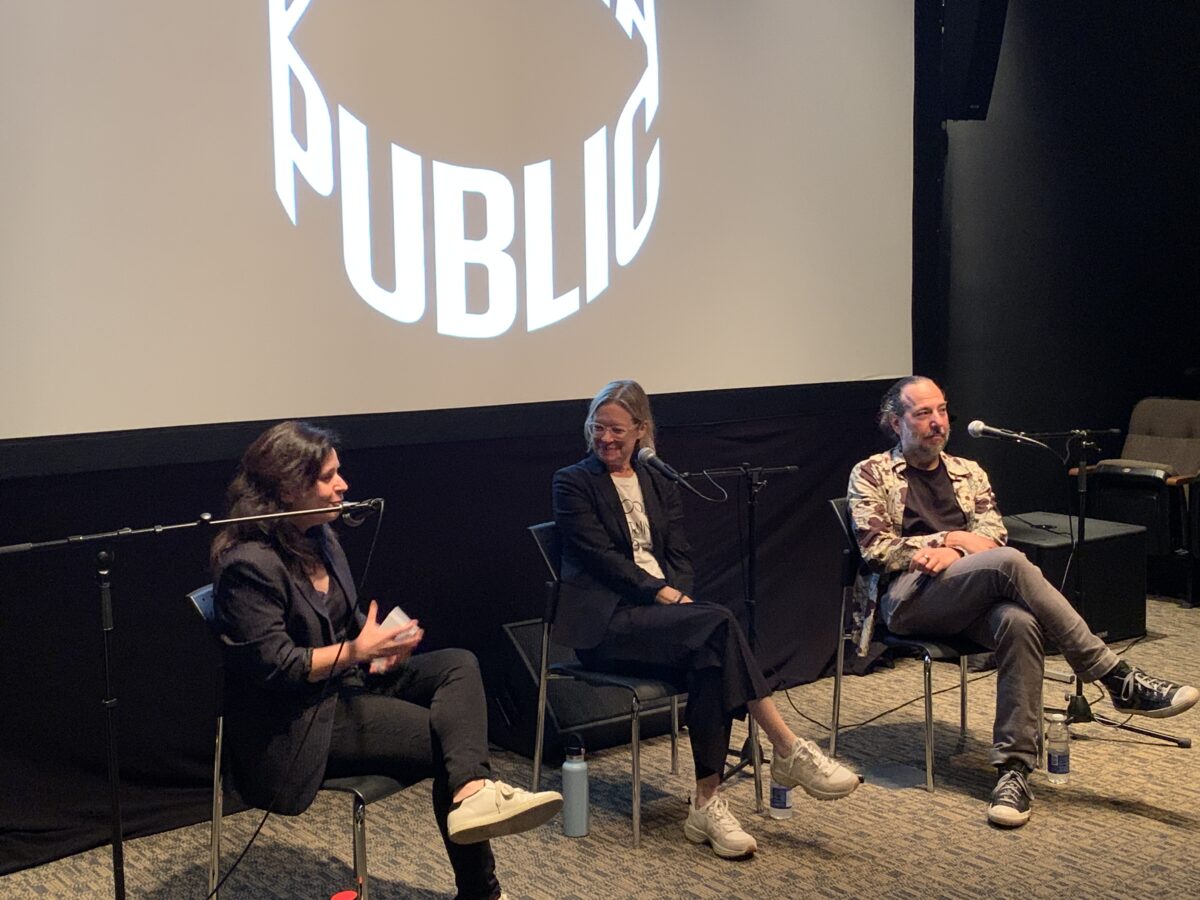
Presented in French / Conférence en français
Rejoignez-nous le 26 octobre pour notre premier “Maîtres en série”, en personne, à Montréal. Venez entendre le monteur Louis-Martin Paradis discuter avec la réalisatrice Marie-Julie Dallaire de leur travail sur le film COMME UNE VAGUE. Il y aura un visionnement du film, suivi d’une séance de questions-réponses.

Louis-Martin Paradis a été assistant-monteur pendant une dizaine d’années sur de nombreux longs métrages de fiction avant de devenir monteur, surtout en cinéma documentaire. Depuis, il a monté les projets de Marie-Julie Dallaire dont : Comme une vague, gagnant de l’Iris du meilleur montage documentaire en 2022, L’impossible été de Jules et la série documentaire Un monde sans pitié. Il est également monteur sur les documentaires de Mathieu Roy notamment Surviving Progress, Les dépossédés et Les creuseurs ainsi que son film de fiction L’autre maison, en nomination pour le Jutra du meilleur montage. Lors du montage de Surviving Progress, il rencontre Harold Crooks, le co-réalisateur et monte ses films suivants : The Price We Pay et récemment The Melt Goes on Forever: The art and times of David Hammons. Dans la dernière année, il a monté le film de Phil Comeau, L’ordre secret

Marie-Julie Dallaire is a film and advertising director. Big Giant Wave, her latest film produced in collaboration with Crazyrose (Jean-Marc Vallée), won several awards including three Iris awards (best editing, best cinematography and best documentary) at the Gala Québec Cinéma 2022. In 2020, she directed Jules’ Impossible Summer with the NFB. In 2015 Denis Villeneuve entrusts her as second unit director for Arrival. In 2007, she won the Dworkin Foundation Award for Father which was also nominated at the Jutra Awards. In 1996, she co-directed Cosmos, which won the Prix des Cinémas d’art et d’essai at the Directors’ Fortnight in Cannes. She first made her name by participating in La Course Destination Monde. Marie-Julie is currently in development on her next film Cut Print Thank You Bye which will pay tribute to the late filmmaker Jean-Marc Vallée.


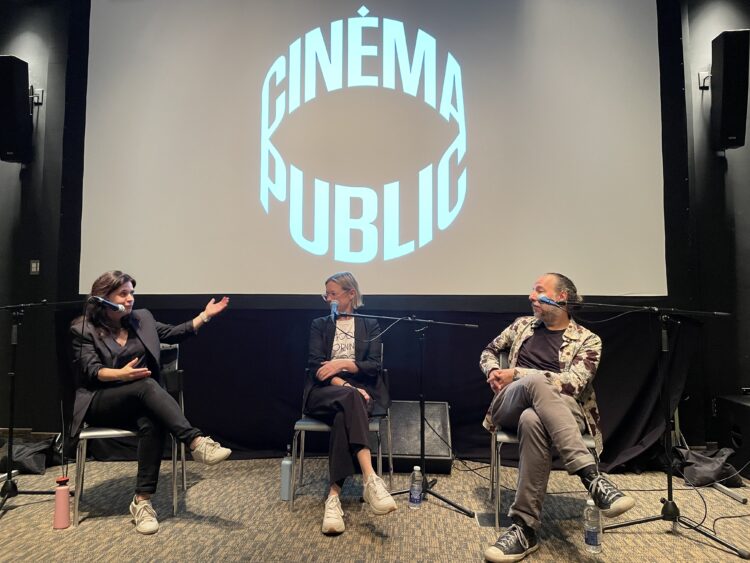


Presented in English / Présenté en anglais
Ce cours d’une durée de deux jours abordera non seulement les aspects procéduraux et logistiques de la fonction de l’assistant.e-monteur.euse, mais inclura également un survol global des enjeux politiques et psychologiques du montage et la façon dont ils affectent tout le monde impliqué dans le processus. Avec vingt ans d’expérience en tant qu’assistant-monteur, Paul Whitehead saura vous livrer généreusement ses conseils et ses anecdotes pour illustrer des leçons apprises à la dure. Les personnes débutantes comme les plus expérimentées pourront tirer profit de ce cours. À noter : ce cours n’enseigne pas l’utilisation d’Avid, de Premiere ni d’aucun autre logiciel.
La biographie suivante est uniquement rédigée dans la langue de présentation.

Paul Whitehead has been a fixture in the Toronto Post Production community for over 30 years. He has worked as First Assistant Editor on over 50 film and television productions, and now edits episodic television and feature films. His career began at the dawn of non-linear editing technology, which allowed him to witness and contribute to its development over the years. Paul has taught others the art of assisting throughout his career both one on one and at the college level, and believes strongly that experience must be passed on to maintain the high standards that Canadian crews are known for.


Venez célébrer le VIFF avec nous le 6 octobre à 19 h pour notre première soirée en chair et en os depuis 2019!
Les membres du CCE se verront offrir une première consommation gratuitement (alors assurez-vous de réserver votre place). Les non-membres sont également les bienvenu·e·s!
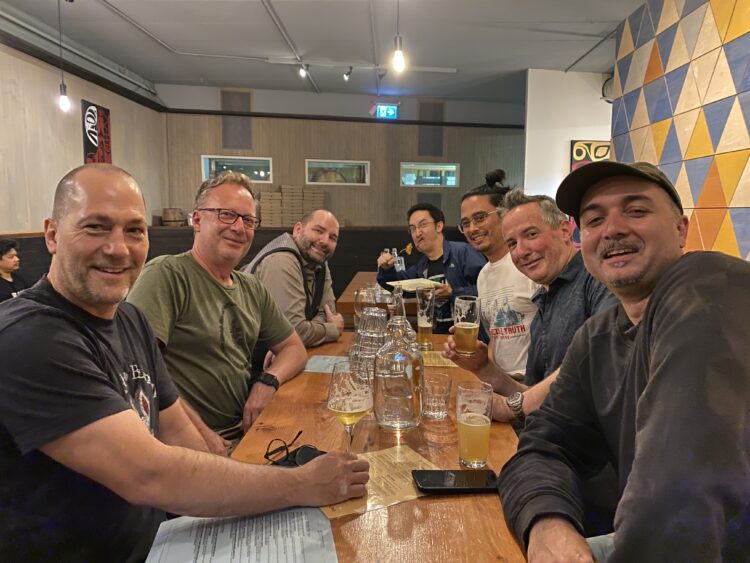
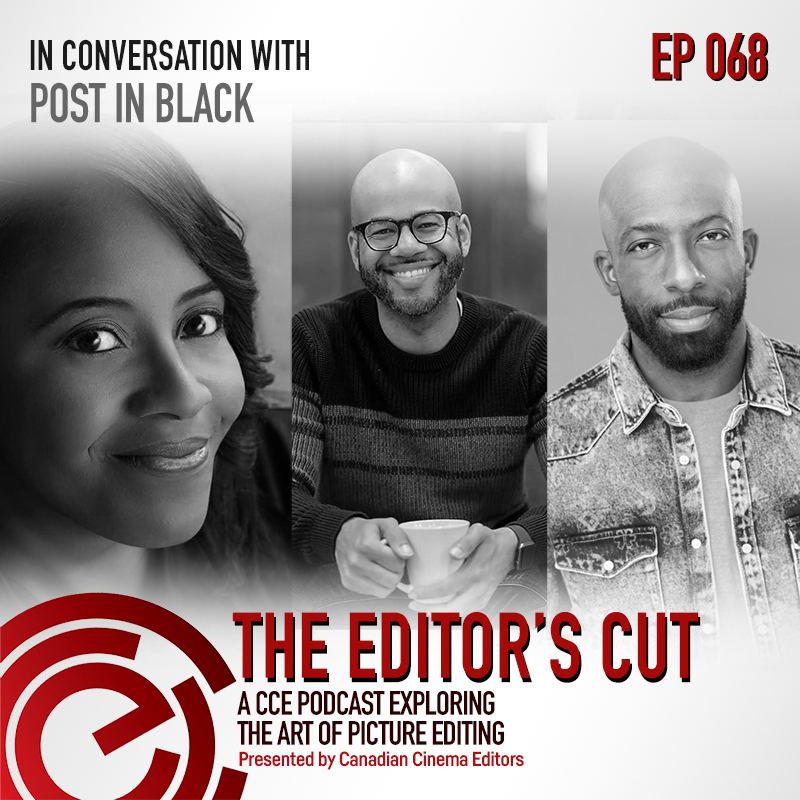
Daniel Hunter, David Hunter Jr. and Tatiana Johnson share the journey of how Post In Black started as a blog and is now in it’s 3rd podcast season showcasing post-production professionals in the black community. We talk about their hopes for the future of Post in Black and the industry at large.

At an early age Daniel Hunter developed a love for the arts growing up in the Washington D.C. Metro area. An alumnus of Berklee College of Music, Daniel went on to work for Paul Haslinger Productions, Danetracks, Gray Martin Studios, and Extreme Music (Sony/ATV). Daniel has worked with over eleven television networks in the post production realm and has cut his teeth into shows such as HBO’s Curb Your Enthusiasm, MTV’s Making His Band, Awkward, and FX’s The League. His passion for post production led him to establish Post In Black. He is a Co-Founder of Made For More Entertainment and currently works as a software engineer at Crossbeam.

David Hunter Jr. is an actor, writer and producer born in Washington DC and raised in the surrounding Metro Area. He studied at Hampton University and has since performed at the DC Improv, studied at the Identity School of Acting (Los Angeles) and voiced numerous commercials and tv spots as a voice actor. He is the Co-Founder of Made For More Entertainment and is based in Los Angeles where he and his team are working continuously to produce projects that educate, entertain, inspire and impact the audiences they reach.
Hailing from Durham, NC, Tatiana M. Johnson is a producer and creative consultant with more than a decade of experience. She holds a B.A. in Broadcast Journalism and Business Management from Hampton University and has worked directly with companies including Leslie Lewis Consulting, WME Entertainment, Canady Foundation for the Arts, and Duke University. She has maneuvered throughout various industries but finds joy in partnering with creatives to bring their artistic visions to fruition. The mantra she carries with her is “There are two ways of spreading light: to be the candle or the mirror that reflects it”.

The Editor’s Cut – Episode 068 – “Post in Black”
Sarah Taylor:
This episode was generously sponsored by PurpleDOG LightVAULT.
Tatiana Johnson:
I think it’s interesting the past two years with the pandemic in the bit of social unrest here in America, we have seen a lot more DEI initiatives, where doors have been opened. I think we’re just hoping that the opening of those doors are genuine and authentic and not just for show, but we want that to be in the long term, 10 years from now, 25 years from now. What does your set look like? What does your edit bay look like? It’s our hope that some of these moves that are being made by some studios and productions are genuine and live long.
LAND ACKNOWLEDGEMENT:
We would like to point out that the lands on which we have created this podcast and that many
of you may be listening to us from are part of ancestral territory. It is important for all of us to
deeply acknowledge that we are on ancestral territory that has long served as a place where
indigenous peoples have lived, met, and interacted. We honour, respect, and recognize these
nations that have never relinquished their rights or sovereign authority over the lands and waters
on which we stand today. We encourage you to reflect on the history of the land, the rich culture,
the many contributions, and the concerns that impact indigenous individuals and communities.
Land acknowledgements are the start to a deeper action.
Sarah Taylor:
Today I sit down with the wonderful team behind the podcast Post in Black, Daniel Hunter Jr., Daniel Hunter, David Hunter Jr., and Tatiana Johnson share the journey of how Post In Black started as a blog and is now in its third podcast season, showcasing post-production professionals in the Black community. We talk about their hopes for the future of Post in Black and the industry at large.
[show open]
Sarah Taylor:
Thank you so much for joining us on The Editor’s Cut today. I’m very excited to chat all things editing and post-production and podcasting. How fun is this? So welcome, Daniel, David, and Tatiana.
Tatiana Johnson:
Thanks for having us.
David Hunter:
Thank you for having.
Sarah Taylor:
I am going to steal a note from your playbook and we’re going to do a little icebreaker. So this icebreaker is, what show on Netflix or any streaming service did you binge watch embarrassingly fast? We’ll start with David.
David Hunter:
Ooh, I definitely binge watched House of Cards when it first came out. Daniel and I were born in DC and I saw that and then, obviously, there was a lot that happened with the show with a certain individual, but I remember when the character Frank turned to look at the camera and started talking directly to me, it felt like. I was like, “What is this? What going on?” and I just could not wait to watch another episode. When they paused in between seasons, Frank and his wife Robin Wright, such an amazing portrayal. I love that show and so I watched that ASAP. There was no waiting. Anytime a season dropped, I was on it.
Sarah Taylor:
And wasn’t that one of the first originals? I feel like that was one of the first original streamers.
David Hunter:
House of Cards is what made Netflix. I mean, it really popped. And then Orange is the New Black obviously was right along with it, but House of Cards really popped it and it turned everything on to where we see Netflix now.
Sarah Taylor:
Amazing. Okay, we’ll go with Tatiana.
Tatiana Johnson:
So yeah, recently for me, it was Ozark, the final season. I probably watched five episodes in the day, just took a Sunday and was just like, “I have to watch it. I have to know what happened.” So yeah, it was Ozark for me recently.
Sarah Taylor:
Love it. Daniel.
Daniel Hunter:
For me, I would say The Queen’s Gambit.
Sarah Taylor:
Oh, so good.
Daniel Hunter:
Yeah, I just flew through that. It was incredible.
Sarah Taylor:
Oh, I love it. Okay, now we’ll get to the real questions that I’ve already shared with you so we’re not testing you on the spot, but I’d love to learn a little bit about each of you, where you’re from, and how you ended up being part of the podcast team of Post In Black. Let’s give Daniel a go first because I feel like he might have been the catalyst, maybe.
Daniel Hunter:
Yeah. Yeah. I went to undergrad at Berklee College of Music and that’s where my introduction to post-production began. And it continued after college in LA, where I interned at a post-production facility called Danetracks, which was founded by a sound designer, Dane Davis, who worked on the Matrix trilogy, won Academy Award for the first one, actually got to hold his Oscar as an intern, which is amazing. Early on clearly saw a lack of diversity in the industry, and that was the inspiration and motivation for starting Post In Black. Originally it was just a blog and over time, it’s grown into a podcast, and just wanting to give folks in the industry of colour an opportunity to tell their stories and also to inform Black people who may not know of post-production and the opportunities that are there, that it’s a career path for them, too.
Sarah Taylor:
Yeah. Amazing. Okay, and Tatiana, and what’s your story?
Tatiana Johnson:
So yeah, I did my undergrad at Hampton University in Virginia, where I met Dave. After I graduated, I moved straight out to LA and David reached out to me and said, “Hey, my brother’s out there,” so I got a chance to meet Daniel while I was out there and I think probably a couple months after that or maybe the next year, Dave moved out. And he’s such a people person so he connected us all to a bunch of other Hamptonians that were out there. And I think at one point, there was 10 of us living in the same complex. We were all creatives, filmmakers, directors, editors, kinda working in the field, so we were able to collaborate and work on each other’s projects and really encourage each other during that time.
And while I was out there, my 9 to 5 was working at a talent agency. So I was working in the music department doing music bookings and tourings for various artists all over the country, so that was really exciting for me, but on the side also doing a little bit of talent management and a little producing, so had my hands in a bunch of stuff. That was an exciting time, I think, for all of us as collaborators out there and decided to move back to North Carolina and got married and decided to take a “stable job,” that took me out of the industry a little bit. But unfortunately or fortunately for me, I went through a divorce and after that, just really seeking more creative things to pour into my soul. And then Dave pitched Made For More to me and Daniel around that time and the concept of building this company that would create content that outlived us and doing content that was more purposeful, so I was really excited about that and the opportunity to breathe new life into Post In Black, which originated as a blog. So just really excited in what we’ve been able to do in just two and a half years, some of the strides that we’ve been able to do, and also the things that are on the horizon for us, so excited about the journey.
Sarah Taylor:
Amazing. And David, the voice and the face of Post In Black podcast.
David Hunter:
Yeah. Now Daniel and Tati are so chill, so humble, but they’re real. I’m using slang when I say that they’re real hitters and what I mean by that is they are the ones, Tatiana is the one that makes Post In Black go. So Daniel started it and founded it, but none of this happens without Tati. Tati runs all the stuff behind the scenes, coordinates getting all the interviews scheduled, gets Daniel and I on track for what we need to follow up on, make sure we’re responding to emails, sending us voice notes, so I’m going to give Tatiana a little bit more credit. And she said a little entertainment industry, like a little market? She worked for WME, so that’s one of the top five out here. And Daniel worked at Sony, so I’m not going to let them downplay themselves. They are some real, real talented people.
But Daniel and I were born in Washington DC and we grew up in the suburbs in Northern Virginia and we lived in Maryland as well. I moved to LA after going to Hampton and I was working in DC doing improv shows, all of that, but I wanted to pursue acting, primarily in LA. When I got here, I was really focused on doing that and Daniel was so diligent. We were living together, but he was working in post and doing things and he was telling me, he is like, “Man, there’s nobody like me. I’m 21, 22 and I don’t see anybody like me,” so he just started emailing people and I didn’t know what he was doing, but he was like, “I’m going to Warner Brothers.” And I was like, “What?” He was like, “Yeah.” And we used to collect the passes that he used to keep from going on set, but I didn’t know he was meeting Terilyn Shropshire, he was working with Dane Davis.
I didn’t know all these things were happening until I started going with him to some of these lots. And then he started making this blog, talking about he wanted to interview people in post. So again, I’m primarily focused on acting and I’m doing all these things, but I’m going with him. Skipping ahead, Daniel helped me out so much because I got sick, really sick, and almost lost my life a little bit. I was really down. It was a really bad experience and then Daniel ended up moving when I was getting my health back. Now during that time I really thought about, “Man, my brother was doing all this stuff with Post In Black,” and I wasn’t really focused on that. I was focused on trying to get my career going, but what’s this about? And I looked at some of the names of the people that he had already interviewed in the blog and I said, “No, man, we got to restart this.”
So Made For More, our production company, came out of me being sick and almost losing my life to say, “I’m made for more than just being an actor,” because you don’t know how long you have to live. So while you’re here, let’s make every day count. So every day may not be perfect, but every day is a blessing. And so Post In Black, I said, “Let’s relaunch it and let’s relaunch it maybe as a podcast.” So Daniel, he did all that work initially by himself and his words to me were like, “Well, fine, if you want to do it. I’m not going to do it by myself.”
So we got Tati on and we talked for maybe about four or five months before we actually did anything, but we started interviewing people in February, 2019 or 2018, I believe. It’s really taken off since then and it’s been a lot of fun. And I think that’s the joy, that’s the goal for a lot of people. You want to work in entertainment, you want to work and do what you love, you want to have fun, and you want to do it with people that you love, and so I think I’ve been blessed that Daniel started this and now to see where we are now, we’re getting to meet so many great people like yourself, so that’s the gist. I’ve been in LA now 15 years and I look forward to another great 15 years from now, too.
Sarah Taylor:
I love that you also, as brothers, came together, you have a team of people that you can rely on, and what you’re creating is amazing. I love it. It’s so great. And I think our listeners of The Editor’s Cut totally obviously overlap with Post In Black. We often have some of the same guests too, so it’s just exciting to have people spread the word about post-production because we’re often left behind the screen. But more so, I think we need more diversity behind the screen and in the edit suite. We’re telling stories about all the people. We need to have all different people in the seat that’s helping shape the story, makes the most sense. Like, hello!
Daniel Hunter:
Right.
Sarah Taylor:
I’m curious, what have you learned through this process of producing and creating Post In Black?
Daniel Hunter:
I would say the biggest takeaway has been just noticing that people don’t know each other, is eye-opening and enlightening. The fact that we’re interviewing folks and after the interview, we’re just talking about just life in general and they’re like, “Oh, I didn’t know so and so,” or “I had heard about that person but never met them.” And it’s exciting because I feel like we’re, in a way, bringing a lot of people together, not formally, but it’s nice to be able to see people learn about their colleagues because it’s hard. You’re in an edit bay, what, 40, 50 hours a week for weeks at a time. And then when you get a break, you’re just trying to probably spend time with your friends and family, catch your breath, and then you’re back at it again and so it’s hard to get to know other people, so that was surprising and enlightening.
Sarah Taylor:
You’ll have to do a Post In Black wrap up season party and all the guests can join in and they can all meet each other. That’d be so fun.
Daniel Hunter:
Exactly. Yeah.
David Hunter:
That’s actually in the works. Yeah.
Sarah Taylor:
Yeah. Nice.
David Hunter:
I would say one of the things I think that’s been difficult sometimes is just you’re doing the work but staying encouraged yourself because sometimes it feels like you’re doing a lot, but you don’t know if everybody’s watching or if people are really… you know. You just don’t know what the impact you’re making is because it’s not always visible. People watch it all the time, but they may not comment. They may not say anything. They may not say, “Oh I’m listening to Spotify.” You may not know how many people are sharing it. There’s another one and it was a slip of the tongue sometimes when people talk about it, but we’re Post In Black, but there’s something else called Black In Post and it’s not anything against anybody, but you do the work and, “Oh, man, I’m meeting you guys. Man, it’s so great to meet Black In Post.” And we’re like, “No, we’re Post In Black.” Not to be defeated or competing with anybody because we want to get the word out, that’s the goal, but I think sometimes you’re just like, “Is what we’re doing being received? Is it really making the impact that we think we’re making? Is the work that we’re doing actually going to pay off in a way where it’s what we dreamed of, what we hoped for?” so I think you just got to keep running towards a goal that you can’t necessarily see, but you know it’s there.
Sarah Taylor:
Yeah, totally. Yeah.
Tatiana Johnson:
Yeah, I agree. I’m so inspired by these stories that I’m hearing, also, when we do get into those realms of being defeated because Daniel and I still have full-time jobs, we’re producing on the side, but hearing how these very successful editors and sound engineers have pivoted midway through their careers and it’s just like, “Hey, some of my skills are transferable and this is something that I love.” Being outside of the typical cities where this is supposed to happen, hearing the stories about people that have come from the South or the Midwest and decide to make a career change into this industry is very inspiring and it’s why we do what we do because some kid in rural America could watch an episode of Post In Black and is like, “Oh, I didn’t think I could do that. I thought I could just be an actor or director. I can work in all these other fields and still be involved in entertainment,” so that’s what drives me and inspires me as I’ve been producing the shows.
Sarah Taylor:
Yeah, yeah. I find that’s the biggest thing, talking to young kids in high school. I’ve been fortunate enough to do some mentoring with this program called Girls in Film and Television. So for me, really trying to uplift young women to join the industry and to join post and they’ve no idea that there’s so many different positions that we could be in and not really understanding what editing is until I drop a few clips down on the timeline and they’re like, “What? You can do that?” And so exposing young people and people who just don’t realise that there’s options in this world, in this field, and we’re here. I’m like, “I’m here. I’m ready. Let’s do this. I want to bring you up,” so it’s exciting to have people like the three of you helping lift groups of people.
Tatiana Johnson:
And also the post community that we’ve interviewed, they’re so welcoming. It’s like, “Oh, yeah. Just email us. Hit us up. We’ll be welcome to talk to you.”
Daniel Hunter:
That makes it easier to do this work, is how welcoming and open people in the community are to speaking with us and to doing these interviews. We couldn’t do it without them and they’re very gracious with their time and it’s amazing.
Sarah Taylor:
Have you, over the years, because it’s been years of doing this, has there been an important skill that it seems like everyone has that are in this industry of post-production? What is the one thing that’s come up a lot that you’ve seen over the years?
David Hunter:
I would say outside of the technical skills of editing or working, colouring, all that, it’s being self starting, being a self starter. A lot of our team, the people that we interview, are freelance. They work on these shows, but then when the show’s over, then you got to get your next one. And you know, as quiet as some of them may seem, you can’t be that quiet and actually still work. You actually have to speak up. You actually have to reach out to people. You actually have to know how to talk, and so I think that’s the biggest thing in the industry, being able to be your own cheerleader in a way to like, “Hey, I need a job,” because they say closed mouths don’t get fed. I think that’s one of the biggest things I’ve seen, in terms of networking, connecting, reaching out, asking. They’re not afraid to ask questions. They’re not afraid to say, “Hey, I don’t know how to do this. Hey, what do you guys think?” Being confident enough to put yourself out there, I think, that’s one of the biggest keys that I’ve seen, just in terms of interviewing people and talking to them.
Sarah Taylor:
Yeah. Totally.
Tatiana Johnson:
Yeah, perseverance is a big one. We had the interview with a sound designer who told us point blank. He was in a break room and one of his coworkers was like, “Oh, you’ll never get promoted because you don’t fit the mold.” It’s not that you’re not talented, but just the way you look. So the fact that he didn’t just say, “Okay, well, forget this. I’m going to do something else.” He was like, “No, I’m going to get promoted. And matter of fact, I’m going to make my own company.” And this guy has a slew of credits now. Shout out to Ken Johnson, just his tenacity and his posture to not be shot down in that moment, because it’s so easy to come into these rooms and not see people like you to turn right around and walk out the room, so you got to have some tenacity in you.
Sarah Taylor:
Yeah, totally. I felt that too, as a woman in the industry. That fire is lit in you sometimes and you just keep going. I’m going to do it to spite you!
Daniel Hunter:
Exactly.
Sarah Taylor:
Well, since you’ve been doing this for a while, have you noticed the industry shifting or changing since you’ve started?
Daniel Hunter:
I have. So I’ve seen more and more producers and creators supporting the post-production teams that are helping build and craft these powerful stories. And I’m not going to attribute that to us or any podcasts or any specific group, but I do see that improving and I think the more podcasts, the more exposure that these incredible artists, in my opinion, get, the better it’ll get and more recognition and the more exposure to communities that need to know this exists, which is the ultimate goal for us, since we want people who have no idea post-production exists or what it is to learn about it. I think when you start seeing A-list actors and “celebrities” talking about post-production, I think that’s when we’ll maybe reach a tipping point, where it’s like, “Oh, man. This is what we’ve been dreaming of all this time,” is for it to be on the same level as everything else and it should be.
Sarah Taylor:
I remember one year there was an actress that thanked the editor. I was like, “Yes”.
Daniel Hunter:
Right. Yeah.
Sarah Taylor:
Because we do make a difference, what happens when they’re on screen.
Daniel Hunter:
It’s so rare.
Sarah Taylor:
Yeah, it’s very rare. Yeah.
David Hunter:
I would definitely say I’ve seen a change in the industry, too. And I think one of the things that’s pretty cool, again, I say this a lot on the podcast, but I came into the industry and I still am primarily an actor in front of the camera, do a lot of voiceovers, but a lot of my friends, they’re all actors and they’re like, “Hey, what’s this Post In Black? What are you doing?” And I talk to them about it and they’re like, “Oh, that’s cool.” And I think bringing awareness, because sometimes regardless of race or whatever, I think you don’t do things or you don’t try things out of fear. And then as you get older, you don’t want to look silly, you don’t want to look stupid. You don’t try because you might fail.
And I’m the opposite. Daniel and Tati will tell you. Sometimes people will see somebody and they’re like, “Man, I haven’t talked to them in a year, I can’t reach out.” And I’m like, “I ain’t talked to them a year, I got to hit them,” and that’s just how my mind goes. And so I really don’t think about, “Well, if they don’t reach back, whatever,” but that’s not how a lot of people work in terms of this. So trying post, a lot of people may want to try it and may want to give it a go, “But I don’t even know where to start. And then once I start, what if I’m not good right away? What if I ask a question that looks silly or what if I don’t how to format things or what if it takes me longer?” It doesn’t matter. Just start where you are and you can try. And then that first day we leave it to your next day and next thing you know, it’s two weeks and three weeks, but I think we got to just get the conversation going, get people started, and lose that sense of fearing what could happen in a negative light and thinking of the possibilities that could happen in the positive way. It’s definitely sparked more conversation.
Sarah Taylor:
Well, and by highlighting the people that you do, I feel like as an editor you’re always learning. There’s always something new to learn, so we’re always unknown in what we’re doing. We’re just collecting more skills as we go and so that’s how it’s always going to work. So to have the ability or the want to learn and keep growing, it’ll be great.
Tatiana Johnson:
Because I’m not directly in the edit bay, I admire all of you that are, but I think it’s interesting the past two years with the pandemic, in the bit of social unrest here in America, we have seen a lot more DEI initiatives, where doors have been opened. And I think we’re just hoping that the opening of those doors are genuine and authentic and not just for show. I think a lot of people are jumping on the bandwagon just to say, “Hey, yeah. We support women. We support people of colour. Yeah,” but we want that to be in the long term, 10 years from now, 25 years from now. What does your set look like? What does your edit bay look like? And there’s nobody that I know that are going to these sets and going to these editing rooms just to make sure it’s like, “Oh, how many women do you have? How many people of colour do you have?” Nobody’s really checking, so I think it’s our hope that some of these moves that are being made by some studios and productions are genuine and live long and not just a brief six-month initiative for one particular project. There’s other projects that need to be staffed other than Black Panther, and I’m just putting that out because the trailer just dropped.
But one of our guests was saying they don’t want to be pigeonholed as the BET guy, you can only do Black films. And it’s like, “No, I can cut some action films.” I love seeing Terilyn Shropshire and it’s the action films that she’s able to do now. That’s amazing to me so I just hope that there’s more mentorships, more opportunities for women and people of colour as well, as we move forward.
Sarah Taylor:
Well, and you’re creating a database. People can’t say, “Oh, I just don’t know where they are.” It’s like, “Well, no. They’re right here. Here they are.”
David Hunter:
Right. Sometimes, and I’m just being real, if I could speak candidly. Sometimes when you’re Black, you feel like when you bring up race, you don’t want to bring it up because then people are always going to be like, “Oh, you’re always bringing up race,” but you’re just trying to make a point. And the point of the matter is, for a lot of the editors or people that are working behind the scenes when they work on a Black show, what has a predominantly Black cast, and usually that means more than two Black leads. You know what I mean? Oh, that’s a Black show. Then it’s like, “Oh, that’s what they cut,” versus somebody else who’s just an editor and they work on The Queen’s Gambit and it’s like, “Oh, they do that.” You know what I mean? I think there’s certain people like Terilyn, who have crossed over where she’s just considered an editor, but you got other talented people who are working and they’re cutting a lot of things that are really great, they have that unique style to do that, but they can cut other … It’s dialogue. It’s storytelling.
There’s a lot of stuff that’s on TV now that’s very diverse. I’m saying back in the day, I sound like I’m old, where TGIF, all these shows, we grew up watching predominantly shows that sometimes didn’t have Black people on them. We weren’t thinking as a little kid, “Oh, it’s like this.” It was storytelling, it was captivating. And I think when you just put an editor in that room, give them a chance, give them a shot, that’s all you’re asking for. You’re asking to be considered equal and not considered a quota because we’re not stupid. We know when you’re filling a data sheet, we know when you’re filling or checking a box and I don’t want a job that I feel like you’re just checking a box on. That’s not fun. That doesn’t qualify me. That doesn’t reward what I’ve been doing. And I think nobody wants to feel like that. I think that’s just what we’re trying to highlight and showcase. It’s not trying to take anybody else’s jobs. It’s not trying to move people out the room. It’s just saying, “Hey, give a chance, give a shot, give an opportunity.” I really think that’s the gist of it.
Sarah Taylor:
Yeah, there’s more than enough pie to eat, as they say.
David Hunter:
Yeah.
Daniel Hunter:
Yeah.
Tatiana Johnson:
Hell, yeah.
Sarah Taylor:
Obviously, I’m white, as people know but I was always identified as the female editor. There could only be one of me in the room. When I first came up in the industry, which is very rare, there was a team of 10 of us in the studio I worked at, but I was the only woman. And then if another woman came in, I was like, “Mmmmm!” I’m the only one, right? I had to shift internally as well. “Oh, wait. No.” And now I’m like, “Everybody, come on. Let’s go. Let’s create stuff,” but it takes a shift on all parts to-
Daniel Hunter:
Yeah.
David Hunter:
Right, a hundred percent.
Sarah Taylor:
… to be not threatened because society is telling us, “Nope, just room for one. We’ve made that check.”
Daniel Hunter:
That’s a great point. Yeah.
David Hunter:
That’s fine.
Sarah Taylor:
Anyway, so let’s talk some hopeful, future stuff. What is your hope for the future of Post In Black?
Daniel Hunter:
I think the vision is to do more things centred around community. COVID happened and that made things difficult, but we definitely want to do more in-real-life events at film festivals. We’d love to do tours of panels at historically Black colleges and universities in the US. We want to go to where the people are. It’s great to do things virtually and we have the podcast and we’re creating all this content online, but there’s something special about being in person in a room with someone who looks like you talking about something you don’t know about, but are curious about. You’re like, “I don’t know what post-production is, but I know it’s related to filmmaking and this person worked on Insecure and I loved Insecure, so let me go and check it out.” But doing that in someone’s neighbourhood is a whole nother level, versus creating a podcast. The podcast is our foundation, it’s great, but taking the next step and going to where people actually live, who we’re trying to reach, I think, is a bright future for Post In Black and will help us achieve our ultimate goal of getting more people into the industry.
Tatiana Johnson:
And I think in addition to that community piece, a lot of the barriers to entry is financial. So being able to partner with companies and get sponsorships so that we can offer scholarships to students who might be interested in, if not going to film school, taking an editing course, because they’re doing this anyway on TikTok. You already have the basics. Let’s teach you the system. And just being able to financially assist different communities who might need that support as well, I think, is another goal of ours.
David Hunter:
No, I would agree with both of those points, just continued exposure. I think we’ve just touched the tip of the iceberg with what we’re doing. And like you said, money definitely helps and not for anybody to get rich, but Daniel and Tatiana are both working other jobs and I’m in the industry and I think we’ve come as far as we can come doing it this way. I think some changes do need to be made so that we can all work together full time in this thing and that happens with partnerships, that happens with grants, that happens with investors. That’s what we’re at the next phase of right now, looking towards that, just to help facilitate more forward movement with Post In Black and the exposure and connecting us to audiences that are still out there that don’t even know about us.
Sarah Taylor:
So exciting. Well, what is your hope for the future of post industry in general?
Tatiana Johnson:
That’s a big question.
Daniel Hunter:
Yeah, I think I’d love to see supervising, sound editors, sound designers, mixers, getting more, I’m not sure what the right wording is, but better credits in the films instead of you wait until when the film is over and you see the long scroll of all the people that worked on the film. It’s this little small line, their name, because their impact on projects is so great, as great as the producers and the editor and the composer. I would love to see that eventually.
You’ll notice in animated films, like Pixar films, they do that. Skywalker Sound is one of the premier post-production sound facilities, probably the premier, I would say. I don’t think many people would argue with that. And if you look at all other films, the sound designers get single frame credit. I think one of the best examples of this was Ben Burtt on the film WALL-E, because he actually was the voice of WALL-E. If remember correctly, I think he had to join SAG because he was basically an actor now. But he was the film, as a sound designer and WALL-E was incredible, won a ton of awards. So if Ben Burtt can get credit for WALL-E and him getting that credit didn’t hurt the film, it’s like, “Oh, why did we take up one second to give the sound designer a frame?”
Sarah Taylor:
It failed. Come on.
Daniel Hunter:
Yeah, it’s insane, so I’d love to see that.
Sarah Taylor:
What a good point because I have a sound designer I work with on almost everything. He’s the guy that I go to and I get the sound back and I put it to my picture and I don’t know. There’s something special about watching that with that fresh sound and… oh, changes everything. It’s amazing. It makes the show, right? And you add colour on top, but those things make the show. If you watched the picture lock with no colour and unmixed sound, you’d be like, “What crap is this? It’s horrible.”
Daniel Hunter:
Yeah.
David Hunter:
Yeah.
Tatiana Johnson:
Yeah. No, I agree with that. I think there needs to be more acknowledgement of the post community. And credits for sure, but some of these awards shows can stand to take a couple minutes to acknowledge your sound editors, your music supervisors. They give credit to the editors, but the “little guys” that actually make it happen and whether that’s a segment the day before, where they have a full-on, “Okay, this is our post award ceremony,” and just so that kid or somebody who’s looking to pursue a career in this, they’re like, “Well, I do all this work. First of all, I’m not getting paid a lot, but what other recognition do I get besides the small prints at the end of the movie?” It’s like, “Oh, well you could be up for this award or this award or whatever,” and actually having some competition as you’re working, too, so just having that acknowledgement, I think, will be important, moving forward.
Sarah Taylor:
Totally. Yeah.
David Hunter:
I guess just to sum it up, I agree with all of that. I think it’s really important, and again, I speak from actor’s standpoint, again. A lot of people want to be actors nowadays, and I don’t know, I can’t read everybody’s mind, but sometimes they want to be famous. You know what I mean? I remember going to the movies and wanting to be an actor because of the way the movies make me feel. And I was like, “I want to make people feel like that.” And so I could care less about the fame. You’re going to be noticed just because of what you do, because of that, but I think if we took more time at the award shows or these places to highlight how important it is for these positions…
I remember specifically, and I forget the name of the studio, but it was a studio down in Santa Monica with Daniel and Tom Hanks had a studio right next to it. And I remember we were in there and Daniel and the team, they were in there cutting or doing some ADR on a film for the Wayans Brothers. And I was watching it and I was like, “Yo, this is crazy,” because there were some issues with the dialogue and so the editors, the sound mixers, they were in there actually doing the ADR themselves. And they were like, “Yo, you’re a actor. You want to say something?” And they actually let me just get on there and obviously they had to do it themselves, but they just let me see what it was like to dub and do that. And I’m like, “Wow, the actors are important but the team behind them are the ones that make the actors look great,” and so it really made it clear to me how important their job is.
And so I know the actors, and I’m speaking as one, we get the credit for it, but if we really highlight how important the team is behind the scenes, really bring more exposure to that and not just oh, cast away, because I’m telling you, no film gets done. All the stuff you film on set is important, the camera, all that, but everything that happens after the fact, that’s the magic of putting it together. I didn’t even know when I was young growing up that movies are filmed out of sync. I’m reading the whole script and then they’re telling me I got to cry from the beginning of the first day. I’m like, “No, that’s at the end.”
Sarah Taylor:
“I’m not prepared yet!”
David Hunter:
They’re like, “No, but the lighting is here. We’re going to film at the house this day.” And I was like, “What are you talking about?” And so being able to take the first day and make it the last day and put that together, that’s the team behind. So I really didn’t, just more exposure and really making it clear what these jobs are, because again, it’s out of sight out of mind. If you don’t know, you’re just like, “Oh, okay.” But if you make it clear what it is they’re doing, it becomes cool, so that’s what it is.
I think even for directing, I said this before, I think when Ava DuVernay jumped out there, I think where she really made directing cool for women and Black women or women in general and for Black women just in the last few years because before, I think it was still primarily in acting, but then everybody’s like, “Oh, Ava. Yeah, we like Ava,” and so that opened the door for a lot of other women directors of colour, too. All it takes is one and then we can keep going.
Sarah Taylor:
Totally. Yeah. Well, leads to my next question of how can other post professionals in the industry help make some of these changes? What can we do to open the doors?
Tatiana Johnson:
Yeah, I was thinking about that question so I was looking at … Well, I was listening to one of your interviews with, was it Elísabet [Ronaldsdóttir]?
Sarah Taylor:
Yes.
Tatiana Johnson:
I thought it was amazing what she said. She’s like, “Basically, we all enter the edit suites with our own bias and with our own prejudices so you got to check yourself once you get in there.” It’s like, “Okay, why am I making this cut? Is there anything inside of me that’s causing me to cut this way or whatever?” I thought that was really interesting that she brought up that point. So I think for any allies or accomplices that want to help more women and people of colour enter, just checking your own bias. Of course, we’re never going to get it all right. Even with me, myself as a Black woman in America, you think I’m the bottom of the totem pole, but I’m also able-bodied and I’m of the hearing community so I don’t need those types of hospitalities afforded to me, but also being cognizant that other people might need those things. So I think in that, if we could all just check ourselves, as we walk forward and just as we’re walking through doors, leave the door open. Just don’t just slam it like, “Okay, there’s only one Black woman allowed.” No, bring us all. Like you were saying earlier, there’s pie enough for all. Who doesn’t like pie?
Sarah Taylor:
Everybody loves pie.
Tatiana Johnson:
Everybody loves pie! Yeah, just leaving the doors open for others and stretching yourself a little bit. I know there’s probably speakers that go to USCs and the NYUs. Expand your reach. Go to a historically Black college and go to a community college. There’s people there that would love to be exposed to these types of industries and have the talent for it, too. It’s just they don’t know about it, so just expanding ourselves.
Sarah Taylor:
As Dave puts his hand up, money, we need money.
David Hunter:
I was also going to say, sometimes the people that go to community college, maybe it’s not that they don’t want to know, but they didn’t have the resources to go to a bigger school, so they go there, but that doesn’t mean that you can’t go to them. That’s great. Great point. Tati, you answered that well. I don’t know how-
Sarah Taylor:
You nailed it.
David Hunter:
Anything I say would take away from it.
Daniel Hunter:
I know.
Sarah Taylor:
Just a little story I want to share. I’m working on a show coming up. As a crew and as a team, we had to take accessibility training, which is great. I’d never been offered that. And I feel like this thing or diversity inclusion training, I feel like we should all be taking those courses, just so that we can even acknowledge the biases that we have that we don’t even know it’s a bias yet because we haven’t been shown the other side. So even in this accessibility training, they have an accessibility coordinator on the show, and so the point of that is to go out and ask, “What do you need as a person to do the best work you can do?” and so that was something that twigged in my brain.
I’ve never thought about that for my world. What do I need in order to do the best I can do? And so in this same situation, it came up with, in the editing world, we have many platforms to edit on. So there was this, “Oh. Well, this person only uses Avid and this person only uses Adobe.” So I was like, “Well, how can we figure out a way that we can all use what is the best for us so we can do the best work?” That wouldn’t have been something I would’ve even dared to bring up years ago. I’d been like, “Oh, we’ll just do Avid. It’s fine. Everything’s fine.” But I was like, “No, it’s not fine. That’s closing the door. That’s not fair,” so I decided I was going to speak up and I did it, and then it worked out. We’re just going to make it work. We have to allow ourselves to have those tough questions or conversations, of how about we try doing it a different way because this way isn’t always going to … It’s not always working. It’s not always the best way.
Tatiana Johnson:
And a lot of people see it as them being called out in … I heard this phrase recently of calling people in, so it’s not like, “Oh, you’re wrong. You’re doing X, Y, Z.” It’s like, “No, I just want to show you a new way that you could possibly do this. Come in. Let’s have a conversation.
Sarah Taylor:
Yeah, let’s try this. Everybody can feel comfortable. How can we make everybody feel comfortable?
Tatiana Johnson:
That’s what we need. Advocacy.
Sarah Taylor:
Advocacy, yes. If you’re in a state, a position where you’ve been in the industry for a while, you have a reputation, use your voice where it matters and make a shift or at least let people think about something in a different way. Maybe they’ll shut you down, but at least you’ve used your voice to try to push something in a different direction. Anyway, that’s my little tidbit.
Daniel Hunter:
I like it.
Sarah Taylor:
Are there any episodes that you’re particularly happy about or loved and want our listeners to check out?
Tatiana Johnson:
All of them.
Sarah Taylor:
I had a feeling that might be the answer. We can’t just name one.
Daniel Hunter:
I mean, I guess the last one, to be honest. I would say watch them all, but Madonna Wade-Reed, music supervisor. And if there’s one other episode, it’s probably be the first one with Adam Lingo from National Geographic.
Sarah Taylor:
Oh, I liked that one.
Daniel Hunter:
Which was actually at Nat Geo in DC, so that was fun to be in person there. But yeah, watch them all.
Sarah Taylor:
That’s what I really love about what you’re all doing, is you highlighted a world where we don’t hear much about. We don’t hear much about how National Geographic shows are made, right?
Daniel Hunter:
Yeah, exactly.
Sarah Taylor:
That’s not something that we talk about. It’s so cool as an editor to learn about, Oh, that’s neat, how that works and how he got in. Anyway, I thought that was a great episode.
Tatiana Johnson:
Yeah, I’ll piggy back on that with Madonna’s episode. She’s also a fellow Canadian, so she talks about how she made her transition to Hollywood, so that was interesting, going international that way. But yeah, I’m going to stick with all of them because they all have so many different gems and their backgrounds and where they came from and how they’ve manoeuvred throughout the industry. So I’ll just stick with that.
David Hunter:
I talked to everybody and I really think I’ve been blessed to be able to have these conversations with so many different people. I would say everyone stands out differently, but we talked to Darryl Jefferson and hearing about his schedule for the Olympics and then like Daniel said, going to Nat Geo, that was really special. Being a kid, even though we were born in the city and we grew up outside in the suburbs a little bit, but DC is really special. And so to be able to do that as an adult, to be in the building and do that and your hometown, that was really cool. That really meant a lot. Talking to a legend like Terilyn, and obviously, Daniel knows her very well, so she responds to Daniel’s emails like, “What do you need? Anything you want,” but just being able to talk to her was really special because you understand who she is and what she does.
I just went to a screening and they show clips of The Woman King and Gina Prince was just talking about, “Oh, my editor, Terilyn,” and I was like, “Man, I know her.” You know what I mean? And it was a room full of people, but I felt really special. I’m like, “Man, that’s a privilege I get to talk to her.” And then I do crack jokes about how Daysha Broadway and that episode, I just had so much fun with her energy and talking about her experiences. She’s just a great person. So Stephanie … When you start naming names, you get in trouble, but I think there’s something from each one. And what excites me is that, again, it’s just the tip of the iceberg. We’re going to look at this years from now and be like, “Man, look at all these amazing people that we got to talk to and had these unique relationships with throughout the years.”
Tatiana Johnson:
And I’d like to credit that also, too. Of course, we’re a great team, but our team of editors behind the scenes, Precious and Andrea, that are based here in North Carolina, have to put that out there, Southern girls, but Black women, brown women just doing it for us and making these episodes really pop from season to season. So you’ll see the trends, the transformation from season one to now and the certain elements that they’ve been able to bring to each episode have been really awesome, so shout out to Precious and Andrea for making us look good.
Sarah Taylor:
Yeah. Shout out to the editors. I love it.
David Hunter:
Shout out to them.
Sarah Taylor:
Is there anything exciting coming up that you want to share with us?
David Hunter:
We’re going to be doing a panel at the Guild of Music Supervisors here in LA in October and so that’s going to be a really fun event. And we have some pretty cool guests. Can’t announce some just yet, because we’re still solidifying everything, but it’s going to be in person. It’s their first one since the pandemic, so we’re excited. And that’s just another testament to the reach that Post In Black has, that people are reaching out to us now to ask us to do these really cool events and opportunities. And then like I said, there is talks about having an in-person Post In Black event for our past guests of all the seasons, so to have them all be in person and meet will be very cool. And I think they’ll be good and it could be the start of something that we do annually.
Sarah Taylor:
I just want to come and be the fly on the wall.
David Hunter:
Come on, come on.
Tatiana Johnson:
Come on.
David Hunter:
Come on. We got to bring Sarah. We could bring you in.
Sarah Taylor:
Amazing. Amazing. Well, I hope one day y’all can come to Canada for our edit conference and do a panel. I think that would be so fun.
Tatiana Johnson:
We would love that.
Sarah Taylor:
See what we can do. It’ll be cold in winter, though. I don’t know. You’ll have to bring a winter coat.
David Hunter:
We’ll be there. I’ll get a parka or something.
Sarah Taylor:
Awesome. I love it. I love it. Well, thank you so much for taking the time to sit with me to chat, all. Thanks, Post In Black. I love what you’re doing. I think it’s so important and I will continue to cheer you on and I hope all of our listeners tune in as well, so thank you so much.
Daniel Hunter:
Thank you for having us, Sarah.
Tatiana Johnson:
Thank you.
David Hunter:
Thank you for having us, Sarah. Appreciate it.
Sarah Taylor:
Thanks so much for joining us today and a big thanks goes out to Daniel, David, and Tatiana for taking the time to sit with me. Special thanks goes to Jane MacRae and Alison Dowler. The main title sound design was created by Jane Tattersall. ADR recording by Andrea Rusch. Original music by Chad Blain and Soundstripe. This episode was mixed and mastered by Tony Bao.
The CCE has been supporting Indspire – an organization that provides funding and scholarships to Indigenous post secondary students. We have a permanent portal on our website at cceditors.ca or you can donate directly at indspire.ca. The CCE is taking steps to build a more equitable ecosystem within our industry and we encourage our members to participate in any way they can.
If you’ve enjoyed this podcast, please rate and review us on Apple Podcasts and tell your friends to tune in. ‘Til next time I’m your host Sarah Taylor.
[Outro]
The CCE is a non-profit organization with the goal of bettering the art and science of picture
editing. If you wish to become a CCE member please visit our website www.cceditors.ca. Join
our great community of Canadian editors for more related info.
Veuillez nous envoyer un courriel en mentionnant les sujets que vous aimeriez que nous abordions, ou les monteurs.euses dont vous aimeriez entendre parler, à :
Un grand Merci à
Hosted and Produced by
Design sonore du générique d'ouverture
ADR Recording by
Mixé et masterisé par
Musique originale par
Commandité par

Rejoignez-nous à Winnipeg le 25 septembre pour notre activité Offline. Nous allons jouer au bowling!

 FR
FR  EN
EN