Catégories
Communiqué de presse

The Canadian Cinema Editors announces the recipient of the 2023 Lifetime Achievement Award 

Prix d'excellence soulignant l’œuvre d’une vie — 2023 Communiqué

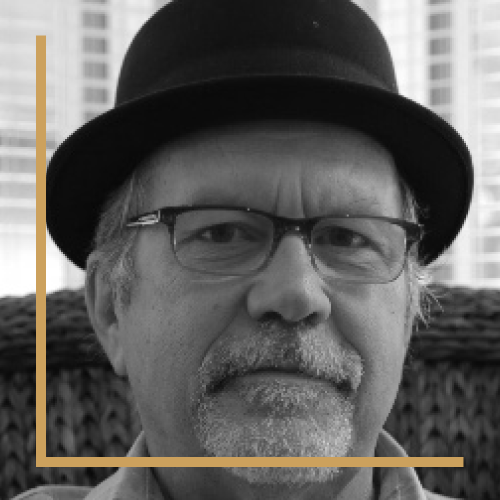
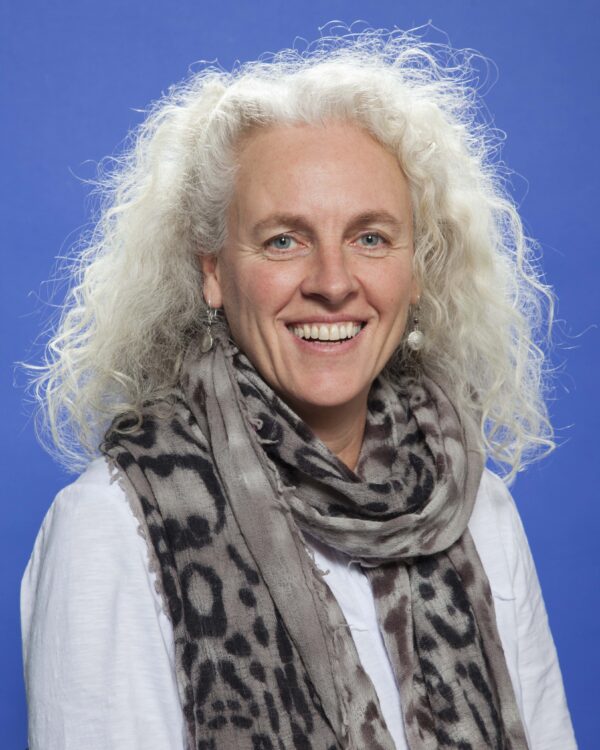
Les Monteurs et Monteuses de cinéma canadien (CCE) sont heureux⋅euses d’annoncer que David B. Thompson, CCE (1949-2023) recevra le Prix d’excellence soulignant l’œuvre d’une vie pour l’année 2023. Le CCE décernera ce prix à la 13e cérémonie des prix CCE qui se tiendra le 25 mai 2023 à l’hôtel Delta de Toronto.

La liste complète des nominations aux prix CCE sera dévoilée le 17 avril! Rendez-vous sur Rendez-vous sur notre site internet pour plus d’informations.

À propos du Prix d’excellence soulignant l’œuvre d’une vie

Cet honneur est remis à un·e monteur·euse·s qui a su élever l’art du montage, qui a apporté une solide contribution à la communauté du montage et fait preuve d’une réelle passion pour son métier. 

Prix d’excellence soulignant l’œuvre d’une vie

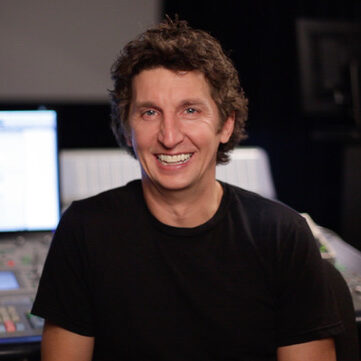
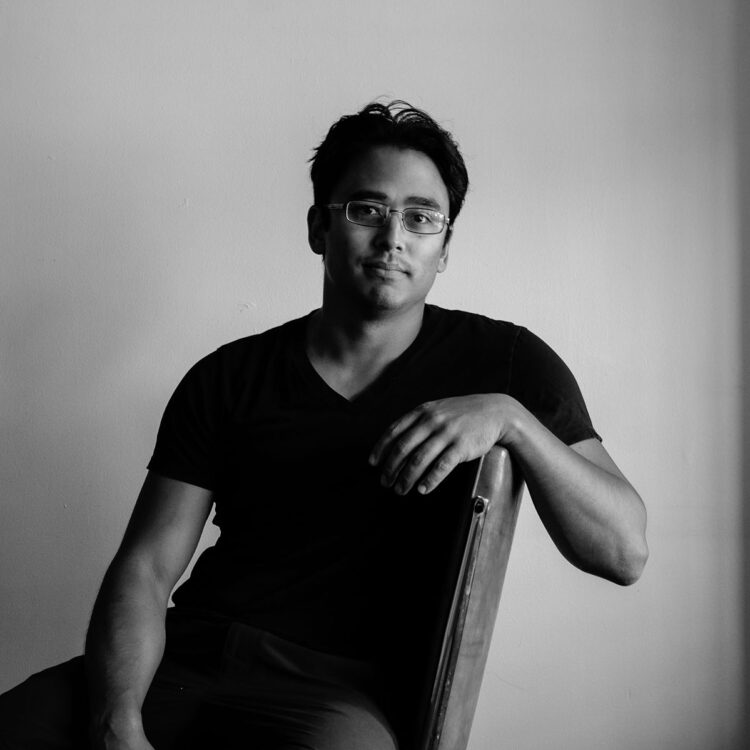
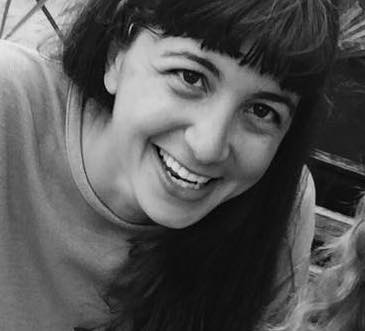
David B. Thompson, CCE

Lifetime Award 2023 - David B Thompson

David B. Thompson, CCE, a débuté sa carrière dans les années 1980 en tant que monteur sur des classiques de la télévision canadienne comme LE VAGABOND et BRIGADE DE NUIT. Au fil des années, il a touché à tous les genres, depuis les comédies et les séries d’action (UN TANDEM DE CHOC) à la science-fiction (LEXX, DARK MATTER), en passant par les drames historiques (LES KENNEDYS). David a assuré une présence indéfectible dans l’industrie pendant plus de 50 ans et il laisse derrière lui une œuvre presque aussi grande que son cœur.

A fantastic editor, mentor, storyteller, jokester, and a great friend to so many, David was part of the first group of inductees to receive the CCE initials in 2008. He won an award at the inaugural CCE Awards in 2011, and over the course of his career garnered 5 Gemini nominations, two 2 DGC and CCE Award nominations, as well as an Emmy nomination for the pilot episode of “24”.

David always said “Cut with your gut, use your feelings to tell the story.”

Merci à nos commanditaires :

2023 Awards Sponsor Banner
Avec la participation du gouvernement du Canada.
Catégories
The Editors Cut

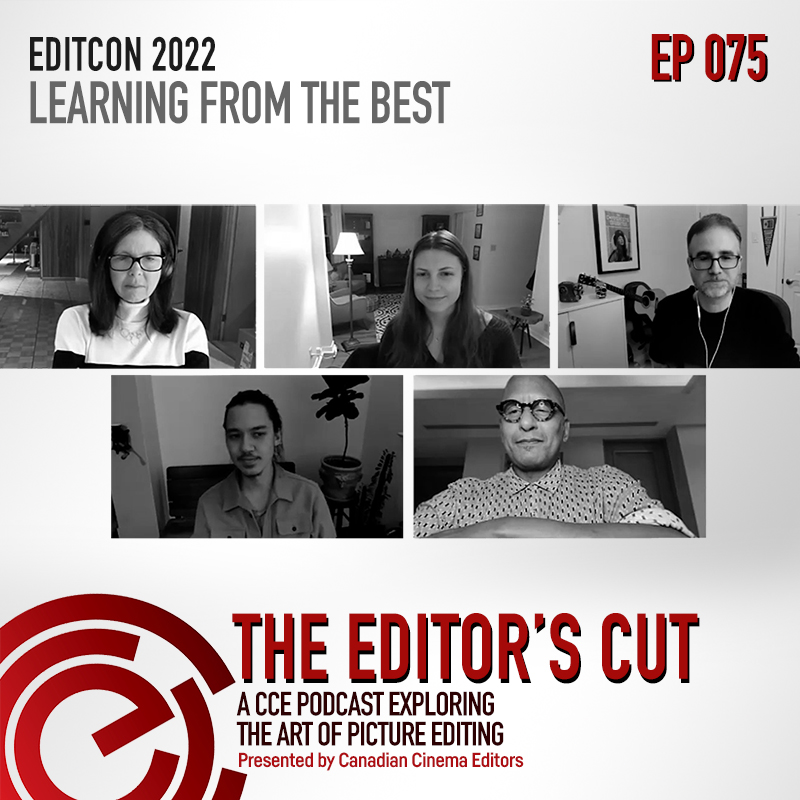
Episode 075 – EditCon 2022: Learning from the Best

The Editor's Cut - Episode 75 - EditCon 2022: Learning from the Best

Episode 075 - EditCon 2022: Learning from the Best

Today’s episode is part 3 of our 4 part series covering EditCon 2022 Brave New World.

Today’s panel is Learning from the Best – Documentary editing is a craft of perpetual learning. Not only do our tools change constantly, but so do approaches to storytelling. Mentorship has long been at the heart of developing the next generation of talent in all mediums, and documentary is no exception. It can be difficult for new and aspiring editors to gain access to the suite to sit, watch, listen, and learn the intangible skill of editing. Pull up a seat as two apprentices interview their mentors on their approach to storytelling, and the importance of passing the torch to the next generation.

This episode is generously sponsored by Adobe.

Adobe EditCon 2021 Sponsor

À écouter ici !

The Editor’s Cut – Episode 075 – EditCon 2022: Learning from the Best

Sarah Taylor:

This episode was generously sponsored by Adobe.

Chris Mutton, CCE:

The mentee has a lot to offer the mentor. I think that’s maybe a misconception about mentorship is that it’s a top-down approach. And it’s somebody who’s, I’m going to show you, you know, I’m going to teach you X, Y, and Z. But, I think one thing that’s come across really obviously in all of the conversations we’ve had here is that openness and honesty, and it has to be a two-way conversation.

Brina Romanek:

Feeling like you have a safe space to make mistakes and to play. You know? Because I think, end of the day, one of the most fun things about editing is that you get to play.

Ricardo Acosta, CCE:

I would use one word, is empathy and respect. And also, knowing that you are working with a very particular part of our being, which is our fragility, our insecurity, our gift as artists. The fact that none of those things are absolute, but they’re all part of our humanity.

Sarah Taylor:

Hello and welcome to The Editor’s Cut. I’m your host Sarah Taylor. We would like to point out that the lands on which we have created this podcast and that many of you may be listening to us from are part of ancestral territory. It is important for all of us to deeply acknowledge that we are on ancestral territory that has long served as a place where indigenous peoples have lived, met, and interacted. We honour, respect, and recognize these nations that have never relinquished their rights or sovereign authority over the lands and waters on which we stand today. We encourage you to reflect on the history of the land, the rich culture, the many contributions, and the concerns that impact indigenous individuals and communities. Land acknowledgements are the start to a deeper action.

Today’s episode is part three of our four-part series covering EditCon 2022, Brave New World. Documentary editing is a craft of perpetual learning. Not only do our tools change constantly, but so do approaches to storytelling. Mentorship has long been at the heart of developing the next generation of talent in all mediums, and documentary is no exception. It can be difficult for new and aspiring editors to gain access to the suite, to sit, watch, listen, and learn the intangible skill of editing. Pull up a seat as two apprentices interview their mentors on their approach to storytelling and the importance of passing the torch to the next generation.


[show open]

And action.

This is The Editor’s Cut.

A CCE podcast.

Exploring, exploring, exploring the art

of picture editing.

Chris Mutton, CCE:

Welcome to Learning from the Best. My name is Chris Mutton. I’ll be your moderator for our panel today. We have an exciting discussion lined up that will hopefully bring out a better understanding of mentorship. Mentorship can be kind of hard to define, comes in many forms, from mentors who follow a lecture format in a large group all the way down to one-on-one mentor pairs. So today we’ll be hearing from two such pairs. We’ll start off with our first group, hear about their experience. Then we’ll move on to our second group. And lastly, sort of bring everybody together for an informal round table discussion. And I’ll be taking a backseat for the most part.

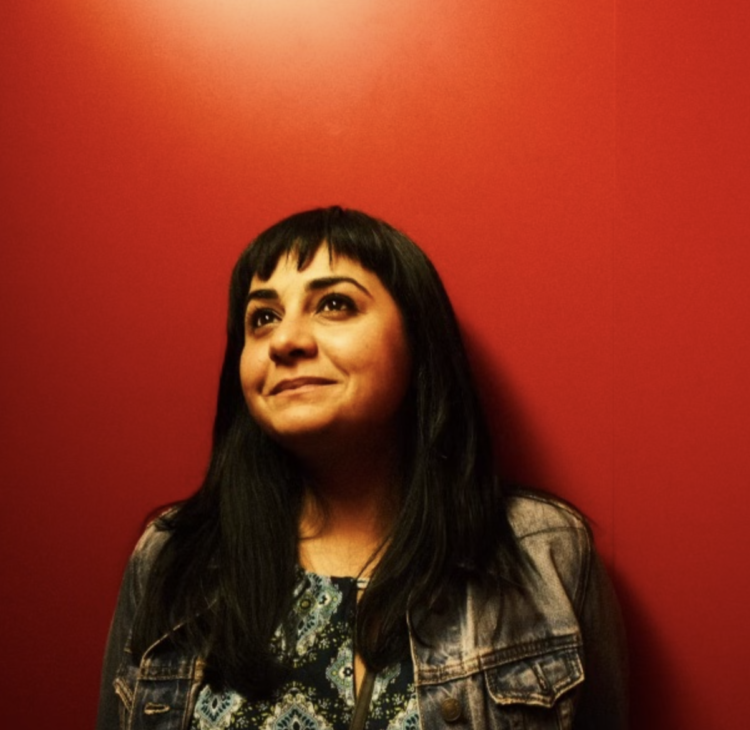
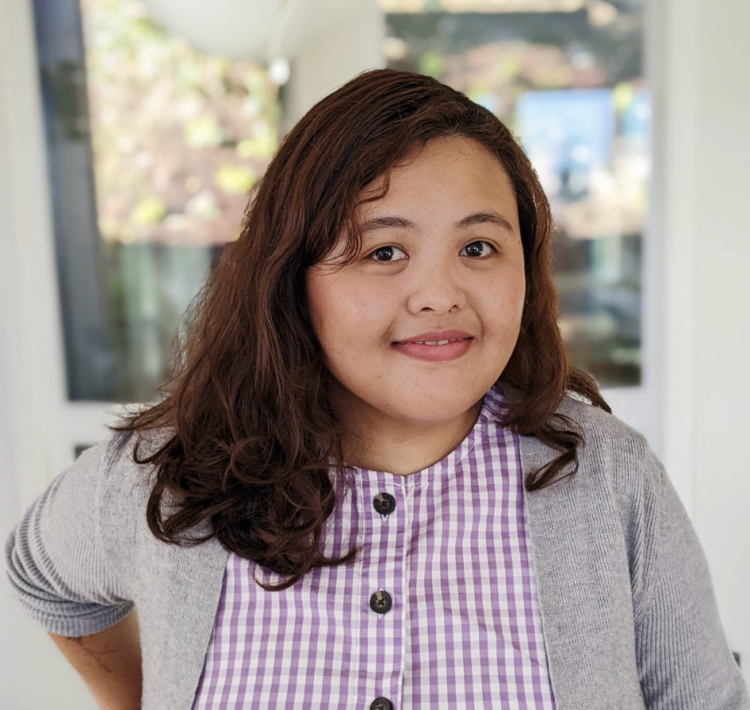
We’re going to try something a little new and have our conversations led by our mentees. In our first group, we have multiple award-winning documentary filmmaker and editor Michèle Hozer. With over 40 documentary editing credits, including the critically acclaimed Shake Hands with The Devil and her directorial debut, Sugar Coated, she is a mainstay of the Canadian doc world in Canada. Michèle is joined by her mentee, Brina Romanek, a documentary filmmaker and editor of the Lifestyle documentary Radical Retirees and editor of the doc feature a Cure for the Common Classroom, which she edited with Michèle’s guidance. Welcome Michèle and Brina.

Michèle Hozer, CCE:

Hi, thank you.

Chris Mutton, CCE:

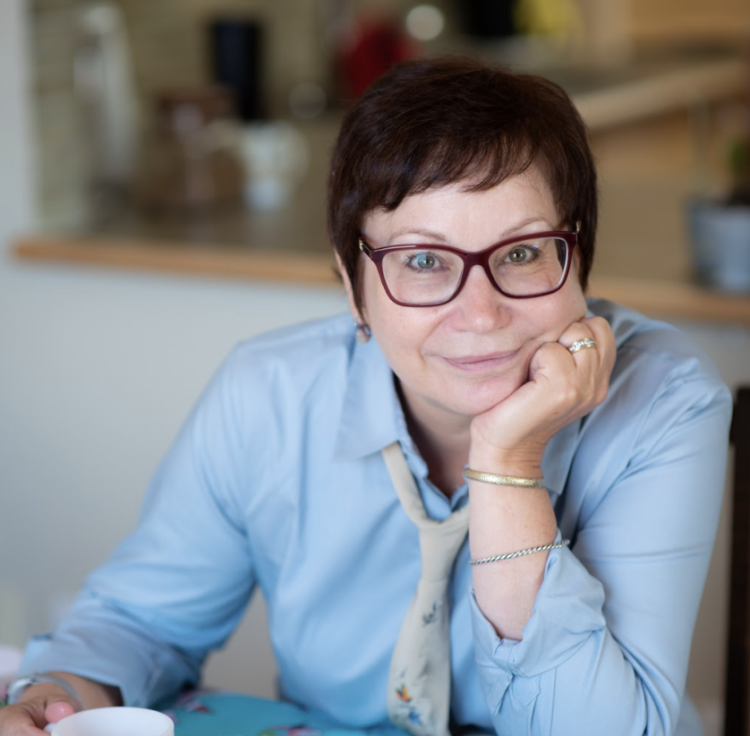
In our second mentorship pair, we are joined by Ricardo Acosta, CCE. Also a household name in documentary editing in Canada. Ricardo won the CCE award for best editing in documentary for Marmato in 2014, and is the editor of acclaimed films 15 to Life, The Silence of Others, and Herman’s House. He’s joined by mentee and documentary editor Jordan Kawai. Jordan holds his master’s degree in media studies from Ryerson and has assisted and edited documentaries including Bangla Surf Girls, in which Ricardo served as mentor and story editor. Welcome Ricardo and Jordan. And just to start things off, Jordan, how did you meet Ricardo and how did this mentorship begin with you guys?

Jordan Kawai:

I first met Ricardo when I was in graduate school at Ryerson, the documentary media MFA. And Ricardo was brought in for a class critique and I shared a piece of my film and had Ricardo give me some criticism about it, which was the very first time I met him. And then fast-forward two years later, I met Ricardo again in a job opportunity where I would be assisting Ricardo in a film that was produced by the NFB. And at that time it was called Hispaniola. The name later changed to Stateless.

Chris Mutton, CCE:

Awesome. How was it like to have Ricardo look at your work?

Jordan Kawai:

I mean, it was one of those interesting things where I– it was kind of like, foreshadowing a lot of the conversations that were to come. A lot of things surrounding, yeah, simplicity and minimalism and that, and one of the mantras that I kind of, like I always tell Ricardo, at the beginning of every project, I write at the top of my notebook which is “Surrender yourself to your footage.” And that was one of the first things that he had said to me, and that was something that I kind of brought forward later in all my projects.

Chris Mutton, CCE:

Excellent. All right. I’ll let you take it away. Go for it.

Jordan Kawai:

Yeah, So Ricardo, when we first met, we had– it was an interview for the project Hispaniola. And at that point in time I was assist editing on a few projects and a lot of them—a lot of my role at that point was moreso coming in and making sure, as assistant editor, that the project was—you know, the wheels were all oiled and it was all afloat. And one of the first things that you said, was kind of like, music to my ears, I was pining for an opportunity to work collaboratively and kind of, shadow an editor and director. And, I don’t know if you remember saying this to me, but you said you didn’t want, an assistant editor who was just going to be a ghost in the room, and you wanted someone who was kind of there for the process. And, I was wondering how that kind of came to be and why that’s what you wanted at that point in time for that project.

Ricardo Acosta, CCE:

You know Jordan, for me, as I had said to you before, I was a wonderful slave slash assistant editor for a while before I started editing my films. But I also was a very privileged assistant editor because I was able to observe and participate of the creative process– on the creative process of the filmmaking. And the storytelling, in the editing suite, and being able to– to be there, in situ, when the director and the editor and the producer were discussing the story. And I have realized that, in the times of digitizing footage, the role of an assistant editor has been diminished to someone who come, in a very impersonal way, when you are not around, to prepare the material for you.

It was becoming more and more a lonely job of an editor with a footage and a director, but where is the assistant on that? And also, where is the assistant that is also a wonderful filmmaker who I can perceive as a great editor, you know– in progress and where that editor will find the role models, the place where that young assistant can learn how to conduct and how to be, and how to– what is the role of an editor in the editing suite. That’s not something you learn in a school, at Ryerson. That’s something that you have to learn also, assisting other editors. I think.

And you know, I saw on you, from the beginning, that the light of a filmmaker, of someone who took his job and his dream of telling stories very seriously. And the way you talk about editing, I went like, “Okay, this is a fantastic opportunity.” Because a lot of people do not have that drive. And for me it was very, very special at that moment to say, “Okay, here is someone who can also be my buddy in the editing suite.”

Jordan Kawai:

What I really appreciated early on when I was working with you, Ricardo was watching rushes together. And I think as someone who was kind of new to that realm and new to that industry of just… Well, I kind of– What I learned from screening live with you and you would start watching rushes and you’d hit that space bar, pause it, and then you would ask me, “What is the heart of this scene for you?” And I think throwing that question and always having that ability to stop and pause and really be on the ball of figuring out if you shake this down, what it is at the heart of something or the spirit of something.

Ricardo Acosta, CCE:

At the end of the day we have to deal with tools of dramaturgia to put together a story and it’s a four-minute story. What is the heart of that? What we are doing, we might be wrong, we might be having challenge in finding what is the best. But we have to really be brave and go for it. And based on that thing that we find that is the heart and the most meaningful, build around that. Which is what we did in that scene, also, no? Start embroidering around that idea. How do we present that? Because for me, ultimately, it’s a choreography that is not dictated by the brain only, but also by the emotion of the moment of the story that we are trying to tell. And also of the character. What the character needs and not so much about what I want the character to do, sometimes.

Jordan Kawai:

This was part of a film where that character’s arc didn’t actually make it into the feature film. It was actually– That whole character was then used for a short film that I edited later, which ended up being the opening scene in a different variation way for that film. But it was interesting because there was a lot of elements and a lot of devices that were also part of the feature. And one of them being the use of radio. And I remember Ricardo, early on, one of the obstacles was how to give a lot of the backstory and context of what was happening, between Dominican Republic and Haiti, and this idea of using radio not just for context piece, but to show some of that temperature of what some of the antagonism between those two countries were. So this idea that radio is something that is pepper corned and interwoven throughout the entire piece. For this particular scene, I remember it being more of an exercise about visual storytelling and that’s one of the things that I was really excited about when Ricardo and I worked on this was to not use any voice at the beginning. The radio wasn’t used at the beginning and just try to create a story of one of the protagonists’ father living in Dominican Republic and he was born in Haiti and just showing his daily routine of going to work in the sugar cane fields.

Ricardo Acosta, CCE:

One thing that we do is spend a lot of time also talking, and for me, it’s very important that my assistant editor or the associate editor is part of those conversations when we are looking at rushes of footage and then sharing with the director what I saw. What I saw sometimes could be a little bit different to what the director saw and he compliments that, but also to what I can foreshadow in the scenes that we find very powerful and how the story we want to tell can be enhanced with the elements, the jewels of this—you know– that are hidden within the footage. And one thing for me that was very important always was there is a subliminal character of hate here, which is on the way in the radio wave. And that it was a thermometer, as you said, of the temperature of the hate speech and the hostility against Haitians in the country.

I always remember we spent a lot of time also talking and sharing with you with what I call the rituals of the footage of the character, of the subject, of the story. And what is the impression that we are painting with a scene that will then become part of a bigger impression that we are painting with the whole story and the whole film. And one thing that I find with you, that we are very much enjoying in our collaboration, is how you understand that and how you incorporate that. We also have these conversations about… It’s complex because sometimes young editors have a hard time having something emotionally because they come from a brain is sometimes perception of everything is about the intellect and not about the emotion. And I come from a different kind of experience with you where I always said to you, it’s more about what you don’t see and what you feel, the way you are trying to compose.

And it’s also always for us not about the trend, but about the essence. And those are things that we, Jordan and me, spend a lot of time talking about when we’re editing and sharing. Sometimes, I also like to do something like, when I’m cutting something and I think I’m excited about it, I will ask him, look what I did. And this idea of sharing like a tutorial, and a discovery with a friend and it’s also about sharing with him why I made the choices that I made. Why? Because I think that all I can share in my mentoring of someone who I think is a great editor on his own and it’s a little bit of my own creative process and my fears and my accomplishments, but there is no book about that.

Jordan Kawai:

One thing I think I’ve gleaned from you, mainly from your relationships with directors, but also I feel that towards you as well is this, is how trust plays in that relationship and how you build that and how that can really obviously really shape a film because it’s a process to begin with.

Chris Mutton, CCE:

I think that’s really a hard thing to teach. Right? And it’s interesting because there’s so many hard skills to editing, but one of the soft skills is all the people stuff in the edit suite and how you deal with a director in the edit suite and how you deal with their emotions as they look at their film coming together and maybe what their expectations were against what’s happening can be very emotional for them. And that kind of skill is so different from Codex and hard drives and all that other stuff that’s in the background. So it’s interesting. I think that is a really important part of mentorship is those people skills.

Ricardo Acosta, CCE:

So we are collaborating in a film called Betrayal right now and there’s a scene where the director is on the scene. The first time she met the subject, the subject used to be in Canada. He got evicted from Canada and now he’s living in a country in Africa. And the first time that she met the subject is there, in Africa in a refugee camp. And when I was looking at the footage I see that moment, which was filmed in a very informal way because no one ever thought that this going to be part of the story, where she said to him, “Oh nice to meet you.” And then he said, “Finally. Nice to meet you.” And has been talking to each other for so long. But that is on camera, in the center of camera. And then what I have for the next 40 minutes, it’s a very raw but honest and warm situation where this man, our main subject is showing to her the refugee camp and talking about, since they have happened to him, that we may know more or not prior to that scene.

So it was very interesting because it was like, okay, this is going to be a very difficult conversation to have with the director to say, okay, we can make a very evasive scene where he’s talking to a ghost and using shots that are not our best. Or we can try to make a scene that is very warm and authentic where you are on it. I knew that was going to be a conversation that was going to be very difficult. But before that, I also shared this with Jordan and asked his opinion. And we both said, okay, let’s prepare each other. And I said to Jordan, “Okay, please support me on presenting this case to the director.”

Chris Mutton, CCE:

Backup.

Jordan Kawai:

Yeah.

Chris Mutton, CCE:

What was the reaction? How’d it go?

Jordan Kawai:

I think it’s ongoing, I would say. Ricardo?

Chris Mutton, CCE:

Oh, okay, all right. Yeah, it’s not quite there yet, eh?

Ricardo Acosta, CCE:

I think that everybody felt the strain of it and the authenticity and Jordan did a great job on putting together a scene that we have choreographed and discussed. And I think it opened a whole new avenue for us also to feel more empowered about how we are going to deal with similar situations through the whole story.

Jordan Kawai:

Yeah, and it’s interesting, Ricardo, that is an example. Because we talked about the idea of surrender yourself to the footage. And I’m thinking about it more and another thing in that example, but in previous films too, where I’ve watched you challenge the footage and I think that means also challenging the director on some of the expectations of what a scene may or may not be. And I find that kind of interesting. What is that dialogue and having that confidence to A, try something but B, to challenge what that scene can possibly be. And I think the one you’re bringing up as an example of that, for sure.

Chris Mutton, CCE:

Thank you very much for the discussion. Hang tight for a bit. We’re going to bring you back in just at the end for a sort of round table chat about mentorship. Now we’ll bring in Michèle and Brina.

Hey, how are you guys doing?

Brina Romanek:

Good, how are you?

Chris Mutton, CCE:

Excellent. Welcome back. Now something that not everybody listening today probably knows is that you guys met through the CCE mentorship pilot program, which started in 2019. So maybe Brina, tell us a little bit about that experience and how you were paired with Michèle.

Brina Romanek:

I was working as an assistant editor at the time and I was already a member of CCE when I got the email. And I really felt similar to what Ricardo was mentioning in terms of this idea of that sometimes the assistant editor is the ghost. I felt like the ghost. And I had made a couple of my own films and I felt like I needed to learn, but I needed someone to help me push my own boundaries. So I applied, and I got accepted, and I found out that I was paired with Michèle, who I then very quickly went and googled.

Chris Mutton, CCE:

I’m sure you were pretty happy when you googled her.

Brina Romanek:

Pretty pleased. Pretty pleased. And very intimidated.

Michèle Hozer, CCE:

Nah.

Brina Romanek:

Starting off, Michèle, I’m kind of curious. I know we’ve talked a little bit about your beginnings, when you started editing and learning from other editors, but I’m curious to know what your experience had been with your own mentors and what made you want to be a part of the program?

Michèle Hozer, CCE:

Well, like Ricardo, I always thought it was important to have an assistant editor in the room while we cut because it could be a lonely job. And I think it’s our obligation to… I mean someone taught me, so I think we should keep that going. And so I always kept editors or assistant editors for most of my work. Many producers and director thought, “Are you crazy? It costs too much to have a full-time assistant editor.” And by the end of the project they always loved the assistants way better than they loved me. And they realized, certainly in a documentary setting, how important the assistant editor is because they know everything about the film very intimately. The assistant editor knows the timeline, knows all the problem shots, knows the music. And when it comes to posting and putting all that together, the assistant editor is key.

And the assistant editor, if they’re a good assistant, helps smooth the waters, calm things down when the editor and the director are fighting or there’s tension in the room, the assistant editor can always come and help keep those things afloat. But in terms of our CCE, I don’t know, I got an email that said, “Would you, you be interested in mentoring?” And I thought, “Okay, why not?” I didn’t know what it would entail. I had no clue that you and I would still be working together on the Buffy film.

And I remember meeting you, do you remember that meeting? We were at Insomnia, I don’t know, three days before the first lockdown.

Brina Romanek:

Yes.

Michèle Hozer, CCE:

And I remember reading your CV and I thought, “Oh wow, she’s 27. She’s directed a few shorts already.” And I thought to myself, “Oh my God, here she is, someone to replace me. Here we go.” And I remember that was my first impression in meeting you. I don’t know, what was your first impression?

Brina Romanek:

As I mentioned to you before, I definitely sweat right through my blouse. I was very nervous. And you were asking me questions that I don’t think I had been asked in a while. Very direct questions about what I wanted to do and where I wanted to go. And I wasn’t even sure whether or not those are maybe things that I kept inside, but I wasn’t sure that I had the confidence to just blurt out. And so I felt a bit like I was in the hot seat, but in a good way. And I left the meeting feeling excited. But also I had been given the opportunity to think more specifically about how I wanted to grow. I think that that was a good start to our relationship.

Michèle Hozer, CCE:

Yeah. And I think you were interested in documentary and I think that’s important. I get a lot of people who come and they want to be fiction writers or dramatic editors or even directors and it’s like, “Why are you coming to me?” But you were very persistent and I think, what did we meet every month or something like that?

Brina Romanek:

Yeah, I think at the beginning it was, we’d have at least a phone call a month. And at first, you watched the films that I had made and gave your thoughts and feedback. And I remember very clearly, you watched my film, A Portrait of Pockets. And afterwards you gave me this note, which I still think about all the time when I’m cutting.

Michèle Hozer, CCE:

I hope it’s a good note.

Brina Romanek:

You said really think about when you are giving breath in between the phrases of what your character is saying and when you are making it a full cohesive run-on sentence, let’s say. And you were saying there were some moments in that film where I had split up and given too much breath in between phrases from the main character of Charmaine and so we lost some of the meaning of the scene. I think it was a very good note. I think about that a lot when we’re cutting now. I’m often thinking about, “Okay, is this an idea that is more clearly comes across when we hear the whole thing? Or is this one of those ideas that we need a moment to pause and breathe in part of what’s being said before we can hear the rest of it?”

Michèle Hozer, CCE:

Yeah. Yeah, you’re right. We did that yesterday on a scene. When do we let Buffy Sainte-Marie say everything she says, and when do you give the pause, right?

Brina Romanek:

Yes.

Michèle Hozer, CCE:

That takes time to figure out and you just re-listen to your scenes over and over again. We’ve been working together for what, two years now? Almost two years. Right now we’re cutting Buffy and now Brina’s taken my place. She’s the editor or co-editor with the director Madison Thompson. Yeah. And I’m story editing with her and maybe giving you too much of a hard time, Brina.

Chris Mutton, CCE:

That’s great. I mean just like Ricardo and Jordan, you guys are now colleagues, which I find is fascinating. It’s great.

Michèle Hozer, CCE:

Yeah, working that scene. Today, you were pretty tired, was it two days? Two days, we’ve been working on the same scene?

Brina Romanek:

Two and a half. And today it was down to the really minute, minute. And there’s a moment where I was like, “Oh my gosh.” But then-

Michèle Hozer, CCE:

I was a moment there when I gave you a note and you were going, “Oh, for fuck sakes. Really? She’s not happy?”

Brina Romanek:

But when I went for a walk and came back and watched it was like, “Yep, it made a big difference.” As stubborn as I was feeling in the moment.

Michèle Hozer, CCE:

I think what was great about this mentorship program… We did a movie club at one point, watched movies and talked, and then I got a call from these producers that I knew and the filmmaker was stuck. They had an assembly, they just couldn’t do the story that they really wanted to do. The film was in trouble, would I cut it? And I’m at a stage in my career where I want to do other things. I don’t want to necessarily work seven days a week or five days a week on a project. And I said, “Look, I’ll story edit. I’ve got this young mentee, she’ll cut it and I’ll story edit it. And I promise you’ll love it.” And I gave you a call, Brina.

I wasn’t sure you were completely on board. I mean, I don’t know, you were very quiet.

Brina Romanek:

Well, I had another project that I was doing currently, but I really wanted to do it. And so I expressed that to you, there’s a bit of a scheduling conflict. And you said, “Well go talk to your parents.” So I got on the phone and I went upstairs because I was quarantining with my parents. And I told them about it and my mom goes, “Well you’re certainly going to work really hard, but it’ll be worth it.” So then I called you back and I said, “Okay.” And away we went. And I’m sure Michèle, you’ll probably attest to this too, but I’m curious to know, because the beginning was a little bumpy. We had to figure out how we were going to work together. And I’m curious to know from your perspective what your expectations were going in. Because I know that I had specific expectations, and it wasn’t necessarily quite like I thought it was going to be, in some ways. And so I’m curious to know if you had any expectations going in?

Michèle Hozer, CCE:

Oh no, tell me yours first. What did you expect?

Brina Romanek:

Well, I think that when we started, I had in my brain that we were going to look at the material and we were going to talk about it and then I was going to go away and have to cut something and sort of prove to you that I could cut. And then we would look at it and discuss and go from there.

And instead, which I am so appreciative of, is you really took the time to first of all, say “When we start cutting, because I am teaching you a certain method of how I organize the project and how I cut. And I’m going to ask you to also follow that method so that I can show you the way that I work.” And it was very specific. Right from the beginning I went, “Okay, this is going to be a very detailed approach.” Which I’m very appreciative of.

Michèle Hozer, CCE:

Yeah, I’m not sure if I had a clear idea of what we were going to do, but I knew I was going to be very hands-on at the beginning. Because I had sold this to these producers and I thought, “Fuck, I hope this is going to work out. I hope I don’t end up working more than I have to.” Or who knows. I thought I knew you and I knew you were very talented and stuff, but I wasn’t completely convinced that I had done the right thing.

Well, you know, it’s that, as I said, you promised the moon in the beginning and hopefully you can deliver. But it worked out. Brina, I think you have enough confidence in who you are and you’re very open to trying things. It was bumpy in the beginning. Just for the audience to know, it was in the middle of Covid still, we shared a screen, we both had clones of material. You had your drive, I had my drive. Whatever we added in the day we would share, so we were always having the same timeline. And then the first thing you cut, I think I took it over right away, which was really bad. But I didn’t know how to explain. It’s like, “Oh shit, let me just show her and she’ll get it.”

And then because also I live in Prince Edward County and the internet is so slow, the lagging thing really was problematic. But we worked it out. We started sending quick times and I think at one point you even said to me, “Is this what’s going to happen all the time? Are you going to just take away my edits? Is this…” So I learned to back off. But also, you picked up very quickly. And after we worked really hard for the first act or so, for the first 20 minutes, then I was really hands-off. And then what we would do is we would talk about the scene in the morning, you would pull the selects, you would cut, call me at lunch if you were in trouble. I was out in the field doing, planting my flowers. And then by the last act I was really hands-off, right?

Brina Romanek:

Yeah. And I will say that, thinking about that, in terms of Buffy, one of the things that you’ve been talking about right now to me is that we’re taking the time right now to find the rhythm and to figure out what the rhythm is. And because we did the last film together and I experienced how it’s that slow turtle start and then you just get on going and you just go, and I don’t know if it comes across this way to you, but I feel like I have a more patience and understanding and “Okay, we have to be slow and deliberate right now and not to stress about the time and just to make sure that we’re finding it.”

Michèle Hozer, CCE:

Right. Yeah, it’s always slower in the beginning. Always much slower in the beginning. And I think, for me as an editor, there’s a couple of things that’s exciting us about being a mentor. One, you are not just teaching the technical, but you have real-time experience of saying, “This is how you do it” because we’re working with the material together. And sharing that experience is completely different than just editing. For me, there was an excitement that all of a sudden, I’m doing something different with the work. I’m not just cutting.

And also, working with someone from the younger generation, you have a different sensibility than what I have. And as an older editor, you can easily get used to mining from the same pot that you’ve always, “Ooh yeah, I did this trick on this film. Let’s go back to this. Let’s go back to this.” With you, you challenge and you give me a different perspective. Because the language of film changes over time. There’s new shortcuts, there’s new ways of expressing things, there is new styles. And working with you has allowed me to be on my toes and not sit back and say, “Oh yeah, I did it all.” No, you challenge that. And I think that that’s great. And by the end, the director and producer stopped talking to me, right? After the wrap cut, that was it. I was out of the picture.

Brina Romanek:

With your flowers.

Michèle Hozer, CCE:

With my flowers, yeah.

Brina Romanek:

That’s another thing which I think I’d love to have you chime in with me on, is my growth, in terms of learning from you about transitions, because that was probably my biggest learning curve. And one of the things that I’m still really focused on working on and getting better at is transitioning between scenes and sometimes even moments.

Michèle Hozer, CCE:

And I think that with time you’ll feel more comfortable with that. But I think that, as an editor, and you’ve got a feature film, there is this feeling of wanting to reach the end. You want to get to the end, you’ve got the weight of the film on your shoulders, and transitions take time. You have to let it breathe. But there is this constant momentum to move forward because of “Oh my god, I’ve only cut two minutes in the last three days. Are you kidding me?” And I think that transitions, as I said, are separate. They’re like putting peaches together. You just sometimes have to undo things and let it sit. Let words reverberate onto other scenes.

So yeah, we talked a lot about that, using sound in transition. There was an important one in the film, just for the audience. It was a character-based film on alternative education. And we had three or four characters. And midway through filming, they too got caught into Covid like everyone else. And that transition was the hardest for you, right?

Brina Romanek:

Yeah, it was really hard. And I remember when I first started cutting it, I did this weird kind of fade out thing and I showed it to you. And you said, “You don’t have to stick to what the footage is giving you. You can throw something in there and kind of turn it on its head.” And you made these suggestions of sound effects that, if you were in this scene, you wouldn’t think that belonged. And I remember you first mentioned that I thought, “She’s crazy. What’s she talking about?” And it was this… What’s that book called? The Art of the Cut. And they talk about the fact that you’re kind of a dream state, so it’s almost real, but then you have the power to bring things into play that wouldn’t actually happen in real life. And that was for me the aha! moment of, “Oh, this is what that book means.”

Michèle Hozer, CCE:

That’s right. And so I think we deliberately build up one of the characters. Again, the film is about alternative education. And each of the characters, each of the kids from the school, had their challenges to overcome. And we deliberately– we decided to have one of the kids overcome their challenge, just meet their goal and just get to the point of transforming into the character he wanted to be. And for us, if you bring that up high and then when Covid hits, the whole world falls apart. And you needed to find a transition to help you do that, right?

Brina Romanek:

Yes.

Chris Mutton, CCE:

I watched the film over the break and one of the things popped into my head was just how appropriate of a film this is to tie into mentorship, because they talk so much about how everybody learns differently and you need to have a catered approach to each person. We all have different ways we learn and understand things. So in these mentor/mentee pairs, you’ve got a unique teaching situation or learning situation where you guys get to know each other as people and your communication styles and how you best learn. And from there, you can really see how it’s an enriching process.

Brina Romanek:

Yeah, and I would also say, to jump off that point you said Chris, about learning about each other. It was a nice way to learn about each other because there were so many discussions that came about up about “What were you like as a kid? What were things that affected you in school or things that impacted you in how you learned?” And it was a really great way to not only get to know Michèle as a teacher, but also to get to know her as a person.

Chris Mutton, CCE:

Amazing. Well, it seems like a great time to maybe bring everybody back in. So we’ll have Jordan and Ricardo join us again. So to start this off with everybody, I just wanted to ask one question to each of you. And that question is, what does an effective mentorship mean to you? And Jordan, let’s start with you. What does an effective mentorship mean to you personally?

Jordan Kawai:

Well, I found it really interesting when Brina and Michèle were talking about part of their mentorship program, watching films together and dialoguing with that. And I think mentorship for me is being in dialogue with what moves you. And I find when you watch a film together, not when you’re just cutting, but when you’re– as an audience and editors as viewers as well, of what gets you excited. And I think so much of it as the process of watching a director and editor’s relationship. But when I was watching with Ricardo is just seeing that passion come out and then really focusing on that and making sure that that’s the center of everything you do, when you’re editing at every scene. So being in dialogue with what moves you, I would say is what mentorship means to me.

Chris Mutton, CCE:

And Michèle, how about for you?

Michèle Hozer, CCE:

Wow…

Chris Mutton, CCE:

It’s an open-ended question, but…

Michèle Hozer, CCE:

It’s a hard one. First of all, the two people need to have a good relationship. I think that’s really important. It takes a lot from… You’re giving and taking on both sides, it’s not just a one-way street. You’re not just talking about yourself and saying, “Oh yeah, I did this, I did this.” No. I mean the idea is, Brina came in, what can I do to advance and help her in her career? And in bringing what I have learned and what people had given me, how do I give back?

And I think that that’s really, really important. And you have to be honest. You have to be honest with yourself. You have to be honest with your mentee. There are times when Brina was very frustrated and was having difficulty. And so you share your own fears, you share your own struggles. Because even today, you still have them. I mean, how many times do you get a new film and you go, “Okay, that’s it. They’re going to find out that I can’t do this anymore.” And to be able to listen. To listen to her, to her ideas, what she brings to the table. And not always try and lead and control the situation. I think that that’s really important because they’re there. They have a lot to offer as well. So I think it’s very much a two-way street.

Chris Mutton, CCE:

Yeah. Excellent. Yeah, I like how you touched upon earlier, too, about learning from Brina and that the mentee has a lot to offer the mentor. And that’s maybe a common misconception about mentorship is that it’s a top-down approach and it’s somebody who’s, “I’m going to teach you X, Y, and Z.” But I think one thing that’s come across really obviously, in all the conversations we’ve had here, is that openness and honesty and it has to be a two-way conversation to make it work well. Brina, what does an effective mentorship mean to you?

Brina Romanek:

Well, first of all, I think both those answers are so great that it’s hard to keep coming up with things. Two things stick out for me. One is a safe space. Feeling like you have a safe space to make mistakes and to play. Because, end of the day, one of the most fun things about editing is that you get to play. And so if you have the space to do that, then it makes the whole experience better. And it probably makes your film better.

And the other thing that I would say is that having a mentor who can see what you’re capable of, even when you can’t, and so will sometimes push you to places that you don’t think you can go to is a very lucky thing to come across and I think makes the growth that much better. I know Michèle has certainly pushed me sometimes and I don’t think there’s any more pushing that can happen and then suddenly it’s like, wow. And we go somewhere completely different.

Chris Mutton, CCE:

That’s true.

Michèle Hozer, CCE:

So I wasn’t too mean?

Brina Romanek:

No.

Chris Mutton, CCE:

Amazing. And Ricardo, what does an effective mentorship mean to you?

Ricardo Acosta, CCE:

I think everybody has said something very meaningful. For me, really, it’s a collaboration. Also, I would use one word is empathy and respect. And also knowing that you are working with a very particular part of our being, which is our fragility, our insecurity, our gift as artists. The fact that none of the scenes are absolute, but they’re all part of our humanity. I cannot be the mentor of someone who is competing with me, or I cannot be the collaborator as an editor, as a story editor, or as writer of a director that is competing.

It’s about complimenting. And I always said, “Doesn’t matter who had the idea. If the idea works, that’s what the story needs and we are happy about it.” And that’s one thing that I always share with Jordan, for example, and with other editors and directors that I am mentoring about, it has to be always a pleasurable and in collaboration. It cannot be about a clash of egos or a clash of my idea is better than your idea. There’s no such a thing. At the end of the day, the movie works or it doesn’t. And everybody else ego will banish it out of the screen. And that’s something that I love to be able to understand that the mentee really see in me someone that see this… We have to have the same kind of empathy and excitement about finding each other interesting, I would say.

Chris Mutton, CCE:

Yeah, for sure. Do you guys have any questions for each other?

Michèle Hozer, CCE:

I have a question for Ricardo and Jordan. Jordan, I know you just– was the Surf Girl film the first feature or second feature that you cut? And if so, was Ricardo a mentor on it, a story editor for you? And how did that work?

Jordan Kawai:

Bangla Surf Girls was the second film that Ricardo mentored and story supervised for. The first one was a CBC doc channel piece called Stage: The Culinary Internship. And both instances were actually interesting because Ricardo brought me in for both. And both films were in a spot where they had edited a full rough cut and then they reached a point where they wanted to open it up and to reconstruct and reimagine the film.

So I was brought in for both those pieces and in that situation. The relationship with Ricardo is very much so, again, what I was talking about before, this idea of watching something as a viewer and then having a conversation about it. It was interesting because both those films, you’re able to watch a full rough cut and then have a conversation about what you got excited about and what just wasn’t holding tension. So that relationship, for that film, really was about reacting to something that was already present. And it was interesting because it kind of gave me a bit of a road map to stand on. And for a first feature to cut, it was also a blessing and curse because you were also trying to completely reimagine something, but at the same time, you also were reacting to something that was already done. And yeah. Ricardo, you have anything? What was it like for you in terms of that?

Ricardo Acosta, CCE:

No. For me, Stage was a very interesting [inaudible 00:48:14] because I was approached by the directors and producer to edit the film and I said, “I’m busy, but I have the magic team for you.” Because for me, it was very important to– I knew that Jordan was ready to do a feature length documentary. But I also knew that not everybody was seeing Jordan as being ready, because that also happens. Sometimes you have an editor in waiting that is still a ghost because the producers that he’s working with don’t see him as someone that they want to give the chance.

And one thing that we can do, Michèle, me, and editors who are more established and they have done it, is that we can become that signature behind that opportunity. And I saw it as well, okay. And I remember saying, “Jordan, you have to tell me yes about this because this is something nice for you. And these directors will never hire you on your own because there is this layer of insecurity about who are– what have you done?” But the deal I have made is that you get me if you get him.

And that was an opportunity that for me was super important to do in that case, because I know Jordan will be able to do it. But I also knew that directors and producer will not be able to hire him. So I have to pitch Jordan to the producer, director. And that was a very powerful pitch and a very important pitch. I was also mentoring the director and the producer because for them was also, in some cases, first time experience of feature length business. And that way there were so many classic mistakes that were made on the first incarnation of the film. And what we were trying to do here also was we are not coming in to follow something that’s not working, but we are coming in to reimagine that story with the same footage. And that alone is a very powerful and complicated intervention that when we do it, we have to be able to have the room and the freedom to do that.

And that was a great collaboration because constantly, Jordan and me were talking about, “Okay, first is identifying what are those things that absolutely work from what is there before us and what is not working? What is problematic? What is actually a liability to their story?” And start doing this kind of casting the scenes that are in and the scenes they’re out. And then out of that, being left with the bones that we thought, “Okay, this could be the first element to build that story.” That alone will have been very difficult for a young editor to do, on his own or on her own, without having someone like Michèle or me or many other editors who can say, “Okay, let’s resurrect or reinvent this film together.” And how we are going to talk to the director and the producer about this, which are people who had spent perhaps two years working on the same, no working, failing story.

And they has been rejected by everything film festival. And the people are actually very tired about hearing about their story. But then you are coming and saying, “No, there is always a mañana.” That that’s what we did. And I feel very proud because ultimately, that was a dream for me, to be able to help Jordan to get there with a film that, by the time that we got into the other film, it was different. Because he has so much… He have learned to find his own strength much more than at that time, I think. Right, Jordan?

Jordan Kawai:

Well, the time, yeah. The timing was really interesting for me because as an assistant editor who, as you were saying before, I was getting really comfortable with doing the assist edit role. And a lot of that is some of the IT support. So I do get that. I was having that feeling that I was so hungry to work on something in a full creative capacity, but then it’s a dog chasing its tail. When you called me and said, “Oh, there’s an opportunity,” it’s just all of a sudden just trying to find that confidence. Am I actually ready to do that? And I think just by hearing your confidence in me, that definitely was the push. It’s interesting, when you get that opportunity, and I’m curious for you, Brina, is that something that “Hands down, for sure, a hundred percent I’m going to take,” or do you have that moment of consideration of, “Am I actually ready to take this on and will I deliver?” And I struggle with that. But Ricardo, you definitely helped me find that confidence.

Brina Romanek:

It’s very nice to hear someone else… It’s a kind of up here feeling that way because I think, I don’t know about you, Jordan, but I have had minimal contact with other people in my experience and age group who are assistant editing and moving into editing. Because usually I’m working with a team of a lot of people who are very experienced. Sometimes that second guessing is in the back of my brain. I’m going, “Okay, is this normal? Is this okay? Does everybody feel this way at one point or another?”

So in some ways it’s kind of nice to be confirmed that I’m not alone in that feeling. But to echo or answer your sentiments, both times that Michèle has come to me and said, “Okay, here’s what I’m thinking,” there has been that large inhale and going, “Okay, I think I can do it. I think I’m ready.” And I’m curious to know, in your process of working with Ricardo, and I know that Michèle knows this, that I have many days of feeling overwhelmed or I’m not quite sure if I have the chops. And so I’m curious to know if you have had those moments as well when working on both of your films.

Jordan Kawai:

Yeah, definitely. Imposter syndrome is real. I definitely feel that on all the projects at a certain point. But I also find that, in some ways, it’s because there’s this skill of editing, but there’s also just understanding the world that you’re entering. And I think that’s such a gift about editing is just every project is a whole new realm and world that you’re coming into. All this new research, all this new information, all these new contexts. And I think that I convinced myself that fish-out-of-water feeling is normal for every project. And I’ve started to really just embrace that.

Chris Mutton, CCE:

And who better to learn that from than your mentors, who have that feeling too, I’m sure. And to have that confidence check, the ability to check in with somebody, rather than being on your own and left to just to wonder and have some maybe fear come through your mind. But you guys both have someone very experienced to check in on you, which is fantastic.

Ricardo Acosta, CCE:

I have a question for Michèle and for Brina also about, in this relationship that you have as mentor, mentee and collaborators, Michèle also, how has been the experience of learning? Because sometime, a lot of what I do is also being there for the director as much as for the editor that I am mentoring. And sometime even for the director, the producer, and the editor in different capacities, sometime. But how have you been sharing with Brina that whole idea about how do we deal with this director or this situation or this other? What is your role as a editor? How much active or forceful you are? Or how do you stand as an editor? Because I mean, those things are not written on the wall.

Michèle Hozer, CCE:

No, no. And those are very good questions, Ricardo. And I think, Brina, we’re learning this now with Buffy. We’re working on Buffy Sainte-Marie. It’s a big team. There’s way too many executive producers. There’s way too much pressure that this film is supposed to be fabulous. And so I want to make sure the scenes that Brina’s culling out right now are perfect. Are beyond perfect. Because the team is waiting, they’re waiting, and they’re just too nervous.

And so, I don’t know about you Ricardo, a lot of time, it’s just getting that team to calm down. And to say, “We know what we’re doing, we’ll get it done.” Brina, I don’t know, but is the amount of pressure I’ve been putting on you to make sure that, to keep cutting that scene, to make it that there’s no structural problems, there’s no pacing problems. As you know Ricardo, it’s a matter of trust. Can your team trust you because they’re going in blindly with you. You don’t have all the answers right now. And Brina doesn’t have. We’ll work it out. And I think on the first film, Brina, it was that first act had to be great, right? We’d show them scenes, but once that first act and they were like, ‘Oh, thank God. This is so good.” And they relaxed. You know that feeling.

Sometimes I work with directors and they’re new directors. I worked on one and we had barely 12 weeks to cut a feature. I’ll never do that again. No. It’s ridiculous. And you could do it on your own. I’m not following that kind of schedule. But I never worked with a director before and I said, “Well, we don’t have time to make a mistake and go, I’m going on the wrong path. You don’t have time.”

So I cut a scene, like a sizzle reel. I hate that term, but I cut one anyways, just to make sure we’re on the same page. But the director took over 10 days to look at it. You know, you give a Vimeo and you see, how come he hasn’t looked at it yet? What’s going on? And he actually admitted to me that he was afraid to look at it because he thought, “What if I didn’t like it?” Thank God he liked it because he would’ve been in trouble and I would’ve been in trouble. Because it’s, as you know, Ricardo, it’s a relationship with between the filmmaker and the editor. It’s like you’re married for a while and gaining that trust. And I think, Brina, we do a lot of that, how to gain the trust of the filmmaker. And it’s an important skill to learn.

Ricardo Acosta, CCE:

And it’s very delicate because sometime, at one scene I really feel that I always said we all have to embrace our insecurities, our creative panic, as an asset, not as an obstacle. Because we are human. And nobody has the formula of how to make the movie work. And you probably will agree with me, I cannot work with someone’s expectation because that does not give me any tools to make the movie better or worse. I can only work one step at a time with what feels right in front of us at the editing suite. So this idea that somebody is building a film outside the editing suite based on their own pretension, and then projecting that inside then editing suite, can create a lot of demoralizing around the creative process. And for us, it’s super important to protect that. It’s like, yeah, if you want to go to Sundance, that’s your own dream. Please leave it outside the door. I mean, come on.

But I love the idea of be able to share that with my mentees and say, “Yeah, you have the right to push and to exercise those things outside the creative…” That you create the space. Also, this idea that you created space, it’s not the office of the film, where people go to do production stuff. It’s your sanctuary. You are the boss. Yes. That is important because sometimes people don’t see it that way. And then you become an asset to their own world and it’s like, “No, no, no. This is my kingdom.”

Chris Mutton, CCE:

Yeah. I like that idea of how you have to protect that.

Ricardo Acosta, CCE:

I was one working in a production that was few very brilliant editors. And I came in and when I was the last one who came in and everybody was basically working with the window or with the door open, because the control freak executive producer liked to be going around looking at all and I went, “oh no, that’s not me.” It was like a fish tank. I closed my door and it was such a shock in the work environment, because it was, “My God-

Chris Mutton, CCE:

How dare he?

Ricardo Acosta, CCE:

And he was like, “Hey, he closed his door.” It’s like, “Yeah, I closed my door because this is my territory. You’re welcome to my editing suite. This is not a chorizo factory, it’s my creative space.” But it’s very interesting because I realize, okay, I am in a situation where there is a bully, but I was not hired to deal with that. I was hired to try to work on a story. And it was interesting because then I created a trend. All the editors said, “Okay, let’s cross the door.”

Chris Mutton, CCE:

I’m going to close the… You started it.

Ricardo Acosta, CCE:

And those are things that you have to share. And it’s also this idea of that I’m mentoring someone who said, “No, I’m preparing my demo reel and you know what I think about that.” And I’m going like, “You don’t have a demo reel as an editor.”

Chris Mutton, CCE:

Your films.

Ricardo Acosta, CCE:

Whole conversations about what are the trend that you are getting in that’s disrespecting our craft. And that’s important because when a producer asks you for something like that, you are not obligated to bend to that requirement. And people are still asking for demo reels.

Chris Mutton, CCE:

Yeah. Amazing. And in that case you just send them, “Nope, you want want to hire me, watch my film.”

Ricardo Acosta, CCE:

And one day I said, “So you have not that many films on your back, but you also know how to talk. You are entitled to say, let’s talk about a story. Because that’s what I can offer you.”

Chris Mutton, CCE:

I’m afraid we’re going to have to wrap it up. This could go on forever. You guys are having an amazing conversation and I think everybody could agree that both of your mentor/mentee pairs are really excellent examples. I love all the conversation around the intangible skills that mentors can pass on to their mentees. Because there’s so much more to editing than just what’s on the timeline. So thank you to Jordan, Ricardo, Michèle, and Brina.

Michèle Hozer, CCE:

Thank you, Chris.

Brina Romanek:

Thank you.

Ricardo Acosta, CCE:

Thank you, Chris.

Chris Mutton, CCE:

You bet.

Jordan Kawai:

Thank you.

Sarah Taylor:

Thanks so much for joining us today. And a big thanks goes out to our panelists and moderator. A special thanks goes to the 2022 EditCon planning committee, Alison Dowler and Kim McTaggart, CCE. The main title sound design was created by Jane Tattersall. Additional ADR recording by Andrea Rusch. Original music created by Chad Blain and Soundstripe. This episode was mixed and mastered by Tony Bao. The CCE is proud to support Hire BIPOC. Hire BIPOC is the definitive and ubiquitous industry-wide roster of Canadian BIPOC creatives and crew working in screen-based industries. Check out HireBIPOC.ca to hire your next crew or create a profile and get hired.

Speaker 9:

The CCE is a non-profit organization with the goal of bettering the art and science of picture editing. If you wish to become a CCE member, please visit our website, www.cceditors.ca. Join our great community of Canadian editors for more related info.

Abonnez-vous là où vous écoutez vos balados

Que voulez-vous entendre sur L'art du montage?

Veuillez nous envoyer un courriel en mentionnant les sujets que vous aimeriez que nous abordions, ou les monteurs.euses dont vous aimeriez entendre parler, à :

Crédits

Un grand Merci à

Kim McTaggart, CCE

Alison Dowler

Mac Dale

Hosted and Produced by

Sarah Taylor

Design sonore du générique d'ouverture

Jane Tattersall

ADR Recording by

Andrea Rusch

Mixé et masterisé par

Tony Bao

Musique originale par

Chad Blain

Sponsor Narration by

Paul Winestock

Commandité par

Adobe

Catégories
Événements passés

Atelier sur les taxes et impôts pour les travailleur.euse.s autonomes et les créatif.ve.s

Tax Workshop for Freelancers & Creatives with Sunny Widerman
1er avril 2023

Cet événement a eu lieu le 1er avril 2023.

Presented in English / Atelier en anglais

Presented by Sunny Widerman of Personal Tax Advisors, this session is an entertaining and information-packed presentation about the financial and tax aspects of running your own business. Yes, we said entertaining! Hundreds of participants in dozens of workshops over the years can attest that you won’t be intimidated, and you definitely won’t be bored!

In this workshop, you’ll learn about deductible expenses, how to use RRSPs to protect your income, how CERB effects for your taxes and why doing what you love is great business. Take the opportunity to ask all your lingering tax questions during the Q&A from an expert who has been working in taxes since 2002. No judgement, just great advice and information with a sense of humour on the side.

À propos de l'événement

avril 2023

12-14h HAE

virtuel

Catégories
Événements passés

Atelier : Le métier d’assistant.e-monteur.se, avec Paul Whitehead

Atelier : Le métier d’assistant.e-monteur.se, avec Paul Whitehead
25-26 mars 2023

Cet événement a eu lieu le 25-26 mars 2023.

Presented in English / Atelier en anglais

Ce cours d’une durée de deux jours abordera non seulement les aspects procéduraux et logistiques de la fonction de l’assistant.e-monteur.euse, mais inclura également un survol global des enjeux politiques et psychologiques du montage et la façon dont ils affectent tout le monde impliqué dans le processus. Avec vingt ans d’expérience en tant qu’assistant-monteur, Paul Whitehead saura vous livrer généreusement ses conseils et ses anecdotes pour illustrer des leçons apprises à la dure. Les personnes débutantes comme les plus expérimentées pourront tirer profit de ce cours. À noter : ce cours n’enseigne pas l’utilisation d’Avid, de Premiere ni d’aucun autre logiciel.

La biographie suivante est uniquement rédigée dans la langue de présentation.

Paul Whitehead

Paul Whitehead has been a fixture in the Toronto Post Production community for over 30 years. He has worked as First Assistant Editor on over 50 film and television productions, and now edits episodic television and feature films. His career began at the dawn of non-linear editing technology, which allowed him to witness and contribute to its development over the years. Paul has taught others the art of assisting throughout his career both one on one and at the college level, and believes strongly that experience must be passed on to maintain the high standards that Canadian crews are known for.

À propos de l'événement

mars 2023

9-17h HAE

virtuel

Catégories
Articles

Lauréates des prix du VIWFF de 2023

Lauréates des prix du VIWFF (Festival international des femmes de cinéma de Vancouver)

VIWFF-Social-Media-Graphic-Twitter-Cover-Photo-e1677198130126

Le CCE est un fier commanditaire du VIWFF (Festival international des femmes de cinéma de Vancouver)

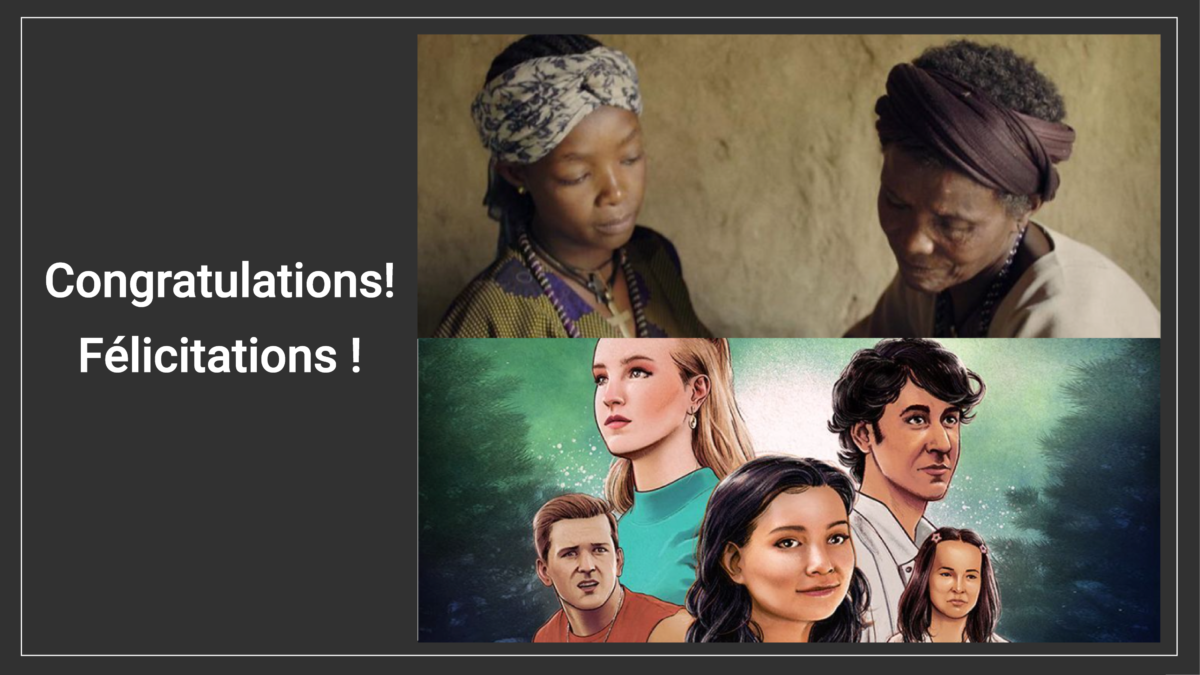
Félicitations à nos lauréates aux prix du VIWFF.

Meilleur montage: court métrage
  • Sarah Hedar –  N’xaxaitkw
Le prix CCE (en partenariat avec la VPA) du meilleur montage: long métrage
  • Andrea Munoz –  Among Us Women
Catégories
The Editors Cut

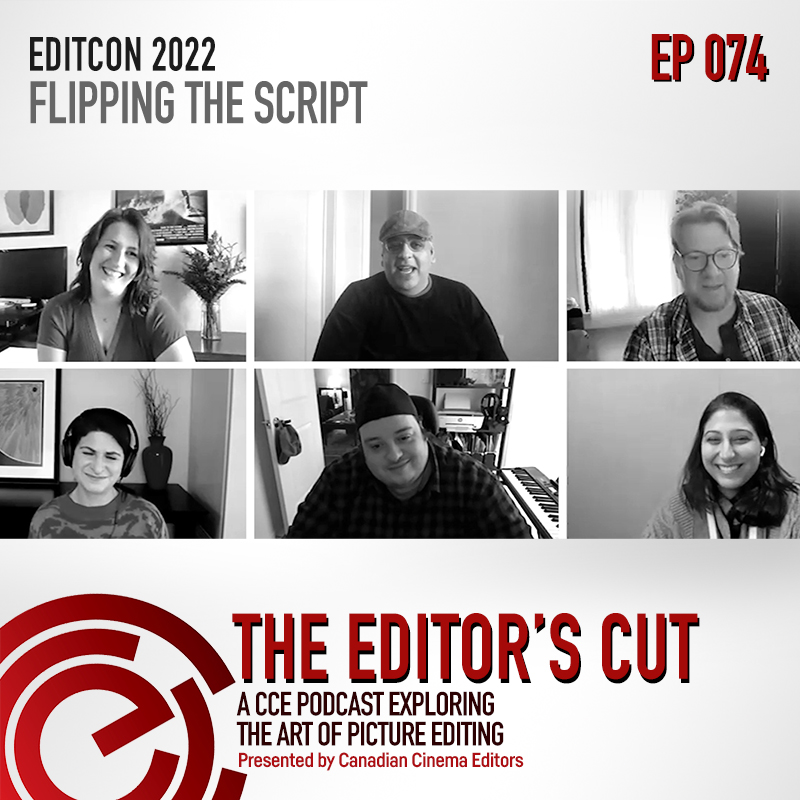
Episode 074 – l'EditCon 2022: Remanier le scénario

The Editor's Cut: Episode 74: EditCon 2022: Flipping the Script

Episode 074 - EditCon 2022: Flipping the Script

Today’s episode is part 2 of our 4 part series covering EditCon 2022 Brave New World.

Today’s panel is Flipping the Script – The age of streaming has fully arrived. We’ve experienced a boom of topnotch shows, but how do you set yourself apart in such a crowd? Whether it’s bucking the trend of antagonistic conflict to create the arc of TED LASSO; using comedy to punctuate the lives of non-binary characters in SORT OF, exploring familiar characters in new ways with WANDAVISION or reinvigorating period drama with the diverse world of BRIDGERTON, these shows prove that discarding past norms leads to success. Sit with the editors behind these phenomenal series as they discuss the ins and outs of their groundbreaking approaches to storytelling.

This episode is generously sponsored by JAM Post.

JAM Post Logo Sponsor

À écouter ici !

The Editor’s Cut – Episode 074 – EditCon 2022: Flipping the Script

Sarah Taylor:

This episode was generously sponsored by Jam Post.

Omar Majeed:

Some of these words we use in television are so outdated in a weird way you know. It’s like a comedy-drama, but it’s like we think of comedy, our association is mainly the high comedy. We think of drama, you think of high stakes drama, right? Life is so often lived in the middle zones of those extremes. And then, you know, you add something high concept like WandaVision in there, and it feels like, oh, we got to have huge, big action, not scale things down to emotions of grief, right? So similarly for a character like Sabi, they’re queer, they’re marginalized, they’re racialized. These are labels that we tend to think of as having high stakes drama or outrageous comedy. And I think we were trying to kind of find what was more just the authentic truth.

Sarah Taylor:

Hello and welcome to the Editor’s Cut. I’m your host, Sarah Taylor. We would like to point out that the lands on which we have created this podcast, and that many of you may be listening to us from, are part of ancestral territory. It is important for all of us to deeply acknowledge that we are on ancestral territory that has long served as a place where Indigenous Peoples have lived, met, and interacted. We honor, respect and recognize these Nations that have never relinquished their rights or sovereign authority over the lands and waters on which we stand today. We encourage you to reflect on the history of the land, the rich culture, the many contributions and the concerns that impact Indigenous individuals and communities. Land acknowledgements are the start to a deeper action.

Today’s episode is part two of our four part series covering EditCon 2022 Brave New World. Today’s panel is flipping the script. The age of streaming has fully arrived. We’ve experienced a boom of top-notch shows. But how do you set yourself apart in such a crowd? Whether it’s bucking the trend of antagonistic conflict to create an arc of Ted Lasso, using comedy to punctuate the lives of non-binary characters in Sort Of, exploring familiar characters in new ways with WandaVision, or reinvigorating period drama with the diverse world of Bridgerton. These shows prove that discarding past norms leads to success. Sit with the editors behind these phenomenal series as they discuss the ins and outs of their groundbreaking approaches to storytelling.

Speaker 1:

And action. Action today, this is the editor’s cut, CCE podcast, exploring, exploring, exploring the art of picture editing.

Gillian Truster:

Hello everyone, I’m Gillian Truster. I’m your moderator for this panel Flipping the Script, and I am very excited to have the opportunity to chat with editors of some of the most critically acclaimed and popular shows on the planet. I would love to introduce our panelists today in the order in which you appear on my screen. We have Melissa McCoy who’s here to talk about Ted Lasso. We have Omar Majeed and Sam Thompson who are here to talk about Sort Of. We have Jim Flynn who’s going to be discussing Bridgerton. And we have Nona Khodai who’s here to talk about WandaVision. Welcome everyone.


Nona Khodai, ACE:

Thanks for having us.

Gillian Truster:

Yay, I’m very excited. So all of you have shows that there’s something very unique about them and we could fill a panel on each of your individual shows. So with our limited time, I’m going to focus my questions on what makes your shows unique and innovative, creative challenges and what you feel resonated with audiences. And then I’m going to leave time for a less structured section where all of you can ask each other questions and share your experiences. So with that, let’s get started. So Nona, let’s start with you on Wanda Vision. So you were nominated for two Emmys for this show. That is very exciting, congratulations.

Nona Khodai, ACE:

Thanks, in the same category, but yes.

Gillian Truster:

That is amazing. That is amazing. So before we dive into it, can you tell us what the premise of the show is for those watching who may not have had a chance to see it yet?

Nona Khodai, ACE:

It’s basically, well it’s an exploration on grief, actually. The show in the short term, basically. The reason the show is kind of unique is that it’s structured in a way that you think it’s about happy sitcoms, and then you reveal, as we reveal episode by episode, little things are a little odd. The character goes from decade to decade in sitcoms, and it’s her way of dealing with her grief over the years. And so instead of showing it in this traditional way of how we see grief, we see it in her love of sitcoms and how those sitcoms have helped her get through the grief as each person in her life has passed, basically.

 So we start in the fifties with an episode that’s similar to Dick Van Dyke, and we go decade by decade until we get into the present day. And then we reveal in a way, in the clip I’ll be showing, how she changes the world from present to the past into the sitcom world that she’s created to protect herself from grief. And then it’s based on the characters, Wanda Maximoff, who has powers being able to mind control people and move things with her mind and Vision, who is, who’s the lover of her life and is a Synthozoid, a robot essentially, but has human emotions. And she’s lost him in the last Avengers movie. He has passed away and this is her dealing with his death basically is the show. That’s the exploration of her grief over his death and all the deaths that she’s had to deal with. So that’s basically what the show is about.

Gillian Truster:

So exactly, your show, it’s the way that it’s told. That’s super, super innovative. So with that, let’s show your clip because I think, well why don’t you set up, the clip?

Nona Khodai, ACE:

Basically goes through her life and it flashes back through what’s happened to her and where she has ended up today in the present, in her present day in the show. This witch, Agatha Harkness, basically is trying to open her up because she has this power within her that she doesn’t know why she has all this power. And so she’s basically Wanda’s walking her through her memories. It’s kind of like a Christmas Carol episode basically. So she’s walking her through all her memories and the clip is she’s found this letter, that vision has gone to this one location and we reveal why in a clip, basically why she’s gone because she basically… Well, I don’t want to give it away, but basically there’s a deed to a house that he’s bought in her name and their name and because it would’ve been this life that they would’ve lived together and yet they don’t get to live it. And so it’s the catalyst to what happens next, which is she creates this world to protect herself.

Gillian Truster:

So let’s roll that clip.


[clip plays]

Gillian Truster:

Thank you very much. That’s a great clip.

Nona Khodai, ACE:

Thank you.

Gillian Truster:

And I love how there’s so much information that’s conveyed nonverbally and I think that clip also is great that it gives people who haven’t seen the show a really good sense of actually what the show is. If somebody asked you what genre do you consider WandaVision? I legitimately think you could say all of them. I mean, it has drama, it has comedy, it has mystery, it has action, adventure, superhero. It has sci-fi, it has fantasy. But what do you consider it?

Nona Khodai, ACE:

I mean, it’s whatever, whoever’s watching it considers it. I think it’s such a show for everyone, hopefully. And you can’t put it in a… I mean it’s a limited series, so it’s its own thing. So there is no genre, I guess you would say in it. I think essentially it is like a drama and comedy, a dramedy. We have both elements. It could also be a multi-cam sitcom at times because we have laugh track and whatnot. I don’t know. I can’t… I don’t know what it is.

Gillian Truster:

Right, it’s it. It’s a bit of everything. It’s a bit of everything. So actually speaking of sitcoms, so the first few episodes starts in this sitcom world. Did you watch old sitcoms in order to emulate the style?

Nona Khodai, ACE:

Yeah, I mean we knew from the start of signing on that we would have to emulate older sitcoms. So I was a big fan of I Love Lucy, so I know all of those episodes. So I just went and rewatched a lot of that. I was a big fan of Dick Van Dyke, so I went and started watching some of those. And it’s amazing how crisp that timing is and the pacing and how much they rehearsed, it looked like they rehearsed, to get that because it was all so fast-paced. And they would just stay in those wide shots and they would just banter back and forth. It’s pretty incredible. Bewitched, I watched a lot of Bewitched and Brady Bunch and Family Ties for the ’80s episode, Full House, and then Modern Family and The Office were our ’90s, 2000s episodes. So all of those decades, and I grew up with all those.

Gillian Truster:

So you’re familiar?

Nona Khodai, ACE:

I was familiar. I knew the timing, but it was good to refresh and go back, even Laverne and Shirley and Mary Tyler Moore for the main title sequences. I had to go, because we had to create those main title sequences too. And so it was a good way to look at all of those different sitcoms and what they did and how it evolved from the ’50s to the ’60s to the ’70s, especially style and music. Music was really hard to temp because if you go back and watch, they don’t really have scores right now. We can’t go and buy those scores and put them in. So it was a lot of library music that we found to sprinkle it in for temp until we had the composer come in and write to the show.

Gillian Truster:

So even though you were emulating those sitcoms, did you end up taking any liberties with that in order for them to work for a modern audience?

Nona Khodai, ACE:

Absolutely. I mean I think at some point I had a little bit more pauses and whatnot and I tended to kind of squeeze in places just because we needed it to be paced-up for modern times and even cutting it a little cuttier than say the older sitcoms because they would just stay in those mediums for most of it. And I did do that, but sometimes you do have to just pace it up for time and so people won’t get bored, especially those early sitcoms because no one knew what was happening. And I think we were worried that no one would like the show because you’re like, what is the show? Why would people stick around and watch it? But I’m glad they did.

Gillian Truster:

Well actually, I mean that does bring up a couple of questions I have. When the show starts, the narrative is not immediately clear. So did you end up doing anything in editing to parcel out the information differently than maybe perhaps as scripted?

Nona Khodai, ACE:

I mean, a lot of it was scripted, I’ll say that. But yes, we did the end of 101, that was scripted, but we come out of frame and you see that someone’s watching the show and you’re like, what’s that? And then at the end of 102 and mainly the first two, mostly because we aired those together and they were originally going to air all three, but we needed time on the back end for VFX for the finale. So we needed that extra week to get all those VFX approved. And so instead of having all three air, and the end of two they added a bit of sound and Randall Park has a line at the end that you don’t know it’s Randall Park, but it’s him saying, “Wanda, Wanda, do you hear me?” And we added that at the very end of 102 so that it would entice audiences to come back for the next episode because we just didn’t have anything to come back to this mystery of what’s really going on.

You did a little bit with the Beekeeper coming up and staring at Wanda at the end of 102. You see all that bit. That was all done intentionally, but you just needed something extra there, I think, just to get the audience to come back for the next episode. And I think it worked. And then after the end of 103 with Monica Rambo getting thrown out of the Hex, definitely people came back for episode four, which is where we really get ya, I feel like. Four is the episode where people want to come back and watch and they’re like, okay, I get it. I get the show. But up until that point, I think it’s a bit of a mystery and it was, I think, a lot of audiences probably left because they were like, what is this? What am I watching?

Gillian Truster:

You wanted people to know that, oh not every episode is going to be a sitcom. That just wait, there is something that is going to come. And you just giving them those little tidbits just to let them know, just wait, patience.

Nona Khodai, ACE:

Just wait a second.

Gillian Truster:

Patience people patience and then it will, the mystery will unfold.

Nona Khodai, ACE:

It’ll pay off eventually. Exactly, yeah.

Gillian Truster:

Working on this show, how much did you need to know about the Marvel Universe?

Nona Khodai, ACE:

I mean, I went back and watched all the movies. I think most of what I needed to know is Wanda and Vision’s backstory. I needed to know that, how they met and what happened to her and her brother in Age of Ultron, Avengers Age of Ultron, that he had died. And just knowing her and his backstory, I think, was probably what I needed to know. But I did, I went and watched all of them and it was fun to go back and watch the whole catalog because I don’t think I had actually done that before I started the show. So it was just fun to just learn about the world and all the various different characters. And you just go everywhere. You go to a space, you go… It’s a universe of its own. It’s pretty fun.

Gillian Truster:

Now I’ve heard you say that this show was treated as if you were making a movie, not a TV series. So can you elaborate on what you mean by that?

Nona Khodai, ACE:

Well, the way that the shows are structured at Marvel, we have a director who’s the showrunner essentially. There is a writer, but we never dealt with the writer really. We would get notes through the director from the writer, but essentially the director was our leader and we took the show from production all the way to delivery. And usually on TV shows, you lock your show, you say goodbye, they do all the VFX, and then they deliver after. Like on The Boys I would lock shows and then they would spend another six to eight months working on VFX and then they would deliver the show. And I would never see them until the final mixed playback, which would be six to eight months later. And then I’d be like, whoa, look at all this, all these VFX that I had never seen before.

That’s not the way it works at Marvel. You’re there, you’re working with the VFX team, you’re working with the Sound Department, the Music Department, you’re giving your insight in all of it. You’re giving notes on all of it. You’re changing timing on shots based on VFX to the very end. And a lot of TV shows do that, but for the most part, being on very high genre shows, I haven’t had the privilege of doing that. And I don’t know about the other panelists here, but I had never experienced that in TV before. So it was refreshing to just be able to finish the show properly. And that’s what I mean by it feels like a feature.

Gillian Truster:

Right, it sounds like you’re until the end collaborating with a lot of different departments, right through the-

Nona Khodai, ACE:

Taking it right through to the end. Yeah, I mean we delivered the finale, I think, 15 days before it aired. And that was 15 because we just had no time, so. We were there to the very end. And I know working at Shonda and other places, they’ve done that or I’ve heard that too, that they take it to the very end too sometimes with shows, and I’m sure Jim could speak to that.

Gillian Truster:

That’s great. No, that sounds like a fantastic process, a fantastic way to work.

Nona Khodai, ACE:

It was a pleasure.

Gillian Truster:

So Melissa, let’s get into Ted Lasso.

Melissa McCoy, ACE:

Okay.

Gillian Truster:

So you won an ACE award and earned an Emmy nomination for Ted Lasso. Yes, congratulations, that’s incredible.

Melissa McCoy, ACE:

Thank you , yeah.

Gillian Truster:

So before we get into it, could you please give us the premise of the show for those who may not have a chance to see it?

Melissa McCoy, ACE:

Well, it’s about an American football coach who goes over to England to coach soccer or football over in the UK. And he’s brought over by the team owner who’s acquired the team in a nasty divorce. And the reason she brings him over is not to take the team, basically. And so that’s kind of the setup. It’s very Major League, but from there it basically turns into a workplace comedy that also deals with the human condition and loss. Much like WandaVision, where it’s kind of hard to put in a box because I remember going through season one and getting things and thinking, okay, I’m getting a lot of sad episodes. Him and his wife go through a divorce, and Rebecca’s dealing with a lot of pain and shame. And Roy Kent is dealing with the end of his career and who is he going to be?

It’s all about the human condition really. And it wrapped in a workplace comedy with a little bit of sports mixed in. Yeah. So it’s more of a dramedy in that way. But for me at least, you just fall in love with this cast of characters that revolve around this world. And it’s not all, you know you have your team, you have your soccer players, you have the coaching staff who have their own world. You have the behind the scenes with Rebecca, and then she brings in Keeley who starts out as a… She’s a kind of model-star dating one of the soccer players. And then, or football players, I’ll say football, that’s what we kind of try to stay with the right vernacular, even though Americanized.

Anyways, it’s complicated. I feel like I’ll say soccer and I’m pissing off some people over here and I’ll say football and people are like, wait, what are you talking anyways, football. She was dating one of the football players and that turned into a love triangle. And so there’s just a lot of world blendings of this ragtag team of characters that are all going through some pretty big life stuff. But you still find the comedy in those moments.

Gillian Truster:

No, it is actually said that I was going to ask you about, because for awards you have to choose the category, but it’s not, and so it’s won all these awards in the comedy category, but it’s really, really not a straightforward comedy. So when you signed onto the show, did you have an idea of, oh, I’m on a comedy and this is how I’m going to cut it. Did your perception of it change over time when you got the footage?

Melissa McCoy, ACE:

Yes. Yeah, so I signed on because I was working with Bill Lawrence, who’s the executive producer. So I just basically saw him developing with Jason, didn’t know the script or anything. I didn’t really even know the skit. It’s based on a skit, like an NBC promotional thing for when they brought football to America. The Olympics were coming up and it was done back in the day and it was just like a snappy, ridiculous comedy. But I knew that he was developing the script and I just basically was like, I want in on that because I love Jason from SNL. I’m a big SNL fan, and I just.

Melissa McCoy, ACE:

I love Jason from SNL. I’m a big SNL fan, and I just thought he was charming and a wonderful performer. I don’t know, just something in me, script unseen, I didn’t know anything about it. I was like, please, please, please, can I be on that? They let me do it. I got to do the pilot. I had signed on before even reading the pilot. And then when I got sent the pilot, I was reading it and I was like, okay, comedy, comedy, comedy. Then you get to the end and in the script, I remember they were like, this song plays, please play this song as you read this scene. I was like, okay. I remember I was in a coffee shop and I was like, okay, I brought up the song and I’m listening to it and reading the scene and I’m like, this feels really heavy.

It’s this conversation with his wife and you don’t hear the other side of it where you basically, oh, he’s come here for a different reason than Rebecca bringing him over. He’s got a reason to want to get away as well, which I really loved. Then when the footage started coming in, I was kind of by myself. Everybody was in London, I was in LA and we never had a tone meeting about it or anything like that. When it was coming in, I was like, “I am not cutting this 30 Rock.” It just didn’t feel like that. The performances didn’t feel like that. It felt like I want to land this moment. I definitely took my time in some places to build the relationships. Then of course did some snappy stuff. We like some more stylized stuff. There was a press conference which was kind of a nod to the original skit, so that was a little more frenetic and fast paced.

But as we were trying to figure out what the show was when we started cutting it, first Apple was like, “This needs to be 28 minutes.” and we were at 36 minutes or something. I think we got it down to 30 minutes in and around there, but everyone was like, it’s a comedy, it’s got to be fast. it just didn’t feel right. Talking to Jason, we had cut a scene that he was like, looking back now, he was like, nobody ever said, I wish these were shorter. He was like, I wish we would’ve kept that scene in it. So it was just little things. We made some concessions early on that we didn’t do in season two. As our times kind of grew, we didn’t ever get close to 30. I think our longest episode in season one was 34 minutes, and that was our shortest episode in season two.

It’s interesting to see how the world has evolved and Jason really leaning into his beliefs in the show and what he wants to say and what he wants the characters to be feeling and going through and giving them the space to do that has been a really enjoyable process to find it along the way and be like, this is what it is. And I think we all just fell in love with the people and wanted to spend some time with them and gave ourselves, luckily we’re on a platform that you don’t have to fill to the tee of a running time. 

Gillian Truster:

So then in terms of like you said originally it sounds like Apple was like, oh, this is a comedy. It’s a sitcom, it’s supposed to be this many minutes. You have to get it to be shorter. Then is it with season two that they allowed more leeway because they saw how successful it was? Is it that they really had to wait to see what the audience reaction was before they were like, “Oh, right, it is this, we could let it breathe.”

Melissa McCoy, ACE:

Yeah, I think they found that over season one, it was just how much pilot, because we were a straight to series pickup, so it was like they didn’t work out anything with the pilot. They just got that and we were already moving along. I was working on episode three because I did every other episode, and so it was just like we were still going and finding it. Luckily season one, everything was open until the very end. We didn’t have to lock anything, so we didn’t have air dates. It was lovely. We were finding things later and being like, let’s go back and plant, oh, I see why the writers did this. We were letting moments land early that had we had to lock and move on and not have found what it was later. I think over the course of season one, Apple was like, “Oh, okay.”

It was only in that opening, what is this? It’s all that, trying to find the music and the tone. It was really tough. I was burning through all my soundtracks, just trying to find the right musical tone for this, because it’s just like, is it a comedy? But we have these kind of interpersonal moments that we’re trying to let land, and it feels more real in that moment and less slap sticky, which if you watch the original skits, it was all just like joke, joke, joke, joke and kind of outlandish. Even though there’s some of that, Ted Lasso you could send him off and he could be a complete caricature, but Jason grounds it in so much reality that that’s one of the things I love is he’s being silly, but then he gives a little wink to the audience of there’s something deeper of reason why I’m deflecting with the joke or trying to make you comfortable with the joke or open you up with this joke, especially with him and Rebecca and how he just keeps working at her and then they kind of reach a deeper relationship.

Well, everybody in that way, Keeley and Rebecca and Roy and Keeley and Jamie and Roy, they all kind of have this friction that then breaks down into a real relationship, which has been really enjoyable to kind of, I guess create in the editing room.

Gillian Truster:

You also brought a clip with you. Do you want to set that clip up?

Melissa McCoy, ACE:

Sure. This is from season two, episode 205 called Rainbow. It’s basically, it’s basically the rom communism episode where it’s a romantic comedy, but it’s not about love interest, it’s about the love of football and Roy Kent’s return to the pitch. It’s basically the romantic comedy of Roy and football and actually between him and Jason really, or Ted. Yes, and he’s retired after season one and he’s become a sports announcer and he thinks this is where he needs to be. He needs to be away from the pitch but our team captain Isaac is having a bad start of the season and Ted wants a big dog Roy to come in and kind of set him straight and get him on the right path to get out of his head. So Ted has kind of asked Roy to do this, and he has helped him.

One night he comes and he takes Isaac to his hometown football field and plays a scrappy pickup game with some of the guys there that are really, really good pickup game. He gets his love of the game back and Roy has kind of done that for him. Now it’s game day. Roy is on the show for the, it’s soccer Saturday I think it’s called. Yeah, starts there.

Gillian Truster:

Let’s roll the clip.

[clip plays]

Gillian Truster:

Thank you very much. That’s a great clip. Why did you select this clip?

Melissa McCoy, ACE:

For me, it was, when I think about Ted Lasso, it’s like, again, it’s not really about the football, it’s about what’s going on in these people’s lives. And that was such a turning point for him. There was a bunch of different ways you could cut that, but I chose to stay on him for longer and not cut around to all the things that were happening because he’s going through this decision moment. That’s basically what Ted Lasso is about, is these people going through these really real things and we have to cut it in a way that you are on that journey with him. When it starts out, it’s ratatat back and forth with the commentators. Then as you’re going and he’s seeing what’s happening, his change that he imparted onto Isaac and the team, when you come back out, you just stay with him and you see it on his face and you hear the announcers having the conversation in the background, but it’s not about that for him anymore.

He’s making his decision to not do this anymore. I remember I cut the scene basically how it is, and then when the director came in, she was like, “I think maybe we need to see the guys that they’re saying it’s lovely weather back there and all that stuff.” I was like, “Sure, I could cut it that way, but I did it this way because who cares about that at this point? Roy doesn’t care about that. Why would we go there?” She was like, “Yeah, I get that, I get that, but let’s see it that way.” I cut a version of it and then she was like, “Oh no, you’re right. Go back to how that was.” It was important to go through that process because that’s traditionally how you do it. Somebody’s talking, go to them. You should see it that way, sort of thing. Ultimately it was about his character and what he is going through.

Gillian Truster:

Thank you Melissa. Omar and Sam let’s get into it, because I think that your show does share some of the same challenges that Melissa experienced in terms of tone and finding the right tone and music for your show. You brought a trailer with you. Why don’t we roll that clip to set that up for the audience.


[clip plays]

Gillian Truster:

Thank you for showing that. That’s a great trailer. Sort Of has been on a lot of top 10 lists for 2021. It premiered at Tiff. It’s gotten a lot of acclaim. It’s a show that similarly to your main character or a lot of the characters actually don’t fit into any typical boxes. It doesn’t fit into boxes. Was it difficult for you to find the tone of this show? How did you find the tone of this show? What do you think the tone of this show is?

Omar Majeed:

We had to really discover the tone of the show and it was a process. I think it’s very fitting that actually Sam and I are both here on the panel. Because even though we had our individual episodes, especially in the beginning, there was a lot of back and forth on episodes that I was working on and that Sam was working on. We would share a lot and just sort of trade off ideas with Fab and Bilal who were the creators of the show to really define what wasn’t even, I think clear to all of us at first in terms of we kind of knew what the show wasn’t more than maybe what the show was, and we had to figure out a lot of things along the way. The character of Sabi is not a very usual character and that’s obviously something to be celebrated.

I think that presented unique challenges tonally. Melissa, like what you were saying, and I’m sure for you as well similar feelings about in this genre is supposed to be funny. I tend to feel like some of these words we use in television are so outdated in a weird way. It’s like it’s a comedy drama, but it’s like we think of comedy, our association is mainly the high comedy, the broad comedy. We think of drama, you think of high stakes drama and life is so often lived in the middle zones of those extremes. Then you play something high concept like WandaVision in there and it feels like, oh, we got to have huge big action, not scale things down to emotions of grief. Similarly for a character like Sabi, they’re queer, they’re marginalized, they’re racialized. These are labels that we tend to think of as having high stakes drama or outrageous comedy. I think we were trying to find what was more just the authentic truth of the character and that situation and also the characters around Sabi because they mattered just as much as Sabi did. What are your thoughts there, Sam?

Sam Thomson:

No, absolutely. I mean I totally agree with that. I think from the get go, it was really important from for Bilal and Fab to have this be a show that was about a non-binary or trans character that wasn’t about their body or about some of the other frequent sort of storylines that end up popping up about these types of characters on television and have it just be just more universal and about their humanity. There’s a line in the show that I think we come back through often, which is we’re all in transition and we’re all sort of constantly experience transition in our life and not every transition is the same or is it seen the same way in society. I think that was the core of the show is that we’re all in transition. I think for Sabi, that character, the show is about identity and just defining who you are and feeling comfortable in who you are.

It’s a journey that I think everybody can relate to. Then in terms of the process around that, I’ll echo, what Omar is saying about, repeating what Melissa was saying, I think it was hard to define how funny the show is going to be or how broad it’s going to be. I mean a lot of it was already on the page, but I think that was a huge part of the editing process was testing different directions and then seeing where we could come back to. Sometimes it feels like sometimes it feels like a little bit of a circle and sometimes you’re discovering new things along the way. I think just the fact that we could be experimental and that we had kind of the support to do that and the time to do that, but also be really collaborative like Omar was saying, just to lean on each other for new ideas. I think that was the biggest, I don’t know, the biggest takeaway I guess from the process in general.

Gillian Truster:

Yeah, I really want to get into the collaborative process on your show because I feel like, so you could say this show is about a queer, trans-feminine, non-binary, Pakistani Canadian Muslim, but it’s really not reducible to those descriptors. I think your show has really gone out of its way, just as you said, to do that. I had seen an interview between Bilal Baig and who plays Sabi and Amanda Cordner, who plays their best friend 7ven. Bilal said something like, they’re straddling all these identities, but it’s not the identity stuff that keeps them up at night. It’s like, are the kids okay? Am I letting my best friend down? Am I letting my mother down? Is the bar going to close? It’s just all this human stuff. It’s just about how people navigate the world. The show really is, it’s really trying, I mean there’s so many different people in the show and it’s really trying to find the authenticity. Everybody has depth down to the most minor characters. What was the collaboration process on your show to achieve that?

Sam Thomson:

Wow. I mean I think initially, Omar and I both knew Fab through different sort of origins. I think for us to get to know each other, a lot of it was maybe about sharing musical ideas or film ideas and things like that early on just to talk about tone because it’s like Omar brings his lived experience to the editing process and I have my own experience. And it’s like, I think again, to go back to the collaborative nature was just us having the freedom to be open-minded, to ask questions of each other and not assume that we know the answers and be comfortable with that. It was such a strange experience I think in so many ways.

I mean know, we don’t really want to get into the technical stuff too much, but we’re all sort of remote on this. It was sort of during the height of Covid and we’re just sort of trying to feel out what the show is and that’s a process and feel out each other. We were cutting while they were shooting and it was just a lot happening sort of all at once. We can speak to other sort of specifics like music and a few other things were very important in terms of that part of the process. I don’t know Omar if you wanted to say anything else just about the initial collaboration.

Omar Majeed:

I think that’s sort of the thing I would say the show’s, I really feel the show’s success owes a lot to the spirit of collaboration because I think this is a bit of a double-edged sword for me being somebody who kind of occasionally benefits from these diversity kind of initiatives. But the show did have real diversity in its, it worked weaved into its actual collaboration. The writer’s room was diverse. They were well represented in the edit suite in the sense that both Fab and Bilal were very actively involved in the edit. Then at the same time.

Omar Majeed:

Actively involved in the edit, and then at the same time, Sam and I are collaborating back and forth. And then there was other editors on the show. There’s Craig, who I didn’t get a chance to work with directly, but he as well, and we’re all sharing ideas and bringing our own experiences into things and discussing stuff. Even just to be able to raise a point, if I thought maybe there was something let’s say from a Pakistani angle that maybe let’s say rubbed me the wrong way, well, I wasn’t the only person speaking to that point. Bilal, they would put their opinion in. The writers had obviously, they had enough sort of lived experience there to speak to those points as well. The cast… It was all reflected in such a way that no one had to be the one person speaking to one specific experience, whether it was racialized, gender-fluid perspectives or even just the specifics of how you put a show together.

I mean, all of us had varying levels of experience coming into it, but I think there was a sense of like, okay, we’re trying to go for something tonally… I mean, I’ve heard the show described in some reviews as having a certain sort of gentleness, and we didn’t think of it that way, but it sort of hits as like, yeah, that sort of makes sense. We were I think consciously not trying to go for… Even though one of the characters in the show is in a coma in the hospital, it’s not like, “Oh my god,” or it’s not like laugh out loud pratfalls kind of comedy. I mean, we did have those experimentations here and there, mostly towards trying to make it more comedic, but I think it was always clear that, no, it sort of occupied a sort of middle zone here where the comedy isn’t like I-got-you-in-stitches, MacGruber kind of style comedy.

I’m speaking to my own sense of humor here. It’s more of the comedy grounded in the characters and the absurdity of certain situations. And I think we had to figure that out through a lot of real discussion where no one, I think, had to feel the burden of having to speak for one specific thing. It was real, genuine discussion on an artistic level, not just on the level of identity. So inside the show and outside the show, we touched on those issues, but it wasn’t those kinds of discussions, if that makes sense.

Gillian Truster:

Mm-hmm, fantastic, thank you. No, because I read an interview or an article about Bilal, and they were talking about the same thing that you’re mentioning, which is that it would have been very stressful for them to be the only non-binary person on the show, but what you had is real diversity, where you’re not relying on a single person to speak for an entire group of people, where there’s a spectrum within every group. There’s diversity within groups. And so I think part of the reason why you achieve such authenticity in the depth of your characters is, it sounds like, because of this collaborative process. That collaborative process is really the heart of your show.

Omar Majeed:

Yeah, absolutely, absolutely. I mean, even just one example comes to mind where I think one time, and I don’t know, I think in the end this didn’t even happen in the show, but just as an example of the kinds of things we would have, I was just talking with Fab about how to structure a scene, and then I was thinking about the music that’d be playing in the background in the scene between Sabi and their mother, and they’re playing music that their mother would enjoy. So I was trying to think, okay, what’s a Pakistani kind of piece that would work? And so I put a couple things in there, and Fabri liked it, but then I went and had a discussion with Bilal about it too, and then we got into this whole thread about what would Raffo have liked? How would she have grown up? And you know what I mean?

So it was an interesting… It’s one of those type of sidebar conversations you have that are very deep, that you go, okay, maybe it doesn’t even come into the final edit, but it was informative because we were sharing our own references. But it was like Bilal and I were sort of frequently trying to figure out what would be a good… And this was just for temp purposes, but we were trying to figure out what is the right tone. So tone was everything, I think, for us and trying to figure that out. And in terms of pacing, in terms of how to work with music, how to work with each other, and even how to fight back against certain boxes that maybe we were feeling pressured to conform to kind of echo some of what Melissa was talking about.

Gillian Truster:

Thank you. Thank you. So speaking of smaller moments and a warm, gentle show, so Bridgerton is not. So Jim, let’s get into Bridgerton a bit. So this series reached number one in 76 countries on Netflix, and it became the most watched series on Netflix ever at the time of its premier. So it is a monster hit, just a monster hit.

Jim Flynn, ACE:

A lot of people saw it, and it’s great.

Gillian Truster:

That must feel quite good, to have worked on something that just blows up like that. So a question I have before we get into sort of creative challenges is this. So Bridgeton is a Shondaland production. Shonda Rhimes is known for being a hitmaker. I mean, she really knows how to read the tea leaves. When you’re working on a Shondaland production, is working with Shonda Rhimes different than working with other producers? When you go into the show, does she say to everybody, “Okay, everyone, we are making a hit show, and this is what we need to do?” Or is she just like any other producer just trying to make the best show they can?

Jim Flynn, ACE:

Well, I mean I think all producers are different, but Shonda is different still. I’d never worked with Shonda before, but if she said at any point, “We’re going to go and make a hit, and here we go,” it wasn’t in my presence. But she does know how to do that, and her instincts are so attuned to how to construct a series for television better than anyone I’ve ever worked with by a lot. And she doesn’t even seem to spend any time sort of contemplating any ideas. She’s so direct, she’s so frank. She seems to know exactly what she wants all the time, and she makes sure that she gets it.

It’s a treat working with her. She’s a force of nature. She’s a little intimidating, and she’s very, very brief when she speaks to you or when she sends you notes, which at first blush you’re kind of like, whoa, she didn’t really like what I sent. But then over time you realize actually this is a great way to deal with her notes. She just tells you “This sucks. Take it out. Don’t use that. I don’t know why you used this take. We should do this.” And it’s really refreshing. It’s not couched in any sort of pleasantries. She doesn’t have the time.

Gillian Truster:

Right, she just gets right to the point, right to the heart of the matter.

Jim Flynn, ACE:

For sure.

Gillian Truster:

I actually forgot to ask, for those who haven’t had a chance to see the show, what is Bridgerton about?

Jim Flynn, ACE:

Bridgerton is a Regency-era period piece, but it’s kind of put through a bit of a Shondaland prism, I guess. It’s very modern. The cast is much more diverse than a Merchant Ivory type film. The moments and the beats feel very modern, and it’s really trying to appeal and presumably has appealed to a much younger audience than normally you would get with a period piece romance.

Gillian Truster:

So you also brought a clip with you. I think that clip does give a good idea of what the show is about. Do you want to set that clip up for us?

Jim Flynn, ACE:

No, go ahead and watch it. I think it speaks for itself, and then I can talk to about it when we wrap.

Gillian Truster:

Perfect. Let’s roll the clip.

[clip plays]

Gillian Truster:

Tell us about it.

Jim Flynn, ACE:

Well, I know I was originally going to bring something from the pilot, a much bigger event, but when I sort of went through the show again, thinking about this panel, I thought, well, this would also be a nice one to do, because I think what that moment does in the series, it happens in the third episode, and the premise of the show is basically the… The show is about this Bridgerton family, and Daphne Bridgeton, who is the oldest daughter, is being sort of shopped out to find her husband and seek her fortune and the sort of complexity that goes with that. And so her and this Duke Simon, who sort of become these friends, they come up with the dumbest ruse of all time, which is they’ll pretend that they’re going together so that they can get other people to be more interested in them.

So to that point in the series, they had sort of put on a show that, yes, we’re together, we’re walking through the park, we’re dancing at this ball, we’re doing all these things, and then suddenly in this episode, the two find themselves by themselves, and they realize that there is a real energy between the two of them. There’s a real chemistry. And I think the scene itself is just very well crafted and not just from my perspective. Tom Verica, who directed it, did a fantastic job with his episodes. I’m sure some of you know Tom.

But just the costuming, she’s in white, he’s in black, the way they staged it, where they were facing away from each other, then she turns around, you can see the whole scene, the distance between them getting smaller and smaller in the frames. And then I went to these closeups one after the other as she’s describing this painting and he is realizing that this person is special to him, and then the hands start to come together, and I think it’s sexy, and I think it’s really cool, and I think it represented a big change in their relationship, and that became what their relationship was from that point going forward, this sort of just barely reaching out, I’m doing this very slowly, I’m doing this very gently, and I just thought it was very, very well executed.

Gillian Truster:

It’s definitely a very memorable moment in the series. It’s like one of the iconic moments in the series, absolutely.

Jim Flynn, ACE:

I’m glad, because it’s such a small little moment. There’s so many big moments in the show, and that moment, that the fans reacted the way that they did to that moment, and that I’m so proud of it I brought it to a panel, I’m really happy that it had that big an impact, because I remember working on that scene and just being over the moon about how cool it was.

Gillian Truster:

Mm-hmm, amazing. So Bridgerton is a very modern take on a period piece. There’s been discussion… I’ve read about the multiracial casting, and also, like you said, typically you would think of a period piece as very conservative. This is not. I would not feel comfortable watching this series with my parents, I can tell you that.

Jim Flynn, ACE:

It’s funny. Actually, I’m working on it in my house, and this was at the beginning of the pandemic. This was when? This was April, maybe, and I’m working on Episode Six, which… Episode Six has a little sex in it, and I’m working in my living room. My children are all at home. I have a 16-year-old daughter and a 13-year-old son, and they’re working in their rooms on their schoolwork. And my wife’s a school teacher. She’s in the kitchen, and she’s working on her work, and I’m just working on the sex scene like I would normally work on a sex scene, and my wife came in the room, and she’s like, “What are you doing?” And I’m like, “I’m doing my job.” But I realized I had to put headphones on to work on Episode Six at home with my family.

Gillian Truster:

Oh yeah, the joys of working from home. That is hilarious. So what do you have to consider when you’re modernizing a period piece in terms of the picture edit?

Jim Flynn, ACE:

It’s interesting. There were moments that we played and it was edited to be much more sort of period piece-y when the scenes would kind of call for that, but when we were kind of bumping up against the edges of a more modern sensibility, more the Daphne stuff, Daphne’s older sister, the smoker, stuff like that, we would play that, and it was cut much more in a modern fashion. And I think the contrast of the two cutting styles we benefited from because you could be watching it in one perspective and then suddenly it feels like you’re watching a bit of a different show, which I embraced and did as often as I could.

Gillian Truster:

So I understand you cut the pilot, and I understand that that was the last episode delivered to Netflix. So what was the reason for that decision to deliver the-?

Jim Flynn, ACE:

Well, Julie Anne Robinson directed the pilot. She’s fantastic. The pilot, it’s almost like a theme of this panel. We had to figure out exactly what is the tone of the show. And I think everyone pretty much across the board here has basically kind of come around to the same thing, which is we’ll understand the tone when we understand who these people are. And when we figured out who Daphne and Simon really were, this being the first season… The second season, which I’m not involved in, I guess is subsequent Bridgerton members. But when we figured out who these people were, and not just Daphne and Simon, also Daphne’s mom and Lady Danbury and Anthony and all of the other characters, then we were kind of like, okay, that’s what this show needs to be. And the pilot is setting the table for all of that.

And it’s a huge cast, huge locations, huge events, big balls, that a tone shift of a few degrees has ripple effects from the start to the tail pop. So we spent a lot of time refining that, and we went in a few different directions. An early pass of mine, it was very broad. We had Lady Danbury could be very broad, over the top. It was funny, but we couldn’t fit that in with the rest of the events. So it just took a long time to figure out who are all these people, what are their relationships with all of the other people, and how do they fit in this space?

Gillian Truster:

So you wanted to see the entire series first so that you could figure out exactly how to set it up properly at the outset?

Jim Flynn, ACE:

Yeah, because each of the episodes is really kind of a different story with a lot of other threads from a lot of other different characters and a lot of other different people, so there was a lot of going back and fitting things back into where they need to be because, “Well, we need to set this up for Episode Six, and Episode Four we’re going to need to know who this Penelope character is because when this happens we need to…” You know what I mean? So we spend a lot of time refining Episode One to it. And it was fun. I don’t mind. I was the first guy off and the last guy to walk off at the end. I was there the whole time, which was great, got to see all the other episodes develop and go through and make One what we wanted One to be.

Gillian Truster:

Fantastic. So I’d like to know from all of you, what is it you think resonated with audiences? So, Nona, let’s start with you. What is it about WandaVision that you really think moved people?

Nona Khodai, ACE:

I think timing was essential for WandaVision. It came out at the height of the pandemic, January, 2021. Everyone was home. There was nothing new on television, I think, at that point, and we were airing on Fridays. So every Friday people would come around, and it felt like those old sitcoms that we would watch when I was growing up, like TGIF with Family Matters and Full House. I mean, I grew up with that. I don’t know if you have that. I didn’t know if you had that in Canada or not, but in America we had the Friday every night we would watch with my family. And so I think it had that same kind of quality, the feeling, and so everyone would watch it on Friday nights with their families.

And I think because we were all going through this grief of the pandemic, it also resonated in that way. She was going through grief. We were all also grieving or what we had just gone through and still are still going through, and I think it just… Timing. It’s because of the timing. It’s a great show, but I think the timing really helped too.

Jim Flynn, ACE:

Yeah, the show felt like comfort food in the beginning.

Nona Khodai, ACE:

Yeah.

Jim Flynn, ACE:

It was like, “This feels really comfortable, and I’m really, really happy here.” And then it just gets off the rails. But it’s great. I love the show.

Nona Khodai, ACE:

Aw, thanks. Love yours too.

Gillian Truster:

Well, Jim, what do you think it is about your show?

Jim Flynn, ACE:

I mean, I have to agree with Nona a little bit because we released on Christmas Day on the first Christmas of the pandemic, and people were looking for escapism, I think. And I think we delivered that in spades, and I think it’s beautiful, and I think that the acting is fantastic, and the editing is top notch.

Nona Khodai, ACE:

It’s beautiful.

Jim Flynn, ACE:

It’s beautiful to watch, yeah.

Nona Khodai, ACE:

Personally, I’ll say, I loved it. I love that series so much, and it was a huge escape. And I love period pieces, so to have even modern day music play classically, I thought that was so cool and so different, and it was just a delight to watch.

Jim Flynn, ACE:

Thank you.

Gillian Truster:

Melissa, what do you think it is about Ted Lasso?

Melissa McCoy, ACE:

Same, really. We released in the pandemic, and I think all of us are touching on, and Jason kind of mentioned this too. Jason, we didn’t know we were going to go into a pandemic, but he was just like, “I feel like people don’t want cynicism anymore.” That was something he really was into. If we had a joke in there, he was like, “I feel that’s like a little bit too mean for Ted.” And he would mention, “I want the locker room, that’s our Cheers set.” You know what I mean? He’s really into Cheers because his uncle is Norm from Cheers, little fact, but so he has a lot of Cheers references.

Jim Flynn, ACE:

No kidding? I didn’t know that.

Melissa McCoy, ACE:

Yeah, yeah. Yeah.

Omar Majeed:

When I head that, I was like, “Oh my god.”

Nona Khodai, ACE:

Yeah.

Omar Majeed:

I was dazzled when I heard that. I was like, oh my God.

Melissa McCoy, ACE:

Yeah, There’s a lot of cheers reference…

Jim Flynn, ACE:

[inaudible 01:09:05] years old when I heard that.

Melissa McCoy, ACE:

Yeah. A lot of cheers references in Ted.

Nona Khodai, ACE:

Wait.

Melissa McCoy, ACE:

But yeah, and then we… He was saying that as we were working on it, so it was just looking back, I’m like, God, he was so… He had such a vision. He was like, I just don’t, people don’t want cynicism anymore. He’s like, I get that kind of comedy, but I don’t want to do that. And so when we dropped, We weren’t some big… I think people came to it and were like, this show is Major League. This show is going to just be goofy American. And then word spread of people that stuck with it and was like, oh no, they go deeper. And all of us have kind of touched on the human condition of our shows. And I think at that time, people, it was a scary time and a traumatic time.

But there’s still comedy, there’s still life happening. And like Omar said, it’s, there’s a lot of, even though you are going through something that’s not traditionally funny, there’s a lot of comedy in that, sometimes unintentional comedy. You still find time to laugh even in the hardest times I think sometimes. And so our show touched on that. These people are divorced and hurt and shame and not feeling good enough or father issues. We touched on a lot of that in season two. It’s just all these things that are universal to a lot of people. And when people were seeking connection, I think we’re all home and by ourselves. You want to be with some friends and people that make you feel good. And I think that’s what Ted Lasso did for people and then…

Jim Flynn, ACE:

It’s also, it’s so full of optimism and gratitude. It’s just a really, it’s a great show.

Melissa McCoy, ACE:

Yeah.

Nona Khodai, ACE:

Yeah. Believe, it’s so silly, but I heard a lot of sports teams use that motto now. And it’s so great to see. It’s so positive, which we all need.

Gillian Truster:

It’s a celebration of kindness, really. It is. And so Omar and Sam, what are your thoughts on?


Sam Thomson:

Well, I think for me, well first of all, our release was actually a little bit different in the sense that it was almost like a show that I think people were discovering. We had a more of a media push maybe here locally, but we initially released on streaming, on CBC Gem, and then it went to CBC broadcast, and then about a month later was when it premiered on HBO Max. So it’s been this slow rollout. But I think Melissa really brings up a point that I hadn’t really thought about in a while, but it really connects with our show, which is, I think The Fab, I think had said this at our TIFF screening about the comedy and being, comedy that isn’t really mean towards anyone else. It’s not cynical. It’s not tearing down other people, to have that humor shine.

And I think that was something that was refreshing and fun about working on this show is that it lacked that cynicism that I think you all have said we needed, especially during the pandemic. We needed that positivity or escapism or whatever. But yeah, I think in general the comedy was something maybe I was a little surprised that connected with the audiences because as an editor you watch it so much and the jokes start to… You’re fine-tuning things within frames and trying to figure out, is this funny or not? I can’t tell anymore. But even being at that first TIFF screening and hearing an audience laughing and howling with laughter and all these little moments that you’d forgotten about, it was really refreshing. And I think just the comedy and also having these characters that I feel like traditionally you feel like people traditionally, maybe a lot of people would feel like they can’t relate to them in a direct way because of who they are or whatever.

I think that’s been a really fun, surprising things as I talk to people, is how people can really relate to these characters, even if they have a completely different lived experience. They can relate to just the human condition, I guess, or this idea of transition or whatever. It’s a relatable show I guess, which was a bit surprising for me but… What about you Omar?

Omar Majeed:

Yeah, I echo all of that. But I would say as well, it really strikes me being on this panel having… I had binge-watched all of these shows during the pandemic. Big panel of all of every them. But what’s remarkable to me thinking about them as a group as well, is that they hit a comfort zone like Ted Lasso and the sitcom’s dynamics. And Bridgerton with its period peace elements and Wanda Vision and the Marvel universe thing. But they’re also really smart evolutions on that they’re variations, and I think is similar in the sense that we’ve had shows that have tackled representation head on in terms of Queer As Folk or Master Of None or shows like this that really kind of what are trying to set a certain record straight or adjust the bar. And I think Sort Of is coming into a new space in that way where it’s not simply about representation. It’s about, okay, now let’s just put this… That’s the situation the character finds themselves into, but we’re going to rely on certain dynamics.

So there’s a comforting aspect that all of the shows that we’ve worked on and it’s enough that kind of is, that brings it in. But it’s not just a kind of throwback or nostalgic exercise. I think that’s really amazing. It’s an evolution, a turn of the dial. So I think that was also what audiences tended to gravitate towards.

Gillian Truster:

So I could ask a million questions, but I want to leave all of you time to ask each other questions. So let’s open it up, let’s open it up and let’s see what happens. I’m excited to see what this discussion is.


Nona Khodai, ACE:

I actually have a couple questions for Omar and Sam. So I love the fact, I love the show. I watched all episodes. I wish that it was a little longer, to be quite honest because I really wanted to watch them all. I was wondering, I like that the whole Pakistani, non-binary, Muslim element to it. I grew up Muslim, so having that as a show is really great. And to see that and did you guys have a lot of conversations about how to incorporate it? And I love how it’s not forced down your throat. There’s no talk about it really. And was there more of that that you took out or was it just the way it was written and that’s just the way it was? But I was wondering how you approached that in the show.

Omar Majeed:

Yeah, I think from my perspective, it seemed like, obviously being someone who’s… I’m also Pakistani background, grew up Muslim. I tended to ask a lot of questions and bring up those kinds of discussion points. And like I said, because everyone was in sort of involved with everyone else’s edits, we comment and watch and discuss and figure things out. It wasn’t so segmented. There was a lot of discussion that would go into, does this make sense? But I think that was, like I said, it was there all the way from the beginning through the end. So I know those discussions had been ongoing. So a lot of it was as it wasn’t in the script and there wasn’t a lot of room to play around with, I felt for the most part. It was mostly, again, these tonal sort of things.

But I know, I think early on, one of the things I came to understand about it was, Sabi as a character has these elements in them, but not, any of those things defines them. So you only bring up these things as it applies to the story. So we’re going to get into being Muslim or being Pakistani or how their gender fluidity or queerness unless it made sense to the specific scene. And in some senses it’s similar to Wanda vision in a way where it’s like you’ve just dropped into a reality. You have to figure some stuff out for yourself. And personally I like not having to explain because then you feel like you’re…

Nona Khodai, ACE:

Preaching.

Omar Majeed:

Yeah. You’re kind of like, yeah, you’re putting it through a, quote unquote, like a white lens so to speak, where you’re like, okay, this is what we are. But here it’s just like, no, this is the circumstances. So you never really know. You still don’t know by the end of the season certain things about Sabi, like what are their views on being Muslim or how do dynamics work in the family exactly? You understand certain things, but other things are left mysterious. And somebody who’s grown up in a Pakistani family and is nearing 50, I still find certain things mysterious. So it seems accurate. I don’t understand [inaudible 01:18:21] out for you, but I think… It was a lot about, really about what, you only bring these things up as they need to come into play. You find that, did you find that for you as well, Sam?

Sam Thomson:

Yeah, absolutely. And I think we wanted to have it be representative of what Toronto feels like to live in too. It’s a very sort of Toronto show where it’s just part of the texture of the city, and is a very diverse sort of culture. And one specific thing I just remember from Post that kind of relates to this was for a while we were actually debating whether we would subtitle any of the sort of non-English languages that were used throughout the show. And I feel like that was kind of an indicator, even just the fact that that was a debate, that this is the world, this is how it exists, and people can… We don’t need to explain everything in a really sort of prescriptive way. This is just sort of the texture of the world of who all these people are. And we did end up subtitling in the end. We had to, but still.

Nona Khodai, ACE:

 Oh, great.

Omar Majeed:

I think my proudest moment of influence on the show was getting them to change a reference to, they were talking about some dish that was being made, and I think initially it might have been Buttered Chicken, and I was like, change it to korai. That was my one thing. Yay for me.

Nona Khodai, ACE:

That’s awesome.

Sam Thomson:

I actually had a question, kind of a general question for Nona. we sort of hit this in our little pre-talk, but I legitimately was very curious to know what was it like just working? How do you even do it? How do you make a show like Wanda Vision with all of the VFX heavy? And I mean obviously I’m sure this applies to Melissa and Jim too, but I just don’t have that experience. I’ve worked in animation a little bit, so I’m used to doing animatics and things like that. But just, what is that process like? Are you dealing with green screen footage? Are you dealing with building things? I’m very curious.

Nona Khodai, ACE:

Yeah. So we’re really lucky at Marvel to be able to have a lot of tools at our disposal, especially companies to help us pre-vis and post-vis, VFX heavy moments in the show, to tell the story for timing purposes. So say we’ll have like, so that clip that I showed, the moment she goes, she explodes back into whatever into her world. That was all done on green screen, outside. The backgrounds actually were all, it was on a back lot in Los Angeles, but we had to make it look like New Jersey. So all of that was filmed, part of it was filmed in Atlanta, and part of it was filmed in LA so we had to merge the background and the foreground together even as she was walking out. So just a normal shot you would think. But those were all the effect shots too. And we have this post-vis previous company called the Third Floor that helps us basically put in all the backgrounds and all the elements so we can time the shots properly.

And so we’ll time it out and then we’ll send those shots to the vendors with the post-vis on them to show basically what we’re doing. That whole sequence, I had to get post-vis, they pre-vised it and then they shot it, but they always shoot differently than the pre-vis always. So I had to recut it to make it work. And then we added post-vis to it. So all the wipes of from day present to past all those wipes, we had to add in post-vis. And then they shot that way later too. So I really had to cut those quickly in. I had timed it all out. We had pre-vis in places where I knew what the transitions were, but they also did shoot them differently too. So we did all those and then we sent it out to the vendors and then they gave us the shots back and then we would rework them in the cut until we finished. But yeah, it’s a lot of other people helping us kind of build and build until we get it right.

It feels daunting at first, but I always feel like it’s just normal editing, if you’re just getting the emotion out of the actors and the rest is easy because you have other people helping you. And Melissa, you have a lot in Ted Lasso too. You could talk about all those soccer games, all of that. That’s all visual effects. So, how about you?

Melissa McCoy, ACE:

Yeah, we do the pre-vis with to map out the games, the game play. And our season one, even before that, we just, because they shot all of the football scenes over a couple of nights for all the episodes, and so they had a specific amount of time. So we got the scripts and AJ the other editor and I, we each for episode, I was pulling YouTube clips and stock footage and just to get the beats and putting it together with title cards, like roy kicks and get the beats down. And then our VFX house was sending us the animatics and then we would replace that, and then we sent those packages over to London and the directors were like, this is wonderful because now I know what I need to check off. And then they were able to send us back even more. I feel like we gave them the building blocks for if you can get this, we can tell the story and then open them up with more time to get us some really cool things that I was like, oh, I didn’t have this in there and this is wonderful.

They had some really beautiful tracking shots and things like that. So yeah, we did a lot of that. But even in the scene I showed, just thinking we had to go going from the studio to the field. I was like, this isn’t, just cutting there, didn’t feel right. And I went and, because soccer Saturday is an actual show, so I was like, they have to have cut to a clip and have some sort of transition piece. And so I was scrubbing through YouTube to try to find an example, and then luckily, there’s so many wonderful people that work on the show that can help. So we had a VFX editor and I was like, can you match something like this that can get us there? That’s what opens up into the field is what their transition would be for the show. And he did it and it was so beautiful.

I was like, oh my God, thank you so much. And then they would shoot those with the actual cameras that they used for the show. So we got that footage and then they would do the actual Ted lasso camera, which is more handheld. And so they had run the show and Roy had done all the speech and all that stuff, and then they got in there with the handheld and they kept the cameras running, but the handheld camera. So the camera was in the scene sometimes, and then our director, Erica, who was phenomenal and did such a wonderful job in this show, and she was in there and I think maybe one of the writers was in there and you saw their shoulders in the studio cameras, but that was his best performance that met, I could go between Roy on the camera and Roy in real life, and I was just like, I don’t want to go to the earlier takes where it was clean because he’s… It’s just not, even though the performances are like, I’m so blessed with the performances, they’re so wonderful, but that was the performance that I needed.

And so I said, I tempted in, and I was like, look, his shoulder from this, we could. So it luckily never went in front of his face so that his actual shoulders are vfx. So there’s things like that that you don’t even see because we’re trying to get the character moments just right. And I was like, luckily you’re in a space where people are like, I see what you’re trying to do and not being like, just use an earlier take where they’re not in the camera. And I’m like, but you see there’s just a subtle, it’s wonderful. That’s beautiful, but this is the performance.

But I was thinking of what Jim said where he was saying, I could have gone with one of the bigger scenes, but this moment I feel like these little moments set up the bigger… If you don’t get those right, it doesn’t set up those big amazing scenes. And so there’s almost, you have that pride of I got this interpersonal moment right and that allows us to luxuriate. And I felt that in your clip too, where you really have that patience and finding that timing where you’re like, let’s sit in this moment and build this moment, and then we can bust into the big… When her heart explodes.

All the effects, but setting it up. And I really love that in both of those scenes, the patience and the build to them. And I’m just wondering, how often do you go back and watch and say, oh, I could give this more frames, or maybe I rush this moment and I could really luxuriate here and take some time there. Is it a process where you go back? Or are you like… Yeah, what’s your process of refining those moments to get them just right, so then you can go big?

Nona Khodai, ACE:

For me or for Jim?  Jim, why don’t you answer that one?

Jim Flynn, ACE:

I work with a director who, his expression is, you don’t ever finish a scene, you abandon it. And so when I, because I was watching those scenes from Bridgerton, and I was like, God damn, why don’t I have eight more frame in the tail of that shot? Or I could have done this or I’m never done editing, so it’s never perfect to me, but it’s good enough. I guess

Melissa McCoy, ACE:

That feels comforting because I feel that too. I’m always watching it and being like, oh, and my husband hates watching my stuff with me, and he’s just like, nut it’s fine. And I’m like… I’m just so hard on myself. So that’s good to hear. I’m not alone.

Nona Khodai, ACE:

I feel the same way. I feel I can’t watch my cuts. It’s really hard. That’s why it took me so long to figure out what scene to show. I didn’t know, I was going to do the bedroom scene with Vision and Wanda on the bed. I was thinking about that and I asked my assistant, should I show this? And they’re like, no, it’s a edit panel. You got to show editing. And I was like, but it’s editing. It was good. He was like, No, you got to show like a big moment. I was like, okay. But I was going to pick a very quiet moment too, like Jim. It’s so funny, but because it’s so hard to know.

Omar Majeed:

Because yeah, I honestly was very touched by the ending of WandaVision. Who am I kidding? I was just weeping. Anyways, so…

Nona Khodai, ACE:

Oh, Thank you.

Omar Majeed:

So I wasn’t expecting that, but what was great about that, that scene is everything that came before it too. And I think as editors, we appreciate those kinds of things too, where it’s the slow build up. Those little moments that really earn you those bigger ones. Just like this, that’s a deeply satisfying feeling you get when their hands start moving towards each other. You’re just like, oh, I’m so glad it took its time and went there, did this, and now it’s happening and I feel warm inside.


Jim Flynn, ACE:

It’s character. If you buy the characters and you like the characters, if their chest explodes and their house builds around and you’re like, Go house! If you didn’t care about them then it wouldn’t really matter that much. So if you can make your absolutely audience care about your characters, you can do all sorts of great stuff.

Gillian Truster:

I think that is the perfect way to end this panel because unfortunately we are out of time and I’m just enjoying so much listening to all of you. You’re also articulate and talented and charming, and this time has flown by, flown by. But thank you so much for taking the time for this chat. It’s been so much fun. Thank you.

Sam Thomson:

Thank you.

Jim Flynn, ACE:

Thank you all.

Melissa McCoy, ACE:

Thank you for having me. Nice to meet you all.

Omar Majeed:

Nice to meet you all too.

Jim Flynn, ACE:

Bye-bye.

Gillian Truster:

Pleasure, you guys.

Sarah Taylor:

Thanks so much for joining us today. And a big thanks goes out to our panelists and moderator. A special thanks goes to the 2022 Editcon Planning committee, Alison Dowler and Kim Mctaggart, CCE. The main title Sound Design was created by Jane Tattersall, additional ADR recording by Andrea Rush. Original music created by Chad Blain and Soundstripe. This episode was mixed and mastered by Tony Bao. The CCE is proud to support HireBIPOC. HireBIPOC is the definitive and ubiquitous industry-wide roster of Canadian BIPOC, creatives and crew working in screen-based industries. Check out hirebipoc.ca to hire your next crew or create a profile and get hired.

Speaker 20:

The CCE is a non-profit organization with the goal of bettering the art and science of picture editing. If you wish to become a CCE member, please visit our website, www.cceditors.ca. Join our great community of Canadian editors for more related info.



Abonnez-vous là où vous écoutez vos balados

Que voulez-vous entendre sur L'art du montage?

Veuillez nous envoyer un courriel en mentionnant les sujets que vous aimeriez que nous abordions, ou les monteurs.euses dont vous aimeriez entendre parler, à :

Crédits

Un grand Merci à

Kim McTaggart, CCE

Alison Dowler

Gino delos Reyes

Hosted and Produced by

Sarah Taylor

Design sonore du générique d'ouverture

Jane Tattersall

ADR Recording by

Andrea Rusch

Mixé et masterisé par

Tony Bao

Musique originale par

Chad Blain

Sponsor Narration by

Paul Winestock

Commandité par

Jam Post

Catégories
Événements passés

l'EditCon 2023

l'EditCon 2023

Retour sur l’EditCon 2023

« Le montage c'est comme une passion...La découverte de tout un monde dans lequel on s'apprête à entrer. »
Arthur Tarnowski, ACE
Monteur, LES OISEAUX IVRES

Le CCE vient de conclure sa 6e édition de l’EditCon, avec trois jours formidables de tables rondes, de discussions en salles virtuelles et de réseautage avec plus de deux cents participant.es du Canada et de partout dans le monde. Et après deux ans d’EditCon exclusivement en ligne, cette édition a marqué le retour à des événements en personne à Toronto, Montréal et Vancouver.

Presented under the theme “Finding Meaning” we welcomed the editor from SCREAM 6 and WEDNESDAY for our keynote presentation, as well as editors and the sound teams from the binge-worthy shows STRANGER THINGS and HOUSE OF THE DRAGON.

D’autres tables rondes mettaient en vedette les monteur·euses de I LIKE MOVIES, LES CRIMES DU FUTUR, VIKING, RICEBOY SLEEPS et RACISME SUR LA GLACE (des films qui figuraient dans le Top 10 du TIFF!) de même que GEOGRAPHIES OF SOLITUDE et BACK HOME.

Pour nos événements en personne, nous avons accueilli l’équipe de FRAGGLE ROCK à Toronto, nous avons tenu une table ronde sur les femmes en postproduction à Vancouver et une autre sur le court métrage à Montréal.

It wouldn’t be EditCon without wrapping up the weekend with a good old-fashioned giveaway, thanks to prize donations from our generous sponsors. Afterwards, attendees mingled in a virtual networking world.

Vous n'avez pas pu être des nôtres?

Abonnez-vous à nos balados pour ne pas manquer les épisodes qui relaieront les conférences de l’EditCon 2025.

Présenté en anglais

Conférence en français

Les tables rondes (virtuel)

VENDREDI LE 24 FÉVRIER
« J'ai une réaction émotive devant les performances et j'essaie de monter rapidement avec mon intuition plutôt qu'avec ma tête. »
Michelle Szemberg, CCE
Monteuse, ALL MY PUNY SORROWS

Dans la salle de montage avec Jay Prychidny, CCE

Award-winning producer and editor Jay Prychidny, CCE will be joining us as the keynote speaker this year. Prychidny’s vast experience ranges from editing some of the most-watched reality television in this country, including AMAZING RACE CANADA. He has led the post-production on ORPHAN BLACK and recently edited the new WEDNESDAY series and forthcoming SCREAM 6. Jay will share insights about his editing process and lessons from his dynamic career in post-production.

Jay Prychidny, CCE est un producteur et un monteur maintes fois primé, ayant remporté notamment un prix Écran canadien deux années de suite, en 2017 et 2018, pour SANS ORIGINE : ORPHAN BLACK et pour THE AMAZING RACE CANADA. En tant que producteur sur SANS ORIGINE : ORPHAN BLACK, LOST & FOUND : LE STUDIO, THE NEXT STEP : LE STUDIO et LE TRANSPERCENEIGE, il a supervisé le montage, le son, la musique et les effets spéciaux de chaque épisode. Son dernier projet était le montage de tous les épisodes de MERCREDI, la série Netflix de Tim Burton, ce qui lui a permis de travailler avec ce réalisateur légendaire sur les plateaux de tournage en Roumanie et au Royaume-Uni. Il travaille présentement au montage de son premier long métrage, FRISSONS 6 pour Paramount Pictures.

Cheryl has over 20 years of experience in cutting rooms worldwide. Her recent editing credits include episodes of Amazon’s THE LORD OF THE RINGS: THE RINGS OF POWER, HBO’s THE NEVERS, Amazon’s HANNA, TNT’s SNOWPIERCER and THE ALIENIST: ANGEL OF DARKNESS. Prior to this she was Additional Editor on Ron Howard’s SOLO: A STAR WARS STORY and Ridley Scott’s ALIEN: COVENANT and THE MARTIAN.

Le son en lumière

L’organisation des images au cinéma se base sur ce qu’on peut qualifier de langage cinématographique. Mais c’est l’art subtil de combiner l’image et le son qui réussit à nous happer, en tant que spectateurs. Une mise en récit puissante sur les plans visuel et audio nous immerge dans un monde où les dragons sillonnent le ciel dans LA MAISON DU DRAGON. Elle donne vie à nos pires cauchemars issus du monde à l’envers dans STRANGER THINGS. Ne manquez pas cette occasion d’entendre les concepteur·trices sonores et les monteur·euses derrière ces productions exceptionnelles.

Paula Fairfield a grandi en Nouvelle-Écosse et elle est une monteuse son pour la télé, le cinéma, la publicité et pratiquement tout ce qui fait du bruit.. Elle travaille partout dans le monde et elle a remporté un prix Emmy. Elle nourrit une passion pour la conception sonore de grande envergure et son intérêt principal est de travailler avec des créateur·trices visionnaires, comme en témoignent son CV et sa formation artistique. Parmi ses projets récents, on note MOTHERLAND : FORT SALEM, SŒUR D’ARMES, LOVECRAFT COUNTRY, THEM : COVENANT, LES TOUCHÉES, PERDUS, LE TRÔNE DE FER et, plus récemment, LA MAISON DU DRAGON et LE SEIGNEUR DES ANNEAUX : LES ANNEAUX DE POUVOIR.

Craig Henighan est un superviseur de montage sonore, un concepteur sonore et un ingénieur du son de mixage. Il a été nommé aux Oscars en 2019 dans la catégorie meilleur montage sonore pour ROMA et il a remporté 6 Primetime Emmys pour STRANGER THINGS et pour LOVE, DEATH AND ROBOTS. Craig est originaire de Mississauga, Ontario et il est diplômé du Sheridan College en arts médiatiques. Il est membre de la Cinema Audio Society, des Motion Picture Sound Editors et de l’AMPAS. Certains des projets auxquels il a collaboré sont : L’HOMME LIBRE, LE CYGNE NOIR, DEADPOOL, LE BATMAN, TONNERRE SOUS LES TROPIQUES et THE WHALE.

Katie Halliday est une monteuse de son qui a remporté deux prix Emmy pour son travail sur l’émission STRANGER THINGS. Elle travaille aussi comme superviseure en montage sonore et elle a reçu une nomination cette année aux tout nouveaux prix Emmy destinés aux émissions pour enfants pour son travail de supervision et de conception sonore sur HÔTEL TRANSYLVANIA : TRANSFORMANIE. Après avoir amorcé sa carrière à Toronto, Canada, elle a vite gravi les échelons du monde du son à Hollywood. Elle a aussi travaillé avec des gens de la trempe de Guillermo del Toro et elle a remporté de nombreux prix au Canada avant de déménager à Los Angeles.

Siân Fever is a First Assistant Editor, Assembly Editor and Previs Editor with over 15 years of experience in the screen industries. Her credits include THE CROWN, THE NEVERS, DUMBO, MISSION IMPOSSIBLE: FALLOUT, TOMB RAIDER and WONDER WOMAN. Most recently she worked on HOUSE OF THE DRAGON. Prior to the cutting room, Siân was an offline editor for broadcast, marketing and corporate content with a proven strength in music programming and multicam; before redirecting her focus toward scripted television and feature films. Siân founded the London branch of Blue Collar Post Collective, an accessible and focused grassroots non-profit organisation, supporting emerging talent in post-production, and has spoken about her work at screen guild events EditFilmFest and EditFest, National Careers Week and industry conferences IBC and NAB.

Sarah Taylor is a multi-award-winning editor with twenty years of experience. She has cut a wide range of documentaries, television programs, shorts, and feature films. Sarah strives to help shape unique stories from unheard voices. She is a member of the Directors Guild of Canada (DGC) and hosts the editing podcast The Editor’s Cut and the mental health podcast Braaains. Sarah’s credits include FAST HORSE, JESSE JAMES, THE LAST BARON and THE LEBANESE BURGER MAFIA.

Nos voix, nos histoires

In a media landscape that favours rapid consumption and uniformity, Canadian cinema has become a vessel for diverse stories. RICEBOY SLEEPS portrays the struggles of immigration, while we embark on the search for the next stage of human evolution in CRIMES OF THE FUTURE. In VIKING, we find a reflection on the human condition in an attempt to explore Mars.  Video rental nostalgia and adolescent cinephilia come together in the film I LIKE MOVIES. The editors from these riveting Canadian films will join us in a panel conversation.

Christopher Donaldson’s work encompasses a variety of dramatic and documentary features and television. His most current project, WOMEN TALKING, marks his second collaboration with filmmaker Sarah Polley. Their first was TAKE THIS WALTZ. Donaldson’s recent feature credits include David Cronenberg’s CRIMES OF THE FUTURE and Atom Egoyan’s REMEMBER. His television work includes THE HANDMAID’S TALE, REACHER, PENNY DREADFUL, THE KIDS IN THE HALL: DEATH COMES TO TOWN and SLINGS & ARROWS. His documentary credits include Kevin McMahon’s Waterlife, and Alan Zweig’s Mirror Trilogy, VINYL, I, CURMUDGEON and LOVEABLE.

Simone Smith, CCE, est une monteuse primée. Elle a notamment collaboré aux films FIRECRACKERS, GOALIE, NEVER STEADY, NEVER STILL et I LIKE MOVIES, qui a été présenté au TIFF en 2022. Pour la télévision, Simone a travaillé sur AGENCE ROMAN : MAISONS HANTÉES À VENDRE (SYFY), STRAYS (CBC) et la série Amazon Original LE LAC.

Anthony est né à Séoul, en Corée du Sud, avant d’immigrer à Vancouver, avec sa famille au début des années 90. Il a débuté sa carrière en tant qu’acteur quand sa mère l’a inscrit à un cours de théâtre au secondaire et peu après il cofondait une compagnie de théâtre dans laquelle il agissait comme directeur artistique tout en jouant, produisant et dirigeant divers projets. En 2019, Anthony écrivait et réalisait son premier long métrage, DAUGHTER, qui a été tourné avec un microbudget et l’aide de plusieurs de ses ami·es et pair·es de ses années de théâtre, tant devant que derrière la caméra.

Sophie Leblond is a Montreal-based film editor. She graduated from Concordia University and has since edited over 40 films, including fiction and documentaries by André Turpin, Denis Villeneuve, Anaïs Barbeau-Lavalette, Stéphane Lafleur , André-line Beauparlant, Kaveh Nabatian and Pedro Pires. She obtained a position as professor at l!Université du Québec à Montréal (UQAM) in December 2019 where she teaches editing and is currently directing Lhasa, her first feature documentary.

Lara Johnston is a Toronto-based editor who has worked for such filmmakers as Patricia Rozema, Cary Fukunaga, and Brian De Palma. She recently edited episodes of the TV series THE CONSULTANT (MGM) and is currently working on the limited series FELLOW TRAVELERS (Freemantle/Showtime). She was nominated for a CSA for Patricia Rozema’s MOUTHPIECE, which premiered at TIFF in 2018, and won the CCE and DGC Feature Editing awards for that film. She holds a BA in Cinema Studies from the University of Toronto and an MFA in Documentary Media from Ryerson University.

Sculpter la mémoire

Documentary has the power and versatility in exploring urgent social subject matters, yet it can also embrace an intimate first-person narrative, or even become an experimentation of cinematic craftsmanship. This year we are inviting the editors from three critically acclaimed Canadian documentaries. Whether it’s the sensory and cinematic collaboration between a filmmaker and a naturalist on Sable Island (GEOGRAPHIES OF SOLITUDE), the eye-opening testimony from the Coloured Hockey League about the untold history of racism in ice hockey (BLACK ICE) or the heart-wrenching revisit of her older brother’s death in BACK HOME, each of these films was made with powerful bravery and is sublime in its own way.

Eamonn is an editor, story editor and writer with 20 years of experience. Some recent career highlights include BLACK ICE which won the People’s Choice Documentary Award at TIFF22. He also co-edited the 2022 Sundance Audience Award-winning film NAVALNY and was an additional editor on FIRE OF LOVE which won a Sundance Film Festival award for editing. In 2021 and 2022, Eamonn won a CCE award for the documentary series, FOR HEAVEN’S SAKE and the critically acclaimed series FALLING FOR A KILLER. In 2019 Eamonn edited, ONCE WERE BROTHERS, the gala opening film for the 2019 Toronto International Film Festival.

Jacquelyn Mills is a filmmaker based in Montréal. Her works are immersive and sensorial, often exploring an intimate and healing connection to the natural world. Her award-winning documentary IN THE WAVES premiered at Visions du Réel. Her most recent work GEOGRAPHIES OF SOLITUDE premiered at the Berlinale Forum winning three awards, and has since garnered over a dozen awards internationally including Best Canadian Feature Film and Best Emerging Director at Hot Docs. Jacquelyn is a Sundance Alumni and an IDA Documentary Award nominee. She has also worked as editor, sound designer and cinematographer on many internationally acclaimed films.

Pablo Álvarez Mesa is a filmmaker, cinematographer and editor working mainly in the field of Non-fiction. His films have played at international film festivals including Berlinale, IFFR, Viennale, Visions du Reel, and Anthology Film Archives. Recently he worked as editor on GEOGRAPHIES OF SOLITUDE and as Cinematographer on FIRE OF LOVE and is currently a member of the selection committee for the Camden International Film Festival (Camden, Maine) and Associate Programmer for MidBo (Bogota, Colombia). Álvarez Mesa holds a BFA in Cinema at Simon Fraser University and an MFA in Film Production at Concordia University and is a member of the Canadian Academy of Cinema and Television.

Milena Salazar est une réalisatrice et une monteuse de documentaires basée à Vancouver, C.-B. Parmi ses projets récents, on compte BACK HOME, VIOLET GAVE WILLINGLY, la production de l’ONF AUTOROUTE VERS LE PARADIS et SUE SADA WAS HERE, qui est dans la collection permanente de la Vancouver Art Gallery. En plus de son travail comme monteuse, Milena réalise actuellement son premier long métrage documentaire et œuvre comme conseillère à la programmation pour le festival de film documentaire DOXA.

Jenn Strom is a Vancouver-based documentary filmmaker, editor and animator. Her feature-editing work includes Nisha Platzer’s BACK HOME which premiere at VIFF, Erin Derham’s STUFFED, which premiered in the doc competition at SXSW, and Marie Clements’ musical documentary THE ROAD FORWARD which premiered at Hot Docs and received a Leo Award for Feature Documentary Editor. She is currently directing her first feature documentary, about the artist E.J. Hughes, for Knowledge Network.

Greg Ng, CCE, est un monteur de cinéma et de télévision basé à Vancouver, C.-B., et il est un fier membre du CCE. Greg essaie de maintenir un régime équilibré de montage de fiction et de documentaire et, à l’occasion, il écrit à son propre sujet à la troisième personne. Parmi ses projets récents, il compte la série TWO SENTENCE HORROR STORIES pour The CW, BONES OF CROWS pour CBC et THE GRIZZLIE TRUTH, qui a remporté le prix Special Presentations Audience au VIFF 2022.

Événements en personne

Samedi le 25 février
« Laisser les personnages vivre leurs émotions et leur donner l'espace nécessaire pour le faire. Ces personnages sont irrésistibles et nous voulions passer du temps avec eux. »
Melissa McCoy, ACE
Melissa McCoy, ACE
Monteuse, TED LASSO

Montréal: Short Film Editing : The Third Rewrite

Short film has often been the testing ground for cutting-edge visions and cinematic expressions. From story to production, editing often results in the 3rd rewrite of the work. Join the prolific filmmakers and editors Miryam Charles, Myriam Magassouba (AU CRÉPUSCULE) and Aziz Zoromba, Omar Elhamy (SIMO), with moderator Xi Feng to chat about the editing journeys of these two films and some of their other signature work in the short from.

Miryam Charles est une réalisatrice, productrice et directrice de la photographie d’origine haïtienne vivant à Montréal. Elle a produit plusieurs courts et longs métrages de fiction. Ses films ont été présentés dans divers festivals au Québec et à l’international. Son premier long métrage Cette maison a été présenté à la Berlinale , au AFI film festival en plus de faire partie du TIFF Top 10 en 2022. Elle a également lancé le court-métrage AU CRÉPUSCULE au festival de Locarno. En tant que productrice, elle travaille présentement à la post-production de la série APRÈS LE DÉLUGE.

After a MFA in Film Production at Concordia University, Myriam Magassouba wrote and directed LÀ OÙ JE SUIS, recipient of a dozen honours, including the Jutra Award for Best short film. In parallel with her directing work, she has edited several award-winning short films and documentaries. In 2021, she worked as an editor on the feature films ARSENAULT ET FILS by Rafaël Ouellet and PAS D’CHICANE DANS MA CABANE by Sandrine Brodeur-Desrosiers. She is currently editing two documentaries (LE PLEIN POTENTIEL by Annie St-Pierre and FANTÔMES by Sophie Bédard-Marcotte), and the feature film LE DERNIER REPAS by Maryse Legagneur.

Aziz Zoromba est un scénariste et réalisateur canadien d’origine égyptienne. Son travail en documentaire et en fiction explore les thèmes de l’identité culturelle, de l’assimilation et des traumatismes intergénérationnels. Il a étudié à l’école de cinéma Mel Hoppenheim et bénéficié du programme Sundance Ignite en 2019.

LOINTAIN : FARAWAY (2020), son premier court métrage documentaire, a été présenté dans plus d’une trentaine de festivals de films à travers le monde (Slamdance, Camerimage, RIDM). Aziz a aussi coproduit le court métrage documentaire PAS DE PLEURS À LA TABLE DU DÎNER (Carol Nguyen, 2019), gagnant de plus de 25 prix et sélectionné dans plus de 80 festivals dont le TIFF, SXSW et IDFA. Son premier court métrage de fiction, SIMO (2022), a remporté le prix du meilleur court métrage canadien au TIFF, a été présenté en première internationale à Sundance et fera sa première européenne dans la section Génération de la 73e Berlinale.

Omar est né et a grandi en Égypte avant de s’installer à Montréal en 2012. Il œuvre en tant que monteur et réalisateur et son travail a été vu dans des festivals de films comme la Berlinale, Sundance et ceux de Rotterdam et Toronto.

Xi Feng is a Chinese-Canadian film editor based in Montreal. Having lived in China, Canada and France, she has cultivated a unique blend of cultural and artistic sensitivity. Feng has worked as an assistant editor and editor on several award winning documentaries, including CHINA HEAVYWEIGHT, which premiered at the 2012 Sundance Film Festival; and the Crystal Bear winning short film CLEBS (HOUNDS), premiered at the 2020 Berlinale Generation 14 plus section. She’s also an editor alumna of CFC 2019 and Berlinale Talents 2020.

Toronto: Dans la caverne de Fraggle Rock

An international hit in the 80s and beloved for many viewers to this day, FRAGGLE ROCK comes back more colorful, high-energy and furrier than before. Join Paul Winestock, CCE and Duncan Christie, CCE with Paul Ackerley where they’ll discuss their experiences and work process at the edit suite on this reboot for both the young and young at heart.

Paul Winestock is an editor whose credits cross various genres and include many shows of which he is proud… but few match the dream of working with the Henson Company; a lifelong dream that was made remarkable by the vast talent on the FRAGGLE ROCK team.

Duncan Christie est un monteur primé qui cumule 25 ans d’expérience. Il a commencé dans le domaine du documentaire pour ensuite passer à la comédie puis au drame et il est vite devenu réputé pour sa maîtrise de l’art de raconter une histoire, pour sa nature coopérative, son sens aigu du rythme et son désir constant d’élever le niveau de qualité.

Duncan’s work can be seen on networks all over the world and has garnered multiple awards and nominations including his recent Emmy nomination for editing Apple TV+’s FRAGGLE ROCK: BACK TO THE ROCK. He is also an accomplished musician, director, world traveller and master scuba diver. He currently resides in Toronto with his wife and son.

Paul Ackerley travaille en tant que producteur et superviseur de postproduction depuis bien plus longtemps qu’il ne veut l’admettre. Il a touché à une très vaste gamme de projets, allant des séries dramatiques à gros budget aux longs métrages indépendants à microbudget. Travailler avec la compagnie Jim Henson constitue un moment phare de sa carrière.

When not supervising others at their craft Paul is a writer, photographer and voiceover artist. He’s also a recovering musician.

Vancouver: Femmes en postprod

Daria Ellerman, CCE (monteuse sur VIRGIN RIVER), Buket Biles (coordonnatrice de postproduction sur LE TRANSPERCENEIGE) et Lisa Pham Flowers (assistante-monteuse sur TOUJOURS LÀ POUR TOI) échangeront avec la modératrice Nicole Ratcliffe, CCE pour parler de leur travail et nous faire part de leur grande expérience.

​​Buket is a Turkish-Canadian Post Coordinator & Post Supervisor with editing background for both sound and picture. After spending a few years working in post production in her hometown Istanbul, Turkey, she relocated to Vancouver in 2013 and she has since worked on a multitude of productions as an Assistant Editor, Post Coordinator and Post Supervisor. Outside of work, Buket is serving as a Board of Director at Vancouver Post Alliance and currently leading the Events committee. She has a passion for promoting engagement with our diverse local post community.

Daria is a versatile visual storyteller with over 2 decades of experience editing television series, MOWs, documentaries and feature films. Her credits include the feature films MEDITATION PARK and BIRDWATCHER, several MOWS and hundreds hours of episodic television. Daria’s versatility comes from the variety of projects she has been involved in across genres and platforms including 140 episodes of sitcom that included a live audience. Daria has been nominated for 10 Leo Awards, a Southhampton International Film Festival Award, a Gemini Award and a CCE Award as picture editor and won 5 Leo Awards for her work on the television series VIRGIN RIVER, MALIBU RESCUE, TAKE TWO and THE COLLECTOR.

Lisa Pham Flowers est une cinéaste, scénariste et assistante-monteuse canadienne d’origine vietnamienne. Elle a étudié le cinéma à l’Université Simon Fraser et cumule plus de dix ans d’expérience en postproduction, contribuant à des projets de télévision et de cinéma (TOUJOURS LÀ POUR TOI, LOUDERMILK, TOI, MOI ET ELLE, NOUVEAU DÉPART, MAMAN DISPARUE : L'HISTOIRE VRAIE DE JENNIFER DULOS, DATE MY DAD et YUKON GOLD : L’OR À TOUT PRIX). Elle a touché à une vaste gamme de projets en cinéma indépendant en montant des courts métrages de fiction, des vidéoclips et des documentaires. Lisa termine présentement la coréalisation de son premier long métrage, un hybride entre le documentaire et le film d’action intitulé JIMBO, et l’écriture d’un recueil de nouvelles autobiographiques, GLASS ATTIC.

Born and raised in Vancouver, Nicole graduated from the Foundation Film Program at the Vancouver Film School in 1997 and went straight into post production as an assistant editor for a local film production company. She began Editing on the Sci Fi drama Gene Roddenberry’s ANDROMEDA and has consistently worked in scripted drama on major US and Canadian television series and MOW’s such as ENDGAME, YOU ME HER, THE BLETCHLEY CIRCLE SAN FRANCISCO, TWO SENTENCE HORROR STORIES, and most recently CREEPSHOW and season 5 of VIRGIN RIVER for Netflix.

Salles de discussion (virtuel)

dimanche le 26 février

Qu’est-ce qu’une salle de discussion?

These limited-capacity panels are the VIP rooms of the conference. Hosted by post-production professionals these rooms offer a more intimate space for discussion and questions on specific topics. Participants will have the opportunity to engage and ask questions. Each breakout room will hold two consecutive 30-minute sessions, so you won’t have to choose between favorites.

Joignez-vous à Anna Catley et Holden Mohring pour une discussion sur le passage d’assistant·e à monteur·euse. Quels sont leurs trucs appris en tant qu’assistant·e à travailler sur des séries et des longs métrages comme MOUTHPIECE, DÉBORDEMENT, DINO DANA et LE SECRET DE LA PLUME? Comment trouver l’équilibre entre leur travail d’assistant·e-monteur·euse et leurs débuts en tant que monteur·euse et quels sont les éléments appris en tant qu’assistant·e qui les ont suivi·es jusque dans leur propre salle de montage pour THRIVING : A DISSOCIATED REVERIE et JANE?

Cheryl has over 20 years of experience in cutting rooms worldwide. Her recent editing credits include episodes of Amazon’s THE LORD OF THE RINGS: THE RINGS OF POWER, HBO’s THE NEVERS, Amazon’s HANNA, TNT’s SNOWPIERCER and THE ALIENIST: ANGEL OF DARKNESS. Prior to this she was Additional Editor on Ron Howard’s SOLO: A STAR WARS STORY and Ridley Scott’s ALIEN: COVENANT and THE MARTIAN. Meet Cheryl in the Breakout Room to learn more about the projects she has worked on!

Award-winning producer and editor Jay Prychidny, CCE will be joining us as the keynote speaker this year. Prychidny’s vast experience ranges from editing some of the most-watched reality television in this country, including AMAZING RACE CANADA. He has led the post-production on ORPHAN BLACK and recently edited the new WEDNESDAY series and forthcoming SCREAM 6. Meet Jay in the Breakout Room with the questions you want answers to!

Simone Smith, CCE, est une monteuse primée. Elle a notamment collaboré aux films FIRECRACKERS, GOALIE, NEVER STEADY, NEVER STILL et I LIKE MOVIES, qui a été présenté au TIFF en 2022. Pour la télévision, Simone a travaillé sur AGENCE ROMAN : MAISONS HANTÉES À VENDRE (SYFY), STRAYS (CBC) et la série Amazon Original LE LAC.
Retrouvez Simone dans la salle de discussion pour discuter d’I LIKE MOVIES et des autres projets sur lesquels elle a travaillé!

Christopher Donaldson’s work encompasses a variety of dramatic and documentary features and television. His most current project, WOMEN TALKING, marks his second collaboration with filmmaker Sarah Polley. Donaldson’s recent feature credits include David Cronenberg’s CRIMES OF THE FUTURE and Atom Egoyan’s REMEMBER. Join Chris in the Breakout Room to ask your questions and find out more about what he is working on!

Billets de tirage des l'EditCon

Félicitations aux gagnant.e.s du tirage !

Merci à nos commanditaires

Rolling Picture Company Logo Sponsor
IATSE 2018 Sponsor Event logo
DGC ontario sponsor logo
Black Magic Design Logo Sponsor
Boris FX Logo Sponsor
Adobe EditCon 2021 Sponsor
DGC National sponsor logo
Avec la participation du gouvernement du Canada.

Visitez la page de promotion de nos commanditaires

Remerciements à nos comités et bénévoles :

Comité des l'EditCon CCE

Mikaela Bodin

Xi Feng

Craig Macintosh

Stephen Philipson, CCE

Alejandro Tello

Adam van Boxmeer

Bénévole

Jonathan Dowler, CCE

Jason Konoza

Sarah Taylor

James Tracey

Merci à toute l’équipe du CCE :

Responsable des opérations du CCE :

Alison Dowler

Spécialiste des communications du CCE :

Samantha Ling

À propos de l’EditCon

February 24-26, 2023

Online, Toronto, Montréal, Vancouver

Catégories
Événements passés

In Conversation with Avrïl Jacobson, CCE and Annie Jean, CCE

In Conversation with Avrïl Jacobson, CCE and Annie Jean, CCE
8 mars 2023

Cet événement a eu lieu le 8 mars 2023.

Presented in English / Atelier en anglais

Join us on March 8th for an in depth conversation with editor Avrïl Jacobson, CCE and Annie Jean, CCE as they discuss their work on crafting powerful documentary films celebrating two bold and visionary indigenous women in Ever Deadly and Mary Two-Axe Early.

La modératrice pour cet événement est Sophie Farkas-Bolla.

La biographie suivante est uniquement rédigée dans la langue de présentation.

Avrïl Jacobson, CCE is a Toronto-based editor, story editor and consultant. Feature film work includes Ever Deadly (TIFF 2022), Jaddoland (Independent Spirit Award 2020), The Prison in Twelve Landscapes (Hot Docs 2016), My Prairie Home (Sundance 2014), and Michael Shannon Michael Shannon John (Hot Docs 2016). In television, Avrïl’s work includes The Skin We’re In (CBC), BLK: An Origin Story (History Channel), In the Making (CBC Arts) and The Boyz II Men Effect, part of the hit Netflix series This Is Pop. In 2011, Avrïl received a Gemini Award for Best Picture Editing in a Documentary Program or Series.

Annie Jean made her debut in film in the late 80’s in Montreal. She started out as assistant editor, mainly in fiction, working on, among others, Léolo by Jean-Claude Lauzon and Mouvements du désir by Léa Pool. She also worked at sound editing on a number of films and on post-synchronization for Denys Arcand’s Jésus de Montréal and as dialogue editor in Pierre Falardeau’s Octobre.

For a number of years she has been editor on a vast number of documentaries and fictions. Her recent work has been concentrated on independent documentary productions. Her films have been recognized in festivals, both abroad and in Canada.

Some of her most notable contributions are Grabrielle Roy by Léa Pool, Le Territoire du comédien by Jean-Claude Coulbois, The Phantom of the Operator by Caroline Martel, The other side of the country by Catherine Hébert, My Father’s Studio by Jennifer Alleyn, Alphée of the Stars by Hugo Latulippe, My Real Life, by Magnus Isacsson, Ziva Postec, the editor behind the film Shoah by Catherine Hébert and more recently, The Forbidden Reel by Ariel Nasr.

The films on which she worked have won over forty awards in various national and international film festivals. Annie has received two Genie Awards for her work on, What remains of us by Hugo Latulippe and François Prévost and also for La part d’ombre by Charles Gervais.

Over the years she has taught film editing in various institutions like L’Institut national du son et de l’image (INIS) in Montreal.

Sophie Farkas Bolla is a Montreal-based filmmaker who divides her time between writing, directing and editing. She first made a name for herself as an editor and stood out by editing films that travelled to festivals such as TIFF, Berlin and Hot Docs. She has been nominated for numerous Iris Awards and a Canadian Screen Award for her work on films such as Danae Elon’s P.S. Jerusalem (2018), Shannon Walsh’s The Gig is Up (2021) and Tracey Deer’s Beans (2021). She works in both fiction and documentary.

Alongside her editing career, Sophie is also a director. Her first feature film, Adventures in the Land of Asha, an adventure film for the whole family, will have it’s theatrical release in the province of Québec on July 21 2023.

Master Series 2023 Sponsor Banner

À propos de l'événement

mars 2023

19h HAE

virtuel

Catégories
The Editors Cut

Episode 073 – EditCon 2022: This Year in Canadian Film

The Editor's Cut: Episode 073 - Editcon 2022: This Year in Canadian Film

Episode 073 - EditCon 2022: This Year in Canadian Film

Today’s episode is part 1 of our 4 part series covering EditCon 2022 Brave New World.

Today’s panel is This Year in Canadian Film. 2021 saw the film industry bounce back with a fervor hardly seen before. With it has come a wealth of powerful and diverse home grown stories, such as the poignant sibling drama ALL MY PUNY SORROWS; the brilliant and raw SCARBOROUGH; 2022’s Canadian Oscar entry DRUNKEN BIRDS; and the gripping sci-fi thriller NIGHT RAIDERS. Join the editors behind the best that Canada has to offer as they talk storytelling in an intimate conversation.

This episode was generously sponsored by Blackmagic Design.

Black Magic Design Logo Sponsor

À écouter ici !

The Editor’s Cut – Episode 073 – EditCon 2022: This Year in Canadian Film

Sarah Taylor:

This episode was generously sponsored by Black Magic Design.

Michelle Szemberg, CCE:

My process that works the best is that I emotionally react to performances, you know. I watch everything. I emotionally react, and I try to cut faster with my intuition than with my thoughts because if I start thinking too much, I get stuck.

Orlee Buium:

I like to watch all of the footage usually behind me on my chair with a wireless keyboard, and I’ll just kind of draw markers whenever I see a performance that I emote to.

Arthur Tarnowski, CCE, ACE:

I like to look at the first time I see the dailies not in the cutting room. So it could be home or on my laptop or just to get sort of first impression of the material. And then once I get into the room, then I’ll start marking stuff and making select and things like that.

Sarah Taylor:

Hello and welcome to the Editor’s Cut. I’m your host Sarah Taylor. We would like to point out that the lands on which we have created this podcast and that many of you may be listening to us from are part of ancestral territory. It is important for all of us to deeply acknowledge that we are on ancestral territory that has long served as a place where indigenous peoples have lived, met, and interacted. We honor, respect and recognize these nations that have never relinquished their rights for sovereign authority over the lands and waters on which we stand today. We encourage you to reflect on the history of the land, the rich culture, the many contributions and the concerns that impact indigenous individuals and communities. Land acknowledgements are the start to a deeper action.

Today’s episode is part one of the four part series covering EDICON 2022 Brave New World. Today’s panel is This Year in Canadian Film. 2021 saw the film industry bounce back with a fervor hardly seen before. With it has come a wealth of powerful and diverse homegrown stories such as the poignant sibling drama, All My Puny Sorrows, the brilliant and raw Scarborough, 2022’s Canadian Oscar entry, Drunken Birds, and the gripping sci-fi thriller Night Raiders. Join the editors behind the best that Canada has to offer as they talk storytelling in an intimate conversation.

And action. This is the Editor’s Cut.

[show Open]

A CCE podcast.

Exploring, exploring, exploring the art.

Of picture editing.

Simone Smith, CCE:

Hi everyone and welcome to the, This Year in Canadian Film panel at EDICON 2022. I’m Simone Smith. I’m an editor based in Toronto working in film and television, and super happy to be here. We’re super fortunate to have five very talented editors here representing four films, which were all part of Canada’s top 10 as well. So congratulations, everyone. So I have everyone’s bios just to give a little intro to everyone. So to begin with Orlee Buium is an editor with a passion for films with socially conscious content. She has 15 years of experience in the editorial department, including assisting on Kick-Ass two, The Expanse and The Broken Hearts Gallery. Her feature credits as an editor include Queen of the Morning Calm, which was also nominated for a DGC editing award, The Retreat, and Run Woman Run. Most recently Orlee locked picture on Michael McGowan’s latest feature, All My Puny Sorrows, which premiered at TIFF 2021 as a special presentation. Thanks for joining us, Orlee.

Next we have Jorge Weisz, CCE. Jorge was born and raised in Mexico City and is currently based in Toronto. He has worked on award-winning films such as Peter Stebbings Empire of Dirt, which premiered at TIFF 2013, Michel Franco’s, Las Hijas de Abril, sorry if I butchered that, which won the Un Certain Regards Jury Prize at the 2017 Cannes Film Festival. And recently on Danis Goulet’s Night Raiders, which premiered at the 2021 Berlin Alley. Currently, he’s teaming up again with Christian Sparkes for the film, Sweetland. Thanks for joining us.

Next up, we have Michelle Szemberg, CCE. After graduating from the film program at York University, Michelle worked for many years as an assistant editor. This allowed her to be mentored and collaborate with some of the leading forces in Canadian cinema. Her selected film and TV credits include Natasha, Below Her Mouth, Between, Un traductor, which prepared at the 2018 Sundance Film Festival, and Northern Rescue. Her latest film is the DGC award-winning All My Puny Sorrows, which has premiered at TIFF 2021.

Next we have Arthur Tarnowski, ACE. Arthur is a prolific editor whose work ranges from auteur cinema to popular comedies with a pension for action films. His feature credits span many genres and include Drunken birds, Bestsellers, The Decline, The Hummingbird Project, the Follow the American Empire, the Trotsky, Brick Mansions, Deadfall, Whitewash, and Compulsive Liar. His television work includes 19-2, Bad Blood, Being Human, Mohawk Girls, The Moodys and Mirage. He has also created over 150 film trailers, including some of the biggest box office hits in his native Quebec. Welcome, Arthur.

And last we have Rich Williamson. Rich Williamson is an Oscar shortlisted filmmaker based in Toronto. His work blends the best of fiction and documentary technique together with a focus on social issue subjects. Scarborough is his first dramatic feature with partner and co-director Shasha Nakhai. It made its world premier at the 2021 Toronto International Film Festival where it won the Shawn Mendes Foundation Changemaker Award, was first runner up for People’s Choice, and received an honorable mention for Best Canadian feature. Welcome, Rich.

All right, thanks everyone. Yeah, I mean, based on those bios, you could tell we have some real heavy hitters with us here, which is very exciting. But mostly we’re here to talk about these four films that came out this year. And yeah, just going to start with how did each of you get involved with your project? So starting with you Arthur, how did you come aboard Drunken Birds?

Arthur Tarnowski, CCE, ACE:

Well, Ivan Grbovic, the director, was going to edit the film himself. The producers told him maybe he should get an editor. So that’s how that came about. I’d worked with the producers, Kim and Luc, on a movie called The Whitewash a few years ago, and they asked me to look at the film. The film was a really good first cut, but basically there was some issues. And so they wanted feedback of maybe a more experienced editor, and it’s kind of a first. It’s his second feature, he does mostly commercials, so it’s a format that’s a little tougher to manage. So basically, we had a few conversations. I looked at his cut and we talked about it, and we sort of clicked. We’re sort of two Anglo Montrealers, so we were very simpatico and that’s how we came about. And I was in the midst of editing another film, so I had to wait. I had to make them wait a little bit.

But then the pandemic happened, and all of a sudden everyone had free time. So that’s when I started working on the film in March of 2020 and went on for a few months from then. And that’s how that came to be. And I’m very grateful that actually the pandemic happened so I had time to squeeze in the two films at the same time. And I’m very glad because it’s probably one of the films I’m most proud of.

Simone Smith, CCE:

That’s great. Yeah, I also want to mention that it is Canada’s selection for the Oscars, so.

Arthur Tarnowski, CCE, ACE:

That’s right.

Simone Smith, CCE:

Congratulations.

Arthur Tarnowski, CCE, ACE:

Thank you.

Simone Smith, CCE:

That’s a wonderful achievement.

Arthur Tarnowski, CCE, ACE:

Yeah, it’s very exciting.

Rich Williamson:

We’ve known Catherine, the writer for I think probably about 12 years. We first came across her at the Fringe Festival in Toronto, and she was performing a play called The Shotgun Wedding. And I remember Shasha and I both looking at each other and being like, “Wow, this person’s going to be famous. She’s so, so good.” Never thinking we were going to work with her, but for some reason we were just sort of, there was a gravitational pull. And as we got along in our careers, we crossed paths again. She would be in certain things that we were doing. She was in Shasha’s thesis project in university. Later on, the Real Asian Film Festival commissioned a project called Paruparo, which was a pairing between a filmmaker and a dancer. And it was about a Filipino nanny, and Katherine was the dancer in it. And it was only a two-day project, but she really, really got a great vibe from it.

She really enjoyed the way we work. She liked how we- We’re documentary filmmakers, so we have- our mind is on how to approach a community, how to be not too invasive with our filmmaking style. She really liked that. And we had such a good experience working on it that it’s one of those things sometimes you go, “Oh, well, we’ll work again in the future.” And years went by and we didn’t really talk to each other, we just went our separate ways. And Shasha and I were working on a project in Nigeria, and we came back for the Christmas holidays. And we had mail kind of piled up. And one of the things in the mail was the book Scarborough. And when we opened the first page, there was a little inscription that said, “I’ve had two other people want to make this into a film, but I love the way you guys work, and if you want to do it, I would love you guys to do it.”

So we were a bit reluctant. It was something that we weren’t really accustomed to. I’ve done a bit of fiction, but nothing on this scale and certainly nothing with this many actors and this many locations. And so it was a courting process where we kind of had lunches with her and just went, “Are you sure about this? Because I don’t think we’re really cut out for this.” And she was like, “No, no, I want you guys to do it.” So eventually we said yes, and yeah, just went from there and we just sort of took one step forward.

Simone Smith, CCE:

And then for All My Puny Sorrows, we had both Michelle and Orlee. So how did that come to be?

Michelle Szemberg, CCE:

Yes, I’ll take this one because I was the first person contacted about it. Michael McGowan and I worked together for about 20 years. So he reached out in the fall. I had made a plan because I had a baby, and I’m teaching at work as well. And I sort of had this plan where I was like, “I’m going to wait, not work.” I took a little contract at York, I do that. And he is like, “How about I throw a wrench in your plans?” And he asked me what I was doing and he said, “We’re going to camera pretty much next month. Would you be interested in doing it?” And because I had already taken on certain commitments, I said, “Well, how would you feel if I bought Orlee on to co-edit? Because I was sort of coming out of maternity leave, and Orlee and I have had this relationship since 2012.

She was my assistant for many years. And then we co-edited The Morning Calm together. And it was such a great experience, I thought this would be a great opportunity to do it again. And I gave Orlee a call and asked if she was interested in doing it with me. And the rest is history. It’s kind of like they got green lit really fast. I mean, it was also COVID, so that was also a reason why I wasn’t sort of taking the work because I had no idea if daycares were going to shut down, if things were going to. And so I didn’t want to commit to something that I couldn’t do. And so having Orlee on was so that I wouldn’t let anyone down if something happened in the middle of this pandemic. And it was an amazing experience.

Simone Smith, CCE:

That’s great. Yeah. That’s nice having someone you’re that close with, and you have that trust that it’s in good hands.

Michelle Szemberg, CCE:

Yeah, I don’t think it’s something that you can do with everybody, but Orlee and I have sort of a shorthand that has been built up every year. So I don’t know if you want to add to it.

Orlee Buium:

I was just going to say that I also had a little bit of a relationship with Mike from being a first assistant on two seasons of his TV show Between. So overall we all already had a dynamic going into it, which definitely made it an easier process with three of us in that respect.

Simone Smith, CCE:

Great. And Jorge, how did you come aboard Night Raiders?

Jorge Weisz:

First, I was contacted by Tara Woodbury, the producer who I’ve known for many, many years, going back to the Canadian Film Center. And she sent me the script, and she said that she really wanted to work with me. And I read it, and I really loved it. And then the next step was to have a conversation with Danis Goulet, the director and writer. And it was then when I fell in love with the project, it was just hearing her vision and her intentions, her honesty and her passion towards the material, just sold it. And also I realized we had a very similar approach to where we wanted to go with the material. So it felt very natural. And yeah, that’s basically it.

Simone Smith, CCE:

Cool. So going in order of the process, beginning with dailies, what is everyone’s approach to dailies and was it any different for this project? Why don’t you kick us off Michelle and Orlee?

Michelle Szemberg, CCE:

Oh, okay. Well, we probably had a very different approach co-editing. So we were working remotely. Orlee was at her house. I was at my house, our assistant was at her house. And we kind of did gorilla style shared storage over Dropbox. We each had our own drives, but we shared our projects. And every day we would get the dailies. And Orlee and I would look at what was shot, and we would randomly pick scenes sometimes in the beginning and split it off. And she would assemble at her house, I would assemble, and then we would usually jump on Zoom and look at each other’s scenes and give each other some feedback. Do you want to continue Orlee?

Orlee Buium:

I feel like that’s the gist of the process.

Simone Smith, CCE:

Yeah.

Michelle Szemberg, CCE:

But I mean then once we were sort of stringing together the stuff, she would come over. And we’d watch together, and we worked. It’s kind of sync. There was some synchronicity of watching each other’s stuff, giving feedback. It was nice because there was a lot of fresh eyes. So it was always like I could see things in her cuts that she couldn’t see in her own. When you’re assembling, you kind of get stuck in your own world. So it was nice to have someone to feed off. But I guess, I mean, I don’t know if your question is how we approach our own assemblies or how we did it for this film.

Simone Smith, CCE:

Yeah, I mean, what’s your usual? I mean, everyone’s different. Some people will watch everything. And then start to noodle or take notes or markers, or.

Michelle Szemberg, CCE:

For me, I find that if I think too much while I’m assembling, I get stuck. So I really try to… I mean, I know some people do their first assembly and make it as tight as possible, but I feel like my process that works the best is that I emotionally react to performances. I watch everything. I emotionally react. And I try to cut faster with my intuition than with my thoughts because if I start thinking too much, I get stuck. And then I will tighten up. I usually do a second pass of my assembly, but I find if I stick to my sort of intuitive first impression of things, I’m actually quite surprised how it falls into place. When I overthink is when I get frustrated and stuck. So that’s like I used to try to get it perfect when I started out on my first pass. And now I find that I really try to lay it down in a way that’s sort of more emotional and without as much thought. And then I think afterwards sometimes.

Orlee Buium:

I definitely have a bit of a different approach. I like to watch all of the footage usually behind me in my chair with a wireless keyboard. And I’ll just kind of drop markers whenever I see a performance that I emote to. And I usually find that watching all the footage consistently makes it so that when I get to the point where I’m ready to start cutting the scene, I really have a solid understanding of what the shape of the scene is. And Michelle didn’t mention that we also use Script Sync for this project. So I am very loyal to Script Sync. I’ll really just go from the beginning and choose performances per line and really just throw a messy assembly down, and then I’ll do a second pass, where I kind of make it more into a scene using those performances.

And then on my third pass of it, is when I’ll really go and make sure I’m feeling. I’m really just in dropping markers on the timeline even when I’m doing that watch, I’ll just be sitting there, “Oh, I had a thought about something, I want to adjust there.” And then I’ll go and I’ll look through the markers and be like, “Oh, what was that thought I had?” But I always find that, that first time that I watch it through, once it’s kind of within the shape that I want it to be is when I can feel what’s going on the most. So I am never soft about when I choose to do that. I’ll never do it too early, I think because I really value that moment.

Simone Smith, CCE:

You only get one first impression, right?

Orlee Buium:

Totally.

Simone Smith, CCE:

Yeah. And yeah, not enough praise for Script Sync, oh my God, what a game changer. For those that are not familiar or cutting it in different software, it lets you see the entire script, like a line script. And you can double click the line and see every take, every read of that line. It’s changed totally how I work. So yeah, not enough can be said for Script’s Sync. Lifesaver. Rich, what was your approach to the footage? I mean, being more doc style, I’m sure quite different.

Rich Williamson:

Yeah, it is a little bit different. And I think the hope was that we would have an editor. That I wasn’t going to have to edit it. In fact, we were hoping to have Simone edit it, Simone Smith.

But because of our budget, telephone, the whole thing, we got halfway through the film and it was like, “Oh my gosh, okay, everyone who can do double duty is going to have to do double duty. I’m unfortunately going to have to direct and shoot, also edit.” And it just became a necessity. So all of the things that we were hoping, like dailies, just didn’t happen. We were shooting the film and at the end of the day, you’re so exhausted that I’d like to be able to watch things at the end of the day and see what we got. But it was just this constant process of having to go back and shoot the next day. And we just didn’t have time. And so it just piled up. And I just hoped for the best, just hoped that things were turning out okay and just tried not to look back.

And I think around 15th or 16th day, we ended up shooting 38 days. The 15th or 16th day Shasha, my partner and I started watching. We just throw it on in the background. So we were totally exhausted. And we just hook up the camera to the TV, and we’d be doing whatever we needed to do to get ready for the next day. And it would just sort of be in the background. And we watched what’s happening. And so it was a comforting sort of thing of, oh, okay, things are going okay. It’s not too bad.

But it was a very unconventional process. And we shot in blocks with the hope that… Because it takes place over seasons, the hope was that in the off time, we’d be able to edit or look at the rushes. But because we were always planning and we’d have to cast more people for each new block and find locations, it was all the time was devoted to just casting locations and whatever else came up. And so really, I didn’t get around to editing it until COVID time when we shut down. And that was the time that was allotted. So it was good. It was kind of good. I mean, obviously it’s been terrible, but there was a silver lining to COVID.

Simone Smith, CCE:

Yeah, it’s net negative, but there was some silver lining. Right?

Rich Williamson:

Right, exactly. Yeah.

Simone Smith, CCE:

And Arthur, how do you approach your material?

Arthur Tarnowski, CCE, ACE:

For this project, it was particular because the director had cut a version of the film, which by the way was quite good. If you’ve seen the film, there’s a lot of long takes. And so obviously those things I wasn’t going to mess with. But once I did take over the project, I did just go back to all the dailies. The film was shot on film, so there was a lot of material, but it was not like the crazy amounts we’re used to now, which helped. And they shot it a lot like Terrence Malick. They would rehearse all day and then at magic hour for two hours, they would shoot their whole day in those two hours. So it was very precise and very specific what they shot. But generally, what I like to do like most everybody else is look at the daily.

I like to look at the first time I see the dailies not in the cutting room. So it could be home or on my laptop or just to get a first impression of the material. And then once I get into the room, then I’ll start marking stuff and making selects and things like that. But I often find that it’s a good way to just get a sense of the film. You’ve read the script, you’ve got a sense of where things will be going. The other thing I kind of go back to a lot is what I call a dailies roll. And it’s like every day is one long sequence of all the material shot in that day. And I’ll just occasionally go back and scroll through that. Kind of the golden age of editing on actual film, you’d look for a shot that you’d have to roll through.

And I find doing that once in a while with your material, something will pop up that for one scene was not meant to be, but all of a sudden makes sense to use there. So I find it’s a way to keep the material alive in your head, even though you’ve gone through a scene and you’ve finished it, but there might be a little nugget leftover somewhere that you hadn’t thought about. So that’s something I tend to do on all the projects. And obviously on a film that I took over, I went back and looked at all the dailies and all that. But Ivan is also a very specific person. Those master shots that last several minutes, those were really thought out. And I mean, other than a few exceptions, those were pretty much the ones he had laid out in the beginning. So I didn’t have to worry about those too much. More the specific, more edited scenes, I guess.

Simone Smith, CCE:

Right.

Arthur Tarnowski, CCE, ACE:

And the structure for it. And by the way, I forgot to mention, but I really enjoyed all of your films, just really. And Rich, I feel so inadequate because I never shot a film I edited. I never co-directed. I’m like, wow. And you say that it was a chore, but it looks like a film that was edited by someone who’s edited many, many films before. So congratulations.

Rich Williamson:

Thank you very much.

Arthur Tarnowski, CCE, ACE:

Yeah.

Rich Williamson:

You could do it by the way. You could shoot. You could definitely.

Arthur Tarnowski, CCE, ACE:

Yeah, yeah. No, no.

Rich Williamson:

For sure, yeah.

Simone Smith, CCE:

Yeah, that’s really interesting about keeping those daily reels. Because I know sometimes there’ll be bins you just haven’t opened for months because you just haven’t opened that scene. And you’re looking for a different line and you’re like, “Oh, I completely forgot this shot was there.” Yeah, that’s really interesting.

Arthur Tarnowski, CCE, ACE:

Exactly.

Simone Smith, CCE:

Yeah. Jorge, how do you approach your footage, your material?

Jorge Weisz:

I have a bit of a different approach. Basically it’s been because of the projects that I’ve been doing, there have been more a lower budget. So out of necessity, we don’t have that many shooting days. So I need to very, very quickly assess what I have from the day and put it together as quickly as possible to make sure I don’t have to contact the set to tell them that I’m missing something. So I will basically get the first scene and put it together, even though I’ll be obviously going back and reediting and so on, but at least I can do a markup and just make sure the scene works. And then review if there are other performance that might be better. But at least I know that we are covered. And once we know we’re covered, I’ll move to the next one. And I’ll do everything like that for the whole day. And once I know we’re safe, then I can go back and revisit more takes and start polishing and looking for specific moments and shaping and so on, and reviewing more carefully the material.

But my first pass, the fast and dirty, will be just to make sure they don’t have to do any reshooting the next day. If we have the same location for which, I mean, even if we do, sometimes you do the call, and they don’t have the time or there’s no window opportunity to even do that, but…

Arthur Tarnowski, CCE, ACE:

They never have the time.

Jorge Weisz:

No. But at least I have to take the chance and say like, “Hey, I told you. You were informed.” So at least it’s not, “why you didn’t say, we were there with the actors.” So at least I do that, and it has worked very well. And in a sense I make these little markups of the scene. And then I can really take my time later without the pressure of set to really go through each take, and review the material carefully. But having already had my little scene already semi-assemble is also very helpful for it because I now understand what the scene is about, where we need to go, where we need to get, sorry. Yeah, and that’s just how I started working in shorts. So that’s the only way I know how to do it, and it’s working well for me.

Michelle Szemberg, CCE:

Can I add something that was interesting about our assembly? Because we had worked with Mike for so long, I find when you work with new directors or people that you don’t sort of have a relationship with, you kind of stick to the script for your assembly in general. Whereas Mike said to us, “If you stick to the script, I’ll be really upset.”

So it was kind of like a great experience because he really actually kind of put pressure on us to do something different and be creative in the assembly and take chances even if he didn’t like it or whatever, there was a relationship there that we didn’t feel insecure to try things that were different, whether it be structure or intercutting or things that weren’t script based. So that was kind of a cool experience to be able to do that in our first pass and then present it to him so he could be surprised because he wanted to see what we would come up, whether he kept it or not, it didn’t really matter. But you know, you don’t really always get that experience working with directors that you don’t have that kind of relationship with. So that was kind of cool.

Simone Smith, CCE:

Yeah, that must be very liberating.

Michelle Szemberg, CCE:

Yeah.

Simone Smith, CCE:

Yeah.

Orlee Buium:

We should clarify though, that it was our second pass. We kind of assembled it based in script order, watched it, and then we’re like, “Okay, here’s a bunch of things that we already know we want to work on before.” And that’s kind of when we started shuffling a little bit and experiment a little bit more, intercutting. So by the time Mike came into the room with us, sorry, we were already a good two weeks into playing around, I’d say.

Simone Smith, CCE:

But you were doing this all, I’m sorry, go ahead.

Michelle Szemberg, CCE:

He gave us a little longer with our assembly just so that we could sort of try things and be creative and our first pass was two hours and 20 something minutes and we cut a lot at that assembly.

Simone Smith, CCE:

Yeah. So I’m assuming most if not all of these films were cut during COVID. I’m not sure about Night Raiders if you guys locked before or…

Jorge Weisz:

Yeah, we locked when we were about to go into lockdown. So basically the whole film was done before that, but we had a lot of visual effects and obviously its sound and so on. So picture locked early on into the pandemic, which was great for going to the next stage. But it’s terrible for me because nobody was producing anything. So I was without work for a long time. But it was pretty neat because we were a co-production with New Zealand and by the time we were ready to start sound design and visual effects, New Zealand was kind of coming out of their lockdown. So all the post houses were kind of open and ready to receive our material. So the timing in that regard was perfect.

Simone Smith, CCE:

That’s good. Were you tuning into virtual sessions at weird hours with the time difference or…

Jorge Weisz:

Yeah. Yeah. We had a few. It was just- even before that, even while we were editing that we were just sending notes. So I will send an email and I knew that will receive a response the next day.

Simone Smith, CCE:

Right.

Jorge Weisz:

And it was just like, yeah, very strange.

Simone Smith, CCE:

And then in terms of the edit, was it standard you and Dannis in a room or was it more she’d leave you with notes that you would apply and come back to or?

Jorge Weisz:

No. No. She likes to stay in the room every day. Sometimes it will be, we will just discuss a lot and I’ll make some notes and she’ll leave early. But for the most of the time, yeah, she was in the room with me and sometimes she’ll go into the corner and into her laptop and let me do my thing and reconvene once the scene was fixed. But I kind of like to do that. I like to have the director next to me so we can ping pong and just have that collaboration very alive and conversation constantly. And it’s like a laboratory, right. So I like that. Yeah.

Simone Smith, CCE:

And Arthur for Drunken Birds, were you doing virtual sessions? Were you in the room?

Arthur Tarnowski, CCE, ACE:

Yeah, we were basically, because I did sort of, while this was pre COVID, I did sort of a one week pass of restructuring just to give them an idea of my thoughts on what we should do and that included putting slugs of scenes I think should be in the film that haven’t been shot. And that was in January while I was finishing the other film. So then they thought about that. Then when March came around, I was finishing the other film, the pandemic hit then was like they were actually supposed to go to China to shoot a sequence, which ended up being shot the first thing shot in Montreal in COVID time, which was surreal. I don’t know if you remember the scene in the Chinese sort of the painting. So that’s five extras and about six cuts in that shot.

So it’s quite a coup of mise en scene because they basically, with COVID restrictions and all that, they can only have five actors on set and they want to create this huge thing. Anyway, so we definitely had stuff that came in after, but most of it was edited from March until July and we unlocked about five times. I have a very intense director who likes to tweak till the umpteenth hour.

We actually were supposed to be at TIF 2020, but everyone was like, “We’re going to rush crazy people for festival that’s going to be half there.” So everyone decided let’s just take a break and we’ll submit it next year and let’s just make the best film possible. So we ended up working, I would say almost till October, November on and off of course. But basically, yeah, so it was, and actually again, pandemic net crap but overall good because I’ve been meaning to get an avid at my house, but I just hadn’t gone into the whole process of getting one. And then the director had an avid, so he just gave me his avid. I worked from home, we were working on FaceTime, if you can believe it. I had my phone out and he had all the dailies at home, so he knew the film inside out. So quality of picture and sound was not a big issue for him. So we basically worked day in, day out with the FaceTime on. Then we realized we could have done it on Zoom the whole time, but that’s a whole other story.

So that’s pretty much how we worked. We didn’t actually sit in the same room until we did tweaks, I guess in the third wave in October or something like that, where actually the avid went back to his place and by then I got my own avid. And so we were working at his place over a couple of weekends. So the first time we’re actually in the same room together. And as much as Zoom is great and everything, there’s something about physically being in the room where you can gauge a reaction and you could really sort of feel what everyone’s really feeling and not sort of through a screen or whatever. But yeah, so that’s how we worked it out.

Simone Smith, CCE:

Yeah, it’s just not the same as being able to pop off for a hour long lunch together.

Arthur Tarnowski, CCE, ACE:

Exactly.

Simone Smith, CCE:

And all those things that come with working in person.

Arthur Tarnowski, CCE, ACE:

Absolutely. Absolutely.

Simone Smith, CCE:

And for All My Puny Sorrows. So you were working over Dropbox yourselves, but once it came to director sessions, how did you manage that?

Orlee Buium:

We did a bit of a hybrid edit. So Mike doesn’t live in Toronto, so he was pretty happy to not have to come in all the time and have the option of doing a little bit of time over Zoom. So we were doing three days a week in person at Michelle’s house with masks on and air circulation, windows open everything. And then on, well Thursdays, Michelle was teaching at York, so it was kind of just me hanging out in the edit room with whatever miscellaneous things they’d kind of left on the to-do list for the week. And then I’d send out Dropbox links to Mike and Michelle to kind of get their feedback on it. And then Friday we were working over Zoom as well, but none of those days were very long because I don’t know if any of us had worked up a tolerance for long zoom days at that point, but it was kind of cool ’cause we would, Michelle and I would just kind of pop on and off screen sharing each of our computers, which definitely helped with some of the Zoom fatigue.

Michelle Szemberg, CCE:

And in person it was kind of similar because we would be working through the film and the director’s cut and it sort of happened that Orlee cut most of the first half of the film and I cut most the second half of the film. I mean not everything. So she’d be in the driver’s seat, I’d be on the couch behind with Mike, and then when one of my scenes would come up, we’d sort of switch our settings and take over. So we were both driving the avid and both sitting behind. So it was kind of interesting as an editor to sit in the director’s chair as well and watching the cutting process from behind. You see it in a really different way and you’re able to give notes in a different way than when you’re actually sort of driving the avid and actually doing the work. So that was a really interesting experience, I think.

Orlee Buium:

I think it was especially interesting when we’d get a little bit stuck in what to do with the scene and we’d switch off on the chair and then as soon as the other person was on, we were like, “Oh my God, it’s so clear from back here.” You really get caught up in the minutiae sometimes when you’re driving.

Michelle Szemberg, CCE:

And I think Mike at first wasn’t sure how it would work with two editors, but I think after we found our group he was really into the process because there was, when there was a disagreement on something and be like, “Okay, what do you think?” And there was a third person to, or there was someone to bounce other ideas off of, or if we weren’t sure about something, it’s like, “Well, what do you think?” And so there was an interesting dynamic having three people in the room. Again, I don’t know if it would work for everybody, but for us it worked really well.

Jorge Weisz:

Did you end up switching, you go to the beginning and Orlee going to the end, or it was just stuck to your half?

Michelle Szemberg, CCE:

No, we did, I think there were certain points where Orlee would come and cut some of my scenes and I would at a certain point Orlee would be like, “Why don’t you try…?” There were certain scenes that there were some scenes that we had to work on a lot more than others. And then there was the time when my son broke his wrist and I had to go to the hospital and Orlee and Mike, they cut some of my stuff and I came back and with a nice reaction to what they had done. But it was, it was great because then we found the place after where I had left the room and they were able to chop something apart that I might have fought for and it sort of took us in a new direction. So that was a fun experience as well.

Simone Smith, CCE:

That’s great as well.

Arthur Tarnowski, CCE, ACE:

I’m currently working with two co-directors and we’re three in the room and my power level has increased tremendously because I end up splitting the difference. Anyway, sorry, go on.

Michelle Szemberg, CCE:

Yeah, I’ve done, I’ve done co-directors before too, so I know that that dynamic,

Simone Smith, CCE:

Yeah, majority rules, right? Two against one. And Rich for yourself. I mean, you’re cutting at home, your co-director is also your life partner, so not that different in COVID guessing it’s more or less the same process it would’ve been otherwise.

Rich Williamson:

It’s pretty much the same as it would usually be generally with editing by myself. And I think what Sasha usually prefers is that I get kind of a rough cut and then show it to her, and then we talk about what needs to be done. And so she just lets me go for however long and is usually like, “How long is this thing going to take?” But she’s patient and that once we get to that point where it’s kind of in a rough cut space, then we sort of talk about where we want to go from it- from there. And then ultimately trying to get friends and colleagues to get involved and provide their input too. And you and our other three editing friends from the COCC who were part of that as well.

Simone Smith, CCE:

Yeah. So before we get into clips, I find with most projects there’s usually kind of the one major thing you overcome where whether it’s characters not coming across the way you want, it’s hard to get the run time down. So what was your one major hill to climb on each of your projects, starting with you, Jorge?

Jorge Weisz:

Well, there were a few but one, there were the visual effects. The visual effects in the Raiders are interesting because they’re subtle. We didn’t want to make a movie that it was packed with them. And so it was just something that it was in the background, but they still have an important role in the film and some of them are, the characters interact with them. So it was very important to just create something that will help the edit and it will form how to pace it with  invisible things. So Craig Scorgie, my assistant, was a lifesaver in that regard. He basically saved the day, big time. He’s very strong with the VFX, and he really created this kind of shapes and elements that will just be a placeholder but will be alive. So we were able to sense how the scene will really, really feel. And it’s incredible.

Once I saw the effects later, the real thing, it has almost the same movement as the little shapes that Craig created. And for the long time there was a title card, drones doing these things and things flying, and it was just like the pacing was off and it was just confusing. And we didn’t know if it should be shorter, it should be longer. And it was very tricky just to understand how to find that sweet spot. And it wasn’t until Craig created this thing that it was just, “Okay, now we know what to do and how to do it.” So I was like, “Ah, yes.” that was our biggest one for sure.

Michelle Szemberg, CCE:

Yeah. And were you able to go back in and tweak once the VFX was in and sort of adjust?

Jorge Weisz:

Yeah, but it was just very little. It was just like we created a every shot with handles. So there were always if needed to be a little bit longer or shorter, but not much. And I think it was because of the work we did before that, it was extremely helpful just to really get it very, very close to the final product.

Simone Smith, CCE:

Michelle and Orlee, what was a major challenge in All My Puny Sorrows?

Michelle Szemberg, CCE:

We each want to answer this or you want me to go first, Orlee?

Orlee Buium:

Of course. Yeah. What are you going to say?

Michelle Szemberg, CCE:

I’m trying to think. I think we had some challenges with starting a lot of the restructuring. And we did some re-shoots of the flashbacks of the little girls. So I think the flashbacks were a little bit of a challenge and how to pace them out and where to put them in the film. And also we restructured a lot of the scenes to build the emotional, I hate using the word arc, but the arc of the characters. And there’s a lot of, we played a lot with push and pull of emotions in the film. So I think pacing and tension and structure were something we were constantly working on and also cutting down time. As I said, our assembly was quite long.

Orlee Buium:

Well, I think especially because it’s such a dialogue heavy film, really finding that ebb and flow of tension was important because we wanted to make sure that people were continuously engaging with the dialogue. And I think definitely after the amount of times that we saw it, and we only saw it I think one time with an audience. So really not having that intuitive feeling outside of the edit room I think was a challenge. And it was kind of incredible seeing edits hit because seeing it with a full theater and the amount of that people laughed in the theater that looking back on the edit suite, I was like, “Oh, I didn’t know that was going to be a funny thing.” And I think sometimes when you have test screenings earlier on, you maybe have a little few more hints and can build around that.

Michelle Szemberg, CCE:

It’s true, making sure we really were, because the dialogue is so long, we played with the pacing of it to make sure it was moving, and we did a lot of intercutting and flashbacks and all of that stuff. But it’s true that the levity and the humor, I think we knew some things were working, but when we did see it in an audience, there was so much laughter. And for such a sort of sad film, the levity was, it really helped balance the emotion of the- in the film.

Simone Smith, CCE:

Yeah, for sure. And yeah, it would be hard to judge that without an audience and finding that balance, which you’ve done a wonderful job where it’s just, it’s never too down or bringing you down too much, even though it is such a heavy subject matter. So kudos.

Michelle Szemberg, CCE:

I think it’s interesting and with COVID not having a test screening is a new experience. I think we didn’t screen it for more than five people or six people in a room at a time. And then that was only a few times. And usually you’ll have a bigger sort of test screening for the edit.

Orlee Buium:

And I think some of the kudos definitely goes to the script, right? We didn’t necessarily always know what we were cutting in terms of the levity, but it was on the page. I’m like, “Yeah, it’s Mike.”

Michelle Szemberg, CCE:

And I think it was in the book as well. So I think Mike really tried to capture the essence of the book.

Simone Smith, CCE:

Arthur, what was a major challenge?

Arthur Tarnowski, CCE, ACE:

Well, there was a couple of things. Like I said, the film is such a visual feast that when we leave those visual moments and we’re more in the intimacy of a dialogue scene, that’s where it can be a challenge because it sort of feels like it’s a different movie almost. So actually I won’t talk about it too much now because it’s the clip I chose for that exact reason. But one of the characters, for example, the matriarch of the family on the farm was seen as someone who was aloof and running to find the next Mexican conquest. And there was not a lot of empathy for that character. So it was a question of finding the right structure, putting the scenes in the right order so that your perception of that character was not this sort of, she’s just hitting on these poorer migrant Mexican workers to get away from her husband that she’s not in love with anymore.

And that was really not what the director and the co-writer cinematographer wanted. So it was to find the balance that instead of the first time we see her, she’s lying in a forest trying to learn Spanish. The first time we see her, she’s working. Just the way you introduce a character makes your perception of who they are, so much different. So that was a bit of a challenge. And the middle part of the film had a weight to it that the front and the end of it was sort of working on all cylinders. So we had to find a way to pick the moments that were going to stay and those that weren’t. And also, so it’s a multiple character story, so having all that work with each other instead of against each other. So that was, I would say the biggest challenge was to keep all of the twirling plates going at the same time in the right order.

Simone Smith, CCE:

Great. And Rich, what was a major challenge in the edit?

Rich Williamson:

Well, to Arthur’s point, I think the balancing so many characters, Catherine’s book is such a mosaic of different characters, and that’s the whole kind of point. It’s just this sort of interweaving, not a traditional plot. People just sort of bouncing off each other. And so during the edit it was definitely a challenge trying to figure out how to give everybody the space that was needed. So setting them up, making sure that they’re a fleshed out character, that you know what’s up with them, what they’re going on in their head and what their goals are, and then getting the audience attached to that enough that they want to go along with it. And also to shift into another character and still be okay with that. So that was always a challenge, and particularly when you talk about things like run time, it becomes difficult because then you start to realize you can’t really put it in a box.

You can’t say, “Okay. I’d love the film to be, I love films that are an hour and a half. I love some films that are two hours, some are 2:30, some are three hours,” everything belongs in a different box. With this film, it just felt like with that many characters happening, it’s impossible to put it in a small package. You kind of have to give everybody their time. And we really wanted to just focus on moments and just allow people to give looks and for expressions and just faces to say things as opposed to just informing the cut all the time. So I think that was the biggest difficulty, just the balance. And Catherine was great because she wrote the book and she wrote the screenplay, and so she actually did a lot of the work ahead of time, so she was able to cut out characters that she felt were unnecessary.

And sometimes it was actually quite surprising. There were some characters where I was like, “Wow, that I didn’t expect that to go.” But then you look at it and you’re like, “Actually that works a lot better.” And if you compare the book with the film much, the film is much more focused on the three kids. And it felt like with the film you have to keep it moving, you have to, there’s still a pace that people are expecting and there’s certain sort of, yeah, there’s just certain expectations with a film that you don’t have with a book, a book, some more kind of, you can just sit with it, be in someone’s mind for a bit. So yeah, they were just different and sort of recognizing that. Yeah.

Simone Smith, CCE:

Right. All right. It’s time to watch some clips. So we’re going to start with All My Puny Sorrows. Did you want to set up the clip for us?

Michelle Szemberg, CCE:

[inaudible 00:51:40] … orlee

Orlee Buium:

Okay. So in this scene, I guess there’s only one piece of information that we would love the audience to know, which is that the two characters in the car just had really awkward sex.

Simone Smith, CCE:

Great. Let’s play the clip


[clip plays]

Simone Smith, CCE:

All right, thank you so much. Do you want to talk about how the scene came together?

Michelle Szemberg, CCE:

Yeah, I can take this. Since this was a mammoth scene that was intercut, I think the assembly of the whole scene was started in the car. The car is longer. It was about 17 or 18 minutes to the end of that hospital scene. The clip only covers part of it. But it was a really interesting experience, cutting such a long scene. It was exhausting to assemble it. It was never ending. It was so performance based, that you really just had to watch the footage. But the way they shot it was really interesting, because they shot the same slates, but with slightly different angles. There was a lot of movement. They covered the whole scene. They didn’t break it down that much. But this is an example of inter cutting, as well as this push and pull tension that we were working on. These sort of like- building up, building up, and then releases. There was a lot of that in this film with either humor, or anger, sadness, all these emotions and this build, this build. And then, this release at the end of this clip when they had the fight. And then, what happened afterwards, the silence.

Yeah, and every time we watched this scene, this scene is the one where, you feel like you’re clenching almost when you’re watching it as it builds. And then, you have this, you take a breath factor with them when they take a breath. And that never changed, the more we watched it and the more we crafted it. And this gets better. I think we’ll use this as an example.

Orlee Buium:

I think the fight was so challenging, because if you think the actors said to the director, we’re going to overlap each other. So there’s a lot of stuff that was, we were just stuck with. But I think aside from a few tweaks in the build of the fight, it’s Michelle’s assembly. She just did such an incredible job with it. And I think every time I watched, I was like, “Oh, this scene.”

Michelle Szemberg, CCE:

Oh, we did play a lot with the car. The car was really-

Orlee Buium:

The first part.

Michelle Szemberg, CCE:

… Yeah. And how we intercut it, and all of that.

Orlee Buium:

I think also not having that audience feedback, we really felt like we wanted the car stuff to be tight. We spent a lot of time being like, “Okay, what else can we take out of this sequence?” And I feel like what’s left is really the meat of what should be there. But one of my favorite moments that came along really late into the edit, was after your structure is amazing, it cuts back to Alf. And she laughs, and then we go back into the scene in the truck. And that wasn’t there for a really long time. And then, as soon as we put it in, it gave this extra amount of levity, that I think we were part of, do we need this, do we not need this? But I think we also laughed every time. So we were like, all right, we’re keeping it.

Simone Smith, CCE:

Yeah, this scene’s a great example of that. You have this incredibly heavy situation going on, but then the bit about the crappy metaphor and all that, it’s so refreshing to have those things interspersed with such drama, but also it doesn’t ever feel forced or it doesn’t belong there. It just, that’s life. It’s the sorrow and the comedy all wrapped into one.

Michelle Szemberg, CCE:

And we got a good laugh when she said, I have a cleaning lady. Those were the moments. At tiff that got a laugh in the middle of this really heavy fight, that you can have that, was amazing. It just made the film what it was.

Orlee Buium:

And also, a tribute to the two actresses, because I don’t know what, I think it would’ve been, it could have been so hard, but I think they really nailed the performances. So it was exciting to work with that footage.

Michelle Szemberg, CCE:

Yeah. It’s so nice when you have choice, and you’re not putting around or solving performance issues, but you have choice. Okay, which direction do I want to go? How do I want to, when you have lots of great performance choices and you get to sculpt it, rather than trying to cut around or cover up performance issues, when you’re just blessed with getting great performances, and getting to build it from there.

Simone Smith, CCE:

And how much would you say performance was guiding the edit versus using different takes and shaping the performance in the edit?

Michelle Szemberg, CCE:

Again, this is where I don’t overthink things. I think performance guided. What Orlee said, I remember now. It’s all coming back to me, about the overlapping. So there was a bit of out taking, and having to do a lot of… Luckily, I have a lot of experience with sound, so a lot of creative dialogue editing to make sure that I could keep the performances I wanted. I think Orlee and I both have a lot of sound experience, so we did that throughout the film, which is something that I always try to do to save what I want to use. Overlapping is all editors.

Simone Smith, CCE:

Yeah.

Michelle Szemberg, CCE:

Yeah. But you can’t, in those emotional scenes, you can’t control that. They take it where it’s going to go, and then you have to craft around it. So I definitely think performance led the edit, especially in the fight. I think we led the edit with cutting, and stuff like that. But yeah.

Orlee Buium:

Well, and definitely some of the less emotional in that way scenes. We had so many options with, between performance and issues. Like the other hospital scene, where it’s really just two statics of the two girls. Earlier in the movie, we could entirely craft the performance there and the pacing of the scene, a very different way than this scene.

Simone Smith, CCE:

Overall, the film just has a real precision to it. Everything feels razor sharp to the correct frame length. How was that process, and how did you get there?

Orlee Buium:

It just happened.

Simone Smith, CCE:

Yeah.

Orlee Buium:

I think one of the things that I think Michelle brought up a lot, was transitions. And I think there’s a lot of harsh transitions, where you’re cutting into the middle of scenes. And it’s like, it’s not what we’re used to. So I think there was a little bit of a bump with intuition, but I think as we got deeper into the edit, at least Michelle, I think I always was like, “I don’t think it’s as big a deal as you knew.” But I think when we were deeper into the edit, it became really clear that that was just the language of the film. And it was so consistent throughout, where you’re just thrown in and out of situations. And I don’t know, the film made itself work.

Michelle Szemberg, CCE:

It took me a while, because I was trying to pace out, in the beginning. I wanted slower transitions. I wanted moments to process what happened in the scene before. And Mike and I would talk about it. And Mike had a vision on wanting a certain pace for it. And after a while when I was watching the film as a whole, and I saw how consistent it was to do this throughout, and then how it built through the film. I really jumped on board with it. It was definitely different than a traditional pacing, that maybe we’re more used to. But it became the film.

Orlee Buium:

Something else I will say on that though, is that we found it really hard to judge edits when just watching the scene in isolation. So often, we were like, “We can’t know if this is working until we watched the cut from the beginning,” or we have to go five scenes earlier and reinvest the emotion. And actually, during EditCon last year, I remember the editor from Normal People said he had a experience like that. And that was reinforcing for me, for letting it be okay that that was our experience. But I think all three of us, we just would watch the scene and be like, “Let’s, next, next, pass. We’ll see if this works.”

Michelle Szemberg, CCE:

Yeah. It’s interesting, because I don’t think any of us had felt that way before, but it was really hard to evaluate. Because like I said, some scenes were so interconnected and they built from previous stuff, so you really had to watch long chunks of the film to really know if something was working.

Simone Smith, CCE:

Great. Yeah. All right. So we’re going to move on to our next clip from Night Readers. Jorge, do you want to set up the clip?

Jorge Weisz:

Yes. I love this clip. It comes early in the movie, but it’s a very important moment where, basically, it’s a turning point in the film, where the character is going to be cornered yet again into making a very, very difficult decision. So this is a set up.

Simone Smith, CCE:

Great. Let’s take a look.


[clip plays]

Simone Smith, CCE:

Okay. Jorge, do you want to tell us about how this scene came together?

Jorge Weisz:

Yeah. Well, I really love this scene, because it has Amanda Plummer, and she’s just an incredible actress, and very, very rich material she gave us to work with, and at the same time, very different. So there was a lot of possibilities, very many directions where this thing could have gone. And it’s interesting just by revisiting the footage, how we end up using really a little bit of everything. But what I love about this scene is just like, it’s very, very tense, but very, very intimate. And that’s basically why I chose it to show it to you, because it was an important point in the story. But just to show that even in the moments that these characters are living is really important, just to maintain this intimacy and this closeness and the importance of connection and the pressure in a very, I don’t know, very, very intimate way.

Simone Smith, CCE:

Yeah, yeah, absolutely. And yeah, just going back to Amanda Plummer’s performance, she makes some really odd choices that work, that I would’ve never thought, just a very unique performer, which is really interesting to see.

Jorge Weisz:

The scene, okay, it can go in so many different ways, but I think understanding what the scene is about and just really creating this kind of Frankenstein of the performance. Just say we were shaping it into something that became, in my taste, very, very powerful as a character. Just say what she faces here

Simone Smith, CCE:

And really at its core of the film is the struggle of a mother who’s trying to do best for her daughter and the cost involved with that. But then you also have this sci-fi element. So how was it balancing those two tones throughout?

Jorge Weisz:

For me, something that really, the reason why I really was attracted to this film was not because of the sci-fi element. The sci-fi element, for me, is just part of the background. And it’s a tool to tell this story, and tell things that we already lived. So it was just a great tool to use to tell this story. But basically, what I love about it is it’s really, it’s the other part, the intimacy part, the community, the love, the importance of family. So it was tricky, because at the end of the day, it is also a sci-fi film. It has all these drones and visual effects. So you don’t want just to throw it out a window, but at the same time, it’s not a Marvel film.

So it was a very, very tricky, it was tricky to navigate. And it was tricky sometimes, even when we were showing the film, test screening. Say that some people wanted to be, they were expecting to see an action film. And it’s not, right? So you balance those things out and keep it true to what Danis wanted to say, what she wanted to, how she wanted to portray this characters and the language I, yeah, I don’t know. Why I was attracted was because of the other reasons, not because of the sci-fi part.

Simone Smith, CCE:

Right. Yeah. And given that it is sci-fi in the a dystopian, not too distant future, there’s a lot of world building involved, but it’s done in a very efficient way. And how did you find that process of telling people just enough to understand this world and the context?

Jorge Weisz:

I mean, I loved it because even if we were having meetings with the BFX team, they were just throwing ideas of how to do this thing and just make it so big. And we were always, especially Danis, was always, okay, no, no, let’s just keep it more, let’s keep it sophisticated. And was she was peeling and make it really to the essential. So that’s just part of the background, and it’s not distracting. Those things are not dictating where the story’s going. And that really helped me, because then I could really focus on the character’s arcs and the performance, and just the journeys of these two women.

Simone Smith, CCE:

So in your test strings, was there a balance of some people being like, “Oh, I’m a little bit confused as to what’s happening here?” Or was it always pretty clear for people?

Jorge Weisz:

Well, a little bit, but it was very interesting because there’s something, the way the movie begins and ends, that came out in the edit, it was not part of the script. And that really helped set the tone. I think just by having a voiceover, that from an elder, so that the movie begins inquiry with a voiceover, narrating a story. I think the whole tone just changes. And then, you understand what the rhythm and maybe what the importance of the story is about. It was challenging, because I remember in test screenings, people wanted to see more of the action, and see more of these fights, and the visual effects. And that was never the movie that we intended to do. So I’m very happy that Dannis was really clear what she wanted to do, how she wanted to do it, how much of that technology she wanted to show. And she was just very clear in where to focus. So yeah, I’m very happy that I had that director. So.

Simone Smith, CCE:

Yeah, it’s definitely something at the wrong hands that could just be so over the top. And it’s just also tastefully done. It’s, yeah, really an achievement.

Jorge Weisz:

Yeah. Thanks. It was, that’s so great, because sometimes you have so many opinions and it’s very easy. I’ve been in so many rooms where when you get this feedback, and that feedback, you are so close to the material, so you start doubting yourself, and maybe start making the wrong decisions, and you want to make something good that people like. So then, all of a sudden, you start shifting to please more, and then you’re taking a different direction. And that can really hurt the whole project. So I was very happy that in here, we were really solid and focused on where we wanted to go. And yeah, some people might have not liked this, because of that, and we were just a bit stubborn. But I’m really, really proud of the direction we took. Yeah.

Simone Smith, CCE:

Great. All right, so next, we’re going to take a look at a clip from Drunken Birds. Arthur, do you want to set it up for us?

Arthur Tarnowski, CCE, ACE:

Sure. Well, it goes back to, there was so many different clips I could have picked. There’s this scene in the rain, which lasts 10 minutes, which was a lot of fun to cut. But I would say, because I’m assuming a lot of editors are watching this, and maybe people want to learn about editing. So for me, the clip I chose, it was really, for me, it shows you the power of editing, because, not because of my editing, but just what you can do with the material you’re given. The fact that we had a scene, which is the introductory scene of the farming family, and it was really a scene which had a lot of exposition dialogue, explaining a lot of things, showing us that the child, that the parents are in conflict. And so, the whole idea of the way the scene turned out now, I think we went through about 50 iterations of this scene.

And with the director, we were joking that if we ever gave an editing class, we would just show the 50 versions of this scene, and it would be a big lesson in editing. But basically, for me, the scene shows the power of removing dialogue sometimes, and simplifying things. And the other aspect was having to do with the characters. The Julie character, which is the mother of the family, we had in the original edit of the film, we didn’t really see her working on the farm as much. And so, what I did, is when I put the scene together, the newer version of the scene, I actually went on some stock footage library, and I had someone typing on a calculator, working, to show that this person is not just sitting around there. She’s working all the time, if it’s either on the farm, or in the office, or whatever. So to give more rounding out that character as a fully normal person, who works and who’s tired.

And so, that’s a scene that was, when we did the China shoot, which was supposed to happen in China, which was shot in Montreal. We also did a few scenes that we reshot, and that was one of the- scene in the office. And the other thing I suggested to the directors, would be nice to know the history of that family on that farm, because we mention it, but we never see it.

PART 3 OF 4 ENDS [01:21:04]

Arthur Tarnowski, CCE, ACE:

So they created a whole sequence where we see the photos of the ancestors on the wall, and then we come into a picture of the couple when things were better. So we see the past of this relationship. So all these things show don’t tell, and I find it’s an interesting way of doing it. Obviously, we can’t always re-shoot scenes or shoot new scenes, but that was something that happened from my first screening where I felt I wanted to get to know that family in a different way and maybe in a more deeper way. So I knew it.

Simone Smith, CCE:

All right, let’s take a look. 


[clip plays]

Simone Smith, CCE:

All right. So yeah, definitely that photo really struck me as well, because the contrast in how they appear in that photo versus their relationship now, it really does help set them up as a couple.

Arthur Tarnowski, CCE, ACE:

Exactly. And the idea was to, I mean, it hits, it ticked so many boxes. That little, I don’t know, 50 second scene of the pictures of the ancestors, the office, it shows that she’s working, all these things, and you can tell she’s not happy. But it was all a question of giving a bit of more screen time to that character. And then the actual scene in the kitchen when they’re eating was much longer. It was maybe three pages of dialogue, which are no longer there. The other thing, the neighbor that came by was one of his neighbors. I said, “wouldn’t it be more interesting if it was the Mexican workers?” And when he comes back, we added a new line, where he says, “wow, there’s a lot this year.” And the whole tension of the family is regarding the fact that she had an affair with the worker the previous year.

Everyone knows it, no one’s talking about it. And so at that point in the film, you don’t exactly know that, but you have some inkling. And so the whole idea was that the tension is so intense that they won’t even talk to each other. And so it made the scene much more organic, I think, and it made the scene have a tension to it, whereas if it was filled with dialogue, it didn’t quite do that. So yeah, that’s why I chose that clip, and hopefully it works… Oh and the other thing was the bus at the end was actually from a scene way further in the movie, but I thought right after that scene, we go into this magic realism scene where she remembers her former lover, which we’re not sure at the point it happens that it’s actually not happening. We discover later. That was kind of in her head, but I thought having a moment, a trigger of the bus going by helped that and also made for a nicer cut from the kitchen to her smoking her cigarette. It was a bit of a weird cut. So we were trying to figure that out for the longest time. And then just putting that shot of the bus there sort of helped all that work much better.

Simone Smith, CCE:

Great. Yeah, and you were kind of talking earlier about these long takes and yeah, the film definitely feels more observational. You’re not forcing us to look at things like you really leave the audience up to themselves to what they want to take in from each scene. How much of that was planned beforehand, and how much of that was decided in the edit?

Arthur Tarnowski, CCE, ACE:

Well, obviously you have to shoot those if you’re going to have them in your movie, so definitely it was thought out. But I think overall in the film, as the film progresses, we have less of that and then it picks up again when we’re with the young girl in the city, that’s a really long one. But I think, yeah, definitely Ivan is a big fan of the oner, if you could make a oner movie, I think you’d be pleased. But what’s interesting in this film also is that there are a lot of scenes that seem like oners, but they’re not. Just as an example, quickly is the scene where we first meet the couple in the sort of flashback in Mexico when they’re sitting in a car and she’s reading a letter, that scene has about 12 cuts in it. But because they were in dark and sort of shady, we could change takes. We did all kinds of crazy things. But yeah, so it doesn’t look edited, but there’s a lot of it.

Simone Smith, CCE:

And overall, the one line that stuck out was when the one worker says that he has two lives, he has his life when he is on the farm, and then his life back home in Mexico, the daughter has her life at home and then in the city with her friends, the wife with her lover, and then her husband. So there’s all these dualities going on. How did that inform the edit?

Arthur Tarnowski, CCE, ACE:

Well, did it actually inform… I never even thought of that aspect that everyone has this, the one thing that did stick out is that everyone is exploited by someone. That was the sort of common thread. I wouldn’t say that that duality was necessarily in the thought process of the editing, but definitely in the structuring of film. And when, for me, editing a scene is obviously super hard and super important to do well. But to me, when you watch a film, the strength of the editing is how you go from one scene to the next. And I think on any film, it’s always the same thing. It’s like, do we go after he walks in, walks out, all these things? It’s always the biggest decisions involved. And I think Michelle mentioned it earlier about transitions going out hard cut or staying in this. So I think that’s more than anything is what on this film dictated as well the “Where are we going?” We had a lot of non sequiturs in this film where all of a sudden we’re in China, we have no idea why we’re here. By the end of the scene, you’ll kind of know why we’re there, but for most of it, you’re just, “what?” So, but that was intentional and the director really was going for a non-traditional narrative.

Simone Smith, CCE:

I guess also, when you’re not cutting as much, or at least not obviously cutting within scenes, the ins and outs of those sections matter that much more, right?

Arthur Tarnowski, CCE, ACE:

Hugely. Yes. Yeah, yeah, yeah, yeah. If you’re going to do a cut and there’s only one every five minutes, it better be the right one.

Simone Smith, CCE:

And then one scene that comes to mind, just thinking of sound and how you work with sound. When it’s the scene in the car, in the rain and that windshield wiper is going, and that sort of repetitive sound just really ratchets up the tension. That-

Arthur Tarnowski, CCE, ACE:

Huge to do that. Because it was matching performance and wipers. It’s like, the performance of the actor was obviously the most important, but I was also trying to get it with the wiper coming in at the right time, so it’s like a heartbeat. And you know, couldn’t have the wiper wipe when it’s not supposed to and all that stuff. But typical, that’s our job. We have to make it work. But no, that scene was a lot of fun. And when do you reveal the character? When do you show the rain on the windshield? All that stuff, that was a lot of fun to do. It’s a great scene. Yeah.

Simone Smith, CCE:

Yeah, it’s really effective.

Arthur Tarnowski, CCE, ACE:

And everybody was sick. They shot for three days in the rain. They actually shot the first day with real rain, but then they realized they had to shoot it for three days, so then they had the rain machines and everyone got sick.

Simone Smith, CCE:

Oh, no.

Arthur Tarnowski, CCE, ACE:

This is why we love editing in a comfortable room.

Simone Smith, CCE:

For sure.

Arthur Tarnowski, CCE, ACE:

Yeah.

Simone Smith, CCE:

All right. And lastly, we’re going to take it over to Scarborough. Rich, do you want to tell us about your clip?

Rich Williamson:

Yeah. So the film revolves around three kids growing up in Scarborough who visit this drop in literacy center. And this specific clip is about Laura, who is the youngest. She comes from a very bad sort of situation. Her families… She’s been basically left by her mother at this bowling alley. Her father takes her in, who is not very capable of looking after her either. So at this literacy center, she kind of finds community and she finds someone in Ms. Heena who runs the center, who’s willing to look after her and see to teaching her certain things that maybe she hasn’t learned, so specifically she can’t read. So she’s teaching her how to read.


[clip plays]

Simone Smith, CCE:

All right. So Rich, do you want to talk a bit about how this scene came together?

Rich Williamson:

Yeah. Well, we were asked to show clips, and this was sort of a clip that we wanted- It’s hard to choose clips for this film because there’s so many characters. And so I just sort of put this one in there. There are three instances in the film where Ms. Heena and Laura have interactions, and you sort of watched this relationship sort of grow in that specific time, but you also see the tension of the father watching and him sort of disapproving, but not really saying anything, and it all comes to a head at this point. So it’s thinking about how to build that tension over those specific points, but also how much set up and pay off. How do you build her character, Laura, so that where she comes from and you know the situation and how dire it is, so that you can contrast that with the love and support that she finds in this space. So just trying to flesh out that contrast, but also looking at the performances, just trying to, less hinge on dialogue and more in looks like trying to just stay with moments, allow looks and gestures to express the feeling being expressed in the scene.

Simone Smith, CCE:

Right. Yeah. And I think, you know, have these moments of warmth like her and Ms. Heena. And just in general, this community that survival is, they work together and everyone’s helping each other really nicely…That camaraderie and that really leads to the, leads to their survival, and it’s that nugget of optimism in a pretty difficult film. So as co-director, DP and editor, how do you stay objective throughout this whole process?

Rich Williamson:

Oh.

Simone Smith, CCE:

Or do you?

Rich Williamson:

No, I don’t think I just have a really short term memory, so I kind of forget things and I’m like, oh, I see. When I shot it, I’m like, oh, that will work. I don’t know. I don’t know. I think it just comes from documentary… You’re used to just going out and shooting something and you come back and you just sort of piece it together. And I just sort of go with my gut. I tend not to get too bored of things, which is good. I know sometimes if I’m editing a film for somebody, I know if they’ve seen it a lot, sometimes they get bored of it, and so they want to change things. And I try to just remember how I felt the first time I watched it and just stick with that feeling. Not that you can’t go in and try to fuss with things and try to make it just that much tighter, but don’t go and rehaul something that on the first cut you were like, “oh, that’s just amazing. That’s just great,” because chances are that’s how everybody’s going to feel when they watch it. So that’s kind of…I don’t how I stay objective, but I just sort of trust that initial instinct.

Simone Smith, CCE:

Right. And with the sort of documentary style approach to filming, did you feel like you had enough of what you need? There was too much to choose from or varied scene to scene?

Rich Williamson:

I shoot a lot, almost to the point where I probably am pretty annoying. It’s usually like I’m shooting out the area and someone’s grabbing me saying, we need to get onto the next space, we need to go to the next shoot. And so I tend to shoot a lot just, and especially because this was our first film, I wanted to make sure that we had everything sometimes to the point where it was like, okay, we got it, we got it. So there were a lot of people there saying, we got it Rich. It’s good. I’ve been watching. And that’s why Shasha is so amazing, it’s like I have somebody there who is just sort of watching with me and she can just say to me, “we got it. I’ve been watching the objective that we were going for is there, so we don’t need to push it.”

But the difficulty is it’s just so much fun to play around with performance, and actors are so great when they’re flexible and they want to just try to add something new or just shake it up a bit. And that was the thing with our film, is that we really wanted to be very sort of loose and improvisational, and that can get to a place where you just get excited and you just want to try more and more and more. So yeah, I was never without footage for sure. I had lots to work with at the end of the day. Sometimes it was ridiculous. So I’d just be looking at your clips and be like, I should have just cut.

Jorge Weisz:

Those kids were amazing.

Rich Williamson:

Oh, thank you.

Jorge Weisz:

Amazing. Oh yeah, incredible.

Rich Williamson:

Thanks so much.

Simone Smith, CCE:

You touched upon a little bit earlier balancing all of these different plot lines, but how did you work through that? How much did the structure of the film change while you worked on it and who to focus on here or there?

Rich Williamson:

Right, yeah. I think we had a very open dialogue at the beginning between Josh and myself and Catherine that because it was documentary, we were focused on just keeping things loose. And that meant revision throughout the whole thing. Not just sticking true… Sticking true to the text, of course, but trying to just find the truth in the moment. And for actors, that’s great too, because sometimes it’s hard to say, sometimes when you write it down on the page, it’s not easy to say. And so having that sort of flexibility of going, “okay, this is what we’re going for.” I just say it in sort of your own, the way you would say it. So having that support from the beginning was really great. And I guess kind of unusual, right?. Not all writers are open to that sort of flexibility, so it was nice.

Simone Smith, CCE:

That’s great. Yeah. Well, we’re running low on time, but I have a bit of a corny question for you all, which is, what is it that gets you out of bed every day and right in front of that edit suite? Orlee, would you like to start?

Orlee:

Well, my joke answer is the dailies download button is a very exciting thing to press and see what’s coming. Maybe you can circle back to me after and I’ll give a serious answer.

Simone Smith, CCE:

Sure. Jorge?

Jorge Weisz:

I just love storytelling and I love, just love… going through the journey with these characters and solving problems and just making the story work. I just love to see… I just get very passionate with the projects that I choose to work and get involved with. So I want to go in with these characters into their journey. So it’s just gets me very excited. And it’s tough because after a while you’ve seen this so much, and the challenge is how can you keep yourself fresh and still get that buzz going? So that’s a challenge, but I don’t know. Still I go the next day and it still works. There’s some better days than others, but I don’t know, just, yeah, I think so.

Simone Smith, CCE:

Orlee. Are you ready?

Orlee:

I love making something from nothing. I think I love those moments when you’re like, “oh, we just really don’t have this piece with them.” Kind of the invigoration that you get when you find something that’s maybe totally out of the box. I think there’s so many points like that during the edit, and I feel like it’s what gets me going, for sure.

Simone Smith, CCE:

Arthur?

Arthur Tarnowski, CCE, ACE:

Echo, all of that. And I would say the storyteller thing I really like. And when my kids were little and I’d read them bedtime stories and say “what’s your work dad?” And I’d say “it’s the same as what we’re doing now,” making up stories or except, you know, you get paid for it and hopefully by the end of it they don’t fall asleep. But to be serious, getting up in the morning, I really don’t see it as a job job. It’s really like, I think for most of us, editing is a passion, and the whole idea of getting new dailies, it’s back in the day when you used to get your pictures printed at the photo lab and looking at the pictures of your vacation. It’s as exciting as looking at those photos and discovering a whole world you’re going to be in for the next few months.

And working with performances, and like you said before, making something that wasn’t maybe not quite there. And just by juxtaposing a few things together, all of a sudden it takes shape-life. And just sitting in a movie theater and with a packed crowd and watching a film at Tiff like Drunken Birds this past September, and discovering the film with the audience, because it’s almost like watching it for the first time when you see it with an audience and just it’s… I mean, I still feel like a kid when I see a movie I’ve cut on a big screen. It’s the privilege and the feeling that it’s like a movie movie. I made a movie movie, like a real movie. So yeah, I still pinch myself to do things like that. Yeah, it’s a lot of fun.

Simone Smith, CCE:

Rich?

Rich Williamson:

I like just putting two images together and it sort of moves along into creating a story. And every time we shoot something, I always come back going, “is this going to edit together?” I still do it. I still get freaked out about it, but when it finally does, I get this tingle. It’s like, “oh yes, it’s working.” And I think too, what’s awesome about it is when you go in with an objective of, this is what I’m expecting from, this is what I want the scene to be about, but the possibilities inherent in editing where you go like, oh, we could actually take it this way. And if you’re kind of loose enough with the shooting of it, then you have that possibility, or like some of you were saying, when you have footage from totally out of context from a different scene and you can kind of incorporate it into the scene that you’re working on, that that’s sort of just, the endless possibilities is so much fun.

Simone Smith, CCE:

For sure. And Michelle?

Michelle Szemberg, CCE:

I think for me it’s the connection. And I think editing has so many different ways you can connect. So connecting two shots together, two scenes together, performances, even just how a look connects with another look, and also the connection between an editor and a director, the editor and the assistant, the editor, and the co editor if you happen to do that. So I’ve always been, more recently especially, more selective of the projects I work on, and a lot of it has to do with the energy and the cutting room. So working with people that you really connect with creatively, personally, it makes a whole experience. I mean, when you ask the question of what gets you up in the morning and want to go to work, when you’re going to work with people that you like and you feel this sort of creative energy with, it’s such an exciting experience.

For me, assembling by myself is my least favorite part of the process because I think most editors will say that it can be frustrating, it can be isolating, it can be insecure, it can have a lot of doubt, especially when you’re working with new people because you don’t know what they expect of you. But then when you get into the room with the director and things start taking shape and coming to life, it’s just such a wonderful process. And then the last bit of connection is connecting the film to the audience. So I think when you can do that, connect your characters and connect those characters to the audience. It’s a really magical experience and we’re really lucky to do it.

Simone Smith, CCE:

Thanks. It’s so beautiful. All your answers, really. Well, thank you so much for taking the time to speak with us about these films. Everyone, please go out and rent the film. See them in theaters, support Canadian Cinema and happy Edit Con 2022.

Speaker 9:

Thanks so much for joining us today. And a big thanks goes out to our panelists and moderator. A special thanks goes to the 2022 EditCon planning committee, Alison Dowler and Kim McTaggart, CCE. The main title Sound Design was created by Jane Tattersall, additional ADR recording by Andrea Rush. Original music created by Chad Blaine and Soundstr. This episode was mixed and mastered by Tony Bao. The CCE is proud to support Hire BIPOC. Hire BIPOC is the definitive and ubiquitous industry-wide roster of Canadian BIPOC creatives and crew working in screen-based industries. Check out hirebipoc.ca to hire your next group or create a profile and get hired.

Speaker 10:

The CCE is a non-profit organization with the goal of bettering the art and science of picture editing. If you wish to become a CCE member, please visit our website, www.cceeditors.ca. Join our great community of Canadian editors for more related info.

PART 4 OF 4 ENDS [01:45:51]

Abonnez-vous là où vous écoutez vos balados

Que voulez-vous entendre sur L'art du montage?

Veuillez nous envoyer un courriel en mentionnant les sujets que vous aimeriez que nous abordions, ou les monteurs.euses dont vous aimeriez entendre parler, à :

Crédits

Un grand Merci à

Kim McTaggart, CCE

Alison Dowler

Jason Biron

Hosted and Produced by

Sarah Taylor

Design sonore du générique d'ouverture

Jane Tattersall

ADR Recording by

Andrea Rusch

Mixé et masterisé par

Tony Bao

Commandité par

Blackmagic Design

Catégories
Articles

Gagnante d'un prix BFE Cut Above 2023

Gagnante d'un prix BFE Cut Above 2023

2023 BFE Banner WINNER

Félicitations à notre gagnante d'un prix BFE Cut Above !

Best Edited Series: Animation
  • Sabrina Pitre, CCE (+10 editors): Love, Death + Robots – Season 3
fr_CAFR

stay connected

Subscribe to our mailing list to
receive updates, news and offers

Aller au contenu