
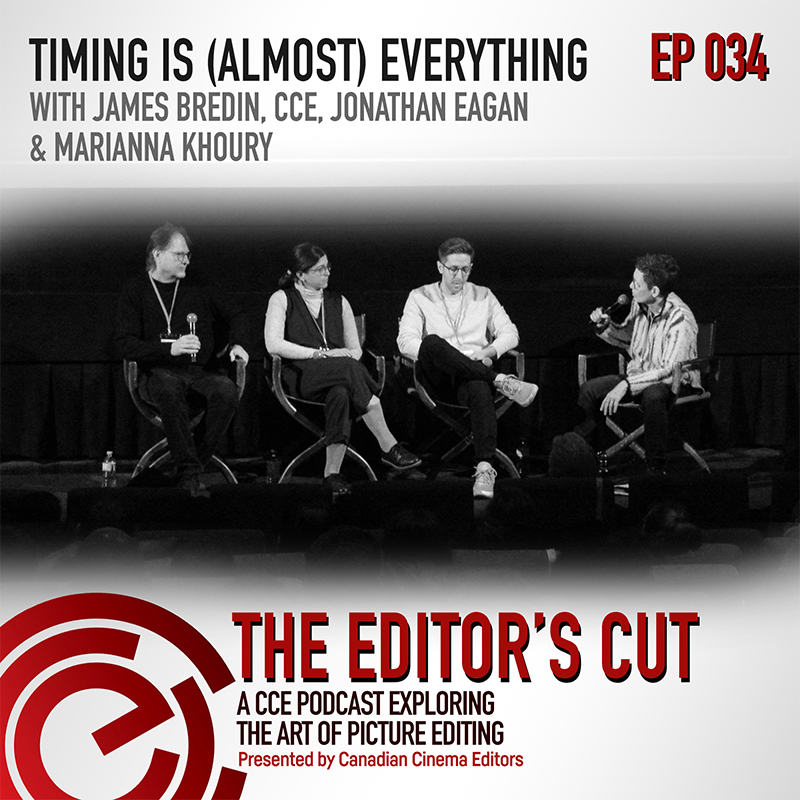
Episode 034: Timing is (Almost) Everything
This episode is part 3 or a 4 part series covering EditCon 2020 that took place on Saturday February 1st, 2020 at the TIFF Bell Lightbox in Toronto.
This episode is sponsored by the Canadian Film Centre.

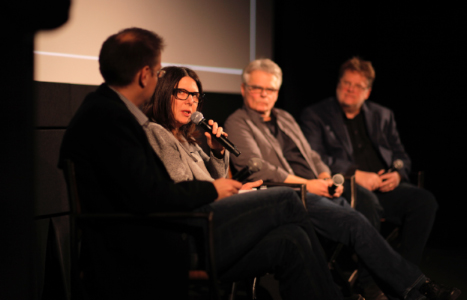
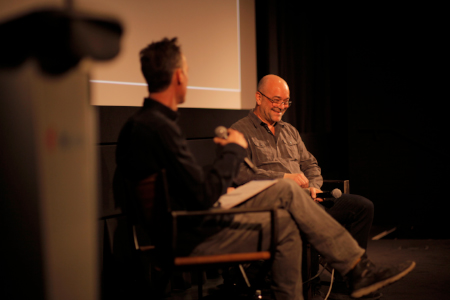
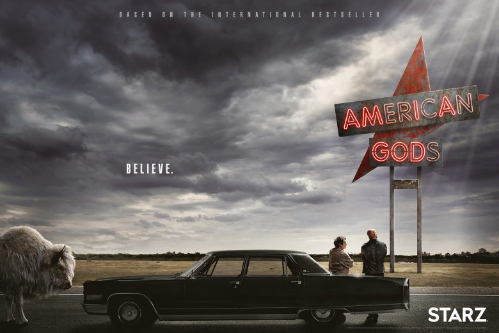
This panel explores the mechanics of making us laugh–how do you take what’s on the page and make it land? From sketch comedy to sitcoms, James Bredin, CCE from Schitt’s Creek, Marianna Khoury from Letterkenny and BaronessVon Sketch Show and Jonathan Eagan from Workin‘ Moms and Carter will explore what makes cutting comedy unique and particularly challenging.
Listen Here
The Editor’s Cut – Episode 034 – “Timing is (Almost) Everything” (EditCon 2020 Series)
Sarah Taylor:
This episode was generously sponsored by the Canadian Film Centre. Hello, and welcome to the Editor’s Cut. I’m your host, Sarah Taylor. We would like to point out that the lands on which we have created this podcast, and that many of you may be listening to us from, are part of ancestral territory. It is important that all of us deeply acknowledge that we are on ancestral territory that has long served as a place where indigenous peoples have lived, met and interacted. We honor, respect and recognize those nations that have never relinquished their rights or sovereign authority over the lands and waters on which we stand today. We encourage you to reflect on the history of the land, the rich culture, the many contributions and the concerns that impact indigenous individuals and communities. Land acknowledgements are the start to deeper action.
Today I bring to you part three of our four part series covering EditCon 2020. It took place on Saturday, February 1st at the TIFF Bell Lightbox in Toronto.
Timing is almost everything. This panel will explore the mechanics of making us laugh. How do you take what’s on the page and make it land from sketch comedy to sitcoms, editors from Schitt’s Creek, Letterkenny, Baroness Von Sketch Show and more. We’ll explore what makes cutting comedy unique and particularly challenging.
[show open]
Maureen Grant:
So timing is almost everything. Are there golden rules to comedy? How much is technique and how much is pure magic? Our panelists have been in the trenches on all manner of comedic shows from sketch comedy to sitcoms, and we’ll find out what makes their job easy or hard. What it takes to make it land and what it takes to make people laugh. Our moderator is not only a multiple award winning standup comic and second city veteran, but a gay icon and freaking national treasure Elvira Kurt. With credits as star, host, guest, writer, story editor, and or talent director on too many shows to mention, we’re lucky to have her today. The Canadian Film Centre is pleased to welcome Elvira Kurt, James Bredin, Jonathan Eagan, and Marianna Khoury.
Elvira Kurt:
Hello, welcome this panel of rockstars here. I am here today as a comedian. That’s my tie in to be the moderator of this panel. But I’m actually here as a fan of editors in general, but a super fan of comedy editors. So I’m going to do very little talking, because they have so much knowledge to share. So before we begin, I just want to set an intention for this panel, that we are able to access all of the important skill and knowledge and craft that these people who’ve worked in the industry for so long have, that it’s received in the way that you need it to. And that you’re moved to ask questions that will satisfy your curiosity if this is something you want to pursue, or if it’s just something like me that you admire, but could never imagine yourself doing.
Elvira Kurt:
So lots of, like I said, cumulatively an incredible range of experience is sitting here in different genres of television. And I know the goal in this industry is to work. And then it would be amazing to do film, because it’s a good long period of time or some sort of a series. But I would say the epitome is to do comedy because it is something that connects with everyone. And one of the things that I noticed in the descriptions that all of you gave in these clips is what a challenge it was. I’m going to start down the line. Just briefly say your name and then we can get right to the challenge. What makes comedy so challenging? Every one of your descriptions for the clips you submitted today, we’re like, “Well, this was a particular challenge.” So I noticed that comedy while it is super easy, editing comedy must be really fucking hard.
James Bredin:
I’m James Bredin. I’ve been doing this a while and did a bunch of Schitt’s Creek and a bunch of Little Mosque on the Prairie and stuff, but that’s Schitt’s Creek we’ll be looking at today. And that was a real treat because I had no actors that I had to work around. Everybody on that show was really solid. And the challenges were in the way the scenes were shot, where the directors were trying to push the limits a bit and it worked, but you’ll see that it’s not sort of just part camera and which makes it a little trickier to put together.
Marianna Khoury:
I’m Marianna, I work on Baroness von Sketch Show, TallBoyz, which is also a sketch show. And most recently Workin’ Moms.
Elvira Kurt:
Now, James had alluded to just the challenging nature of the shows that he’s working on. What makes comedy challenging for you?
Marianna Khoury:
Working on shows like Baroness, it’s just filled with so much talent, and usually the most difficult part is deciding what to cut out because there’s so much good material. And eventually has to be a three minute sketch and that can be really difficult.
Jonathan Eagan:
My name is Jonathan Eagan. I’ve worked on three seasons of Workin’ Moms. I’ve done a couple of seasons of Letterkenny. I did a great series of short lived called What Would Sal Do? Which was my first sort of TV gig in comedy. Right now I’m working in one hour shows, which are sort of the last two shows I’ve done this year are one hour series that are really a blend of comedy and drama. And one of them has a procedural element. I think I have clips from that one as today as well. So there’s a show called Carter, starring Jerry O’Connell season two of that. And I’m working on a Netflix series right now called Ginny and Georgia, which will be, I guess, hitting Netflix in maybe April or May. I’m not entirely sure, but it’s sort of a blend of comedy and drama. I can speak to all of those.
Elvira Kurt:
And so what makes cutting comedy, editing comedy for you so challenging?
Jonathan Eagan:
I feel like what Marianna just said is probably the most challenging aspect of it is, I mean, it really depends ultimately on the nature of the show, like when you’re working in broadcast and you’re working in a broadcast half hour and you have to deliver a show that’s 21 minutes and 49 seconds long, and your scripts are 34 pages long always. And you’ve got to find the balance between this… What’s really important ultimately, there’s sometimes in a scene or a series or an episode, there’s a bit of a push and pull between the gag, the joke, the punchline, the objectively funny thing, and the season story arc, what’s happening to the characters funny or otherwise. And you have to learn to balance those what’s really priority.
Jonathan Eagan:
Oftentimes it’s not the gag per se. You can make it work, make it funny, make it emotionally resonant if… Emphasis isn’t necessarily on the gag. And I just think sometimes it’s a scene by scene thing. It’s an episodic thing. One episode is smooth sailing. The other episode might be a real pain in the ass, but might ultimately be like a better piece of television. It really, it depends on a lot of factors.
Elvira Kurt:
Well, it’s occurring to me that talking about comedy editing really sucks the comedy out of… Do you know what I mean? Like it’s so technical and yeah, what comes across is so visceral, it’s something and really is. Let’s take the things that you’re talking about so dryly, because you know what you’re saying, it’s true, but you have to actually go through it. And that is part of the skill that you build. But when you watch it, you think of none of that. It’s just like, “Oh my God, that hit me in such a way that my reaction at home by myself was to laugh out loud.” That is amazing. So let’s start, James, you talked about the first night. Why don’t we go to this show that has taken the world by storm, Schitt’s Creek and go to the… This is the first episode?
James Bredin:
Second.
Elvira Kurt:
Second. All right. So by then, you’d already understood how it works.
James Bredin:
There’s two editors. I was… My first episode.
Elvira Kurt:
Your first episode, all right. So this is season one. Is it rare that you would include this clip? Because it takes some time to get on its feet, but you say that this shot in a verite style was, had its own challenges and you ended up being pleased enough with it that you want this to be the first thing that we…
James Bredin:
I don’t think it took time to get on its feet, I think it took time for the world to catch up to it. It was the way it was rolled out, because I think it was funny right off the bat. And it was a situation we’re actually looking forward to dailies every day to say, “Well, Catherine O’Hara and Eugene Levy.” Catherine was not only incredibly funny, but she’s incredibly professional in terms of repeating everything each take and every now and then there’s an outburst of Catherine O’Hara that.. The very little improv in the show, but some of those we have to keep because they’re way too brilliant not to.
Elvira Kurt:
For sure. I want to get to… Improv is something that I’m going to touch on later, but let’s start with this clip. So this clip is Rude Awakening. It’s Episode Two of Season One of a Schitt’s Creek.
[Clip plays]
Elvira Kurt:
All right, so you’re given all of that raw footage and then how’d you turn it into that goal?
James Bredin:
Well, you just got to go through it as you can see that when they’re getting out of bed, it’s very dynamic. Camera’s waving all over the place. And it’s tricky to find just… That’s all there was of though of the stain on the ceiling. And it’s just trying to make it in the right place and get it on there there long enough you can tell what it is. And of course they’re talking over each other the whole time. So it’s a matter of fitting in pieces of dialogue. And there’s actually only one piece of improv in there. One line is when Catherine says… When he says, “The bed soaking wet.” And she says, “Is it blood?” That’s that’s her. That’s totally improv, not in the script, but we kept that obviously. And then it sort of calms down when it gets into the next room, but that’s sort of like a verite doc where you’re trying to find your way through the waving camera in the wherever, and just hold on long enough that you can register and the story and drama and comedy, are there.
Elvira Kurt:
Do you take the material in its raw form, you watch it and then you’re already starting to figure out why I need the ceiling, then we got to go back to the ceiling? When does the timing of it come in so that it actually helps the comedy, because it’s soaking wet, is it blood? It wouldn’t pay off if we didn’t see certain things in a certain order at a certain pace.
James Bredin:
That’s kind of hard to answer. You go through it once-
Elvira Kurt:
You’re an editor. What is your process? Don’t bogart all your knowledge.
James Bredin:
… well, you start at the beginning of the scene and you have two or three different takes to start with. Some start on her some start on him.
Elvira Kurt:
Okay, interesting. So then the choice is like, I got to start with the wet guy. Do you know what I mean? Like what… Do you put it in an order that works for you or do you stick to the script? When do you override something for your own instinct?
James Bredin:
Well, I think you go with your first steps. You have to start somewhere and that can be anything. So then you look at that and you go, “Oh, okay. That doesn’t belong there. It belongs later.” Or, “That’s not really working.” Your first pass, just sort of get the dialogue in the right place. And then trying to sort of go back and enhance it, enhance the comedy and the drama. I noticed that there was little tidbit, because they’re doing promo for the show obviously. And they were on Jimmy Fallon a couple of weeks ago. And they were asking, “What was the scene that in the whole six seasons where Eugene was most uncomfortable?” And they all agreed it was this one because he had to get his hair wet and he’s really touchy about his hair. So this is the most upsetting scene in the entire six seasons for him.
Elvira Kurt:
Amazing and nice humble brag there James. They were on Fallon and…
James Bredin:
It’s nice having your work discussed on Jimmy Fallon.
Elvira Kurt:
Of course it is. Very cool. So this one is a train from Carter and… Yeah. Oh, smile already. Okay.
James Bredin:
I gave you a bunch of clips. I didn’t know how many we’d see. So yeah, I like this one.
Elvira Kurt:
I want to get them all in [crosstalk 00:13:10] yeah, you set it up, go.
James Bredin:
Okay. Well, they asked us to choose different clips for different reasons and sort of explain why, and so it’s challenging. I chose this one because it’s a strange combination of comedy and action. This sequence was directed really beautifully by Kelly Macon. And as most of you guys know, or many of you know, television schedules can be really tight sometimes. And to do something extra is challenging. So Kelly had a couple cameras, he had a GoPro and this is effectively a sequence. It’s the cold open of an episode of Season Two of Carter where Harley… It’s a little bit of my secret identity reunion, which is cool.
James Bredin:
I can tell you about that after. Harley discovered that someone is starting to kill themselves and he has to sort of chase down a train on the tracks and sort of a high speed pursuit and board a train, very dangerously and rescue this person, get the train to stop, except it’s not at all what it sounds like.
Elvira Kurt:
Okay, cool. That’s exciting. That was much better than what I would’ve done. All right. Let’s have a look at.
[Clip Plays]
Elvira Kurt:
All right. So obviously an excellent premise. But really brought home with the editing there. Right? Because there was absolutely no danger. And he could have easily hopped on that train. Tell me how you made this-
Jonathan Eagan:
[crosstalk 00:16:18].
Elvira Kurt:
… yeah, how you made this so good?
Jonathan Eagan:
The truth is like, it’s funny this sequence… So this is part of an eight minute scene. After he stops the train there’s a whole 200 between the two of them and it continues forever and ever until he gets them to step off the train and then there’s a sniper trained on him and then the opening credits start. And that scene was like 10 minutes on the page. Ultimately I think this whole sequence now in the cut is like five minutes, but we had to… The original cut of it, a lot of the train stuff didn’t change to too much. But then the whole thing as a whole was just really, really big. So I wanted to choose this clip because A, sometimes the premise alone does all of the heavy lifting.
Jonathan Eagan:
That’s a terrific premise. And Kelly had the great idea to include the GoPro, which gave it like, you don’t approach a scene like that like a typical… You’re not looking at it at the same way you look at your average comedy scene, you get to… I was lucky that I got to play with that as though I was cutting an action film as well and sort of use that shorthand as a means to cut it. And then by taking that somewhat seriously it can enhance the comedy of it because it amplifies how ridiculous it is. So it was really a lot of fun. Ultimately it just came down to making it shorter and tighter and so on and so forth.
Elvira Kurt:
So was the intent clear from the go that it was meant to be a light take on this genre right?
Jonathan Eagan:
To an extent, yeah. On the page I think it was like that, but I did… It wasn’t until I got the footage that I realized exactly Kelly’s approach. And then he and I had a quick conversation after that and it was very clear. But one thing I would say about this, this sort of added layers of complexity that train conductor that was really his day to day job. That was what he did. He wasn’t an actor. He was that guy doing that every day in that place. And that’s how he dressed. And so we had to… He couldn’t like… They shot the shit out of him to try and get him to deliver his lines. He never quite did. So all of his lines are ADR’ed.
Elvira Kurt:
Oh my God, he looks amazing. That guy looks like a star.
Jonathan Eagan:
Sometimes you have just a little thread that you need to pull on to make it work. And so the last shot of that sequence, he’s smiling, is just him looking at the director. We were able to manufacture it, such that he was trying to extort more money out of Harley. He had more agency. Whereas that wasn’t something that was a part of how it was shot. So like that was a little happy accident. Things like that really help. You never know you’re going to get those things, but when you do you try to use them as much as you can.
Elvira Kurt:
All right, man, you guys really downplay what you do. I get that you have to work with the, whoever’s sitting in the room with you, but there is still something about-
Jonathan Eagan:
You’re absolutely right.
Elvira Kurt:
… like your experience.
Jonathan Eagan:
The hell with it.
Elvira Kurt:
You know what I mean?
Jonathan Eagan:
It was all me.
Elvira Kurt:
Like let’s be real. You’ve got to be, “You know what, no, I know that we need another shot. We need another of the GoPro. We need another of the coupling thing.” Because there’s no tension in the scenes. Literally a child could stop this thing, do you know what I mean?
Jonathan Eagan:
I’m telling you this though, if you’d seen my first edit of that scene, you’d probably have been like, “Dude, that is five minutes too long.”
Elvira Kurt:
Sure. But that’s the whole point of us not seeing the first thing, right? That’s your starting point. And then you just start-
Jonathan Eagan:
[crosstalk 00:19:25].
Elvira Kurt:
… culling, to just tighten, to hone the comedy. And that’s where… The reason this panel is sold out, I’m sure is because this… It’s that intangible. And I think you were the one who mentioned it in the green room, that thing that like, how do you know the exact pacing that is going to put this over the top from just great premise, solid lines into this tight sequence that is genuinely hilarious. And then that beautiful found object of dudes smile because he obviously wouldn’t be able to do that on his own. Like you made it seem he was part in on it. Yeah. Anyway, that was great. Okay. Marianna is going to talk to us about the Baroness. I definitely let you set it up, but I will… Full disclosure, I’ve worked on the show. So I’ve seen a lot of the sketches in all these clips.
Elvira Kurt:
I was there for some of them at the idea stage and then to see what the finished product looks like. I mean, that’s always the fun of watching Baroness is where it ended up in a script, what it looks like. And especially this one, which is a Meredith clip because you can’t actually write down all the things Meredith is going to do once she’s allowed to… The free reign with her physicality. And because they’re all equally in their own way, each of the Baronesses is also really adept at physicality. The fact that they’re all in the scene and commenting on someone that it must on some level bring up some insecurities or jealousy that someone is getting a moment to shine when you know that your version of that would be just as good, not the same, but just as good.
Elvira Kurt:
But you have to sort of play either the straight man or the second banana to this person, who’s getting to cut loose. And the fact that they’re there and then all the little lines that they’re doing, I don’t know how much of that was ad-lib, but that is… All of those ad-lib lines are coming from that place of, “There goes Meredith.” You know what I mean? Like it’s a mixture of generous and admiration and also a little bit of, I wish that was me. Like it can’t not be as a performer. All right. What else can you tell us about this clip?
Marianna Khoury:
Yeah. Also it’s a commitment to being a background character in a sketch that someone is the lead in and they’ll go as far as like creating crazy backstories for a background character that might not even be getting a closeup in the scene and they’re committing so much. And it’s so hard to cut that stuff out because ultimately it doesn’t always pay to the storytelling and you have to lose some of it, but it’s so amazing what they all give.
Elvira Kurt:
It’s true. And a lot of that has to do with the hair and then the wardrobe, right? You put someone in something and a character comes out that they may not have even had in mind until they are getting to be in that character. So it’s different than these other two shows where you have these set characters and that you get to work and grow, and stretch them out and make them flex different muscles. In your work it’s particularly challenging because there are always different. And then as you say, because they’re each of them so into their craft, they’re adding these weird backstories that you don’t make… That nobody would even notice or care about. All right. So this is an excellent clip. She Did It. It is really good. I can’t wait to hear how you’ve made this come to life. All right. Let’s have a look.
[Clip Plays]
Elvira Kurt:
Where do you begin?
Marianna Khoury:
Well, Meredith is a nut and she goes crazy. And there’s so many options in the edit. And usually on these kinds of physical sketches, we’re editing them for a long time. It’s really just grading a selects timeline and picking out all of your favourite stuff and going from there. A lot of it’s just instinct and feeling and watching absolutely everything they do, and just choosing what makes you laugh and hoping that that’s the right choice.
Elvira Kurt:
So there’s one shot of the whole scene so that you have everyone in it. And then do they actually shoot it enough times to get an isolated shot on everybody?
Marianna Khoury:
Yeah. Alicia Young directed this one and it was amazing. So it’s a lot of like roaming cameras to pick up that stuff. So once they go through it in a wide, they kind of can feel the pacing and know… It’s like a call and response kind of thing.
Elvira Kurt:
Besides the literal call and response.
Marianna Khoury:
Yeah.
Elvira Kurt:
Okay. All right. So it’s so frenetic and the fact that the show, unlike with the more structured half hour or hour length, you have a time, the entire episode is 21, 22 minutes?
Marianna Khoury:
Yeah, 21:15.
Elvira Kurt:
So the running order for each show, how do you know that this scene or skit or sketch is going to be three minutes long? Like, because you said that it’s so much longer, what was the original?
Marianna Khoury:
Probably the assembly I sent her it would have been like seven minutes or something.
Elvira Kurt:
And typically there, because I know they shoot things and write things specifically for blackouts less than a minute. So this is obviously a longer scene, but nothing is beyond three, four? It depends.
Marianna Khoury:
Four and a half.
Elvira Kurt:
Yeah.
Marianna Khoury:
Yeah. And the sketches they never exist in within an episode until picture lock. So when we start editing, you can just pick a sketch. There’s like three to four editors and we just get to pick whatever we’re in the mood for, and whatever’s been shot and just start cutting. And those sketches exist as solo sketches up until picture lock. So during the picture lock process is when the Baronesses and CBC will decide on the running order and what sketch goes into what episode.
Elvira Kurt:
And then who are you sitting with? It’s not the whole cast? I mean, because they have an interest in making sure, right? Like this is something, this is true of performers. And so when you have performers who are showrunners, I imagine it’s worse. Because you know you can trust your sense of comedy, right? Like when I’m doing standup and I’m on my own, I am in charge of the whole thing. It’s very difficult to then hand it over even to the best editor and think that they can do it the way that you saw it in your mind. And no matter how well it’s shot, it’s still never going to be exactly how you thought it would look. So you’re already compromising from the get go when you have to sit with one of the people who’s in it. So is it everybody or is it just… Is this Meredith scene, so Meredith sits in on it?
Marianna Khoury:
Yes, exactly. So they divide it. They may be have about 30 to 40 sketches per season that they’re kind of in charge of and see-through from the writing process to the editing process. And then we have this cool thing we do on the show called All-ins where it’s all the Baronesses, the whole editing team and producers. And it’s like a show and tell day. So we’ve worked up to a certain point. We haven’t sent anything to CBC yet. And then we just get to sit down and be in a room with people, which is quite exciting because we’re just in a cave, and we just sit down and enjoy it. We watch TV and enjoy what we’re working on. And that’s one of the most important parts of the process on that show.
Elvira Kurt:
Yeah. I agree. Like getting to make your immediate circle of your editing family laugh is immensely gratifying. So yeah, that’s a great part of it. We will talk more about all the things. We are jumping genres and styles, but I do want to move through it all. James, we’re going to go back to you. The next clip that we’re going to see is is also a Schitt’s Creek. And it will try to make sure that what we discuss in this pass is about shots. And that’s something that you singled this scene out for. This is Makeup. So tell me what was your feelings about this one or why you pick this one?
James Bredin:
well, again, it’s unusual coverage. It takes place in a trailer. If you follow the show, Moira used to be a soap star and a hasn’t been in the business for a long time and a local vintner wants to use her in his wine commercial. And she’s very excited, but she’s also tremendously nervous. And this is what’s takes place in the makeup trailer, which is very confined space. So the actual shots that the director did are quite unusual.
Elvira Kurt:
I know you can’t answer this. Why go into a cramped trailer when you could just recreate this set? I mean, I know that this is a Canadian show business. Probably someone was living in the trailer. So was on hand, but do you know what I mean? Like why put yourself… Why make it harder?
James Bredin:
That’s interesting because on this show and Little Mosque, Colin Brunton, the line producer, he likes to do all the interiors and then go on location. So the shows are big holes in your show episodes and the location for the shooting, the wine commercial was all location and they have a Winnebago and some of it takes place outside the Winnebago where she’s in there weeping later on. So I guess they decided that they were going to do it as opposed to building a little set thing they decided to do it in there at the trailer.
Elvira Kurt:
So they could get all the different shots, make your life easier, but nobody thinks about the editor. Do they? Nobody. You’re on your own.
James Bredin:
Do not think that was one of their concerns.
Elvira Kurt:
Shame. All right. Anything else you want to say about it or let’s [crosstalk 00:31:15]?
James Bredin:
Yeah. Well, it’s a real challenge and it’s different kind of humor of, again, she’s really nervous and Johnny is trying to control everything and it’s not going well, and well, you’ll see what happens.
Elvira Kurt:
All right. Let’s have a look.
[Clip plays]
Elvira Kurt:
So understated the performances there. When they do that, because it is so confining, them making themselves smaller that way, does it make it harder to find the comedy in the scene?
James Bredin:
I don’t think so. Their model was Andy Griffith Show where it’s all about the characters and-
Elvira Kurt:
Sorry, Andy Griffith was a show. James and I are clearly the same demographic, but I have the audience they don’t know what you’re talking about grandpa.
James Bredin:
Ron Howard was very young at one time.
Elvira Kurt:
Sorry. So it was like Andy Griffith, which was a good oldie timie?
James Bredin:
Yeah. And it wasn’t jokes so much as comedy coming out of the the characters and what they were doing. And they sort of wanted to keep it small like that. And it had to come out of the characters. And when she tells him to leave, go home, like just the way he’s, he plays it so well.
Elvira Kurt:
He does. Now, did you… And your choice of it, it was perfect. So was there another option and you…
James Bredin:
There might’ve been. There was multiple takes and it was tricky to play which shots are going to work best in the mirror shot and which were best going to work straight on. And then later on there’s singles on both of them for their intimate conversation. Again, the two little improvs from Catherine there the, “I know John, you’re very good at trying.” That’s not in the script. And at the very end where she says, “No, but please keep working.” That’s just her. And yeah. I just leave those in and everyone agrees that there’s no discussion. It’s like, obviously those are going to stay.
Jonathan Eagan:
It’s funny how sometimes those are the best things about the scene. Those lines are the funniest part of the scene.
James Bredin:
Yeah. Well, that’s her. She’s the tent pole of the whole thing.
Elvira Kurt:
For sure. And it’s often when the scene is meant to end, if you just leave the camera, there is that you’re in that place, you’re in a zone, and sometimes gold will come out and sometimes mostly not, but it’s great when it happens. Now, I also notice that when in the moment of the cheese tray, we don’t see Cubby at all. So you really just focusing on the cheese again, was this because you wanted to tighten the scene of… I found it interesting, person enters. We’ve never really get a sense of who they are because the joke is about something else. And it was all to just keep us focused on the two of them on their dynamic. Even Crystal, when she she comes in to be in between them. You know what I mean? Like all of it is a physicality that is in addition to what’s written. And that is something that you consciously chose to put together in that way.
James Bredin:
Yeah. I think that’s largely to the director too, because Jerry Ciccoritti did both those clips we’ve seen. There isn’t a shot of the PA. He’s a PA, so nobody cares about him.
Elvira Kurt:
Right.
James Bredin:
And that’s all… All you see of him is coming in the door, and the cheese. I didn’t leave anything out there. I didn’t have a choice of making more of his character and we don’t need to see him. You’re right. It’s not important.
Elvira Kurt:
But he even calls him Cubby. You know what I mean? Like to me, it’s sort of it emphasized, it was calling attention to the negative space in a way, right? Like this I’ll name you, but I don’t even want to see you because really it’s about the cheese, about the melon, it’s about trying to make my wife feel as insecure as possible. So it is interesting. I’m glad you included this clip because it is really small. And yet the comedy is never lost. It doesn’t ever go away anywhere.
Elvira Kurt:
Mentioning the choices between which shots to use of the mirror shots, and this is a question to all of you to keep in mind when it comes to it, is it your amount of experience that will dictate which call to make? Like how long does it take you to put something like this together and is it your extensive experience that right away, you’re like, “Nope, I want to see them from this angle.” Like looking into the mirror as opposed to looking through the mirror? Do you know what I mean? Because that will make it stronger.
James Bredin:
That’s sometimes it’s done for you in that they blow the next line. You [crosstalk 00:37:25].
Elvira Kurt:
You make the best of what you’ve got.
James Bredin:
Not that there’s a lot of that, but it happens. Sometimes you just stay a little too long on something, the energy in comedy dissipates. So then you want to cut around. Yeah.
Elvira Kurt:
This is the intangible. How do you know that it dissipates? Is it you watching it? You’re like, “Nah, I’m not as connected to it.” Is that what it is? Like, what is it about… What about your own sense of humor affects the choices that you make?
James Bredin:
I think, yeah, it is experience and that it is that… Yeah, I feel it’s deflating, so I want to move. Could have done that as well 15 years ago, would not have done as a good job.
Elvira Kurt:
Practice. So it’s practice?
James Bredin:
Yeah.
Elvira Kurt:
And making mistakes would you say, or trying it a different way?
James Bredin:
Yeah. And the director gets a bash at it and says, “That stinks.” And you go, “Oh, well, maybe you’re right.” And then Eugene and Dan are all over it. And if no one bumps on what you’ve done, then you’ve done it right. And yeah, it’s a feel. It’s a feeling thing.
Elvira Kurt:
Right.
Jonathan Eagan:
I think if you approach it the very same way you would approach watching something at home and deciding whether or not you want to watch the next episode again, or whether or not you think it’s working. If there’s a show that you think is really, really funny, it might… Oftentimes it’s pretty easy to explain why, but there’s an intangible there as well. And I feel like I’ve always sort of felt like it is hard to explain. I think that we all have a sense of humor. They all differ. Comedy’s very subjective. And the only thing I can rely on all the time is my own instinct. You have to trust your own instinct, whether something is working. If it’s working for you, it’s probably going to change 25 times anyway. But yeah, you just sort of trust that if it’s working for you, it is going to work for somebody else.
Jonathan Eagan:
And there is more than one way. This joke may change a little bit. This beat may change a little bit. You might try five different things and arrived back at what you had in the first place as part of the process. But if you can’t trust your own guts… Especially when you’re working in television, because the schedule is really tight. Somebody explained it to me years ago before I was anywhere near working in TV, he was cutting a one hour series and he explained to me at the time it seemed impossible.
Jonathan Eagan:
Much the way working in unscripted television seems impossible to me today. But you’ve got so little time sometimes that you just have to go into the bed and you have to say, “All right, well, I’ve watched the master of this scene. I’ve seen the coverage. This is what I’m going to do here. And I want a close up here. I’m going to go to this character here.” You’re just basically your first pass is really just the way you’d write the first draft on a blank page. You just get it down and you get it down in some structural way, because you have an instinctual idea of what you want to see. So I want this here. Do we have it? Yes, we do. Well, let’s try it. And then you’ve got your blueprint.
Elvira Kurt:
I hear you. But I will also say that after you’ve watched it 20 times, at some point, do you lose? Like, “Is this funny? I can’t tell.”
Jonathan Eagan:
You don’t laugh. I mean, you go through a period of time where you don’t laugh at all and your brain turns to jelly. And then as you’re like exiting the tunnel and you can see the light at the end of the tunnel, you start to laugh again. I mean, at some point that’s when it really helps for other people to see it. You know, at the end of the day, you want someone else to laugh. So you rely on your producers and other people. And if you’re making your show runners laugh and they’re really happy, then you start to better understand what it is they like to, because that’s back to that subjective thing. I might think something is hilarious and they might come in and say, “Great job. Let’s change it.” Actually that’s every day.
Elvira Kurt:
Right. It’s nice that they start with criticism sandwich.
Jonathan Eagan:
[crosstalk 00:41:09] criticism sandwich. Very important nutrition.
Elvira Kurt:
For sure. All right, Marianna, you’re nodding through this whole thing. Tell me about how your sense of humor helps you? Because it is the thing that’s entitled… We all think everyone in this room is smart. And if you believe that you’re intelligent, then your sense of humor is there, right? To me, the least interesting people are the ones that have no sense of humor. And I think they’re idiots. So given that we’re all starting from the same page, right? But then it is this subjective thing, how do you approach your work with your sense of humor?
Marianna Khoury:
I think watching live comedy is really helpful. I spent a long time just going to the comedy bar every weekend, and that was such a smooth transition to going to Baroness, because I feel like that show is really representative of the comedy community here. There’s this comedian, Mark Andrada who also runs lights and sound at comedy bar and watching his live timing of live editing comedy and improv, I feel like taught me everything I know.
Elvira Kurt:
Wow. Okay. All right. Well let’s let’s keep moving. Every one of you deserves a panel just of your own, just FYI. I’m among legends. So let’s move on to Nudists and this is also from Carter and it is a good segue from this idea of your own instinct guiding your editing process. And I wish this was something that we could just lay hands and all sort of plug in to the flow of how this unknowable thing happens, but you singled this out.
Jonathan Eagan:
Yeah. I picked this one because editorially it’s very… I mean, there’s a rhythm to it obviously, but it’s really basic. It’s a two hander. It’s two people who happen to be naked, standing in a kitchen at a nudist colony, having a conversation. Carter is a bit of a metal show like Harley is a private investigator, but he used to be a television detective. So he believes like he comes back to his small town, was shot at North Bay, comes back to this town called Bishop for those who don’t know the show. And he just basically becomes a private investigator and believes that all of his experience on television shows will inform how he can solve crimes and stuff. And because of the magic of television, he is terrific at it. But there’s a meta aspect to a Hollywood aspect to a lot of the shows sometimes like an added layer on top of it, which is really cool.
Jonathan Eagan:
And so in this one, that was a bit of a film noir, femme fatale aspect to it as it began because this mysterious woman comes to meet him at a diner and tells him that her fiance… She believes her fiance murdered in spite of the fact that seemed like natural causes. So then he goes to meet her and she’s naked and she lives in a nudist colony and she didn’t tell him. So now they’re there. And so he gets his psychic Dave to get nude. He remains clothed throughout the episode, but Dave has to bite the bullet and be naked to ingratiate himself to other people in that community. So they’re like trying to find the killer and to get the information and they are at the wake, there’s people everywhere. They’re all naked, but Harley. And Dave is being hit on by this woman who he believes to be this man’s possible suspect’s wife.
Jonathan Eagan:
When an actual fact, that guy is an accountant for the mob who just happens to be in witness protection. And she’s his handler. So she has no business. She’s a single and she’s like really into Dave. And so the scene is just the two of them. Dave’s kind of like deflecting her, but what’s interesting about the scene is they did this little ad-lib that completely made the scene in my opinion. And we loved it and we kept it. Editorially it’s very simple, but it’s just a great example of how an improv can do wonders for a scene, elevate it.
[Clip plays]
Jonathan Eagan:
Yeah, thank you. So the line that was the big improv was, he says she died in a fire and then she says, “Whoa.” And he says, “It’s okay. She was a horrible person.” And then she says, “Serves her right.”
Elvira Kurt:
As the biggest throw away ever. I mean, it was on an exhale and everything. Do you know what I mean? Like you could have easily have missed it, but it’s perfect.
Jonathan Eagan:
Yeah. But that line to me was like the funniest thing I heard all summer. And I’m a weird sense of humor, I guess I don’t know. But I was like, “We have to use that line.” And they were like, “Sure, whatever you want, man.”
Elvira Kurt:
No, it was a great call. It’s just delicious. And especially because she’s moving in like physically, right? Like, do you know what I mean? Like there, “Yes. Oh so…”
Jonathan Eagan:
One episode.
Elvira Kurt:
Yeah, it felt very claustrophobic just… And you didn’t have the luxury obviously of a wide shot? Like this was all…
Jonathan Eagan:
That’s true. There wasn’t, it was just the two of us. Well, there was the wide and the tighter one. So there’s four shots. Each of them has like a medium close and a medium. And that’s it. The reason they did that sort of time crunch schedule wise-
Elvira Kurt:
[crosstalk 00:47:18] nakedness.
Jonathan Eagan:
… well, yes, that of course. But there’s not even a two shot because this… Tight quarters and everything that scene as part of like, there’s like three or four or five scenes within different parts of the wake. So they go elsewhere, they come back, et cetera. So it wasn’t like, I guess they didn’t deem the necessity of a two shot… Well, no, but the nudity, of course yes, two shot. Well, throughout the episode, people are blurred. So just in that case, it wasn’t required but anyway.
Elvira Kurt:
And again, this follows from James clip. Again, it’s very tight and it’s just a back and forth.
Jonathan Eagan:
It’s an interesting thing to be both nude and claustrophobic at the same time. You feel very exposed and you know.
Elvira Kurt:
Yeah. But the choices of going back and forth like that again, there’s that the rhythm, the pacing.
Jonathan Eagan:
Yeah. I guess that’s a good example of when it’s really largely about rhythm and you’re just trying to figure out… It’s like a tennis match, you know? So you don’t want it to be too cutty. You’ve got to get the rhythm right. You kind of got to tune the instrument, so it’s in tune and then it works for you. I mean, it might not work for everyone. You know, some people might feel like it’s too cutty, but with comedy you can really get away with that.
Elvira Kurt:
Yes you can. But then you’ve also got that jaunty music to [crosstalk 00:48:29], does it distract you or does… Do you know from the cuttiness, say?
Jonathan Eagan:
Maybe I would imagine that it helps.
Elvira Kurt:
Or that it helps, right?
Jonathan Eagan:
Yeah. Sometimes a scene can be just so much funnier when it’s played completely dry, but in this case, this a whole sequence that, that music sort of carried us. Because it was a bit of a roller coaster. We’re ping-ponging there, but we’re also ping-ponging elsewhere in the party and like Harley… The very next shot Harley and Dave come together, they speak. Kevin McDonald from kids in the hall was there as well. And then they’d bounce off to another part of the party. So it was all just a bit of a carnival. So that was a… We used a lot of actually Ocean’s Eleven music as temp through this series because of Harley’s sort of Hollywood background. And then the composers didn’t mimic it, but that was a huge inspiration. So it has that quality to it.
Elvira Kurt:
Cool, this idea that Jonathan wanted to include this clip because of that one great improv. You talked about your editing being informed by live comedy. But one of the great things that comedy TV editor gets to do, or an editor of a comedy of any sort is play with the genre. And that’s what this clip… Please tell us a little bit more about that and why this was a pick for you.
Marianna Khoury:
Yeah, that’s the exciting part of sketch because it’s like full ADD brain. You just work on something and then you’re onto the next thing. And you’re you have new characters and you’re in new worlds. And this one in particular is really fun. It’s like a scifi genre. So you get to play with music and sound design and yeah.
[Clip plays]
Speaker 16:
You got to sign off on the speech from the UN. Yes ma’am. Are you sure about the translation software? Sure as wherever we’re going to be. This better work. Madam chancellor, Dr. Jones, we’ve made contact. [inaudible 00:50:18]. Let’s make [inaudible 00:50:30]. Greeting new friends. We, the people of earth are honored to be making contact with beings from beyond our own planet for the very first time. The most important message humanity can express to you at this time is, could you come back a little later? It’s just not a great time right now. We’re just not totally feeling ready to meet. We still trying to work some stuff out of the species, or humanity is in a bit of an awkward phase right now, embarrassing really. embarrassing. That’s the word. Thank you. Yeah, it’s embarrassing.
Speaker 16:
So maybe, I don’t know, we’re going to come back in about 500 years. Something like that. Actually, according to my projections, we’re going to need at least 1000 years. Okay. You know what? Let’s make it 1000. Let’s call it a cool thao. Okay. Then we’ll see you then. [inaudible 00:52:02]. Yeah. Hey, listen. You know, there’s just no point in getting in a new relationship if you still got your own stuff to work on. 100%. Anyway. Who wants to go for drinks, Nico? All right [inaudible 00:52:11]. Yeah. What a relief. I wasn’t into it either, but you always think you’re the one that’s messed up. Just self improvement takes time. That was so impressive. I really appreciated that honesty. Well, I don’t know what you would like to get home and just put my technicals up. I’m really hungry. At least we got our steps in. I feel really good.
Elvira Kurt:
So I do also know with these girls that they are allowed per season or per episode very few of these high concept, right? Because it starts to spin out of control, like all of the different aspects that are brought into it. So it is, that’s clear that this was this bigger, higher concept, but a very simple idea of the joke I can see it being pitched in the room. It’s like, “Yeah, so we meet aliens. It’s a bad time. And it’s a relationship thing.” Like it’s all those things together, but then you get the stuff that doesn’t have any of that in it. How do you turn it into this?
Marianna Khoury:
This one was exciting because normally a lot of those sketches are really fast paced and this had like a slow tension build. And I think I’ve found the soundtrack and the sound design before even fully doing the assembly. So yeah, a lot of the pacing is based off of that. I don’t normally do that.
Elvira Kurt:
Okay. Tell me more about that. And watching it, did you think, “Oh, I don’t know what to do. Let’s start with the music.” Do you know what I mean? Or immediately you watched it and you were like, “I need the music first.”
Marianna Khoury:
Yeah. I think just to feel the space, we didn’t have the VFX of that glowing orb thing in the back yet. So the sound helped just feel like we were in that world and believe that we were there and it really helps it’s the slow long walk up so we can break the tension and reveal the joke.
Elvira Kurt:
Right. And do you… In the way that Jonathan said, like you have the movie reference already that music, was this like, “It’s going to be like Stranger Things or Arrival, do you know? And you start thinking of that.
Marianna Khoury:
Arrival soundtrack-wise I was looking for music that sounded “wahhhhh”
Elvira Kurt:
And so you lay that down first and then does it suddenly help? Oh, with this tension means this is where I’ve got to use a shot where there’s zooming in a little bit.
Marianna Khoury:
Yeah.
Elvira Kurt:
I don’t want to tell you.
Marianna Khoury:
I don’t know if this is a pretty simple one. It was really [crosstalk 00:54:34]-
Elvira Kurt:
Oh, is it? Anybody can do it. Why are we even here??
Marianna Khoury:
The sound and music were the biggest part of this one for me.
Elvira Kurt:
All right. Okay. So with that, the sound and music, I mean, what I love about this clip that we’re going back to you, James, it’s another Schitt’s Creek. It’s the town sign. It’s sweet. Like the visuals are all there. So then you have… Again with the sound is that it’s consistent you have a library just of Schitt’s Creek music. Do you know what I mean? When does that enter for you?
James Bredin:
There’s very little score. Yeah, they’ve very little music in that show at all.
Elvira Kurt:
So you can’t hide in a way, right? Like, and then it’s all the comedy out there?
James Bredin:
Yeah. And it’s a deliberate choice obviously.
Elvira Kurt:
Yeah, for sure.
James Bredin:
And it’s just little sweetening here and there because they want everything else to be strong. And it’s just a matter of like little-
Elvira Kurt:
Well-placed.
James Bredin:
… yeah.
Elvira Kurt:
And again, this is something that your many years has taught you when it needs something?
James Bredin:
Well, I’d like to say that, but it’s generally there’s no music, unless there’s some source thing in a cafe or a dance or something, there’s a party it’s cut without any music at all. And they may add like very little ever.
Elvira Kurt:
Okay. So town sign then… Again, it’s very shot heavy. I feel like it as when we see it or if people know [crosstalk 00:56:06].
James Bredin:
Yeah. it’s sort of more conventional directing. Cut it like you would cut any dramatic scene. It’s a-
Elvira Kurt:
Tell me more about that. Where’s the overlap between comedy and drama?
James Bredin:
… it’s the difference in the writing. This could be a completely straight scene of them wanting to repaint the sign and okay, “We’ll just repaint it.” Not funny at all. And so there’s nothing really in the directing that is specifically comedic. The timing is when you want to go from the two guys to over the shoulder of the sign. And that was sort of the challenge of this scene is when to most effectively use the actual picture.
Elvira Kurt:
Okay, excellent. So then let’s watch the clip and then come back to this because that is… Again, I’m trying to… What is it about comedy that makes it so specialized? And again, that not everyone can do where that it takes a lot longer to learn how to do well, then say film editing, which has you say it could be the script or whatever. And then it’s not just the fact that Schitt’s Creek is called a comedy show that that suddenly the editing is going to be done in a certain way that elicits comedy, it’s more than that. And so let’s see if we can understand more about what you mean after we’ve seen the clip.
[Clip plays]
James Bredin:
Lots of music in that.
Elvira Kurt:
Well, that was meant to get us through there. Thanks for bringing that back. But I can see that the well-placed shot of going back, that is everything that tips into comedy constantly.
James Bredin:
Yeah. That’s sort of the comedy. The biggest technical challenge of that scene was for Walt the colorist at Red Lab, because that sky was changing by the second and the lighting in TV shot is different and you would not know by doing that, but that put a lot of work into that. And there was a lot of-
Jonathan Eagan:
how did he change the sign? What happens to the sign?
James Bredin:
He sticks up another sign on top that says, “Don’t worry. It’s his sister.”
Elvira Kurt:
Roland fixed it for you. Jonathan quickly set us up.
Jonathan Eagan:
Okay. I chose this clip just because it was actually a kind of a challenge, also another really long scene that we had to make tighter and make choices. There’s actually a whole bunch of stuff going on. There’s some VFX of stitching together, three different wide shots to make one wide shot work for continuity. There’s great ad-libs from Katherine, who is unbelievable in that respect, especially when she’s writing, directing, showrunning, acting all at the same time. It’s pretty remarkable. And we can speak to it after the fact.
Elvira Kurt:
Okay. Cool. All right. Let’s get to it.
[Clip plays]
Jonathan Eagan:
So, yeah, that’s the first scene of season three. At the end of season two, she catches her husband cheating on her with her best friend’s nanny. He doesn’t know that she’s seen it. And then she goes home and discovered she’s pregnant. And then she decides to have the baby that’s the reveal of that. So it was really interesting scene, because like the way it was initially set up, it was a lot longer. Val who’s tremendous, the class leader, she had a whole bit about how those photos behind her were like, “These babies are from my vagina.” And like all this really great stuff that was so good, but it was just too long a scene and we had to make choices. And so ultimately it came down to story choices and there was also a means of getting into the scene initially the plan so that we reveal Katherine is pregnant.
Jonathan Eagan:
Whereas now you sort of see it right away and there’s a lot going on that scene. Yeah, so one of those wides were bowels there and the two of them are in the foreground, but we had all kinds of continuity issues. We got into this situation on Workin’ Moms where I kind of got away with murder because Adam at Red Lab, the online editor was right next door to me. And he was really fantastic at like stitching together shots in the online and saving us, having to do it in via fax. It still costs money, but a lot less money. And like when I found out that that was the case, they let me do it like 45 times. So it was like a David Fincher movie a lot of the time. We were combining takes. And if the continuity wasn’t right, I would just dupe the same shot and combine the takes.
Jonathan Eagan:
And then Adam would take care of it. And then eventually they were like, “John, you have to stop doing that. It’s costing too much money.” But that was an example of it. We really needed it to make the scene work. We had like the women on the left were one shot. Val was another, they were third. And we really couldn’t make that pivotal moment work without. And then the whole Canary bit. I’m pretty sure that was an ad-lib if I remember correctly, but it just brings up… So what Katherine does often, and a lot of comedies do this is, Katherine will be… She’s head writer and the showrunner. She’s always on set. She directs many episodes. She directed this one. So she’s in the scene, on camera directing the scene and also the showrunner. So at times there’s no qualms on that show about her saying, “Let me do that again.”
Jonathan Eagan:
And she’ll start if it’s her coverage or she’ll say to someone, if it’s their coverage or she’ll say, “Give me that again,” or, “Just do that again.” She’ll just stop the scene… Rather than stop and cut and reset, she’ll stop the scene and she’ll say, “Give me it this way.” She’ll run off four or five different options right there and then, and then they’ll move on in the take. And it’s terrific. You just know exactly where it is and you can find it. So she did a bunch of different versions of the canary stuff and like the poop stuff. And we just had a host of really great options and they just had fun with it. They riffed for two minutes and then moved on and then we had a plethora of really great stuff to use, and we landed with that on that.
Elvira Kurt:
So you cheat and she made you look good. That’s the takeaway?
Jonathan Eagan:
That’s right.
Elvira Kurt:
Okay. That’s good to know for the future, so you can always have the guy next door, cost you money. And then somebody who takes care of all the shots, but what a luxury for you. Yeah, that’s great, lots to play with.
Jonathan Eagan:
Because they come to trust you. They let you get away with that stuff.
Elvira Kurt:
You’re right.
Jonathan Eagan:
There’s a moral to that story.
Elvira Kurt:
There’s a moral. Thank you for pointing it out. Did you want to say something Marianna?
Marianna Khoury:
They love doing that. I started working on Workin’ Moms this year and-
Jonathan Eagan:
Cool.
Marianna Khoury:
… it’s their favorite thing to do now [crosstalk 01:04:48] there’s this cool thing, Jonathan taught me.
Elvira Kurt:
Amazing. You’re a legend. Amazing. Now what I love on any kind of comedy when it gets authentic. So this storyline as you said you deferred a lot of the editing to serve the story, even though there was this other great extraneous stuff. and that you have to… What makes the funny funnier is when you have the contrast of the hardness of the truth. I cheated.
Jonathan Eagan:
Yeah, sure.
Elvira Kurt:
There’s pregnancy that she’s got to deal with. I’m using this as a segue to the final clip, which is the Unfounded, easily the most difficult, right? And I would say that having been in the writer’s room, there was a lot on Baroness that you would want to sort of tap into the zeitgeist, and then realize we actually were not smart enough to do this in a way that it serves the comedy and makes the point. And I think this is an exception. This had to have a warning before the actual scene. Is there anything else you want to say before we set it up?
Marianna Khoury:
No, let’s play it.
[Clip plays]
Elvira Kurt:
That was amazing, well done.
Marianna Khoury:
That’s a hard sketch to edit and it’s constantly balancing that line of being very angry and emotional and Aurora playing that character so grounded and keeping on us on that side of this, the hurt and anger and frustration. And then having the side with Meredith and Jen that keeps the comedy going and is getting out all of the information. And we found we would be holding on Aurora for a while and it would get too sad and it was too difficult to watch it. It didn’t feel like it was comedy anymore. So it was a while of working on that one and figuring out what the right balance was so that it felt right at the end.
Elvira Kurt:
Yeah. There was all of everything that you have been saying, all three of you have been saying all along, all coming into play in that one scene. And I think, unfortunately that is a good place to stop so that we can actually have some questions. so let’s get to it. Thank you guys. You’re so wise.
Jonathan Eagan:
Thank you very much.
Elvira Kurt:
From the house who has something to ask anybody? Yes, go ahead.
Audience:
So I have a question for Mariana about TallBoyz. So TallBoyz was originally stage based sketch comedy. So I was wondering having that context of like being originally based on stage work, how has that impacted your editing and what are the original kind of TallBoyz members were involved in kind of the timing or the editing and stuff?
Marianna Khoury:
Oh yeah. They were definitely involved. Yeah. It was pretty similar to Baroness in that you’re able… And Workin’ Moms, actually all the jobs I’ve had, usually the stars of the show are quite involved the whole way through which can be a good thing, but also sometimes they’re willing to cut things that they’re in and I’m like, “No, you can’t cut it. I love this part so much.” And it’s kind of your job as the editor to be that cheerleader for them a little bit. Yeah. TallBoyz was great. The big difference with that show is that the sketches did exist within an episode already. So, and they had a bit of a throughline in each act. So it was a bit more contained than how we work on Baroness.
Elvira Kurt:
So the one question was about a show we didn’t talk about. I cannot thank you enough. I literally could sit here for another three hours and just shoot the shit about this stuff. So deep is the bench of knowledge here. Let’s give it up for James and Marianna and Jonathan, thank you all so much and have an excellent keynote this afternoon. Take care.
Sarah Taylor:
Thanks for joining us today and a big thank you to our panelists and moderator. A special thanks goes to Jane MacRae, Maureen Grant, and the CCE Board for helping create EditCon 2020.
The main title sound design was created by Jane Tattersall. Additional ADR recording by Andrea Rusch. Original music provided by Chad Blain. This episode was mixed and mastered by Tony Bao. The CCE has been supporting Indspire – an organization that provides funding and scholarships to Indigenous post secondary students. We have a permanent portal on our website at cceditors.ca or you can donate directly at indspire.ca. The CCE is taking steps to build a more equitable ecosystem within our industry and we encourage our members to participate in a way they can.
If you’ve enjoyed this podcast, please rate and review us on Apple Podcasts and tell your friends to tune in. ‘Til next time I’m your host Sarah Taylor.
[Outtro]
The CCE is a non-profit organization with the goal of bettering the art and science of picture editing. If you wish to become a CCE member please visit our website www.cceditors.ca. Join our great community of Canadian editors for more related info.

Subscribe Wherever You Get Your Podcasts
What do you want to hear on The Editors Cut?
Please send along any topics you would like us to cover or editors you would love to hear from:
Credits
A special thanks goes to the following people for helping to create EditCon 2020
Jane MacRae
Maureen Grant
The Canadian Film Centre
the CCE board
Hosted, Produced and Edited by
Sarah Taylor
Mixed and Mastered by
Tony Bao
Original Music by


















 EN
EN  FR
FR