Categories
The Editors Cut

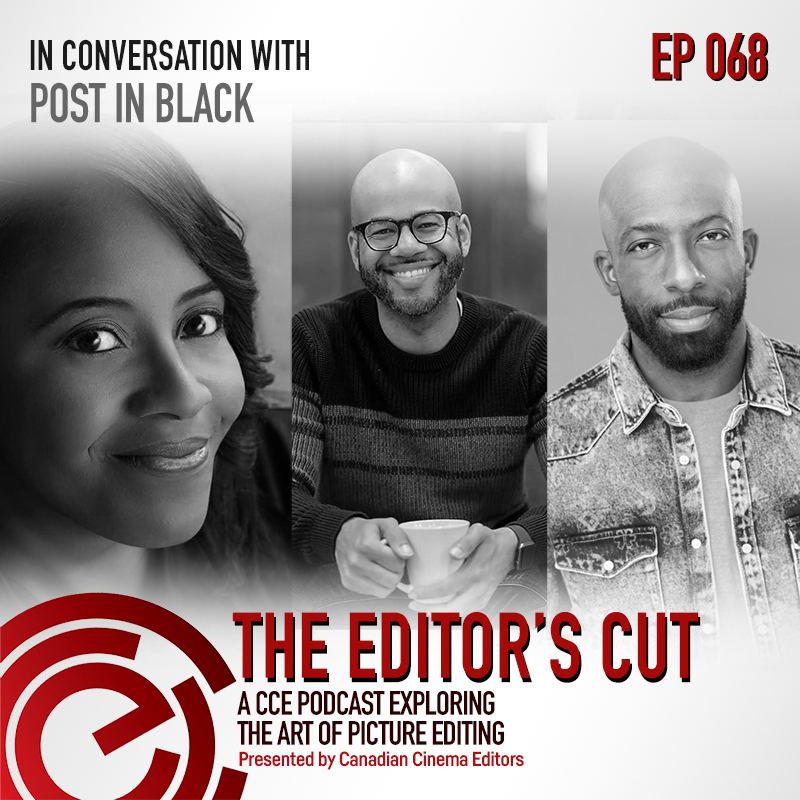
Episode 068: In Conversation with Post in Black

The Editors Cut - Episode 68 - In Conversation with Post in Black

Episode 068 - In Conversation with Post in Black

In today's episode, Sarah Taylor chats with the wonderful team behind the podcast Post in Black.

Daniel Hunter, David Hunter Jr. and Tatiana Johnson share the journey of how Post In Black started as a blog and is now in it’s 3rd podcast season showcasing post-production professionals in the black community. We talk about their hopes for the future of Post in Black and the industry at large.

The Editors Cut - Episode 68 - In Conversation with Post in Black

Daniel Hunter

At an early age Daniel Hunter developed a love for the arts growing up in the Washington D.C. Metro area. An alumnus of Berklee College of Music, Daniel went on to work for Paul Haslinger Productions, Danetracks, Gray Martin Studios, and Extreme Music (Sony/ATV). Daniel has worked with over eleven television networks in the post production realm and has cut his teeth into shows such as HBO’s Curb Your Enthusiasm, MTV’s Making His Band, Awkward, and FX’s The League. His passion for post production led him to establish Post In Black. He is a Co-Founder of Made For More Entertainment and currently works as a software engineer at Crossbeam.

The Editors Cut - Episode 68 - In Conversation with Post in Black

David Hunter Jr.

David Hunter Jr. is an actor, writer and producer born in Washington DC and raised in the surrounding Metro Area. He studied at Hampton University and has since performed at the DC Improv, studied at the Identity School of Acting (Los Angeles) and voiced numerous commercials and tv spots as a voice actor. He is the Co-Founder of Made For More Entertainment and is based in Los Angeles where he and his team are working continuously to produce projects that educate, entertain, inspire and impact the audiences they reach.
The Editors Cut - Episode 68 - In Conversation with Post in Black

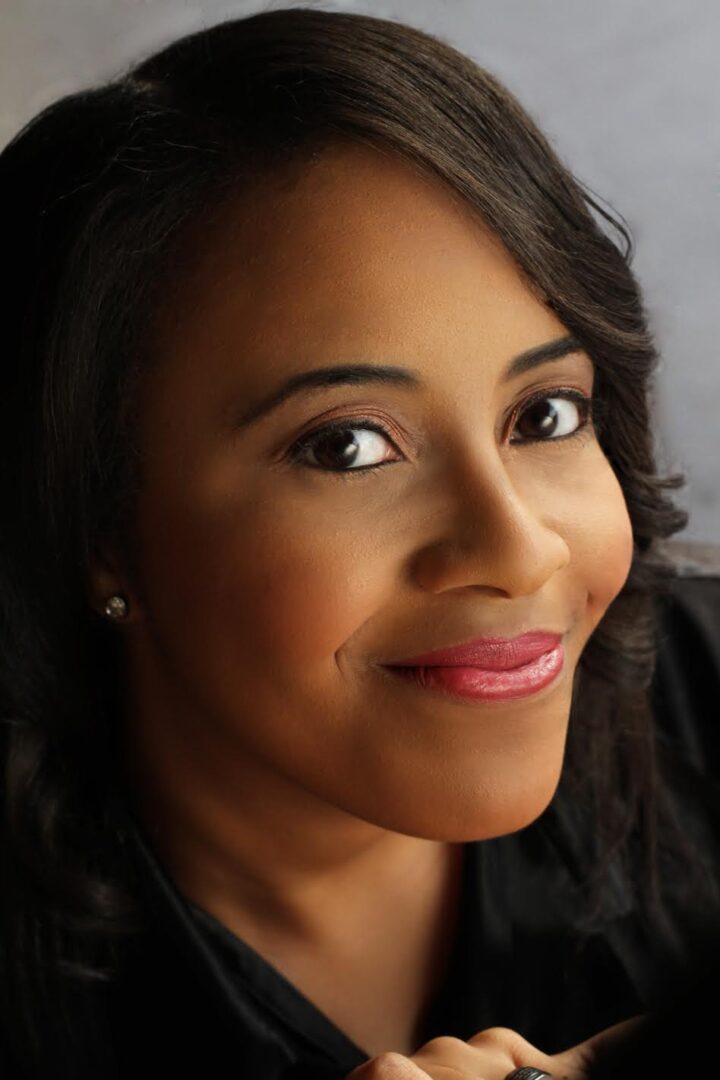
Tatiana M. Johnson

Hailing from Durham, NC, Tatiana M. Johnson is a producer and creative consultant with more than a decade of experience. She holds a B.A. in Broadcast Journalism and Business Management from Hampton University and has worked directly with companies including Leslie Lewis Consulting, WME Entertainment, Canady Foundation for the Arts, and Duke University. She has maneuvered throughout various industries but finds joy in partnering with creatives to bring their artistic visions to fruition. The mantra she carries with her is “There are two ways of spreading light: to be the candle or the mirror that reflects it”.

 
This episode was generously sponsored by Purple Dog Light Vault. 

Listen Here

The Editor’s Cut – Episode 068 – “Post in Black”

Sarah Taylor:
This episode was generously sponsored by PurpleDOG LightVAULT.
Tatiana Johnson:
I think it’s interesting the past two years with the pandemic in the bit of social unrest here in America, we have seen a lot more DEI initiatives, where doors have been opened. I think we’re just hoping that the opening of those doors are genuine and authentic and not just for show, but we want that to be in the long term, 10 years from now, 25 years from now. What does your set look like? What does your edit bay look like? It’s our hope that some of these moves that are being made by some studios and productions are genuine and live long.
LAND ACKNOWLEDGEMENT:
We would like to point out that the lands on which we have created this podcast and that many
of you may be listening to us from are part of ancestral territory. It is important for all of us to
deeply acknowledge that we are on ancestral territory that has long served as a place where
indigenous peoples have lived, met, and interacted. We honour, respect, and recognize these
nations that have never relinquished their rights or sovereign authority over the lands and waters
on which we stand today. We encourage you to reflect on the history of the land, the rich culture,
the many contributions, and the concerns that impact indigenous individuals and communities.
Land acknowledgements are the start to a deeper action.
Sarah Taylor:
Today I sit down with the wonderful team behind the podcast Post in Black, Daniel Hunter Jr., Daniel Hunter, David Hunter Jr., and Tatiana Johnson share the journey of how Post In Black started as a blog and is now in its third podcast season, showcasing post-production professionals in the Black community. We talk about their hopes for the future of Post in Black and the industry at large.
[show open]
Sarah Taylor:
Thank you so much for joining us on The Editor’s Cut today. I’m very excited to chat all things editing and post-production and podcasting. How fun is this? So welcome, Daniel, David, and Tatiana.
Tatiana Johnson:
Thanks for having us.
David Hunter:
Thank you for having.
Sarah Taylor:
I am going to steal a note from your playbook and we’re going to do a little icebreaker. So this icebreaker is, what show on Netflix or any streaming service did you binge watch embarrassingly fast? We’ll start with David.
David Hunter:
Ooh, I definitely binge watched House of Cards when it first came out. Daniel and I were born in DC and I saw that and then, obviously, there was a lot that happened with the show with a certain individual, but I remember when the character Frank turned to look at the camera and started talking directly to me, it felt like. I was like, “What is this? What going on?” and I just could not wait to watch another episode. When they paused in between seasons, Frank and his wife Robin Wright, such an amazing portrayal. I love that show and so I watched that ASAP. There was no waiting. Anytime a season dropped, I was on it.
Sarah Taylor:
And wasn’t that one of the first originals? I feel like that was one of the first original streamers.
David Hunter:
House of Cards is what made Netflix. I mean, it really popped. And then Orange is the New Black obviously was right along with it, but House of Cards really popped it and it turned everything on to where we see Netflix now.
Sarah Taylor:
Amazing. Okay, we’ll go with Tatiana.
Tatiana Johnson:
So yeah, recently for me, it was Ozark, the final season. I probably watched five episodes in the day, just took a Sunday and was just like, “I have to watch it. I have to know what happened.” So yeah, it was Ozark for me recently.
Sarah Taylor:
Love it. Daniel.
Daniel Hunter:
For me, I would say The Queen’s Gambit.
Sarah Taylor:
Oh, so good.
Daniel Hunter:
Yeah, I just flew through that. It was incredible.
Sarah Taylor:
Oh, I love it. Okay, now we’ll get to the real questions that I’ve already shared with you so we’re not testing you on the spot, but I’d love to learn a little bit about each of you, where you’re from, and how you ended up being part of the podcast team of Post In Black. Let’s give Daniel a go first because I feel like he might have been the catalyst, maybe.
Daniel Hunter:
Yeah. Yeah. I went to undergrad at Berklee College of Music and that’s where my introduction to post-production began. And it continued after college in LA, where I interned at a post-production facility called Danetracks, which was founded by a sound designer, Dane Davis, who worked on the Matrix trilogy, won Academy Award for the first one, actually got to hold his Oscar as an intern, which is amazing. Early on clearly saw a lack of diversity in the industry, and that was the inspiration and motivation for starting Post In Black. Originally it was just a blog and over time, it’s grown into a podcast, and just wanting to give folks in the industry of colour an opportunity to tell their stories and also to inform Black people who may not know of post-production and the opportunities that are there, that it’s a career path for them, too.
Sarah Taylor:
Yeah. Amazing. Okay, and Tatiana, and what’s your story?
Tatiana Johnson:
So yeah, I did my undergrad at Hampton University in Virginia, where I met Dave. After I graduated, I moved straight out to LA and David reached out to me and said, “Hey, my brother’s out there,” so I got a chance to meet Daniel while I was out there and I think probably a couple months after that or maybe the next year, Dave moved out. And he’s such a people person so he connected us all to a bunch of other Hamptonians that were out there. And I think at one point, there was 10 of us living in the same complex. We were all creatives, filmmakers, directors, editors, kinda working in the field, so we were able to collaborate and work on each other’s projects and really encourage each other during that time.
And while I was out there, my 9 to 5 was working at a talent agency. So I was working in the music department doing music bookings and tourings for various artists all over the country, so that was really exciting for me, but on the side also doing a little bit of talent management and a little producing, so had my hands in a bunch of stuff. That was an exciting time, I think, for all of us as collaborators out there and decided to move back to North Carolina and got married and decided to take a “stable job,” that took me out of the industry a little bit. But unfortunately or fortunately for me, I went through a divorce and after that, just really seeking more creative things to pour into my soul. And then Dave pitched Made For More to me and Daniel around that time and the concept of building this company that would create content that outlived us and doing content that was more purposeful, so I was really excited about that and the opportunity to breathe new life into Post In Black, which originated as a blog. So just really excited in what we’ve been able to do in just two and a half years, some of the strides that we’ve been able to do, and also the things that are on the horizon for us, so excited about the journey.
Sarah Taylor:
Amazing. And David, the voice and the face of Post In Black podcast.
David Hunter:
Yeah. Now Daniel and Tati are so chill, so humble, but they’re real. I’m using slang when I say that they’re real hitters and what I mean by that is they are the ones, Tatiana is the one that makes Post In Black go. So Daniel started it and founded it, but none of this happens without Tati. Tati runs all the stuff behind the scenes, coordinates getting all the interviews scheduled, gets Daniel and I on track for what we need to follow up on, make sure we’re responding to emails, sending us voice notes, so I’m going to give Tatiana a little bit more credit. And she said a little entertainment industry, like a little market? She worked for WME, so that’s one of the top five out here. And Daniel worked at Sony, so I’m not going to let them downplay themselves. They are some real, real talented people.
But Daniel and I were born in Washington DC and we grew up in the suburbs in Northern Virginia and we lived in Maryland as well. I moved to LA after going to Hampton and I was working in DC doing improv shows, all of that, but I wanted to pursue acting, primarily in LA. When I got here, I was really focused on doing that and Daniel was so diligent. We were living together, but he was working in post and doing things and he was telling me, he is like, “Man, there’s nobody like me. I’m 21, 22 and I don’t see anybody like me,” so he just started emailing people and I didn’t know what he was doing, but he was like, “I’m going to Warner Brothers.” And I was like, “What?” He was like, “Yeah.” And we used to collect the passes that he used to keep from going on set, but I didn’t know he was meeting Terilyn Shropshire, he was working with Dane Davis.
I didn’t know all these things were happening until I started going with him to some of these lots. And then he started making this blog, talking about he wanted to interview people in post. So again, I’m primarily focused on acting and I’m doing all these things, but I’m going with him. Skipping ahead, Daniel helped me out so much because I got sick, really sick, and almost lost my life a little bit. I was really down. It was a really bad experience and then Daniel ended up moving when I was getting my health back. Now during that time I really thought about, “Man, my brother was doing all this stuff with Post In Black,” and I wasn’t really focused on that. I was focused on trying to get my career going, but what’s this about? And I looked at some of the names of the people that he had already interviewed in the blog and I said, “No, man, we got to restart this.”
So Made For More, our production company, came out of me being sick and almost losing my life to say, “I’m made for more than just being an actor,” because you don’t know how long you have to live. So while you’re here, let’s make every day count. So every day may not be perfect, but every day is a blessing. And so Post In Black, I said, “Let’s relaunch it and let’s relaunch it maybe as a podcast.” So Daniel, he did all that work initially by himself and his words to me were like, “Well, fine, if you want to do it. I’m not going to do it by myself.”
So we got Tati on and we talked for maybe about four or five months before we actually did anything, but we started interviewing people in February, 2019 or 2018, I believe. It’s really taken off since then and it’s been a lot of fun. And I think that’s the joy, that’s the goal for a lot of people. You want to work in entertainment, you want to work and do what you love, you want to have fun, and you want to do it with people that you love, and so I think I’ve been blessed that Daniel started this and now to see where we are now, we’re getting to meet so many great people like yourself, so that’s the gist. I’ve been in LA now 15 years and I look forward to another great 15 years from now, too.
Sarah Taylor:
I love that you also, as brothers, came together, you have a team of people that you can rely on, and what you’re creating is amazing. I love it. It’s so great. And I think our listeners of The Editor’s Cut totally obviously overlap with Post In Black. We often have some of the same guests too, so it’s just exciting to have people spread the word about post-production because we’re often left behind the screen. But more so, I think we need more diversity behind the screen and in the edit suite. We’re telling stories about all the people. We need to have all different people in the seat that’s helping shape the story, makes the most sense. Like, hello!
Daniel Hunter:
Right.
Sarah Taylor:
I’m curious, what have you learned through this process of producing and creating Post In Black?
Daniel Hunter:
I would say the biggest takeaway has been just noticing that people don’t know each other, is eye-opening and enlightening. The fact that we’re interviewing folks and after the interview, we’re just talking about just life in general and they’re like, “Oh, I didn’t know so and so,” or “I had heard about that person but never met them.” And it’s exciting because I feel like we’re, in a way, bringing a lot of people together, not formally, but it’s nice to be able to see people learn about their colleagues because it’s hard. You’re in an edit bay, what, 40, 50 hours a week for weeks at a time. And then when you get a break, you’re just trying to probably spend time with your friends and family, catch your breath, and then you’re back at it again and so it’s hard to get to know other people, so that was surprising and enlightening.
Sarah Taylor:
You’ll have to do a Post In Black wrap up season party and all the guests can join in and they can all meet each other. That’d be so fun.
Daniel Hunter:
Exactly. Yeah.
David Hunter:
That’s actually in the works. Yeah.
Sarah Taylor:
Yeah. Nice.
David Hunter:
I would say one of the things I think that’s been difficult sometimes is just you’re doing the work but staying encouraged yourself because sometimes it feels like you’re doing a lot, but you don’t know if everybody’s watching or if people are really… you know. You just don’t know what the impact you’re making is because it’s not always visible. People watch it all the time, but they may not comment. They may not say anything. They may not say, “Oh I’m listening to Spotify.” You may not know how many people are sharing it. There’s another one and it was a slip of the tongue sometimes when people talk about it, but we’re Post In Black, but there’s something else called Black In Post and it’s not anything against anybody, but you do the work and, “Oh, man, I’m meeting you guys. Man, it’s so great to meet Black In Post.” And we’re like, “No, we’re Post In Black.” Not to be defeated or competing with anybody because we want to get the word out, that’s the goal, but I think sometimes you’re just like, “Is what we’re doing being received? Is it really making the impact that we think we’re making? Is the work that we’re doing actually going to pay off in a way where it’s what we dreamed of, what we hoped for?” so I think you just got to keep running towards a goal that you can’t necessarily see, but you know it’s there.
Sarah Taylor:
Yeah, totally. Yeah.
Tatiana Johnson:
Yeah, I agree. I’m so inspired by these stories that I’m hearing, also, when we do get into those realms of being defeated because Daniel and I still have full-time jobs, we’re producing on the side, but hearing how these very successful editors and sound engineers have pivoted midway through their careers and it’s just like, “Hey, some of my skills are transferable and this is something that I love.” Being outside of the typical cities where this is supposed to happen, hearing the stories about people that have come from the South or the Midwest and decide to make a career change into this industry is very inspiring and it’s why we do what we do because some kid in rural America could watch an episode of Post In Black and is like, “Oh, I didn’t think I could do that. I thought I could just be an actor or director. I can work in all these other fields and still be involved in entertainment,” so that’s what drives me and inspires me as I’ve been producing the shows.
Sarah Taylor:
Yeah, yeah. I find that’s the biggest thing, talking to young kids in high school. I’ve been fortunate enough to do some mentoring with this program called Girls in Film and Television. So for me, really trying to uplift young women to join the industry and to join post and they’ve no idea that there’s so many different positions that we could be in and not really understanding what editing is until I drop a few clips down on the timeline and they’re like, “What? You can do that?” And so exposing young people and people who just don’t realise that there’s options in this world, in this field, and we’re here. I’m like, “I’m here. I’m ready. Let’s do this. I want to bring you up,” so it’s exciting to have people like the three of you helping lift groups of people.
Tatiana Johnson:
And also the post community that we’ve interviewed, they’re so welcoming. It’s like, “Oh, yeah. Just email us. Hit us up. We’ll be welcome to talk to you.”
Daniel Hunter:
That makes it easier to do this work, is how welcoming and open people in the community are to speaking with us and to doing these interviews. We couldn’t do it without them and they’re very gracious with their time and it’s amazing.
Sarah Taylor:
Have you, over the years, because it’s been years of doing this, has there been an important skill that it seems like everyone has that are in this industry of post-production? What is the one thing that’s come up a lot that you’ve seen over the years?
David Hunter:
I would say outside of the technical skills of editing or working, colouring, all that, it’s being self starting, being a self starter. A lot of our team, the people that we interview, are freelance. They work on these shows, but then when the show’s over, then you got to get your next one. And you know, as quiet as some of them may seem, you can’t be that quiet and actually still work. You actually have to speak up. You actually have to reach out to people. You actually have to know how to talk, and so I think that’s the biggest thing in the industry, being able to be your own cheerleader in a way to like, “Hey, I need a job,” because they say closed mouths don’t get fed. I think that’s one of the biggest things I’ve seen, in terms of networking, connecting, reaching out, asking. They’re not afraid to ask questions. They’re not afraid to say, “Hey, I don’t know how to do this. Hey, what do you guys think?” Being confident enough to put yourself out there, I think, that’s one of the biggest keys that I’ve seen, just in terms of interviewing people and talking to them.
Sarah Taylor:
Yeah. Totally.
Tatiana Johnson:
Yeah, perseverance is a big one. We had the interview with a sound designer who told us point blank. He was in a break room and one of his coworkers was like, “Oh, you’ll never get promoted because you don’t fit the mold.” It’s not that you’re not talented, but just the way you look. So the fact that he didn’t just say, “Okay, well, forget this. I’m going to do something else.” He was like, “No, I’m going to get promoted. And matter of fact, I’m going to make my own company.” And this guy has a slew of credits now. Shout out to Ken Johnson, just his tenacity and his posture to not be shot down in that moment, because it’s so easy to come into these rooms and not see people like you to turn right around and walk out the room, so you got to have some tenacity in you.
Sarah Taylor:
Yeah, totally. I felt that too, as a woman in the industry. That fire is lit in you sometimes and you just keep going. I’m going to do it to spite you!
Daniel Hunter:
Exactly.
Sarah Taylor:
Well, since you’ve been doing this for a while, have you noticed the industry shifting or changing since you’ve started?
Daniel Hunter:
I have. So I’ve seen more and more producers and creators supporting the post-production teams that are helping build and craft these powerful stories. And I’m not going to attribute that to us or any podcasts or any specific group, but I do see that improving and I think the more podcasts, the more exposure that these incredible artists, in my opinion, get, the better it’ll get and more recognition and the more exposure to communities that need to know this exists, which is the ultimate goal for us, since we want people who have no idea post-production exists or what it is to learn about it. I think when you start seeing A-list actors and “celebrities” talking about post-production, I think that’s when we’ll maybe reach a tipping point, where it’s like, “Oh, man. This is what we’ve been dreaming of all this time,” is for it to be on the same level as everything else and it should be.
Sarah Taylor:
I remember one year there was an actress that thanked the editor. I was like, “Yes”.
Daniel Hunter:
Right. Yeah.
Sarah Taylor:
Because we do make a difference, what happens when they’re on screen.
Daniel Hunter:
It’s so rare.
Sarah Taylor:
Yeah, it’s very rare. Yeah.
David Hunter:
I would definitely say I’ve seen a change in the industry, too. And I think one of the things that’s pretty cool, again, I say this a lot on the podcast, but I came into the industry and I still am primarily an actor in front of the camera, do a lot of voiceovers, but a lot of my friends, they’re all actors and they’re like, “Hey, what’s this Post In Black? What are you doing?” And I talk to them about it and they’re like, “Oh, that’s cool.” And I think bringing awareness, because sometimes regardless of race or whatever, I think you don’t do things or you don’t try things out of fear. And then as you get older, you don’t want to look silly, you don’t want to look stupid. You don’t try because you might fail.
And I’m the opposite. Daniel and Tati will tell you. Sometimes people will see somebody and they’re like, “Man, I haven’t talked to them in a year, I can’t reach out.” And I’m like, “I ain’t talked to them a year, I got to hit them,” and that’s just how my mind goes. And so I really don’t think about, “Well, if they don’t reach back, whatever,” but that’s not how a lot of people work in terms of this. So trying post, a lot of people may want to try it and may want to give it a go, “But I don’t even know where to start. And then once I start, what if I’m not good right away? What if I ask a question that looks silly or what if I don’t how to format things or what if it takes me longer?” It doesn’t matter. Just start where you are and you can try. And then that first day we leave it to your next day and next thing you know, it’s two weeks and three weeks, but I think we got to just get the conversation going, get people started, and lose that sense of fearing what could happen in a negative light and thinking of the possibilities that could happen in the positive way. It’s definitely sparked more conversation.
Sarah Taylor:
Well, and by highlighting the people that you do, I feel like as an editor you’re always learning. There’s always something new to learn, so we’re always unknown in what we’re doing. We’re just collecting more skills as we go and so that’s how it’s always going to work. So to have the ability or the want to learn and keep growing, it’ll be great.
Tatiana Johnson:
Because I’m not directly in the edit bay, I admire all of you that are, but I think it’s interesting the past two years with the pandemic, in the bit of social unrest here in America, we have seen a lot more DEI initiatives, where doors have been opened. And I think we’re just hoping that the opening of those doors are genuine and authentic and not just for show. I think a lot of people are jumping on the bandwagon just to say, “Hey, yeah. We support women. We support people of colour. Yeah,” but we want that to be in the long term, 10 years from now, 25 years from now. What does your set look like? What does your edit bay look like? And there’s nobody that I know that are going to these sets and going to these editing rooms just to make sure it’s like, “Oh, how many women do you have? How many people of colour do you have?” Nobody’s really checking, so I think it’s our hope that some of these moves that are being made by some studios and productions are genuine and live long and not just a brief six-month initiative for one particular project. There’s other projects that need to be staffed other than Black Panther, and I’m just putting that out because the trailer just dropped.
But one of our guests was saying they don’t want to be pigeonholed as the BET guy, you can only do Black films. And it’s like, “No, I can cut some action films.” I love seeing Terilyn Shropshire and it’s the action films that she’s able to do now. That’s amazing to me so I just hope that there’s more mentorships, more opportunities for women and people of colour as well, as we move forward.
Sarah Taylor:
Well, and you’re creating a database. People can’t say, “Oh, I just don’t know where they are.” It’s like, “Well, no. They’re right here. Here they are.”
David Hunter:
Right. Sometimes, and I’m just being real, if I could speak candidly. Sometimes when you’re Black, you feel like when you bring up race, you don’t want to bring it up because then people are always going to be like, “Oh, you’re always bringing up race,” but you’re just trying to make a point. And the point of the matter is, for a lot of the editors or people that are working behind the scenes when they work on a Black show, what has a predominantly Black cast, and usually that means more than two Black leads. You know what I mean? Oh, that’s a Black show. Then it’s like, “Oh, that’s what they cut,” versus somebody else who’s just an editor and they work on The Queen’s Gambit and it’s like, “Oh, they do that.” You know what I mean? I think there’s certain people like Terilyn, who have crossed over where she’s just considered an editor, but you got other talented people who are working and they’re cutting a lot of things that are really great, they have that unique style to do that, but they can cut other … It’s dialogue. It’s storytelling.
There’s a lot of stuff that’s on TV now that’s very diverse. I’m saying back in the day, I sound like I’m old, where TGIF, all these shows, we grew up watching predominantly shows that sometimes didn’t have Black people on them. We weren’t thinking as a little kid, “Oh, it’s like this.” It was storytelling, it was captivating. And I think when you just put an editor in that room, give them a chance, give them a shot, that’s all you’re asking for. You’re asking to be considered equal and not considered a quota because we’re not stupid. We know when you’re filling a data sheet, we know when you’re filling or checking a box and I don’t want a job that I feel like you’re just checking a box on. That’s not fun. That doesn’t qualify me. That doesn’t reward what I’ve been doing. And I think nobody wants to feel like that. I think that’s just what we’re trying to highlight and showcase. It’s not trying to take anybody else’s jobs. It’s not trying to move people out the room. It’s just saying, “Hey, give a chance, give a shot, give an opportunity.” I really think that’s the gist of it.
Sarah Taylor:
Yeah, there’s more than enough pie to eat, as they say.
David Hunter:
Yeah.
Daniel Hunter:
Yeah.
Tatiana Johnson:
Hell, yeah.
Sarah Taylor:
Obviously, I’m white, as people know but I was always identified as the female editor. There could only be one of me in the room. When I first came up in the industry, which is very rare, there was a team of 10 of us in the studio I worked at, but I was the only woman. And then if another woman came in, I was like, “Mmmmm!” I’m the only one, right? I had to shift internally as well. “Oh, wait. No.” And now I’m like, “Everybody, come on. Let’s go. Let’s create stuff,” but it takes a shift on all parts to-
Daniel Hunter:
Yeah.
David Hunter:
Right, a hundred percent.
Sarah Taylor:
… to be not threatened because society is telling us, “Nope, just room for one. We’ve made that check.”
Daniel Hunter:
That’s a great point. Yeah.
David Hunter:
That’s fine.
Sarah Taylor:
Anyway, so let’s talk some hopeful, future stuff. What is your hope for the future of Post In Black?
Daniel Hunter:
I think the vision is to do more things centred around community. COVID happened and that made things difficult, but we definitely want to do more in-real-life events at film festivals. We’d love to do tours of panels at historically Black colleges and universities in the US. We want to go to where the people are. It’s great to do things virtually and we have the podcast and we’re creating all this content online, but there’s something special about being in person in a room with someone who looks like you talking about something you don’t know about, but are curious about. You’re like, “I don’t know what post-production is, but I know it’s related to filmmaking and this person worked on Insecure and I loved Insecure, so let me go and check it out.” But doing that in someone’s neighbourhood is a whole nother level, versus creating a podcast. The podcast is our foundation, it’s great, but taking the next step and going to where people actually live, who we’re trying to reach, I think, is a bright future for Post In Black and will help us achieve our ultimate goal of getting more people into the industry.
Tatiana Johnson:
And I think in addition to that community piece, a lot of the barriers to entry is financial. So being able to partner with companies and get sponsorships so that we can offer scholarships to students who might be interested in, if not going to film school, taking an editing course, because they’re doing this anyway on TikTok. You already have the basics. Let’s teach you the system. And just being able to financially assist different communities who might need that support as well, I think, is another goal of ours.
David Hunter:
No, I would agree with both of those points, just continued exposure. I think we’ve just touched the tip of the iceberg with what we’re doing. And like you said, money definitely helps and not for anybody to get rich, but Daniel and Tatiana are both working other jobs and I’m in the industry and I think we’ve come as far as we can come doing it this way. I think some changes do need to be made so that we can all work together full time in this thing and that happens with partnerships, that happens with grants, that happens with investors. That’s what we’re at the next phase of right now, looking towards that, just to help facilitate more forward movement with Post In Black and the exposure and connecting us to audiences that are still out there that don’t even know about us.
Sarah Taylor:
So exciting. Well, what is your hope for the future of post industry in general?
Tatiana Johnson:
That’s a big question.
Daniel Hunter:
Yeah, I think I’d love to see supervising, sound editors, sound designers, mixers, getting more, I’m not sure what the right wording is, but better credits in the films instead of you wait until when the film is over and you see the long scroll of all the people that worked on the film. It’s this little small line, their name, because their impact on projects is so great, as great as the producers and the editor and the composer. I would love to see that eventually.
You’ll notice in animated films, like Pixar films, they do that. Skywalker Sound is one of the premier post-production sound facilities, probably the premier, I would say. I don’t think many people would argue with that. And if you look at all other films, the sound designers get single frame credit. I think one of the best examples of this was Ben Burtt on the film WALL-E, because he actually was the voice of WALL-E. If remember correctly, I think he had to join SAG because he was basically an actor now. But he was the film, as a sound designer and WALL-E was incredible, won a ton of awards. So if Ben Burtt can get credit for WALL-E and him getting that credit didn’t hurt the film, it’s like, “Oh, why did we take up one second to give the sound designer a frame?”
Sarah Taylor:
It failed. Come on.
Daniel Hunter:
Yeah, it’s insane, so I’d love to see that.
Sarah Taylor:
What a good point because I have a sound designer I work with on almost everything. He’s the guy that I go to and I get the sound back and I put it to my picture and I don’t know. There’s something special about watching that with that fresh sound and… oh, changes everything. It’s amazing. It makes the show, right? And you add colour on top, but those things make the show. If you watched the picture lock with no colour and unmixed sound, you’d be like, “What crap is this? It’s horrible.”
Daniel Hunter:
Yeah.
David Hunter:
Yeah.
Tatiana Johnson:
Yeah. No, I agree with that. I think there needs to be more acknowledgement of the post community. And credits for sure, but some of these awards shows can stand to take a couple minutes to acknowledge your sound editors, your music supervisors. They give credit to the editors, but the “little guys” that actually make it happen and whether that’s a segment the day before, where they have a full-on, “Okay, this is our post award ceremony,” and just so that kid or somebody who’s looking to pursue a career in this, they’re like, “Well, I do all this work. First of all, I’m not getting paid a lot, but what other recognition do I get besides the small prints at the end of the movie?” It’s like, “Oh, well you could be up for this award or this award or whatever,” and actually having some competition as you’re working, too, so just having that acknowledgement, I think, will be important, moving forward.
Sarah Taylor:
Totally. Yeah.
David Hunter:
I guess just to sum it up, I agree with all of that. I think it’s really important, and again, I speak from actor’s standpoint, again. A lot of people want to be actors nowadays, and I don’t know, I can’t read everybody’s mind, but sometimes they want to be famous. You know what I mean? I remember going to the movies and wanting to be an actor because of the way the movies make me feel. And I was like, “I want to make people feel like that.” And so I could care less about the fame. You’re going to be noticed just because of what you do, because of that, but I think if we took more time at the award shows or these places to highlight how important it is for these positions…
I remember specifically, and I forget the name of the studio, but it was a studio down in Santa Monica with Daniel and Tom Hanks had a studio right next to it. And I remember we were in there and Daniel and the team, they were in there cutting or doing some ADR on a film for the Wayans Brothers. And I was watching it and I was like, “Yo, this is crazy,” because there were some issues with the dialogue and so the editors, the sound mixers, they were in there actually doing the ADR themselves. And they were like, “Yo, you’re a actor. You want to say something?” And they actually let me just get on there and obviously they had to do it themselves, but they just let me see what it was like to dub and do that. And I’m like, “Wow, the actors are important but the team behind them are the ones that make the actors look great,” and so it really made it clear to me how important their job is.
And so I know the actors, and I’m speaking as one, we get the credit for it, but if we really highlight how important the team is behind the scenes, really bring more exposure to that and not just oh, cast away, because I’m telling you, no film gets done. All the stuff you film on set is important, the camera, all that, but everything that happens after the fact, that’s the magic of putting it together. I didn’t even know when I was young growing up that movies are filmed out of sync. I’m reading the whole script and then they’re telling me I got to cry from the beginning of the first day. I’m like, “No, that’s at the end.”
Sarah Taylor:
“I’m not prepared yet!”
David Hunter:
They’re like, “No, but the lighting is here. We’re going to film at the house this day.” And I was like, “What are you talking about?” And so being able to take the first day and make it the last day and put that together, that’s the team behind. So I really didn’t, just more exposure and really making it clear what these jobs are, because again, it’s out of sight out of mind. If you don’t know, you’re just like, “Oh, okay.” But if you make it clear what it is they’re doing, it becomes cool, so that’s what it is.
I think even for directing, I said this before, I think when Ava DuVernay jumped out there, I think where she really made directing cool for women and Black women or women in general and for Black women just in the last few years because before, I think it was still primarily in acting, but then everybody’s like, “Oh, Ava. Yeah, we like Ava,” and so that opened the door for a lot of other women directors of colour, too. All it takes is one and then we can keep going.
Sarah Taylor:
Totally. Yeah. Well, leads to my next question of how can other post professionals in the industry help make some of these changes? What can we do to open the doors?
Tatiana Johnson:
Yeah, I was thinking about that question so I was looking at … Well, I was listening to one of your interviews with, was it Elísabet [Ronaldsdóttir]?
Sarah Taylor:
Yes.
Tatiana Johnson:
I thought it was amazing what she said. She’s like, “Basically, we all enter the edit suites with our own bias and with our own prejudices so you got to check yourself once you get in there.” It’s like, “Okay, why am I making this cut? Is there anything inside of me that’s causing me to cut this way or whatever?” I thought that was really interesting that she brought up that point. So I think for any allies or accomplices that want to help more women and people of colour enter, just checking your own bias. Of course, we’re never going to get it all right. Even with me, myself as a Black woman in America, you think I’m the bottom of the totem pole, but I’m also able-bodied and I’m of the hearing community so I don’t need those types of hospitalities afforded to me, but also being cognizant that other people might need those things. So I think in that, if we could all just check ourselves, as we walk forward and just as we’re walking through doors, leave the door open. Just don’t just slam it like, “Okay, there’s only one Black woman allowed.” No, bring us all. Like you were saying earlier, there’s pie enough for all. Who doesn’t like pie?
Sarah Taylor:
Everybody loves pie.
Tatiana Johnson:
Everybody loves pie! Yeah, just leaving the doors open for others and stretching yourself a little bit. I know there’s probably speakers that go to USCs and the NYUs. Expand your reach. Go to a historically Black college and go to a community college. There’s people there that would love to be exposed to these types of industries and have the talent for it, too. It’s just they don’t know about it, so just expanding ourselves.
Sarah Taylor:
As Dave puts his hand up, money, we need money.
David Hunter:
I was also going to say, sometimes the people that go to community college, maybe it’s not that they don’t want to know, but they didn’t have the resources to go to a bigger school, so they go there, but that doesn’t mean that you can’t go to them. That’s great. Great point. Tati, you answered that well. I don’t know how-
Sarah Taylor:
You nailed it.
David Hunter:
Anything I say would take away from it.
Daniel Hunter:
I know.
Sarah Taylor:
Just a little story I want to share. I’m working on a show coming up. As a crew and as a team, we had to take accessibility training, which is great. I’d never been offered that. And I feel like this thing or diversity inclusion training, I feel like we should all be taking those courses, just so that we can even acknowledge the biases that we have that we don’t even know it’s a bias yet because we haven’t been shown the other side. So even in this accessibility training, they have an accessibility coordinator on the show, and so the point of that is to go out and ask, “What do you need as a person to do the best work you can do?” and so that was something that twigged in my brain.
I’ve never thought about that for my world. What do I need in order to do the best I can do? And so in this same situation, it came up with, in the editing world, we have many platforms to edit on. So there was this, “Oh. Well, this person only uses Avid and this person only uses Adobe.” So I was like, “Well, how can we figure out a way that we can all use what is the best for us so we can do the best work?” That wouldn’t have been something I would’ve even dared to bring up years ago. I’d been like, “Oh, we’ll just do Avid. It’s fine. Everything’s fine.” But I was like, “No, it’s not fine. That’s closing the door. That’s not fair,” so I decided I was going to speak up and I did it, and then it worked out. We’re just going to make it work. We have to allow ourselves to have those tough questions or conversations, of how about we try doing it a different way because this way isn’t always going to … It’s not always working. It’s not always the best way.
Tatiana Johnson:
And a lot of people see it as them being called out in … I heard this phrase recently of calling people in, so it’s not like, “Oh, you’re wrong. You’re doing X, Y, Z.” It’s like, “No, I just want to show you a new way that you could possibly do this. Come in. Let’s have a conversation.
Sarah Taylor:
Yeah, let’s try this. Everybody can feel comfortable. How can we make everybody feel comfortable?
Tatiana Johnson:
That’s what we need. Advocacy.
Sarah Taylor:
Advocacy, yes. If you’re in a state, a position where you’ve been in the industry for a while, you have a reputation, use your voice where it matters and make a shift or at least let people think about something in a different way. Maybe they’ll shut you down, but at least you’ve used your voice to try to push something in a different direction. Anyway, that’s my little tidbit.
Daniel Hunter:
I like it.
Sarah Taylor:
Are there any episodes that you’re particularly happy about or loved and want our listeners to check out?
Tatiana Johnson:
All of them.
Sarah Taylor:
I had a feeling that might be the answer. We can’t just name one.
Daniel Hunter:
I mean, I guess the last one, to be honest. I would say watch them all, but Madonna Wade-Reed, music supervisor. And if there’s one other episode, it’s probably be the first one with Adam Lingo from National Geographic.
Sarah Taylor:
Oh, I liked that one.
Daniel Hunter:
Which was actually at Nat Geo in DC, so that was fun to be in person there. But yeah, watch them all.
Sarah Taylor:
That’s what I really love about what you’re all doing, is you highlighted a world where we don’t hear much about. We don’t hear much about how National Geographic shows are made, right?
Daniel Hunter:
Yeah, exactly.
Sarah Taylor:
That’s not something that we talk about. It’s so cool as an editor to learn about, Oh, that’s neat, how that works and how he got in. Anyway, I thought that was a great episode.
Tatiana Johnson:
Yeah, I’ll piggy back on that with Madonna’s episode. She’s also a fellow Canadian, so she talks about how she made her transition to Hollywood, so that was interesting, going international that way. But yeah, I’m going to stick with all of them because they all have so many different gems and their backgrounds and where they came from and how they’ve manoeuvred throughout the industry. So I’ll just stick with that.
David Hunter:
I talked to everybody and I really think I’ve been blessed to be able to have these conversations with so many different people. I would say everyone stands out differently, but we talked to Darryl Jefferson and hearing about his schedule for the Olympics and then like Daniel said, going to Nat Geo, that was really special. Being a kid, even though we were born in the city and we grew up outside in the suburbs a little bit, but DC is really special. And so to be able to do that as an adult, to be in the building and do that and your hometown, that was really cool. That really meant a lot. Talking to a legend like Terilyn, and obviously, Daniel knows her very well, so she responds to Daniel’s emails like, “What do you need? Anything you want,” but just being able to talk to her was really special because you understand who she is and what she does.
I just went to a screening and they show clips of The Woman King and Gina Prince was just talking about, “Oh, my editor, Terilyn,” and I was like, “Man, I know her.” You know what I mean? And it was a room full of people, but I felt really special. I’m like, “Man, that’s a privilege I get to talk to her.” And then I do crack jokes about how Daysha Broadway and that episode, I just had so much fun with her energy and talking about her experiences. She’s just a great person. So Stephanie … When you start naming names, you get in trouble, but I think there’s something from each one. And what excites me is that, again, it’s just the tip of the iceberg. We’re going to look at this years from now and be like, “Man, look at all these amazing people that we got to talk to and had these unique relationships with throughout the years.”
Tatiana Johnson:
And I’d like to credit that also, too. Of course, we’re a great team, but our team of editors behind the scenes, Precious and Andrea, that are based here in North Carolina, have to put that out there, Southern girls, but Black women, brown women just doing it for us and making these episodes really pop from season to season. So you’ll see the trends, the transformation from season one to now and the certain elements that they’ve been able to bring to each episode have been really awesome, so shout out to Precious and Andrea for making us look good.
Sarah Taylor:
Yeah. Shout out to the editors. I love it.
David Hunter:
Shout out to them.
Sarah Taylor:
Is there anything exciting coming up that you want to share with us?
David Hunter:
We’re going to be doing a panel at the Guild of Music Supervisors here in LA in October and so that’s going to be a really fun event. And we have some pretty cool guests. Can’t announce some just yet, because we’re still solidifying everything, but it’s going to be in person. It’s their first one since the pandemic, so we’re excited. And that’s just another testament to the reach that Post In Black has, that people are reaching out to us now to ask us to do these really cool events and opportunities. And then like I said, there is talks about having an in-person Post In Black event for our past guests of all the seasons, so to have them all be in person and meet will be very cool. And I think they’ll be good and it could be the start of something that we do annually.
Sarah Taylor:
I just want to come and be the fly on the wall.
David Hunter:
Come on, come on.
Tatiana Johnson:
Come on.
David Hunter:
Come on. We got to bring Sarah. We could bring you in.
Sarah Taylor:
Amazing. Amazing. Well, I hope one day y’all can come to Canada for our edit conference and do a panel. I think that would be so fun.
Tatiana Johnson:
We would love that.
Sarah Taylor:
See what we can do. It’ll be cold in winter, though. I don’t know. You’ll have to bring a winter coat.
David Hunter:
We’ll be there. I’ll get a parka or something.
Sarah Taylor:
Awesome. I love it. I love it. Well, thank you so much for taking the time to sit with me to chat, all. Thanks, Post In Black. I love what you’re doing. I think it’s so important and I will continue to cheer you on and I hope all of our listeners tune in as well, so thank you so much.
Daniel Hunter:
Thank you for having us, Sarah.
Tatiana Johnson:
Thank you.
David Hunter:
Thank you for having us, Sarah. Appreciate it.
Sarah Taylor:
Thanks so much for joining us today and a big thanks goes out to Daniel, David, and Tatiana for taking the time to sit with me. Special thanks goes to Jane MacRae and Alison Dowler. The main title sound design was created by Jane Tattersall. ADR recording by Andrea Rusch. Original music by Chad Blain and Soundstripe. This episode was mixed and mastered by Tony Bao.
The CCE has been supporting Indspire – an organization that provides funding and scholarships to Indigenous post secondary students. We have a permanent portal on our website at cceditors.ca or you can donate directly at indspire.ca. The CCE is taking steps to build a more equitable ecosystem within our industry and we encourage our members to participate in any way they can.
If you’ve enjoyed this podcast, please rate and review us on Apple Podcasts and tell your friends to tune in. ‘Til next time I’m your host Sarah Taylor.

[Outro]
The CCE is a non-profit organization with the goal of bettering the art and science of picture
editing. If you wish to become a CCE member please visit our website www.cceditors.ca. Join
our great community of Canadian editors for more related info.

Subscribe Wherever You Get Your Podcasts

What do you want to hear on The Editors Cut?

Please send along any topics you would like us to cover or editors you would love to hear from:

Credits

A special thanks goes to

Jane MacRae

Alison Dowler

Chen Sing Yap

Hosted and Produced by

Sarah Taylor

Main Title Sound Design by

Jane Tattersall

ADR Recording by

Andrea Rusch

Mixed and Mastered by

Tony Bao

Original Music by

Chad Blain

Soundstripe

Sponsored by

Purple Dog Light Vault

Categories
Past Events

Offline Events Across Canada: Winnipeg

Offline Events Across Canada: Winnipeg
September 25, 2022

This event took place on September 25, 2022.

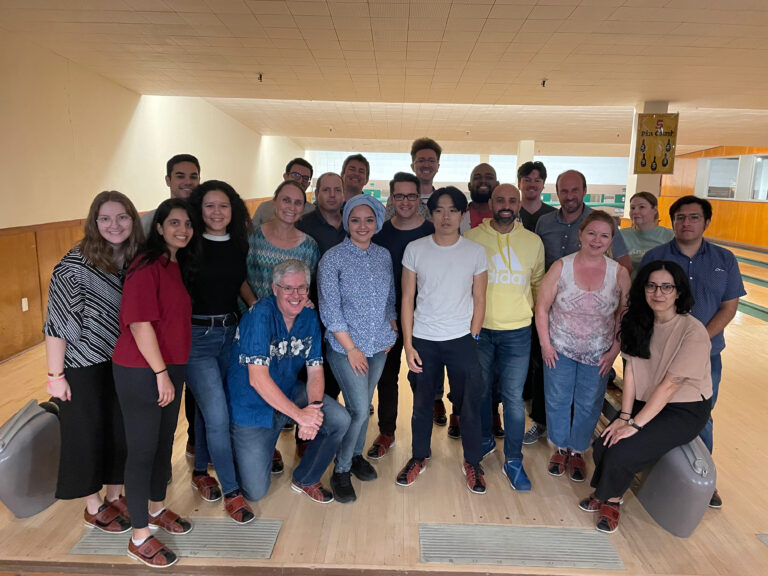
Join us in Winnipeg on September 25th for our Offline Activity. We will be bowling!

Winnipeg Bowling Event Photo
Offline Sponsors Banner

About the Event

September 25, 2022

6pm CST

Winnipeg

Categories
Past Events

Offline Events Across Canada: Vancouver

Offline Events Across Canada: Vancouver
September 24, 2022

This event took place on September 24, 2022.

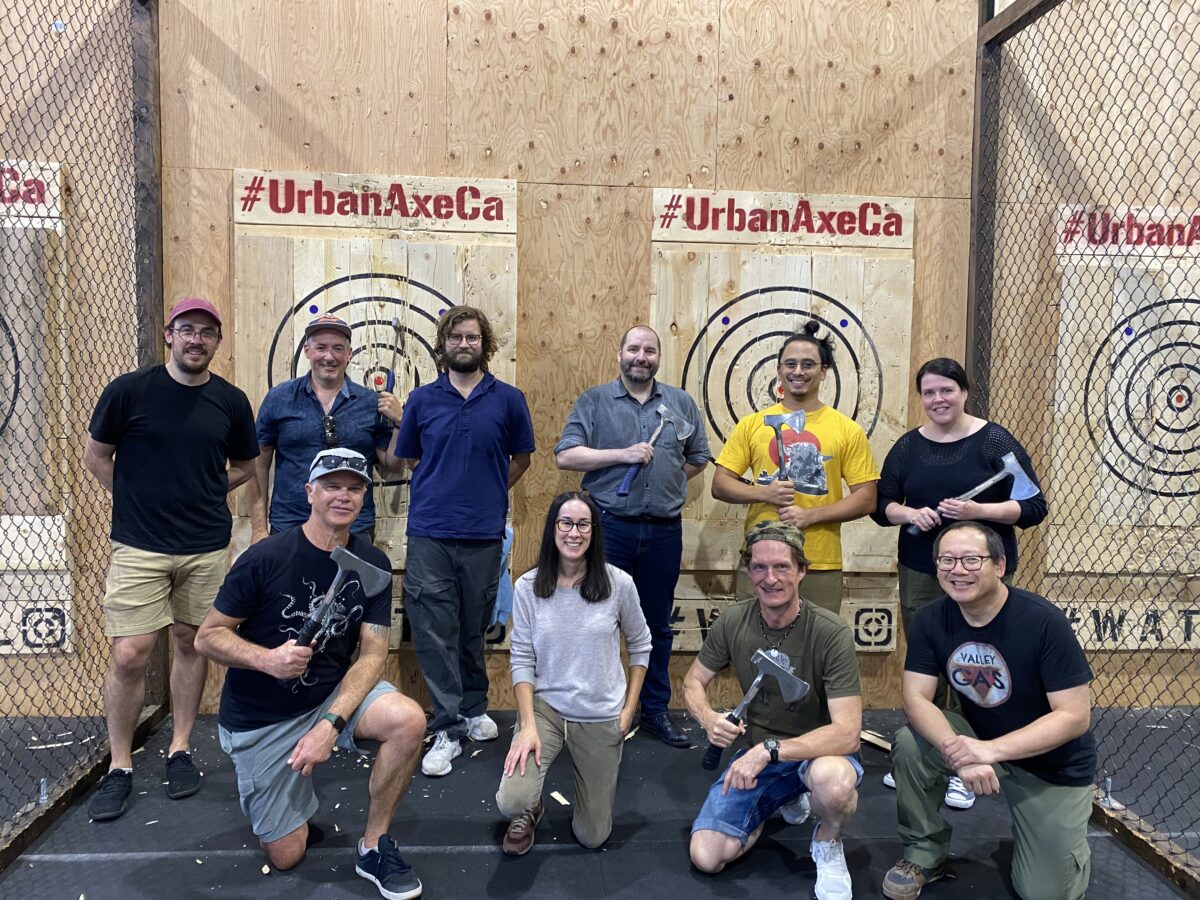
Join us in Vancouver on September 24th for our Offline Activity. We will be Axe Throwing – It’s like editing but you’re making cuts with dangerous heavy projectiles instead.

Vancouver Axe Throwing Event - Group photo
Offline Sponsors Banner

About the Event

September 24, 2022

3pm PDT

Urban Axe Throwing Vancouver

Categories
L'art du montage

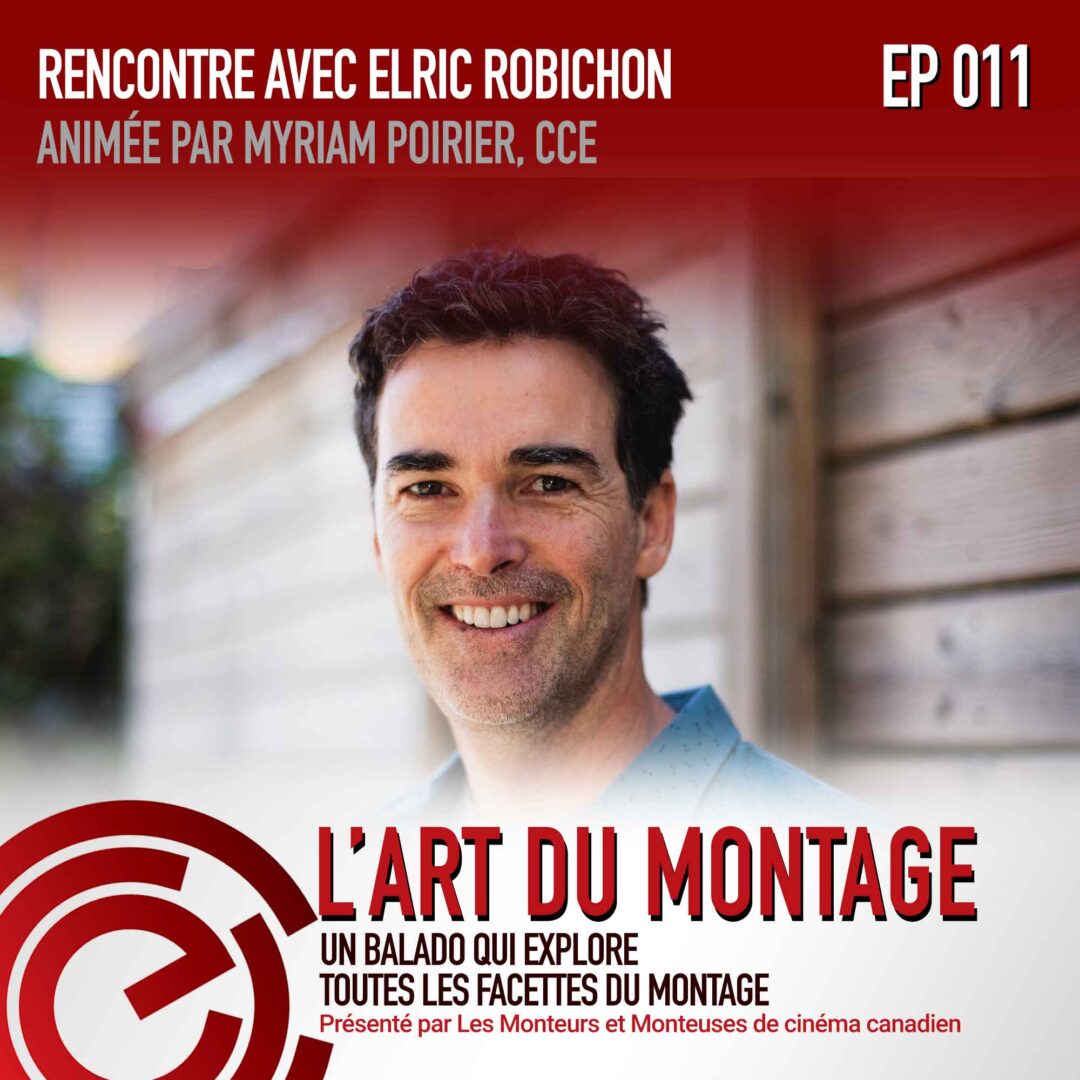
Episode 11: Meet Elric Robichon

Episode 11_Meet Elric Robichon

Episode 11: Meet Elric Robichon

This episode dedicated to Elric Robichon's career.

Episode 11_Elric Robichon

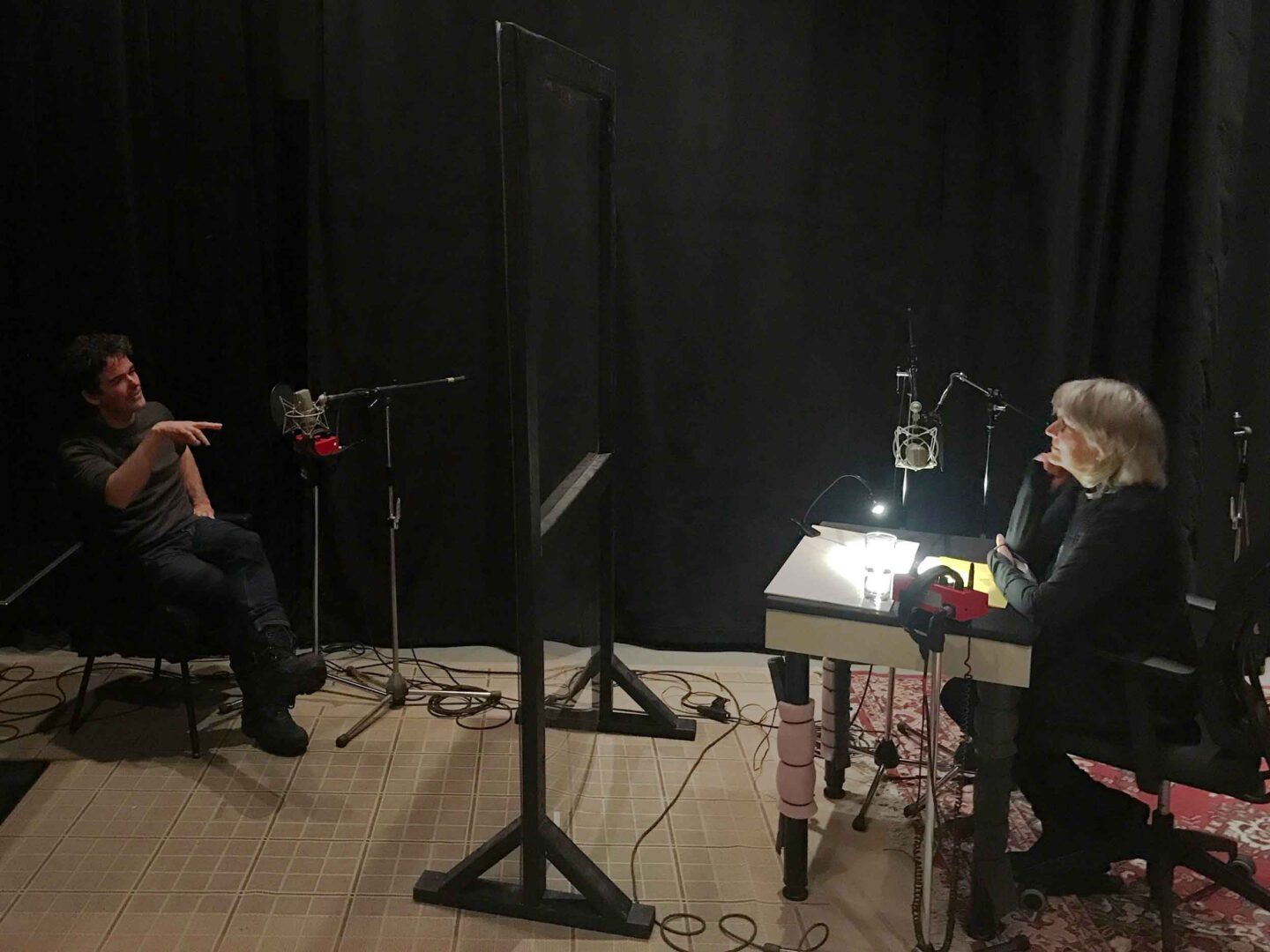
With more than twenty years of experience, Elric Robichon is known as a “jack of all trades” of editing. He has worked on documentaries, feature films, shorts, commercials, trailers, and even IMAX film editing. Dive into this exciting career, guided by our dear Myriam Poirier, CCE.


This episode was recorded at the Studio MELS, in Montreal

This episode is sponsored by MELS STUDIOS

Listen Here

Subscribe Wherever You Get Your Podcasts

What do you want to hear on The Editors Cut?

Please send along any topics you would like us to cover or editors you would love to hear from:

Credits

A special thanks goes to

Elric Robichon

Notre presque irremplaçable Myriam Poirier, CCE

Sarah Taylor

Maud Le Chevallier

Hosted

Myriam Poirier, CCE

Editing

Pauline Decroix

Sound Recording by

Mathieu Maillé

Main Title Sound Design by

Jane Tattersall, adapté en version française par Pauline Decroix

Mixed and Mastered by

Tony Bao

Original Music by

Bam Library

Sponsored by

MELS STUDIOS

Categories
Past Events

Offline Events Across Canada: Edmonton

Offline Events Across Canada: Edmonton
September 18, 2022

This event took place on September 18, 2022.

Join us in Edmonton on September 18th for our Offline Activity. We will be going for a walk in the Botanical Gardens. A light snack will be provided.

Edmonton Offline Event September 2022
Offline Sponsors Banner

About the Event

September 18, 2022

11am MDT

University of Alberta Botanical Gardens

Categories
Past Events

Offline Events Across Canada: Montreal

Offline Events Across Canada: Montreal
September 18, 2022

This event took place on September 18, 2022.

Join us in Montréal on September 18th for our Offline Activity. Grab your plaid shirt and challenge your gang to channel their inner lumberjacks with axes, knives, spears and more!

Montreal Offline 2022 Event - Weapons Throwing
Offline - September 2022 Montreal
Offline Sponsors Banner

About the Event

September 18, 2022

11am EDT

Sports de Combat

Categories
Past Events

Offline Events Across Canada: Toronto

Offline Events Across Canada: Toronto
September 17, 2022

This event took place on September 17, 2022.

Join us in Toronto on September 17th for our Offline Activity. We will be bowling!

Toronto Offline Event September 2022
Offline Sponsors Banner

About the Event

September 17, 2022

7pm EDT

Shamrock Bowl

Categories
The Editors Cut

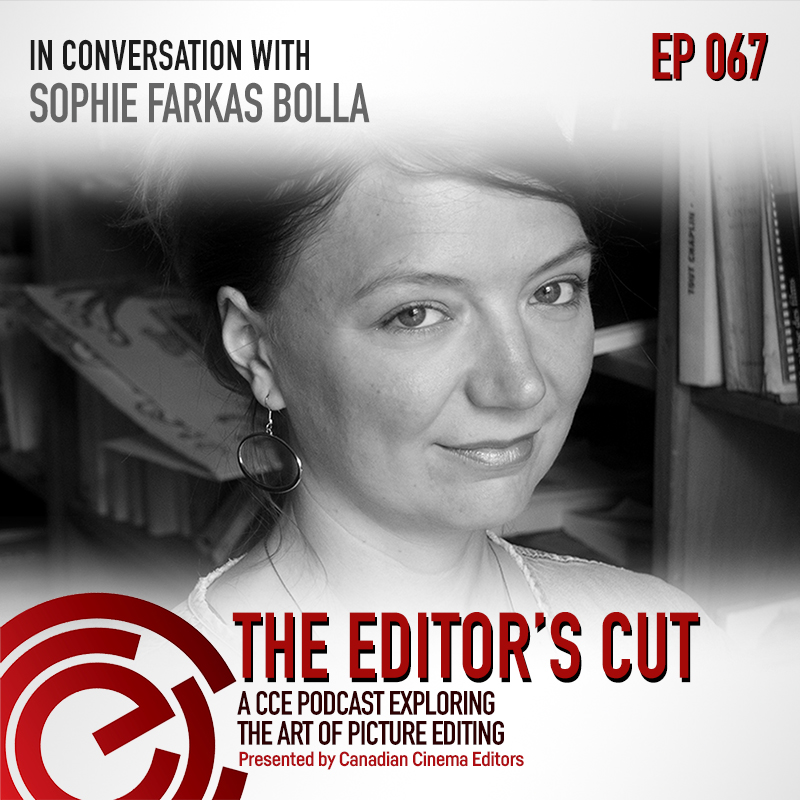
Episode 067: In Conversation With Sophie Farkas Bolla

The Editors Cut - Episode 067 - In Conversation With Sophie Farkas Bolla

Episode 067: In Conversation with Sophie Farkas Bolla

Today's episode is the master series that took place virtually on June 5th 2021.

This episode is in conversation with Sophie Farkas Bolla (editor of BEANS and ROADS IN FEBRUARY). Moderated by Jessie Anthony (writer/director of BROTHER, I CRY), they discuss the ins and outs of editing the breakout film BEANS. Watch the film’s trailer here.

Inspired by true events, BEANS is about a Mohawk girl on the cusp of adolescence who must grow up fast and become her own kind of warrior during the armed stand-off known as the 1990 Oka Crisis. World Premiered at Toronto IFF 2020. Honored as One of Toronto IFF Canada’s Top 10

The Editors Cut - Episode 067 - In Conversation with Sophie Farkas Bolla

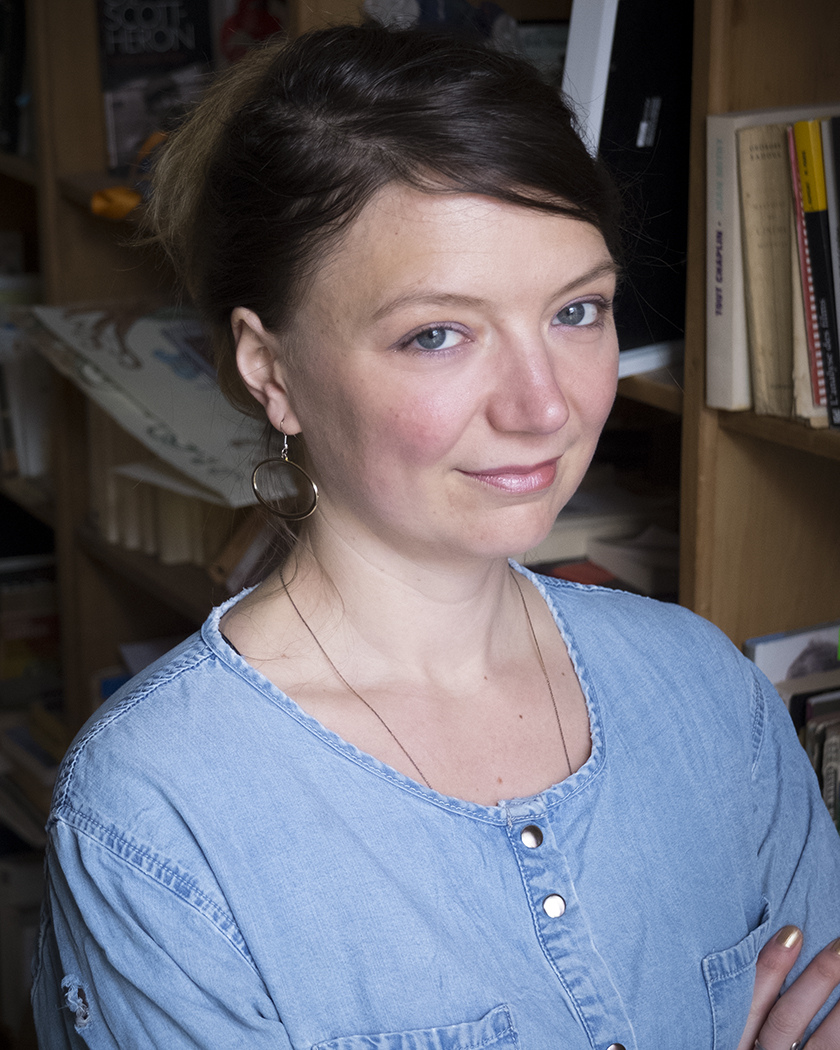
Sophie Farkas Bolla

Filmmaker and editor, Sophie Farkas Bolla was born in Montréal and started being involved in both visual and performing arts at a very young age. She attended Concordia University in Film Production and graduated in 2006. Soon after, she began working as a film editor while continuing to develop her own films. In 2009, she directed CHRONICLES BY THE OTHER, which enjoyed a good festival run. In 2012, she completed her second short entitled, ISTVAN AND THE FUR TROUT, a cinematic tale about growing up and disillusionment. WHEN MONSTERS WERE REAL (2015) is her third film and explores our fears from childhood. She is also writing her first features, NAGYPAPA, a dramatic comedy evolving in a charming, yet particular family and JULES AU PAYS D’ASHA a fable set in 1940’s Québec where imagination and reality collide. This film is in pre-production and will be shot this summer. When Sophie is not working on her own projects, she is also an editor and in 2018 she was nominated for an Iris awards for best documentary editing for P.S. JERUSALEM by Danae Elon (official selection TIFF and Berlin). Among the many fiction and documentary films that Sophie has edited, there is the award-winning ANTOINE (2009) by Laura Bari (Iris nomination), ANGRY INUK (2016) by Alethea Arnaquq-Baril (Audience award at HotDocs), MY DAUGHTER IS NOT FOR SALE (2017) by Anaïs Barbeau-Lavalette, ROADS IN FEBRUARY (2018) by Katherine Jerkovic (Best Canadian First Film Award, TIFF 2018) and most recently BEANS (2020) by Tracey Deer (TIFF, Berlinale) and THE GIG IS UP! (2021) by Shannon Walsh. Finally, Sophie was also a Filmmaker-Trainer for Wapikoni Mobile and accompanied many young people from Tobique First Nation in their creative journey, including Oqim Nicholas with his film AMONG THE FOREST (2018) (Award for best pan-Canadian student film at the FNC).

The Editors Cut - Episode 067 - In Conversation with Sophie Farkas Bolla

Jessie Anthony

Writer/Director/Producer Jessie Anthony is a proud Haudenosaunee woman from the Onondaga Nation, Beaver clan, born and raised on the Six Nations of the Grand River Territory in Ontario Canada. Jessie is a graduate of the Indigenous Independent Filmmaking Program and Bachelor of Motion Picture Arts Degree from Capilano University. Jessie is a Telefilm Talent to Watch winner for her first feature film titled “Brother, I Cry” which won the 2020 BC Emerging Filmmakers Award at the Vancouver International Film Festival and picked up the Audience Choice Award in the 2020 imagiNative Film Festival. She is currently in post-production with the series QUERENCIA which won the imagineNATIVE Pitch Competition, gaining a broadcast deal with APTN/The Bell Fund. Jessie has produced shorts funded by Telus Optik and BravoFact as well as many music videos. She was the first Assistant Director on The Edge of the Knife, co-directed by Helen Haig-Brown and Haida Artist, Gwaai Edenshaw. Jessie was a finalist at the MPPIA short film award competition, where she received an honourable mention. She directed the documentary Through My Needle, which follows a Mohawk designer and her family; exploring culture and clan through the beading and design of indigenous regalia. Jessie worked on the Girlfriends’ Guide to Divorce (NBC Universal), River of Silence (Telefilm), Going For Broke (Telus/Red Castle Films), Man in the High Castle (Amazon) and La Quinceanera (Lucha Gore -Time Warner) and many more. When Jessie isn’t working within film you can find her on her Facebook live feeds helping indigenous communities with healing and spiritual guidance.

Listen Here

The Editor’s Cut – Episode 067 – “Beans”

Sarah Taylor:
This episode is generously sponsored by IATSE Local 891 Integral Artists and the Vancouver Post Alliance.
Sophie Farkas Bolla:
When you’re an editor, you have the chance to tell them if you feel like something is not quite right and it’s better you tell them than a critic in the newspaper after. So if you tell them and they decide not to change them, that’s fine. Don’t take it personal. It’s their filmmaking, it’s their process. But it’s important to always say what you think, because in the end, you want to make the best possible movie.
Sarah Taylor:
Hello and welcome to the Editor’s Cut. I’m your host Sarah Taylor. We would like to point out that the lands on which we have created this podcast and that many of you may be listening to us from, are part of ancestral territory. It is important for all of us to deeply acknowledge that we are on ancestral territory that is long served as a place where Indigenous peoples have lived, met, and interacted. We honor, respect and recognize these nations that have never relinquished their rights or soverign authority over the lands and waters on which we stand today. We encourage you to reflect on the history of the land, the rich culture, the many contributions and the concerns that impact Indigenous individuals and communities. Land acknowledgements are the start to a deeper action.
Before we get started, I wanted to let you know that the CCE is proud to sponsor an Industry Week Panel at this year’s Calgary International Film Festival. Ethics of documentary filmmaking will be happening on September 24th at 11:00 AM. Join us in a conversation between editors and directors about the ethics of documentary filmmaking and the line we draw between truth and entertainment. Today, I bring to you the master series that took place virtually on June 5th, 2021, in conversation with Sophie Frankas Bolla, editor of Beans and Roads in February. This conversation was moderated by Jessie Anthony, writer, director of Brother, I Cry. They discussed the ins and outs of editing the breakout film, Beans.
Speaker 1:
And Action.
Action.
This is the Editor’s Cut.
A CCE-
Podcast.
Exploring.
Exploring.
Exploring…
The art…
Of picture editing.
Jessie Anthony:
[foreign language 00:02:04]. My name is Jessie Anthony. I’m from the Onondaga Nation Beaver Clan from Six Nations of the Grand River Territory in Ontario, Canada. I currently live, reside, work, play on the unseated territories of the Coast Salish peoples. And I am a filmmaker, and I am super, super excited to be here today with the editor of Beans, Sophie Farkas Bolla, welcome. I’m excited to dive into this, but before I do that, I’d love for you to just do introduction and let us know of some of the work that you’ve done and what brought you to Beans.
Sophie Farkas Bolla:
Absolutely. Yeah. So I studied films, I went to film school at Concordia University and I graduated in 2006. And ever since then I’ve been editing films. I’ve done both fiction and documentary. And so, I’ve been doing this for I’d say, well, almost 15 years now. And then, I always wanted to be a filmmaker and an editor. I love the editing process because I really feel it’s like the final step of a film, of the writing process, of the filmmaking process. It’s really the final step before it’s really… you can still change things, make the story a little better, make this, make that. It’s really… so that’s wonderful process to be part of, and to share with different directors. So one of the last films I edited was Beans. It was a great, great process, a great experience and really, really actually fun to work on.
Jessie Anthony:
And for those joining us, Beans, is a first featured debut… feature film by Tracey Deer that is a coming-of-age story surrounded around the historical event of the Oka Crisis. So I guess, my first question would be, because I really do want to dive into that relationship with the director. But first I’d like to jump into your first initial connection with the story. When you read the script, your first thoughts and I guess that interview process or how did you get the job?
Sophie Farkas Bolla:
How did I get the job? How did I get the job? Well first, how did I get the job? So I had edited the short film with the producer, [inaudible 00:04:23], a few years ago and it was a great experience. And so, when they were looking for someone for Beans, the producer thought that I should meet Tracey because she was like, “I think you would get along really well with Sophie.” So she sent me the script, I read it. And when I read the script, there was not a doubt in my mind that I wanted to edit this film.
The screenplay was so well written, it was a classic coming of age story, but it had such a powerful purpose and all the back story obviously, around the Oka Crisis, and it gave it just that much more. And so, I went to the interview and all I remember from the interview, it was two or three days before they started shooting. So it was very hectic in the production offices. And I think I just talked a lot about how I loved the project and how I thought we could work together and bring it to where she wanted it to go. And so, that’s how it went. And then a few weeks later she called, and she was like, “Let’s do this”. And I was like, “Wonderful.” So that’s how it happened, sort of, I guess.
Jessie Anthony:
Very cool. And did you have knowledge of Oka Crisis? Did you know a lot about that time in period and everything that had happened around Kahnawake and Kanesatake?
Sophie Farkas Bolla:
Well, I was young when it happened. I was seven-years old. At the time, when I thought about it, I was like, “What do I remember from that period?” And all I remember really, from that period was that the news, because I remember my parents always watching the news every day, there was the news. And it was this thing about the bridge. The bridge, the bridge was blocked, and it was mostly around the bridge. Obviously, I was seven years old, so I didn’t understand much. All I understand is that some people were upset, and they were blocking a bridge and it lasted the whole summer. For me, as a seven-year-old, that was the understanding I had of it. And the other funny thing was that, that summer, my mom had a cousin visiting from France and so, he thought it was very interesting that Indigenous people were blocking a bridge.
For him, it was very unheard of. And I remember his reaction more than anything else. This European man being a… very surprised by this situation. That’s what I remember as a seven-year-old. Obviously, I saw Alanis Obomsawin’s film probably, I don’t know, when I was in film school, had a very, very, very deep impact on me. And then I remembered me as a child thinking of how… of those few little things I remembered from that time. And yeah, so I would say that my… what I knew about that whole situation, from my memories as a seven-year-old and then seeing that film. And then having a chance to work with Indigenous filmmakers, also, talking about land claims and Indigenous rights and all of that. So by the time I got to Beans, I was very aware and very much wanted to be part of the process.
Jessie Anthony:
Wow. It’s an interesting situation to be on the other side of the bridge and then have this opportunity years later to sit collaboratively to tell this story. I got goosebumps thinking about it and I think that’s the most amazing thing about film work and collaboration and those sorts of things. So do you feel or think that those experiences helped you in that process when sitting with Tracey and with the material?
Sophie Farkas Bolla:
Yeah. I think so because I think Tracey is very much… I work with another filmmaker and a new filmmaker called, Alethea Arnaquq-Baril, in Angry Inuk, and I think her, and Tracey are very much want to help have more bridges between Indigenous and non-Indigenous. And to tell stories in ways that reach out to people in emotional ways so then that we can connect to the issues. And so, by the time I got to Beans, I had already done that process once and was totally on board with it. And felt it was really important that we can… I continue in that direction. Yeah.
Jessie Anthony:
That’s very cool. For me, I would love to dive into, I guess the editing process. That’s what we’re here to talk about. So I’d love to know that director, editor relationship. Anything you want to tell us or bring up or anything like that about that process would be really great.
Sophie Farkas Bolla:
So what we did on Beans is that… so Tracey finished the shoot and then she took a break, which I thought was great. Because while she was gone, I just dove into the material and watched everything. Watched everything, and I was seeing it from a fresh eye. Tracey wasn’t there to tell me what she thought. So I was really just getting my sense of what it was, because often directors are very emotionally attached to the material and then they remember on that day what went right, what went wrong, and they have all this emotional baggage with the material, which is 100% normal. But having nobody there, it just allowed me to have a fresh start and just see the material, see the footage for what it was. So I was able to make my own idea of what was working and better than not and what wasn’t working as well.
So I got to see everything. And then when Tracey came back from her holiday, she was all relaxed and she had taken time off and she had stepped away from the material. So she was really ready to dive in also with a fresh new perspective from the shoot. So what we did at the beginning is that I would assemble some scenes during the week and then, every Friday she would come and we would go through the scenes together. And then this is where we started collaborating. So we would go through the scenes, through the sequences, she would tell me, “Oh, my intention here was to do this. Or let’s do that, and let’s try this.” And so we would do that. So we did that for maybe, I would say, two months. And then, eventually, I’d gotten the whole sequences shot and we put the whole thing together and we watched it for the first time.
And so we had an assembly. And then from the assembly point on, we were spending much more time together. And so I would say Tracey was there almost every day or whenever, two days depending on what we were working on. Sometimes she would say, “Okay, we would work on the scene and then I would work on it by myself.” And then she would come back the next day and we’d watch it again and then we’d move on. So we did that until Christmas and then we had a Christmas break, which was great. So we took three weeks off and then we came back at the end of January and we just had another three weeks, and we just fine tuned the film until the end.
And I remember the day we finished this film, I think it was like midnight. We were in the cutting room, and we were like, “Okay, we are happy. We’ve gone through every single thing”. And the fine-tuning process was really great on that film because we really went deep into the performances. We really went to see how we could… how every single scene, every single sequences, how we could just really go get the perfect rhythm and create the film. So that’s how we worked with Tracey. So it was very collaborative, very collaborative.
Jessie Anthony:
I guess, with that being said, watching some of the scenes come to life and assemble. So initially, this clip is the family has left the reserve and they’ve gone into town to get some food, and ultimately the racism here shown hugely in terms of they’ve been kicked out of the store. So no supplies are coming in and no supplies… it’s hard to get supplies when they leave the reserve to go. How was it for you editing the scene and what was the intention in this scene? For me, I’ll say that moment that they’re walking out and everybody’s clapping and the edit back and forth between the main character and the cashier lady. Yeah, if you want to speak a little bit on that, that’d be really great.
Sophie Farkas Bolla:
I think it’s a great scene because there’s lots going on in that scene, actually. There’s the interaction with the mom’s friends with the cashier. And then there’s also what’s going on with Beans and her little sister and how this, benign grocery shopping thing, that we do every day, becomes really, really dramatic. So I think what we did is that we focused primarily on the main action, which was them behind the counter trying to negotiate to get the food. And what was really interesting about that scene is that Tracey didn’t want to just… she wanted to nuance it even though it’s really horrible what’s going on in the sense that… she wanted to nuance it in the sense that there’s the main cashier but then there’s the manager and the manager refuses to sell them the food. Yet, the younger cashier sees that this is not going to go well for Beans and her family, and she sees that they’re not going to get the food they need. And she sees Beans putting the little roll-ups in her bag and just letting her go with the food, anyways, she doesn’t tell on her.
So I felt that we had to sort of make sure that all the different lines were happening at the same time and that we got all of them. So I feel like in the end the overall impression is that it’s a terrible racist moment for Beans in their family. So I think that is the main impression that goes on, but yet the way the scene plays out, Tracey wrote it in a way so that there were still some subtleties and nuances, and it wasn’t just a blank racist moment, there was a lot going on.
Jessie Anthony:
Yeah. It’s a pretty powerful scene. I mean, here’s the thing about this movie, is that every single scene is so powerful and it’s constantly moving you forward, which is like, “Job well done, of course, it’s been very successful.” And is there a difference working with a director that is taking somebody else’s script and putting it together than more of a true event experience that the director has gone through? Can you tell that there’s a different connection with the director in the material when you’re going through the editing process?
Sophie Farkas Bolla:
You know, It’s interesting that you ask that, because for Tracey it’s obviously, so inspired from what she lived as a young girl. I’m trying to think of other fiction films. Roads in February, which I did a few years earlier is also a fiction film. But you know when directors write something, usually, it comes from them and usually there’s always something of them in the film. And so, in some ways it’s more direct than others. But for Tracey it was very obvious. But even Roads in February, it’s all about the director and her relationship to having immigrated and being from somewhere but living somewhere else. And so, I think even the character in that film is very much inspired by her even though it’s not a direct conversation that we had in the editing room. So I feel that like it’s always there and that ultimately when you write a script, you’re the one that has all the answers.
Jessie Anthony:
That’s true. Do you find that it’s harder for directors to, I guess, cut certain things, they really want to make it fit. How do we make it fit, but in the edit it’s just not fitting. Because there’s always the story that’s written or there’s the… the story that’s written, the story that’s shot and the story that’s edited, right?
Sophie Farkas Bolla:
Of course.
Jessie Anthony:
So initially, there’s always three stories to this. So when you’re in that editing process, have you come across, I guess, any directors where it’s been a real challenge and try to make it work but ultimately you have to make that-how do you have that discussion with the director?
Sophie Farkas Bolla:
I think it’s a process. I think it’s a long process. I think at the beginning of this… I always tried to remember how I felt the first time I watched the dailies, the rushes, because I feel like people that go to the movies, they see the thing for… they see the film for the first time and so that impression is what counts. And when you’re editing a movie, obviously you’re going over and over and over and over and over the stuff, so it’s hard. It’s really important to keep an emotional connection. But eventually, obviously, it’s hard because you just don’t have it anymore. But you have to trust that the one you had at the beginning is the right one. So I always try and remember exactly how I felt at the beginning, so I can just focus and move forward and make sure that we’re making the right decisions.
So early on in the process I’ll notice if something is working less than it should and I’ll address it right away with the director. I’ll just say, “Well I’m not sure this is working or maybe we will get it to work.” But I’ll usually say it early on in the process because I know that it takes time for directors sometimes to come to terms with this scene or that scene because they’re so attached to it and it’s super normal. So I say it early on and then I just let time go and eventually, I think it makes its way to the director. And eventually, by the end of the process, usually, those scenes have organically been removed from the film or edited or arranged differently. So it usually, happens pretty naturally. It just a process, you have to be patient.
Jessie Anthony:
Right. Patience is key.
Sophie Farkas Bolla:
And sometimes you’re wrong as an editor, sometimes you think, “Oh this is not it” but it’s not that scene that’s the problem, it’s another one that’s sort of similar. But then when you remove that one then the one that you felt was problematic ends up working. So it’s important to be really listening to the directors because they know the film more than anybody ever will and it’s important to listen to them, because sometimes you’ll realize, “Oh, my solution to this issue was not necessarily the right solution.” So it’s always important to know where we want to go and depending on the path we take, as long as we know where we’re going. If the path changes a little bit doesn’t matter, as long as we get to where we want to go at the end.
Jessie Anthony:
With that being said, do you prefer, having worked on my first feature film with an editor and not ever being taught how to communicate what’s in your head in a certain way with the edits. Is there certain things you like to see like references or I would say references or pictures or things of how a certain cut, maybe if they can articulate the type of cut they want. Is that something you invite into the editing room?
Sophie Farkas Bolla:
I feel like when there’s… I feel like I need to know what the director wants right from the start so we can go in the same direction. And so, usually, we’ll talk a lot about the film, what movies she likes as references and why, and what she was trying to do in this scene and if it worked, or if it didn’t work. Usually, you’ll see in the style of the way it was shot, what they’re trying to do with the scene. So I’ll look at the rushes and I’ll be like, “Oh I think I know what she wants to do there.” And so, I’ll go ahead and try to do that. Usually, if the intention is clear, then I see it right away. And then if it’s not clear then we talk about it. But we talk… there’s a lot of work before, we just talking about other films and what she was trying to do in this, and in this scene.
And usually, we manage to figure out what we want and what she wants. But it’s always finding the best way to communicate, that is the key to good editing, I find. And it always takes a week or two for me to understand that when Tracey uses this word, what she really means is this. And so, I have to just pay attention to what she’s saying and to be able to understand what she really means, because every director communicates in different ways. And so, I feel like it’s the editor’s job to translate what that means in editing terms and in editing language. And that’s why I have to do that, not theirs.
Jessie Anthony:
So do you have any advice for any first time feature editors or somebody who’s taking that leap into editing and working with a director, whether the director is inexperienced or experienced? Do you have any advice for those people?
Sophie Farkas Bolla:
Yeah. I think if you’re going to cut your first fiction film, the best thing you can do is really just, if you just talk with the director, try and understand what their vision is, what they’re trying to do and if you feel like you understand what their ultimate goal is, then just try and always work in that direction. That doesn’t mean don’t be critical of certain things. If you feel some scene or something is not working or the rhythm is off or there’s something, it’s important to say, but it’s always important to say in a way that’s constructive and that’s respectful. Because it takes time to see things in different ways and not the way you imagined it as a director.
So it’s important to always talk about it and just be open. Because ultimately, I think that when you’re an editor, you have the chance to tell them if you feel like something is not quite right. And it’s better you tell them than a critic in the newspaper after. So if you tell them and they decide not to change, that’s fine, ultimately. Don’t get upset about it. Don’t take it personal, it’s their filmmaking, their process. But it’s important to always say what you think because in the end you want to make the best possible movie.
Jessie Anthony:
Absolutely. Because I’m learning a lot in terms of being a director who has sat with an editor on my first feature, and I’m learning different ways of, “Okay, how do I communicate?” And I’m sure every movie is that learning experience, right? You’re going to get better at it. And I guess, what are some dos or don’ts, do you have… feel free to answer it, if not, we can pass on to my next question. But if there are some dos and don’ts in terms of, I guess, from an editor’s perspective, if I was coming in as a director, what are some dos or don’ts in the room?
Sophie Farkas Bolla:
Don’t ever take the mouse from the editor.
Jessie Anthony:
Oh my goodness.
Sophie Farkas Bolla:
Don’t ever take the mouse. I think that’s… unless you ask them, and they say yes or no problem. I feel like that’s a barrier that should not be crossed, because it’s a way… that’s a don’t, definite don’t for me. Don’t take the mouse. That’s my only don’t. I think anything else if you… I think this whole thing about not taking the mouse is also about communication. And if you can’t communicate what you’re trying to express is like, “Don’t take…” and your only way to communicate is to take the mouse from the editor. That’s not a good sign.

Jessie Anthony:
That’s a really good don’t. That is a very good don’t. Because you would never, hopefully, take a camera from a camera operator or the DP, right? So do not take the mouse. I do have a question here. (Audience Question): “Hi, Sophie. I’ve not seen the film yet. Very eager to finally watch it. I’m wondering if there were scenes in the film that had improvisations or if everything was scripted, how did you approach the improvised bits?” Good question.
Sophie Farkas Bolla:
Great question. Most of it was scripted. There is some scenes that were improvised… there’s one scene I can think about in the film, which was, it was one line in the script. That was basically, just before the SQ attacks the pines where, where the Mohawks were protecting their land. The little girls are in the cemetery in the pines and they’re picking up the golf balls, that they find in the cemetery, because it’s right next to a golf course. And so, it’s basically, one line in the script, it says, “Beans and her little sister are in the cemetery having fun in the woods. And then they find all these golf balls and they decide to pick them up.” So it’s basically, one line.
And so for that scene, Tracey just, she didn’t have a choreograph like, “Okay, you’re going to go here and you’re going to find these ball and then you’re going to go there.” It was just sort of, she just told the girls to do what they want and wanted it. And so, we had all this footage. It was shot on steady cam, so there was lots of footage. It was just a bit of a free, more like a documentary style shooting. And then, so I just looked at the whole… all the footage and I was like, “Okay.” And so I just cut it in an emotional way and then that was it. I was actually… one of the scenes that I cut once, and we never changed.
Jessie Anthony:
Oh wow.
Sophie Farkas Bolla:
Yeah. So Tracey saw it the first time and she was crying and she was like, “That’s good, let’s not change that.” And then we moved on. So that was a scene that was improvised, but there was no dialogue. Dialogue [inaudible 00:25:50], there was none in this film. It was all very much scripted.
Jessie Anthony:
Wow. Is that rare to have? Again, I can only go by what I’ve done in terms of what actors just go, have free range of it. Is it normal mostly, for things to be very on point scripted or do you tend to come across… I know you’ve done the doc that would be a little bit different. But with feature I guess scripted… yeah, do you find that often?
Sophie Farkas Bolla:
In the films that I’ve done, no. Most of them, I’ve always been very much scripted. There hasn’t really been any improv in the films. I think it’s because also of the shooting restrictions, they had a certain amount of days. And they didn’t necessarily have the luxury to just go on these big improv scenes and when you’re working… yeah, no. So the films that I’ve cut, I really haven’t had any improv except for that one scene, just saying. Documentary, there’s lots of that. It’s totally different approach, obviously.
Jessie Anthony:
The next question I have is from Jennifer. (Audience Question): “When you disagree about a scene and you offered solutions and the director is still passionate about their decision, what are some ways you navigate around that if you truly believe your decision as an editor is better than the course for the film?”
Sophie Farkas Bolla:
It happens a lot. I feel like we have to try it with, we have to try it without. We have to give it time and see how the film evolves because sometimes I’ll be like… early on I’ll be like, “I don’t think this scene is going to make it in the film,” but it’s too early for the director to actually agree with me. So I just let it pass. And we tried with and tried without and then eventually it will stay or not in the film. But I must say that it’s never happened to me ever that I was like, “This scene should not be in the film,” and it still is in the scene… in the movie, sorry. It’s never happened to me. So I think we always end up finding, either, I go with on the directors side or the director comes on my side and we always end up agreeing in the end if the process is done properly. Yeah.
Jessie Anthony:
Right. (Audience Question): “Hi, Sophie. Very excited to see the film. I feel like the beginning of the project is always the most daunting. How do you like to start your edit? You have the rushes organized in your bins, then what? Select reel, assemble scenes by scene, a full first cut right away, string outs by beats or by line or some other way?”
Sophie Farkas Bolla:
I watch everything and then I’ll just start by cutting a scene that I feel like cutting. I just want to make it fun. So I’ll just… usually, I’m by myself at that stage too. So I’ll just start with a theme that I feel like cutting and when I’m happy with it, then I move on to another one that I feel like cutting. And then eventually, I go through all of them. Start with something that’s fun that you feel like doing. Don’t start with the first one because it’s the first one and you feel you have to go in the chronological order. Don’t do that. Just start with something that you feel like.
Jessie Anthony:
Right. Do you normally cut to music? Do you temp music? Do you…
Sophie Farkas Bolla:
Yeah.
Jessie Anthony:
…Yeah?
Sophie Farkas Bolla:
Yeah, Yeah. I’ll cut it once without music, obviously. And then I feel like this needs music and then I’ll choose the music that I feel is appropriate with the director or without the director. And then, some directors have very clear ideas on the music they want and then others have no idea. So I suggest things and then we go from there.
Jessie Anthony:
There’s so many amazing scenes in this movie and one of the reasons I really connected to that is growing up on my territory, you know, Six Nations and growing up here and knowing that feeling that Beans is going through when it’s… your group of friends, because a lot of people who live on the same street as you, that’s the kids you grow up with. That’s the people you have around you. So what type of emotions or what type of conversation happened around this particular scene with Tracey?
Sophie Farkas Bolla:
I think what particular about that scene, honestly, it was a lot. We wanted to make them look like cool playing…We wanted them to be good playing lacrosse. So I remember that was… at the beginning of scene, they’re playing lacrosse just for fun and they’re sort of not too serious about it. And I felt like that was something that Tracey really, really wanted to have in the film, like just two girls playing lacrosse for fun, not like, because she felt that it was always, if you see girls in films doing sports, they’re always on soccer teams or it’s a sports film. And she was like, “No, girls hang out and do sports just for fun too.” So there was a lot of discussion about the lacrosse, actually.
And then just getting the timing to work, like teenagers talking and trying to get one’s attention versus the other one’s attention. And trying to relate to Beans, who sort of trying to fit in, who wants to fit in and not saying anything and not wanting to disappoint her friend because she’s sort of the one that’s letting her into this new group. So she doesn’t want to disappoint her, but she have to say something cool and she’s sort of intimidated by this guy and…
So we were just trying to convey all these emotions that Beans is going through in that scene once those guys show up. But even before that, when she burns the book because she wants to go to this other school and April is like, “No, you’re not going to stupid school.” So there’s all these conflicting emotions all the time in that scene. And I felt like Tracey really wanted to convey all these emotions. And also, just a general vibe of like kids growing up, like you said. I think that was something that just like all around the scene. It’s like the…
Jessie Anthony:
Very universal. Yeah.
Sophie Farkas Bolla:
Yeah. I think that’s what she really wanted. I think everybody relates to that. I think we’ve all been in more situations, similar situation when we’re growing up, when we just really want to be the new cool kid. We really want to be part of this new gang, and anybody can relate to that scene.
Jessie Anthony:
That’s very, very true. And I think that’s what makes it so lovely, so universal that I wish I could have seen this in the theater and had that collective experience of coming of age. Oh, so I do have another question here from Sophia. (Audience Question): “Hi, Sophie. How much are you referring to this script once you have already read it many times and are editing? Are you keeping that handy on your first pass and following order, direction or mainly watching, gathering and editing a scene based on instincts, emotions first?”
Sophie Farkas Bolla:
Yeah, I usually only read the script. I read the script once and then that’s it. Unless I’m mixed, that’s it. I mean I’ll never read it again honestly. Unless there’s a comprehension thing, like I don’t know, it’s written in another language or something like that. But otherwise, no, I just read it once. I have a general… I get that feeling of reading it once that was very strong in case of Beans. And then I just sort of bring that with me in the editing room and I just work from the new material. Because I don’t want to be influenced by something that was written and that doesn’t exist in the footage, which happens because obviously, all kinds of things happens on shoot. So I just try to work from the footage as the new material. And I don’t really go back to the script.
Jessie Anthony:
So do you work highly… do you work heavily off of script notes as well or the scripty notes?
Sophie Farkas Bolla:
Not really. I’ll look at the script notes, let’s say I’m by myself… let’s say when I’m screening the rushes for the first time and I feel really strong about one take for some reason, I’ll go to the script notes, especially, if the director’s not there, and I’ll go through the script note and see if in the script note that too was the best take for the director. Or if there’s something… if I feel really strong about a certain take, I like to go and validate that feeling just to see if I’m on the same wavelength as the director. So when I’m screening, I’ll go back to them.
And then the only other reason I’ll go back to is like the classic situation, you’re in the cutting room with the director and they’re like, “I’m sure we shot an insert shot of this.” And I’m like, “I never saw it. It’s not in the bin. Where is that shot?” And then we go back to the script notes and then we’re like, “It is in the script notes or it’s not in the script notes.” So sometimes, you think you did something, and you didn’t, and sometimes you did and it’s not there for some reason and then you have to go back in the footage and maybe the assistant editor didn’t put it there for some reason. Anyway, so then you go look hunting for clips that are not where it should be. And then that’s where I would go back to script notes. Honestly, I don’t really go back to them either for other reasons because then you’re working with the director. And…
Jessie Anthony:
Right. Well, we got a few minutes here left and would really… there was something we had talked about around the feelings, the feelings of the edits and what you were trying to portray, you and Tracey, with the images and the edits. So something really you unique and pretty cool about this film is that there’s actual archive footage, correct? That is throughout the film, and that propels the story forward or it helps you. I guess, I’ll have you dive more into this with the emotion. So if you want to talk about that a little bit and then we can show the final clip and answer any last questions before we call it a day.
Sophie Farkas Bolla:
Absolutely. So we cut from archival footage. There’s four moments in the film where there’s archival footage. Some of them are for context, some of them are to accentuate an emotion, something that we were trying to convey. So what we did for the archival footage is we looked at all this footage. I don’t remember how many. So we cut the film first with no archival. We didn’t have any of the archival. Once we had a first cut, we knew what we wanted to… how we wanted to use the archival and where we wanted to put it in the film. We had a big idea, but then it got really precise. So we looked at all the footage and then we sort of put them in on timelines where there was this emotion, this idea, this emotion, this idea. And then we went from there.
So interestingly enough, all the archival footage, except maybe for the first one, is really focused around one emotion that we were trying to convey, rather than making it like validate historically. I mean it does that, but we didn’t want to give information in those sequences because they were archival. We weren’t like, “We’re going to give information, we’re going to…” so we weren’t looking to do that. We were really more looking to bring out one emotion in this archival footage. And I think it works because it’s real. So then it just lifts everything up.
Jessie Anthony:
Yeah. It’s a very powerful clip. And then what comes after that as well is quite a interesting moment. And I’ll talk for myself, it’s very triggering. It’s very triggering and heartbreaking for me when I watch that, because it ignites a lot of anger and sadness.
Sophie Farkas Bolla:
Yeah. We were really trying to go for anger, and I think it was… it’s the most intense emotional archival sequence that we cut. We were going for anger and rage because there was just such a huge frustration in that moment, because the moments that follow after that was when the army decides to step in. And then the last one is a hopeful one, we tried to do something that was hopeful where people were trying to listen to each other, and some sort of hope was on the way. So there was anger, there was tension with the army. And then it was really hope at the end.
Jessie Anthony:
Well, I definitely bravo on the emotional parts of that because, especially, the beautiful transition when it ends to her coming into screen. It makes my heart stop, almost like a breath, right? The breath has been knocked out of me and I couldn’t imagine watching that footage over and over and over again. What kind of experience was that for you to be able to… and I guess maybe I’m not speaking for Tracey, but maybe just your experience with Tracey during some of this really triggering, reliving life experiences. How did you guys take care of each other or yourselves?
Sophie Farkas Bolla:
Yeah. I think… Well, the hardest scene in the film, and maybe, we can talk about that scene, is the rock throwing scene at Whiskey Point. So for those of you who haven’t seen the film, it’s basically, Beans, her mom and her little sister are leaving the community to go and stay outside in the hotel because it’s become too dangerous with the army. And they have to cross the bridge and on the other side of the bridge… so they open the bridge to let the people go. And on the other side of the bridge, there’s just these mobs of people that are frustrated and angry about the whole situation, and they just start throwing rocks at all the cars of all these families that are leaving. And it’s a really, really hard scene… it’s very difficult, but it was even more difficult to edit because that’s a moment that Tracey actually lived through when she was 12 years old.
So what we did to edit that scene is that I edited it once and then we would watch it and it was really hard for Tracey to watch those scenes because it was just brought her back to that moment. So we would watch it once and then we would talk about it and I would go on my own and recut it, and then maybe a week later we would rewatch it again. But we really… we spaced it out as much as we could.
We just took our time, we didn’t want to rush it because the first time Tracey watched it, obviously, she cried a lot and it was a very difficult moment. And you know I’m just there, obviously, it’s very emotional. So we just tried and listen to each other. And we knew it wasn’t going to be an easy moment, so we were just gentle with ourselves. Let’s just take the time we need, and it’ll take the time it takes. And that’s that’s how we approached it. So that was the hardest scene to cut in terms of emotion and because it was very intense. There’s a lot of intense scenes in that movie, the archival footage, but that one was the hardest.
Jessie Anthony:
And I just want to say what an incredible… to Tracey, an incredible film, to you for taking on this project, being able to be a part of that journey and capture it from your own lived experience, your own communication with the director. And I guess, for me, this is completely out of story context, but when you’re editing, what program do you like to use, and does it matter what program an editor uses?
Sophie Farkas Bolla:
I don’t think it matters. I think it’s just whatever the editor is comfortable with, that’s the most important thing. Everybody has a little, “I like this function in this program versus that program, they don’t have that function.” It’s like little things, but I can work with any really, basically. I work with Avid Premiere and recently I actually cut a film on Resolve, which was the first time, DaVinci Resolve, which was the first time I did that. So I’m really flexible. They all have their little pros and cons, but I think if I had a choice, I would say Avid. But they’re all fine, they’re all good. If somebody asks me, I’ll say Avid. If I don’t have, if it’s more complicated for whatever reason, I’m good with the other two. They all have pros and cons.
Jessie Anthony:
I want to say thank you so much for having this conversation with me. I think that sometimes the editing process… something I wish I knew as a first-time director was that, that it doesn’t stop after production. That you really have to dive and continue to dive in through all of the postproduction. And in film school, they don’t focus enough on postproduction, it’s just how to get your movie going, how to shoot it, and then that’s it. So…
Sophie Farkas Bolla:
We’ll fix it in post.
Jessie Anthony:
Yeah. Oh, that’s something like, “If we can do it on set, let’s do it on set.” But it’s so nice to have conversations like this to dive into, listen to, and understand some of that someone’s process in feature films. I’m sure editing docs and television are a different beast on their own, but in such an epic feature film, it’s beautiful. It’s absolutely beautiful. Congratulations. All of the success that it’s getting as well, it’s really great. Thank you, Sophie.
Sophie Farkas Bolla:
Thank you, Jessie.
Jessie Anthony:
Yes. It was a great conversation. And I hope that you enjoy the rest of your day.
Sophie Farkas Bolla:
Me too. Thank you so much.
Jessie Anthony:
Thanks everybody.
Sophie Farkas Bolla:
Bye.
Jessie Anthony:
Bye.
Sarah Taylor:
Thanks so much for joining us today, and a special thanks goes to Jane MacRae and Alison Dowler The main title, Sound Design was created by Jane Tattersall, ADR recording by Andrea Rush. Original music was created by Chad Blain and Soundstripe. This episode was mixed and mastered by Tony Bow. The CCE has been supporting Indspire, an organization that provides funding and scholarships for Indigenous postsecondary students.
We have a permanent portal on our website @cceditors.ca, or you can donate directly to indspire.ca, I-N-D-S-P-I-R-E.C-A. The CCE is taking steps to build a more equitable ecosystem within our industry, and we encourage our members to participate in any way they can. If you’ve enjoyed this podcast, please rate and review us on Apple Podcasts and tell your friends to tune in. Until next time, I’m your host, Sarah Taylor.
Speaker 2:
The CCE is a nonprofit organization with the goal of bettering the art and science of picture editing. If you wish to become a CCE member, please visit our website, www.cceditors.ca. Join our great community of Canadian editors for more related info.

Subscribe Wherever You Get Your Podcasts

What do you want to hear on The Editors Cut?

Please send along any topics you would like us to cover or editors you would love to hear from:

Credits

A special thanks goes to

Jane MacRae

Alison Dowler

Ryan Watson

Abeeshan Arulnesan

Hosted and Produced by

Sarah Taylor

Main Title Sound Design by

Jane Tattersall

ADR Recording by

Andrea Rusch

Mixed and Mastered by

Tony Bao

Original Music by

Chad Blain

Soundstripe

Sponsored by
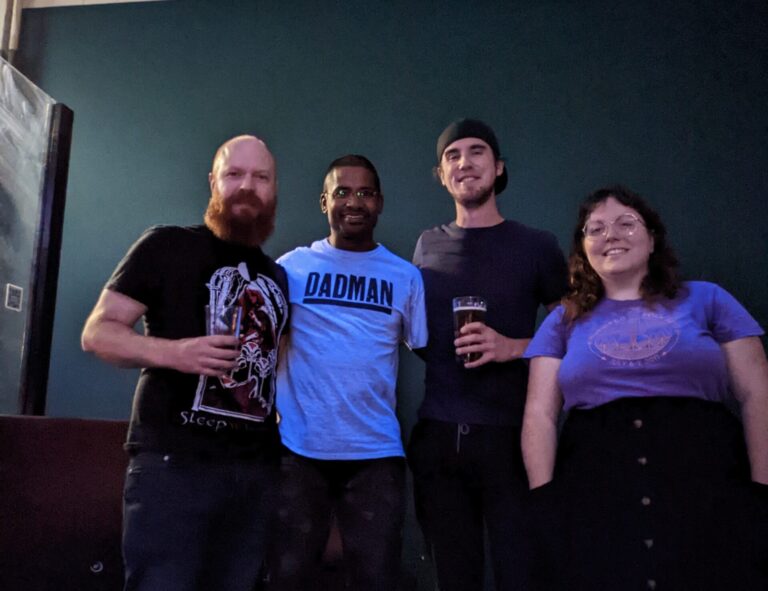
IATSE Local 891, Integral Artists, and VPA

Categories
The Editors Cut

Episode 066 – In Conversation with Jenypher Fisher, CCE, Kelly Morris, CCE and Tim Wanlin, CCE

The Editors Cut - Episode 0066

Episode 066 - In Conversation with Jenypher Fisher, CCE, Kelly Morris, CCE and Tim Wanlin, CCE

Today's episode is the master series that took place virtually on March 16th 2021.

In Conversation with Jenypher Fisher, CCE, Kelly Morris, CCE and Tim Wanlin, CCE


Veteran unscripted Vancouver editors Jenypher Fisher, CCE, (RUST VALLEY RESTORERS) Kelly Morris, CCE (HIGHWAY THRU HELL) and Tim Wanlin, CCE (HEAVY RESCUE: 401) discuss their vast knowledge on crafting factual storytelling; the importance of finding the story’s truth, it’s language, and the importance of a strong, pivotal opening that will begin the audience’s emotional journey.


This panel was moderated by Showrunner, Producer, Director and Writer, Kelly McClughan.

Jenypher Fisher, CCE

Jenypher Fisher, CCE

Through hard work and determination, Editor Jenypher Fisher has developed a unique style, rivalled only by her keen sense of story and humour. Born and raised in Vancouver, British Columbia, for the past 20 years Jenypher has been responsible for crafting a wide and varied array of Canada’s unscripted series. Projects include RUST VALLEY RESTORERS, WILD BEAR RESCUE, ICE PILOTS, THE BACHELOR CANADA, JADE FEVER, YUKON GOLD, THIS IS HIGH SCHOOL, QUEEN OF THE OIL PATCH, THE NATURE OF THINGS, ER: LIFE & DEATH AT VGH, PARAMEDICS: LIFE ON THE LINE & EXPECTING!

Kelly Morris, CCE

Kelly Morris CCE

Kelly Morris CCE, is a Vancouver Based film and television editor and former president of the Canadian Cinema Editors, best known for his body of work in documentary and as senior editor for factual series. He has a passion for feature length film, investigative journalism and gritty reality. Series of note that he has worked on include Discovery Channel’s HIGHWAY THRU HELL, JADE FEVER and JETSTREAM, CBC’s HIGH ARCTIC HAULERS and investigative journalism series THE FIFTH ESTATE, natural history series BBC NATURAL WORLDLAND NAT GEO WILD, in addition to a wide breadth of documentary films, the most recent being Citizen Bio for Showtime. Shows he has worked on have received accolades including winner of the duPont-Columbia University Award for Broadcast Journalism (NUCLEAR JIHAD), a Sundance Grand Jury Prize Nomination (SEX: THE ANNABEL CHONG STORY), Gemini (THE FIFTH ESTATE) and CCE (A WOLD CALLED STORM) award nominations for Best Picture Editing.

Tim Wanlin, CCE

Tim Wanlin, CCE

Tim Wanlin is based in Vancouver where he has been editing for the last thirty years. During that time his focus has been to seek out projects that allow him to draw out the strongest story, both visually and narratively. He has amassed over seventy documentary credits. Highlights include CTV’s Gemini Award winning, PEACE WARRIOR, WHEN THE DEVIL KNOCKS, which premiered in the 2010 Vancouver Film Festival and CBC’s Canadian Screen Award winning, WILD CANADIAN YEAR. More recently, while continuing to follow his passion for documentaries, Tim is busy with unscripted series work including BORDER SECURITY, JADE FEVER and his current project, HEAVY RESCUE: 401.

Generously sponsored by IATSE Local 891, Integral Artists and  VPA

Listen Here

The Editor’s Cut – Episode 066 – “In Conversation with Jenypher Fisher, CCE, Kelly Morris, CCE & Tim Wanlin, CCE”

Sarah Taylor:
Today’s episode is generously sponsored by IATSE Local 891, Integral Artists and the Vancouver Post Alliance.
Jenypher Fisher, CCE:
The sandwich reality is a phrase made up by my friend, Ted Tozer, who’s an editor, and it’s basically, if you have something in the middle, that’s like, sort of staged and you want to make it seem more real and you want to make it seem a little less wooden. You put something at the front that’s reality and you put something at the back that’s reality and you put the problematic section in the middle and you cover it. And it’s actually more believable that way. You’ll get away with a lot. That’s the sandwich of reality. Book ending bad things with real things and marrying them.
Sarah Taylor:
Hello and welcome to The Editor’s Cut. I’m your host, Sarah Taylor. We would like to point out that the lands on which we have created this podcast, and that many of you may be listening to us from, are part of ancestral territory. It is important for all of us to deeply acknowledge that we are on ancestral territory, that as long served as a place where indigenous peoples have lived, met and interacted. We honor, respect and recognize these nations that have never relinquished their rights or sovereign authority over the lands and waters on which we stand today. We encourage you to reflect on the history of the land, the rich culture, the many contributions and the concerns that impact indigenous individuals and communities. Land acknowledgements are the start to a deeper action.
Sarah Taylor:
Today’s episode is the panel that took place virtually on March 16th, 2021. Veteran unscripted Vancouver editors, Jenypher Fisher, CCE of Rust Valley Restorers, Kelly Morris, CCE of Highway Thru Hell and Tim Wanlin, CCE of Heavy Rescue 401. They discuss their vast knowledge on crafting factual storytelling. The importance of finding the stories truth, its language and the importance of a strong pivotal opening that will begin the audience’s emotional journey. This event was moderated by showrunner producer, director and writer, Kelly McClughan.

[Show Open]
Kelly McClughan:
All right. Well, welcome to this CCE master series in conversation with three titans of editing who I’ve had the pleasure of working with. Jenyfer Fisher, Kelly Morris and Tim Wanlin. During the next hour or so, we’re going to talk about how to approach story, methods of organizing media, using footage in unexpected or creative ways to further story and character. What to do when the footage you hoped was there isn’t there, which happens.
Kelly McClughan:
And these three are all finishing editors, but they’ve also worked story from the ground up and continue to work with footage from the ground up to create stories. So both at the beginning, end of a process and the finishing. So there’ll be something for everybody during this conversation, and we’re going to save the Q&A for the end of this, and you’ll be able to put your questions in the Q&A at that time. And we’ll tackle as many as we can. And right now I’m going to throw it over to these three to introduce themselves and tell us a little bit about them. Jen, why don’t you kick it off?
Jenypher Fisher, CCE:
My name’s Jen, I’m an editor, obviously I didn’t have a lot of money when I started. So my way into the industry was going to a technical Institute called BCIT, which technically taught me how to do news. I wasn’t particularly interested in news, but the second year I was there, it was a two year program, second year I was there, the Avid showed up and that changed everything. Because as far as I was concerned, that was the coolest thing I’d ever seen.
Jenypher Fisher, CCE:
And no one knew how to use it, including me, but I taught myself how to use it. So I’ve been in the industry for about 23 years. And when I started the type of TV that we three sort of do had just started up. And I remember very clearly people saying, it’s not going to last. It’s a flash in the pan, whatever. I’ve been editing this type of television for 20 years now. So I don’t think it’s going anywhere. And I’ve done a huge variety of shows from men’s TV, mining shows, car shows, logging shows, cooking shows, home renovation, long form doc, science doc, competition, to The Bachelor. And in my opinion, that’s great because it’s a wide variety. And you learn things on The Bachelor that you use on a science doc. It’s weird, but it happens.
Tim Wanlin, CCE:
Hi, my name’s Tim Wanlin editor for 30 some years. Started off unorthodoxly, I think with cable access in my hometown in Kelowna BC, they had a cable access channel. I volunteered when I was 15 years old, I think, worked three years there, volunteering, learning all kinds of different aspects of television and right out of high school I got a job at the local CBC affiliate, where again, I did a wide range of jobs, including editing.
Tim Wanlin, CCE:
Got my first real taste of editing in the news, taught me how to edit quick and make decisions, but like Jen, news wasn’t where I wanted to be. And I moved to Vancouver and started freelance work at Knowledge network where I met a whole wide range of people, did a wide range of shows. I spun that into doing CBC early life and times episodes, rough cuts, whole bunch of Nature of Things. Went on to do Ice Pilots, Highway Through Hell. I think I did season five of that. And then that got me into Heavy Rescue 401, and Border Security, which I’ve been doing all along at the same time. And that’s it in a nutshell.
Kelly Morris, CCE:
Hey everybody, my name’s Kelly Morris. So I’ve been editing for about 30 years now. I guess I first started when I was going to Simon Fraser university, I was approached by some people to go to El Salvador and shoot a documentary about the student movement there during the war, it was kind of my first film. And I came back, I edited it a one hour doc. And just kind of realized that editing was something that was just kind of a natural thing for me, sort of a transition from the written storytelling I was doing at school into film work. So most of the work I do is in documentary editing. And after that El Salvador trip, I did a few things around town here, and then I moved to Toronto. In Toronto, I cut a film that got into Sundance. It was nominated for the grand jury prize there.
Kelly Morris, CCE:
After that, I worked for the CBC, the Fifth Estate for about seven years doing broadcast journalism, which was a really great experience in terms of honing my documentary story skills. From there, I did work at discovery channel in Toronto. I did my first documentary series, a series about Doctors Without Borders with a New York company that had come up, sort of a co-production.
Kelly Morris, CCE:
I eventually moved back to Vancouver in 2007, worked on a series called Jet Stream with Kelly McClughan, which was a great series. And that was my first experience being a lead editor on a series. From there, I did some nature documentaries for CBC Nature of Things, BBC Natural World, did some true crime shows. I’ve done a little bit of drama in there.
Kelly Morris, CCE:
And over the past few years it’s been senior editor on docuseries has been kind of my main gig. I guess it’s my fourth season of senior editor on Highway Through Hell. done Jade Fever, a series recently called High Arctic Callers for the CBC, all in my senior editing capacity. I’ve always been quite involved in the world of editing. I was involved in the CCE on the board of directors first as secretary for two years. And then as president for four years, up until 2018. Most recently I’ve gotten into doing some field directing for Highway Through Hell. And that’s about 30 years in a nutshell.
Kelly McClughan:
Let’s shift into talking about how you approach because all of you have worked in different genres, but you have similar approaches, no matter what it is you’re attacking. Kelly, I mean, you’ve talked about sort of the variety of things. Once you’ve chatted with the show runner or a senior story person or the director, where do you begin and how do you begin to get your head around story, a bit briefly?
Kelly Morris, CCE:
I mean, the first, if I was to sit down and just do it from scratch, it’s almost like doing a little bit of investigation. I interview the director and ask them questions about their film. I want to know who the characters are, where it was filmed, when it was filmed, what the subjects are going to be covered in the film, the style, the pacing, but really trying to figure out an inventory of what’s there. Because often the actual story that we’re going to tell in the edit suite isn’t obvious. So I think the first order of business is to kind of understand the palette of what we’re going to be working with.
Kelly McClughan:
Sure. And when you’re actually looking for a way in, you’ve sort of described, you’re looking for something to find a way into this thing, describe that. Because we have a couple of examples that are quite different examples coming up. So what are you actually looking for? How do you characterize that?
Kelly Morris, CCE:
Yeah. It’s interesting, for me, I’m always thinking it’s either going to be, what’s the first thing I’m going to hear or what’s the first thing I’m going to see. And I’m I’ve never sat on either one of those approaches, but I know either one of those things is going to evoke something.
Kelly McClughan:
Okay, well, let’s actually go to your first clip because it’s kind of an unexpected start, I think, for some people. It’s called The search for Freedom, was the documentary. And it was really about what it’s like to be immersed in the moment. It involved a lot of high action sports, big waves surfing, mountain biking, extreme drop-ins, real fed by adrenaline moments, but let’s actually everyone take a look at how Kelly chose to start this. And then we can talk a little bit about why you chose to do what you do.
Speaker 7:
I watch my 16 month old son and he’s fearless and he wants to just walk out into the shore break. I mean, there’s something so interesting about that, to watch him just stare at the ocean, stare at waves coming in and watch them just crash on the shore. And that’s super entertaining. So much of it is just you put your feet in the water and you feel your toes sinking in the sand and to feel that just draw the pull of the tides and the surge of the shore break and you want to go out deeper.
Kelly McClughan:
All right. So Kelly, you could have started in so many ways that would’ve been predictable to start a show about adrenaline, high energy sports, and being in the moment. What made you decide to start that way?
Kelly Morris, CCE:
Yeah. Well, you see now for the participants, just to fill you in on what would come next. Coming after that montage, we sort of start to reveal elements of action sports, surfing, skiing, and it gets more and more adrenaline based. But we started off slow. Part of it’s kind of a polarity right? Something will seem more action based as opposed to something that’s feeling softer. So we started off soft. But also we wanted to create some intrigue for what the main theme of the film was, which was the search for freedom.
Kelly Morris, CCE:
So we wanted to start off with… what is this child seeing? What is the child being drawn to? The child’s being drawn to the surf, the child’s being drawn towards the ocean. And coming up with this as an intro there was a lot of discussion with the director about what are we going to see first? What are we going to hear first?
Kelly Morris, CCE:
So we had a little touch up here in the ocean. Because nature was going to play really big into this film, whether it be the snow on the mountains, a cliff that you’re climbing, you’re skydiving, flowing through the air. So the natural elements were really playing big into this film. So the first thing we were hearing was the sound of the ocean, the sound of feet, walking into the water. To evoke some emotions around that. And then I think the last line of that clip, I think it sort of inspires what is this kid walking towards? And then from there, we start to answer that question.
Kelly McClughan:
Right. And I’m going to shift now to the Highway franchises, Highway Through Hell and Heavy Rescue 401, have a more prescribed opening. And usually, for those of you who haven’t seen it there’s usually kind of a radio call about the weather and or about the wreck or the traffic. And you would think that it would be hard to find, I think, Kelly, what you call it the hook of intrigue. But you found a way in one of these episodes. So let’s actually take a look now at clip two, and it’s a very different genre. And yet you tried something different with it.
Speaker 8:
They just spotted a cougar there, so be careful.
Speaker 9:
400 kilometers north of Hope, in a remote region of British Columbia.
Speaker 8:
Sure, it’s pretty quiet up here.
Speaker 10:
Battles on, get ready for action.
Speaker 9:
Two requiring heavy records.
Speaker 39:
What the hell are those guys doing all the way out here?
Speaker 9:
Are a long way from home.
Speaker 10:
Stay away from the coal. I don’t think there’s too many tow trucks up there today.
Speaker 9:
Leading the expedition.
Speaker 10:
Apparently they’re heading to Gold Bridge.
Speaker 9:
Is Al Quiarrie.
Speaker 11:
Gold Bridge is in a location where time actually stands still. Some of the best hard rock gold mining in the world comes from Gold Bridge.
Speaker 39:
Apparently there was a crash.
Speaker 10:
One of our logging customers has had a little bit of a mishap on the narrow winter road.
Speaker 9:
Joining Al.
Speaker 12:
I live for jobs like this.
Speaker 9:
His operator, Gord Boyd.
Speaker 12:
Where we’re going. If you get hurt, help is a long ways away. To be able to get to go up to a place like this is an adventure.
Speaker 9:
But getting there.
Speaker 48:
We got a challenge ahead of ya.
Speaker 10:
We’ll take it how it comes.
Speaker 9:
Means navigating-
Speaker 48:
Be safe, that road’s real narrow.
Speaker 9:
… A narrow mountain pass
Speaker 12:
Calling that a road is being rather generous.
Kelly McClughan:
Okay. So there you started with a radio call, but instead of weather or truckers talking about the accident, you kind of had a humorous reference to a cougar sighting. And it’s actually a long time before we see the wreck, what was your thinking there?
Kelly Morris, CCE:
Now I’m going to have to give credit to the story team. You see, this is an episode that I was senior editor on. So my job in this one was more actually finessing the image sequence, finessing the sound. This actually came to me this way. I mean, I did do a little bit of juggling on it, but I want to give credit to the story team, as well as the rough cut editor, Javan Armuth who gave me the working bits of that.
Kelly Morris, CCE:
But I think that is something we do on this show. I mean, you can come in hard on a scene. In this case, we wanted to set up a little intrigue with where we were going, because it was the town of Gold Bridge, BC was really part of the hook for the story. They’re going there for a wreck. But a wreck is a wreck. What was interesting about this story was that it was in this really quite exotic, remote location that very few people get to see. We really wanted to feature this journey to where they were going deep into the mountains, in this high mountain, gold mining town.
Kelly McClughan:
So Jen, talk about your approach. What do you often see and what do you do when you get it?
Jenypher Fisher, CCE:
No matter whether I’m assembling from the start or if I’m taking something over after rough cut, generally my plan is always the same. The first thing I do is always watch the string out. But not with a like super critical eye. I’m just looking to see what’s there and where the story goes. I’m not like trying to pick it apart or anything. I’m just kind trying to see what the writing team’s plan is.
Jenypher Fisher, CCE:
And in general, there is always a plan, but some plans are better than others. I generally like to think of the plan that they’ve presented me, no matter what it is, as an opening theory, because sometimes they know what the story is. And sometimes they’re still trying to figure out what the story is or they’re just working on it. And sometimes they know that and sometimes they don’t. And I’m the new voice in the room who gets to like look at it and go, “Oh, we need to like focus this a little bit more.” Or “Yeah, you got it. I just need to like make this better and flashier or whatever.”
Jenypher Fisher, CCE:
Either the story team’s given me an assembly that’s like thought out for weeks and ahead of time. And I have a reason for wanting to tell this story or they present me with a timeline that’s a rough cut and same difference. The other thing I always do is organize the audio. Always. It doesn’t matter. Because I like a clean workspace. And I like to familiarize myself with the footage. Also with where the audio is, because it’s super important.
Kelly McClughan:
Yeah. We’re going to talk about the audio. We’ll talk about the audio a little in, I think, greater depth down the road a little bit, because you’ve got some really good examples of that. But the point that you made, which was interesting is that other set of eyes. That you get to sort of see this material, you know these people have been immersed in this stuff and they’re living it and breathing it and you kind of come at it with a new set of eyes. And Tim, you had an example where your set of eyes changed the course of the story to some extent.
Tim Wanlin, CCE:
Yeah. Sorry. Now, which one are you referring to on that?
Kelly McClughan:
Embracing Bob’s Killer.
Tim Wanlin, CCE:
Oh, embracing Bob’s Killer. Yes on that one we sat through and we watched the show, it’s an incredible show. It’s a story about a woman whose husband is house sitting for a neighbor. He’s watching his house while he’s gone away for new year’s. So New Year’s Eve, he wanders up to this, to his friend’s house and there’s a large party going on there. He goes in, it’s full of teenagers in Squamish trying to quell the party. He ends up getting punched. And when he is down on the ground, he gets kicked and he dies. And code of silence in Squamish. No one says who did it. Eventually it comes out. It’s a young man from town, Ryan, is the one who killed him and he gets caught. So Bob’s wife, Bob is the one who got killed, his wife instead of seeking vengeance. She immediately forgives him.
Tim Wanlin, CCE:
And it was interesting right from the start, that dynamic between the two of them. And eventually they went on a talk circuit and would go to schools and everything. But what happened on the show was that Ryan wasn’t a really happy participant. He didn’t want to talk too much. He was very shy.
Tim Wanlin, CCE:
So what we ended up doing with that was, we said, “Well, how can we get him in a relaxed place to talk? What can we do?” We had one scene where he had said the crew could go to his soccer game, be discreet, shoot it on a small camera. He didn’t want any hoopla. He was the goalie in the game. And part was through the game they took him out of goal and he got to play out on the field and he scored a goal. And he was just walking on air after that, because we had said, we need to get him relaxed. He was the most relaxed. They approached him. They went and had a little interview off to the side with him. And it was the only pure time where he spoke in the show. Rest of the time he was on several interviews, very guarded. It was just nice to see him talk. And we gave us not a lot but enough that we could now have him as a presence in the show.
Kelly McClughan:
And, I mean, you mentioned to me and we’ll take a look at this clip and we’ll be able to see this, I think, that you came in and looked at that footage and recognized there is something more going on here.
Tim Wanlin, CCE:
Yes.
Kelly McClughan:
There was a relationship that you could see in the footage that you drew attention, that you sort of highlighted, I guess, for the producers.
Tim Wanlin, CCE:
Yeah, very much so. I think we all saw it when we started looking at the footage, but it was a chemistry between the two of them, that it was awkward and yet intimate. And it was an incredible dynamic throughout the show that we were able to play on. And we kind of brought it to the forefront in the opening of the show.
Kelly McClughan:
Yeah. So let’s take a look at that opening. And I think people will be able to see what you’re talking about there. What twigged you guys to like, okay, this is a guy we really need to have on camera.
Speaker 14:
They’re one of those couples you wonder about, what’s the relationship. She looks too young to be his mother. And he looks too adolescent to be her friend. Could they be lovers? There’s a chemistry of some kind going on, but no, not lovers. Their relationship may be more intimate. Katie was widowed eight years ago. Ryan’s the man who killed her husband. And this is the story of how they got from that moment to this one.
Kelly McClughan:
Okay. So yeah, I mean, what we see there is the kind of looks you’d give someone you know really well, there’s a real ease of familiarity between those two. And that’s what you guys were picking up on, I guess when you realize we’ve got to get this guy, we’ve got to talk to him.
Tim Wanlin, CCE:
That’s exactly right. Because he had been there and the other interviews we had, he sat with Katie. It was the two of them and she was quite animated and talked and he was very, very shy. We knew from the get go, once we poured through that footage, that we had to cut him aside somehow. And he was very reluctant to do it, but it was just a little bit of luck, but also some planning and some drive to get it done. And we got it. And I think it was really the icing on the cake for the show.
Kelly McClughan:
Yeah. I’m going to shift us to the technical stuff because I think that… Well, I don’t think that, I know that some creatives and producers underestimate how important organizing your material is. And I think especially on a number of the shows that we work on, the Highway shows, Rust Valley, Jade, they heavily rely on actuality and that sound to further story and build anticipation and drama. Kelly Morris, talk to us a little bit about the way that Highway organizes things. Can you sort of, in a nutshell, tell us how that is and why that works.
Kelly Morris, CCE:
Yeah. I mean, the way it’s organized on Highway, it’s kind of becoming a bit of a standard way that it’s organized on a lot of TV series. You want to have access to your media by date, by tapes that are named by date, by shooter. I mean, I’ve been on some shows where I’ve received bins and bins and bins of individually logged clips. I was on one show where people had gone through and wrote detailed notes on 40,000 clips. I counted them. But there were really inaccessible because nothing was really prepared in any way that I could scrub through it. I guess for me, I need to know the date something was shot. I need to know the tapes that were shot on that date. And that’s kind of first element of where my organization would start. So, I mean, Highway’s pretty basic like that. It’s organized by date and by tape number, I throw that down onto a timeline and I scrub.
Kelly McClughan:
Right. And are there keywords?
Kelly Morris, CCE:
They do.
Kelly McClughan:
That’s a big assist on a series where things depend heavily on a specific character or weather or a particular truck that they’re using.
Kelly Morris, CCE:
Yeah. So that’s something really good that they do on Highway. Like you say, they have it… I’m just looking at a bin right now. They have a type of shot, the character location, weather, the truck, time of day, keywords. So yeah, if I need to dig in and look for like a character at a certain time of day, because a lot of the stuff I’m doing, especially at the senior editor level, is finding these little bits and pieces that will stitch scenes together or stitch moments together. Kind of fill these gaps. And they actually have people create here what’s called an evergreen project that has all the past seasons material loaded in of like general type shots that you could use as cheats, or scene setters or weather transitions or location transitions. So we’re able to use those keywords on this show to search for those elements.
Kelly McClughan:
Right. And I know Jen, I mean, you are… Well, you’re so anxious to talk about audio you tried to talk about it about five minutes ago. So audio organization.
Jenypher Fisher, CCE:
It’s an obsession.
Kelly McClughan:
It is an obsession. I know that. I know that about you. Talk about fixing the audio. That’s one of the very first things you do, which I think is why you mentioned it earlier. Tell us what is fixing the audio.
Jenypher Fisher, CCE:
Fixing the audio for me is going through the timeline and basically organizing things, making sure all the interviews are isolated from all the sound ups, which are isolated from all the background sound on various tracks. So that any time I want to look at my timeline, I know where the interviews are. I know where the sound ups are. I know where the background sound is.
Jenypher Fisher, CCE:
And I get rid of anything that isn’t important. You can see on the timeline that Kelly’s got in his background there it’s pretty sparse. That’s a well organized timeline I can tell from a distance. I like that timeline. That gives me hope. If I saw that I’d be like, cool, someone made choices and got rid of mics that didn’t have to be there. And I tend to be slower at the start of any edit because I put a lot of work into like, making a clean space and getting rid of all the extra stuff and making sure everything’s sorted. But it’s really, really, really important. And it pays dividends down the line. I’m way quicker.
Kelly McClughan:
It kind of states the case for doing the work up front.
Jenypher Fisher, CCE:
Yeah. The other thing I do is color everything. I want to be able to look at the timeline and always be able to tell. Writers sometimes think I’ve written too much voiceover, there isn’t enough interview or there’s not enough sound up. I can look at my timeline immediately and be like, no, there’s a good amount of VO, voiceover. I can see it and calm them down. So I don’t know, I like that.
Kelly McClughan:
Well, and you guys all talked in sort of our earlier discussions, you were talking about the importance of doing that. Because later on you might have to go back and use wave forms to build out scenes or to build out character or to build out drama. Any of you at this point, want to jump in and talk about how you use wave forms to sort of build story.
Kelly Morris, CCE:
I could talk about how I use audio to build story. And this is the section I was about to get to, it’s going to have way more audio. This is where I left off work.
Jenypher Fisher, CCE:
It’s still nice and clean.
Kelly Morris, CCE:
And that’s a good delivery from somebody. I’ll be definitely digging back into the stack to add more audio in. But that particular scene needs more audio. So this timeline that I’ve been working on here, it’s a rough cut. And what I was finding when I first got it, it was very narration driven and what it really needed was more sound up. Because I don’t want to be told the story. I need to hear the story. So what I do when I get a sequence like that, and I just finished the first part of this timeline today, most of my work was pulling the music off, hearing what was there, building out any sort of background ambience I needed to build out, but also digging back into the stack and seeing if there was any sound ups from the characters.
Kelly Morris, CCE:
In lieu of that, we actually have a bin, evergreen sound ups from our characters that we can cheat in of them saying things like, “Oh, wow, look at that wreck.” Or, “Let’s get this pole going.” Or just little sound ups like that you can kind of cheat in if there’s nothing else. Just to make it feel like you’re in the moment with the characters. So it’s not just narration, narration, narration, narration.
Kelly McClughan:
But I mean, I know I’ve used wave forms on occasion. Usually after- Well, sometimes in the beginning when it just feels like narration, narration, narration. And sometimes when broadcasters come back and say, “Gee, can we build a little more drama into this?” And you’re looking to build it with something that’s authentic, Jen or Tim, do you guys have any thoughts on the use of waveforms to help you find that stuff? In which case organizing the audio, the way you’ve done it, will be a massive help.
Tim Wanlin, CCE:
I’m a big fan of going through and marking with locators. The story team does it a fair bit where there’ll be locators on the timeline and I’ll open up markers bin and pour through it. But for all those little sounds. Somebody just like, “Over here.” Those things that you need on Heavy Rescue 401. I’ll constantly be marking when I hear them, there’s one, there’s one, there’s one. And I’ll save them. And as we go, when I need to open things up, as I’m building it, I’m layering them in. And sometimes the guy’s not in the exact right location and you have to bury it under another shot. But every now and again, you get lucky and there’s the guy just at the spot and saying his word and you pepper him through there. And these shows need that. If it’s narratively driven, it starts to die. And it needs to have those people in the show and you need to hear their voice.
Jenypher Fisher, CCE:
That’s okay. I do the same thing. I just don’t use locators. I know a lot of editors do. I like make a timeline with all the sound ups organized by audio track and like the characters. So it’s like, if I need a, I don’t know, one from character A, they’re all on track one. But I can just like easily sort through them and like throw them in. My example for waveforms would be, I just worked on a Rust Valley Restorers. There was a massive car crash. A guy on a track going around very fast, drove into the underside of a Winnebago by accident. So we went from like really fast, to not fast at all immediately. And it was horrifying. If you saw the crash, you just want to like, ouch. But he got out and he just kind of like slept it off and went, I’m fine. Everything’s fine.
Jenypher Fisher, CCE:
He did the broey thing. It’s not a bad deal. He went from like 80 kilometers an hour to zero in like, no time, he wasn’t fine. And the problem with the story is he ended up going to the hospital. So I had to get him there. Even though every time the camera was on him, he said, “I’m fine. Everything’s okay.” So I opened up the wave form and I started trolling his mic because his mic was live the entire time. It wasn’t a big deal. So anytime he spoke, I just looked at it for hours and I eventually found him moaning and saying, “Dad, it’s not good. Oh, my back hurts.” And then you go in and you find video of him like leaning over. So you can like fake that… Well, he did say it, but you can pretend he said it right there. So that’s a good use of-
Kelly McClughan:
Jen, can I just interrupt? You had something called the sandwich of reality. It seems like this is a good time to introduce that idea. The sandwich of reality.
Jenypher Fisher, CCE:
The sandwich of reality is a phrase made up by my friend, Ted Tozer who’s an editor. And it’s basically, if you have something in the middle, that’s like sort of staged and you want to make it seem more real and you want to make it seem a little less when you put something at the front that’s reality and you put something at the back that’s reality, and you put the problematic section in the middle and you cover it. And it’s actually more believable that way. You’ll get away with a lot. That’s the sandwich of reality. Book ending bad things with real things and marrying them.
Kelly McClughan:
And keeping people engaged, keeping the action, sort of riveting. I mean, Kelly, on the visual side, you have a strategy that I call… I mean, it seems to be, it essentially boils down to don’t be boring visually in terms of camera angles. Can you talk a little bit more about that?
Kelly Morris, CCE:
What I like to do, I mean, this is something that… I was actually sitting down with a drama editor and he mentioned this to me. He said never go from like A, to B to A, to B, to A, he’s like go to A, to B, to C, to D to E just keep moving it forward. And that kind of helped me hone in something that I had been doing a lot in my career, which is, I don’t like to come back to that same spot. So as I’m editing I’m always seeing, well, what’s the next camera I can go to? If I have to come back to my same camera again, I will, but I want it to be at a different angle or at a different place in time. So visually I’d like to keep things pushing forward.
Kelly McClughan:
Right. And Tim, you have a particular challenge on occasion with the Heavy Rescue series because of the nature of how the crews actually arrive at those scenes and because of what’s really happening. Can you describe a little bit about what you’re confronted with and how you have to satisfy audience expectations nonetheless?
Tim Wanlin, CCE:
Yeah. The one thing that we always want to do is when there’s a wreck is arrive at the wreck with the crew. The cameras want to be there. The crew arrives, they get to see it for the first time. The audience gets to see it for the first time. Unfortunately, that doesn’t always happen. The 401 series of Highways are busy and the crew is somewhere else, and lots of times they’ll get the call and they have to get there. And this accident has caused a giant traffic jam. So what we often have to do is a creative way of arriving at that accident as if we really did arrive at the accident, even though we didn’t.
Kelly McClughan:
And we actually have a clip that illustrates how you finessed your way into that.
Tim Wanlin, CCE:
It’s not the most exciting clip, but it’s a very, very practical problem that we face.
John Allen:
We have a little straight truck rolled over here.
Speaker 9:
John Allen from Abrams towing is heading for the source of the slow down
John Allen:
The spot where this rollover is, it’s right where the 403 joins into the QEW heading down Niagara bound. So it’s a main artery.
Speaker 9:
With two major Highways converging this stretch needs to be open by morning.
John Allen:
Terrible spot. There’s going to be a lot of people held up by this. Went for a little ride down here.
Speaker 9:
The truck was hauling a load of 20 liter jugs of water.
John Allen:
This thing is in there pretty good.
Speaker 9:
When it slipped off the road and took a hard tumble into the ditch.
Kelly McClughan:
So, Tim, yeah. You had to sort of sneak your way into that scene.
Tim Wanlin, CCE:
Yeah. So essentially like I said, it’s not the most dynamic scene, but what they did is after the fact, they went back in the truck with the operator and did the interview with him as if he’s arriving. So that was faked in, and the rest of it was just creative editing, where we had a shot of him exiting the truck from one of the times when he moved the truck, the highway cameras that they, that we get from MTO and Ontario. Their traffic cameras cut in that was wide. You can’t really see. But their crew was there before our crew was quite a ways. And yet you’d have a simple way of just putting a few shots together. Boom, boom, boom. He’s arrived and you’re thinking he’s on the scene with us and smoke and mirrors.
Kelly McClughan:
Yeah. Well, and on that note, Jen Fisher, you had a particular challenge where you had the narrative payoff was taking place on one day, the visual payoff was taking place on another day without the central character. That was a Jade Fever situation. Tell, tell us what you were faced with. And then we can take a look at the clip and see how you resolved it.
Jenypher Fisher, CCE:
Okay. I’ve used this clip before, but it’s actually a great clip. And the wonderful thing about this clip is it’s 100 percent true and about 80% made up. The important thing to know when I got the sequence from the writer, the plan was for the jade buyer to buy the Jade as a boulder. It’s not cut yet. So you can’t actually see the jade. He was just going to buy a boulder and say, sure. This was the end of a six year journey to finally sell jade. And you weren’t going to get to see the jade. The jade was going to be shown in the next episode. I thought that was bonkers. So the problems that I faced were many, the buyer was actually leaving. He was out of there. He never got to see the jade. And the thing was shot over two days, one day was cloudy. One day was sunny. It’s just so many problems. And the entire time the buyer is there, trying to buy jade. The boulder he actually bought is being sawed directly beside him or directly behind him. And I have to cover that the entire time.
Kelly McClughan:
Right, so let’s take a look at the clip.
Speaker 16:
Super close.
Speaker 17:
Early evening at Two Mile.
Speaker 42:
It’s going to fall over.
Speaker 17:
The clock is ticking.
Speaker 16:
Can we start here and it cut hard like that. Getting close.
Speaker 17:
The crew have just one more hour to try and sell a jade slab to their buyer, Mr. Long.
Speaker 43:
I don’t know. We’ll see what happens.
Speaker 16:
Clear, now it’s done. It’s a big chunk of jade.
Speaker 42:
Beautiful break.
Speaker 16:
Now, before he flies out, he can see it. I hope it’s good.
Speaker 17:
If Mr. Long likes what he sees, this sale could go a long way towards paying for their mining season.
Claudia:
This is it. Our last visit.
Speaker 44:
Yes.
Claudia:
We worked so hard to get here. This could change everything. Okay. Is that good?
Speaker 17:
Mr. Long has to make sure he can work around any fractures to carve this piece of jade into a five foot tall Buddha statue.
Claudia:
So Long, are you still thinking about it?
Mr. Long:
I find this good.
Claudia:
Yeah. This one’s a deal, like a handshake deal. A yes. 100%? 100%? Are you sure? I think I just sold Jade.
Speaker 16:
That’s happy dance right there.
Claudia:
This is what we mine for. This is our dream.
Speaker 19:
We got a job next year, maybe. We got a job next year, maybe.
Kelly McClughan:
Right. So Claudia sold Jade and you sold viewers on the fact that the guy was there on the day and was actually looking at the jade?
Jenypher Fisher, CCE:
And that anyone else was there looking at him, looking at the jade because they were just talking about lunch around a truck later on that day. There were so many problems. He wasn’t there, also when he agrees to buy the rock, it’s not actually the rock he bought. It’s a second rock because when he bought the actual boulder that we say he’s buying, he wasn’t super clear. And he wasn’t… He just kind of went… And everyone moved on. The second boulder, he’s a lot more animated. So I had to put them in front of the second boulder while hiding the fact that it’s a second boulder and make it the other boulder that I can’t show you anyway. Also I forgot. We never got the jade falling, which totally sucks. But c’est la vie, what are you going to do? It’s kind of like the truck not arriving. It’s all about the jade falling. And they never got it.
Kelly McClughan:
Right. And Kelly you’ve observed, you often have the opposite problem where all the stuff is there, but by the time you get it or when you get it’s been so Frankenclipped or so condensed that actually you end up reverse engineering.
Kelly Morris, CCE:
Yeah. I do that quite often in terms of the workflow on these series. Sometimes I will get a scene in. I remember getting this comment years back, I was working on this scene and this journalist, I was working with, the writer. He kept saying, make it faster, make the scene faster, this scene. And I was like, no, you want it to be faster because it’s going too fast already. If I slow it down and I play it out and you can get into the moment with it, you’re going to like the scene. We need to invest in it. So a lot of the times I’ll get a scene in here where yeah things are Frankenclipped, or it’s just feeling rushed. So what I’ll do is I will pull out the moment. I’ll let somebody speak longer, let more of their interview clip, play out. So they have more of an on camera moment.
Kelly Morris, CCE:
See if I can let the actuality dialogue play out more, make it feel more natural. One thing that happens, I think people are editing on a script. They’re editing on paper and they’ll do a lot of splices in there. And then somebody will kind of cut all that together. But then when you’re playing it live like you just hit match frame and you’re like, well, this is a good moment. Why are we editing it so much?
Kelly McClughan:
Sure.
Kelly Morris, CCE:
Let it play out.
Kelly McClughan:
Yeah. And Tim, you’ve kind of observed on one of the docs you worked on, you actually kind of got the opposite. You got all the footage and the story about what the story was. And then it was up to you to create the scene. And then the narration was written to that.
Tim Wanlin, CCE:
Yeah. So lots of the nature docs worked this way. And when I worked on Wild Canadian Year, the researchers had worked out, what they want to happen. They go out and they shoot in nature and set up a few things. But what happens really happens. And so we have to take this and they give you tons of footage. I mean, they shot for several days of chipmunks. They steal each other’s nuts when they’re hiding them away in the fall. And I had just hours of it.
Tim Wanlin, CCE:
So I took that edited probably into a 20 minute piece of these chipmunks chasing each other. We watched it, me and the director, cut it down some more, put some music to it. And very late in the game, they add some narration. This is two days before the rough cut’s going out. They’ll write some narration to it. So what always happens is that narration just doesn’t quite fit in. And then I need to edit my music and edit the shots again and do a quick thing the night before. And then we get it out. But this is a really good example of editing picture and then writing to that picture.
Kelly McClughan:
Sure. And let’s take a look at it.
Speaker 20:
Chipmunks live alone and each build their own cache of nuts. Keeping well back the nosy neighbor tracks the hardworking chipmunk to his borough. Now he knows where his neighbor’s larder is. Inside his private borough his cache may contain 5,000 to 6,000 nuts. If he isn’t burgled. When the industrious chipmunk gets back to work, his sneaky neighbor decides it’s time for a home invasion. He must be quick and silent to avoid an altercation. A red oak acorn is tasty plunder, high in fat, and it remains dormant longer. The best kind to steal.
Kelly McClughan:
Right. A little chipmunk B&E right there. So, yeah. So I’m just looking at the time that you selected that clip was like 1:45. So you got 20 minutes down to 1:45 and then the narration.
Tim Wanlin, CCE:
Yeah and the whole story was probably three and a half, four minutes long. But yeah, we went from 20 minutes down to maybe six minutes and then finally distill it down to that.
Jenypher Fisher, CCE:
How long does that take?
Tim Wanlin, CCE:
How long does that take? It seems to take a long time at the beginning, watching the footage, going through. I like this shot. I like this shot. Piling things up. It seems like it takes a long time to build the beginning and then it goes real fast once you’re coming down and putting those words in, it seems to be accelerated as you go. That music was written for it. But we wanted to have our own guide track music in as well when we send it to the network. So music placement was really crucial. And so we did a whole hour of all animal stories and the researchers are fantastic. They all know their stuff. So they go out with an idea of what they’re going to shoot. But then again, nature does take over sometimes. And that story is very much how we had planned it, but other ones it’s you’re dictated by what really happens when they go out and shoot the footage.
Kelly McClughan:
Wow. And actually that leads us kind of nicely into the next segment, which was where our directors went out. I think Kelly Morris, and they had probably something in mind for footage. And here, we’re talking about sort of a rolling along kind of travel, probably a transition use of footage. And you used it in an unexpected way, I suspect. Tell us a little bit about… Maybe set up that clip a little bit for us.
Kelly Morris, CCE:
Oh, this is the Citizen Bio clip.
Kelly McClughan:
Yeah. Because that seemed to be an example where the directors probably had something else in mind when they shot the footage. And then you used it in an unexpected way.
Kelly Morris, CCE:
Yeah. This was kind of interesting. So this clip we’re going to look at, it was for this film called Citizen Bio, which was about biohacking and there’s two kinds of biohackers. There’s the kind that want to edit their genes. And then there’s the ones who do what’s called wetware, where they’re implanting technology into their body. Now we really needed to create a scene about these grinders, the ones who were into wetware as a sort of aside for this film. There was an event that they were holding in the Mojave desert. And on the way to that event, there was some windmills.
Kelly Morris, CCE:
And the crew, I guess they just thought the windmills looked cool. They stopped to film one and they recorded some really great audio from this windmill. And when I saw that windmill and I heard the sound, I thought, well, this would be a really great way to foreshadow what these people are going to do with their bodies by giving a hint of the sound of technology, the sound of a machine before getting to them. And I also thought that this kind of inhuman sound that the machine was making would enhance the gravity of implanting technology into your body.
Speaker 21:
When I think of biohacking, I think of people who work with the living organism as a medium, that’s the bio part. And the hacking part is utilizing the hacker ethic of saying, we can make a better world with technology. We can utilize things in ways for which they were not designed. And we don’t wait for permission to do so.
Speaker 22:
If you put a magnet under your finger, you could sense these electromagnetic fields. And it was like, somebody hit me in the side of the head. It was like, the revolution started without me. Oh shit, I got to catch up. And so I heard about that in April and by May, there was a magnet in my finger. I just was not waiting anymore. There is no fucking way that I would ever pass up an opportunity to prove the efficacy of this movement.
Kelly Morris, CCE:
Now what comes after that scene is we see that the guys implanted this, I guess it was an RFID, some sort of RFID reader under his skin.
Kelly McClughan:
Yeah. It was a neat use of the footage. I can just imagine how that was originally intended to just be rolling along to the event footage and you did something really neat.
Kelly Morris, CCE:
Yeah. There was a beauty to that sound, but kind of a violence to it too.
Kelly McClughan:
That’s cool.
Kelly Morris, CCE:
And that was the actual sound from the windmill.
Kelly McClughan:
I’m aware of the time here. And I just want to sort of open it up to any questions if anybody has any questions at this point, because I’m aware that some people back east time might be of the essence for them. So if you have any questions, you can put those in the Q&A and we can get to those. And in the meantime, I will ask you guys, the panelists here. We’ve talked about cheating things a little bit, moving things around a little bit. Is there any line you won’t cross? Is there anything you must not mess with, the three of you?
Jenypher Fisher, CCE:
I don’t like lying honestly. I generally don’t lie with the exception of The Bachelor, which that is the job and that’s fine. It’s a bit more of a farce than whatever. Generally I don’t lie. And my general rule is if you could show a scene to the people who are actually there and they’re fine with it, then it’s a win. I never put words in anyone’s mouth that they wouldn’t have said, even if they didn’t say it and we need them to say it with the exception of The Bachelor.
Tim Wanlin, CCE:
Yeah, I can remember back when I worked in the cable access days, very simple editing. The guy who ran the place showed me. So you do an interview, you record the person talking. Then when they’re done, you turn that camera around point at you and do a few head nods and then you can use those head nods to edit them.
Tim Wanlin, CCE:
And I remember that moment distinctly, just going, wow, I can make this person say whatever I want them to say by doing a simple cutaway of something. And so it’s great power that we have. And I’m like you, Jen, I would never lie. I would never have the person say anything that they wouldn’t have said. There’s all kinds of times where we cheat and we edit sentences together, but it’s to move the story forward the way it really happened. As opposed to taking somebody out of context, because I would- wouldn’t feel comfortable with that. And the people who we work with, see the shows and you need people to have trust in you. So that’s a line I wouldn’t cross is lying.
Jenypher Fisher, CCE:
They’re not going to show up for season two if you spend the entire first season lying about everything that they said.
Tim Wanlin, CCE:
That’s exactly right.
Kelly McClughan:
Yep. Kelly, what’s your view on the line? You won’t cross
Kelly Morris, CCE:
Same. I mean, it’s the same thing here. I’m always making people say things, but I just won’t make somebody say something they didn’t mean to say. I mean, sometimes I’ll have to clean up their sentence or help them out a little bit. I’ll cut away and I’ll reconstruct their sentence to make them say what they were trying to say. I will do that, but definitely keeping the integrity. I don’t want to mischaracterize somebody or character assassinate them by putting horror music underneath a slow motion show while somebody’s walking.
Kelly McClughan:
Well, a good point. Because the music can convey so much. We have a question here that I’m going to put to you guys. Has documentary editing changed over the years?
Tim Wanlin, CCE:
I will say yes. I think there’s much more point of view documentaries now. We can get away with simple things, handheld cameras, somebody telling a story very simply as opposed to a big production. In the 30 years I’ve been doing it’s much less planned, much less of a production, I think. People have an idea and you go out and do it as opposed to a bigger production in that way. It’s changed and there’s less dissolves.
Kelly Morris, CCE:
Definitely less dissolves. I mean, personally, I feel like the techniques we use for editing a documentary for me are the same. I still use the same techniques that I learned at the start of my career in terms of a story structure, getting out the post-it notes, looking at maybe a three act structure. Or organizing the material, going through the transcripts, marking them up. So that’s the sort of foundations of how to tell a story. It’s still the same foundations, even though we can dress them up better or use fancier techniques like what Tim was just talking about.
Jenypher Fisher, CCE:
When I started the role was see it, say it, key it. If you’re going to show something, if the VO says something, you want to show it, and make it really evident what they’re talking about. Whereas it’s getting a little more ethereal, a little more like show the water.
Tim Wanlin, CCE:
And I think that the viewer’s more sophisticated now perhaps. I think the people take in much more media and quick things. And I think they’re sophisticated in that way. You don’t need to see it, say it, text it, to get a point across.
Jenypher Fisher, CCE:
Which is nice.
Kelly McClughan:
Are they more forgiving? Continuity issues for example or are they prepared to forgive that kind of stuff? In the old days we used to like, ring our hands over continuity.
Jenypher Fisher, CCE:
Character is king. If the characters are good, the audience will forgive an awful lot. And certainly YouTube I think is actually changing the way we edit. Sometimes not the really high end docs, the really pretty docs, but like, people will take cut, cut, cut, cut, cut. Like a YouTube video a lot more. Not that I want to do that, but that’s the thing I can see coming because so many people watch YouTube stuff. Just me. Actually I’ve cut one show like that. But I was told that I made look too good and they said, cut it dirtiest like YouTube. And I said, okay. And so I made it worse, which felt bad, but I did it anyway.
Kelly McClughan:
What is a senior editor? Is it similar to a post supervisor? Boy, the naming of things really can trip people up. Because different things are different things in different production companies too sometimes. Or different parts of the country.
Kelly Morris, CCE:
Maybe I can jump in. We had to change our name to senior editor here at Great Pacific, because we found out that lead editor, and finishing editor, none of these qualified for the Canadian Screen Awards. So we had to usename senior editor. Seriously. Those other ones disqualify you.
Kelly Morris, CCE:
So senior editor’s not a post supervisor. A senior editor works with the editing team sort of at the top level. So like here at Highway Through Hell, they’ll be the, what they call the episodic editors. There’s junior editors, assistant editors. So as a senior editor, I work with those people and mentor the junior editor and work with the show runner to do the network rough cut, fine cut, picture lock. And then work with the color correctionist and the composer and get the sound ready to be sent off to the mix.
Kelly McClughan:
Well, and here’s a great question on that very topic to start working as an assistant editor, what’s the kind of knowledge of Avid you need to have.
Tim Wanlin, CCE:
I find my assistant editors know a lot about Avid. Sometimes I’m intimidated by how much, how they can dig in and do things. So I would say the more about Avid, the better chance you’ll have of getting work.
Kelly Morris, CCE:
If you know more about Avid than I do, that’s a great thing.
Kelly McClughan:
Yeah. And I mean, Avid is the predominant system in the west, correct? Is that what you guys find they’re using across the country? I was just asked to use Premier recently, which I had zero knowledge of. So is there any other system that you guys have been asked to deal with or is it pretty much all Avid all the time these days?
Jenypher Fisher, CCE:
For me, it’s Avid all the time.
Kelly Morris, CCE:
I did Citizen Bio on Premier. The drawback with premier is working in a network setting. We used to be able to do that with final cut pro. And Avid’s good for working in a network setting where you have multiple people accessing the project. You can do that with Premier, but it’s got some qualities to it that make that difficult. And the project really gets bogged down, the more times you pass the project back and forth. So yeah, Avid is the way to go.
Tim Wanlin, CCE:
For these episodic shows. Same as me. I know a few people that work on Premier, but for any of the big series shows we’re using only Avid in BC, anyways.
Jenypher Fisher, CCE:
It used to go back and forth between Final Cut and Avid. But since final cut went to whatever Final Cut is now, it’s all Avid all the time.
Kelly McClughan:
I’m going to move along to what we had considered to be one of our final topics and that’s breaking format. Plus it involves an explosion and who doesn’t want to at least get one explosion in one of these things here. Jen set, set this up. This was a situation, as I understand it, with Rust Valley Restorers and you had some great footage and you sent it and the broadcaster said, give us more. And then you had an additional idea.
Jenypher Fisher, CCE:
This was a episode of Rust Valley from this season where the lead character Mike has made a deal with the other characters that he won’t buy anymore cars. And of course he buys many, many, many cars. So as a punishment, they say if you buy cars, we’re going to blow up one of your cars. So they blow up the car. And the explosion is epic. They use so much explosive, it was the legal limit of what they could do. They covered it from like 80 billion angles. They had three drones in the air. There were GoPros everywhere. It was fantastic.
Jenypher Fisher, CCE:
So the note came back from the broadcaster. “It’s amazing. Can we do it more?” And the only… The first time I watched it, I wasn’t actually the assembly editor, the rough cut editor. I picked it up at fine cut. And the first time I watched it, it was the last act of the show where the explosion happened.
Jenypher Fisher, CCE:
The only thing I wanted to do when the credits finished rolling was see the explosion again. So I sold everyone on the idea that we should just do that. We should just blow the thing up again, which is not something this show does. They don’t step out of time at all, ever, but it was the right thing to do. Because who isn’t going to scroll back and watch the giant massive explosion. So let’s just do it again. So I dug into the footage, found a plausible, semi-plausible reason to do it and then did it.
Kelly McClughan:
All right. Well, let’s look at what you did.
Speaker 24:
This car is fairly rare, but it is so far gone and so rotten, there’s nothing left worth saving. It’s destined for flight.
Speaker 25:
You got your pea shooter.
Speaker 24:
I got it.
Speaker 25:
It’sa going to go boom.
Speaker 26:
Do you guys think this is funny, don’t you.
Speaker 46:
This is the price you have to pay for not keeping your word. What do you think, Avery, should I pick off a headlight first? There goes a headlight.
Speaker 26:
Just torturing it for something to do.
Speaker 47:
Torturing you for something to do. You guys ready?
Speaker 27:
It’s gone.
Speaker 24:
We may have underestimated the effect the tannerite would have on this car.
Speaker 27:
Look at after, there’s shit all the way up there. And there’s shit over there.
Speaker 26:
66 years old, and for shits and giggles, they destroyed it.
Speaker 27:
Tell you what, one of the funnest things I think I’ve ever done.
Speaker 26:
Glad you had fun. Small things amuse small minds. That’s all I got to say.
Speaker 27:
I find it highly unlikely that it’ll change anything that he does, but you know what? It was one hell of an outing.
Speaker 47:
That was fun.
Speaker 28:
We need to make more bets with him like this.
Speaker 47:
Right. I could do this every day.
Kelly McClughan:
Yeah. So that was incendiary. For sure.
Jenypher Fisher, CCE:
The other thing I did was actually extend the explosion. Rule of thirds, you’ll notice it goes boom-boom-boom]… Really close together without seeming like I did it three times. Rule of thirds wins the day.
Kelly McClughan:
Yeah. And the format break just to clarify was, was replaying it in the credits.
Jenypher Fisher, CCE:
Yeah. The show would never, ever have done that. They just would never have done that. And I was like, it’s the only thing we should do. Please let me do this. Please let me do this.
Kelly McClughan:
As a final point. When can you break format? When can you break the rules?
Kelly Morris, CCE:
I’m always breaking rules and trying to get away with things. I mean, this is a creative process. And I think if I can come up with something new in here I’m feeling pretty good about it. But I mean, it’s something that’s got to work. I mean, there are certain rules around like rhythm and pacing and there’s certain things that kind of work. But within those frameworks, I think you can really get creative.
Jenypher Fisher, CCE:
I think you can break format, for me whenever you have a good idea, try it. 25% of the time You’ll get away with it. 75% they’ll send you back and say no. But if you think it’s a great idea and you were hired for your skill and your whatever, go for it, maybe you’ll get to create something new and maybe you’ll just amuse yourself. That’s fun too. Someone will be amused by that.
Tim Wanlin, CCE:
Same as how I feel. So that’s why I’m always uncomfortable working with someone watching me edit, because I’m aware that I’m being watched and I won’t try something crazy. If I’m by myself, I’ll try something crazy. But the last thing I want to hear is, “That’s not what you want to do.” It’s like, we might not want to do it, but we also might want to do it if it works. So I’ll try it. And depending on the show, depending on the series, depending on who gets to say you can do it or not, it’s fun to break the rules.
Jenypher Fisher, CCE:
Just go for it. I worked on another show called Expecting a long time ago, and I was obsessed with doing this opening… It was a pregnancy show based on YouTube videos. The one I had to cut worse. And I was obsessed with trying to do a Brady Bunch style opening with the nine boxes. And every time I told people, everyone thought… I just got this look like, “No, terrible idea.” And I was like, I’m going to do it. I’m going to find time and I’m going to do it. And I’m not going to tell anyone I’m doing it. I’m just going to do it. And yeah, that became the opening titles. Everyone loved it. It was a ton of work, but it was like, totally worth it. And it was fun.
Kelly McClughan:
And one thing that I kind of wanted to touch on because I think it’s important, especially for people starting out to recognize. I mean, you guys have been doing this a while now and all of you talked early on about sort of the hurdles and the early insecurity sometimes when you… And by early, I mean now, still, but when you get a story or you get a doc in front of you and you’re like, “Oh man, how am I going to handle this?” Or you get up against a scene that seems impossible. You’ve all talked about sometimes the solution doesn’t come in the edit suite. Talk a little bit about that that never really goes away. That feeling like am I going to be able to overcome this? And then how you do overcome it.
Tim Wanlin, CCE:
Yeah. That’s pretty much every single show I work on. When I’m starting, it’s like, this is not going to work. This is never going to work. I’m never going to get this done on time and it slowly gets rolling. But on specific things, if I’m locked on a scene or something, I’m trying to figure out what will happen to me again and again and again in my career is- I walk away from it. I’ll leave it. And so often I’ll be lying in bed 4:00 in the morning, bing, I know what I have to do. I wake up and I have an answer and I’m itching to get to work. And to go in and make it work. And so it’s, for me, it’s stepping away as opposed to keep beating it and beating it and beating it. I can’t tell you how many times that’s happened for me over the years.
Jenypher Fisher, CCE:
I do the same thing. Well, one, I do both the same things. I force myself to leave at the end of day one. Because at the end of day one, I’m usually like, it’s never going to work. There’s not enough time. In fact, I usually go home slightly early and I force myself to do it because I used to not do it. And a friend of mine looked at me one day and texted me from another building and went, go home now because they knew I was going to be there late stressing on it. So I make an effort to do that. And the other thing… Oh, I forgot the… I lost the thread. I leave it too. But I don’t actually… Usually I’m pretty good about leaving work at work. Sometimes I get ideas sitting on the sofa or in the bathroom or whatever, taking a shower is a great place to have ideas, but usually I’ll just leave it.
Jenypher Fisher, CCE:
If I’m having a problem with something on the timeline, I’ll just leave it and then revisit it the next morning, because it’s amazing how many problems you can solve if you revisit something the next morning. And go, oh, the answer was right there. And if it doesn’t work on day two, it’ll probably work on day three. So it’s just another version of leave it, walk away, go look at it, consider it. But don’t spend like… I know editors who spend tons of time, days trying to solve problems. And you got to keep moving forward because there’s deadlines to meet.
Kelly Morris, CCE:
Yeah. I mean, I usually have a couple days when I’m starting off a project where I go through a whole bunch of existential angst and doubt my creative talents and think this is it, I’ve lost it now. All my years of experience, don’t matter. My career’s over. It’s going to happen. It’s always a bit of a bit of a mind squeeze when you get overwhelmed with all this new footage. And it just feels like a lot of problems. But yeah, actually a couple things Jen mentioned, it’s sort of the same for me. After day one, I’m like, I’m not going to do anything today. I’m just going to go home. And I too get inspiration in the shower in the morning. That’s where my ideas come to me. I really don’t think any more, it’s just when I’m taking a shower. It’s like, oh yeah, that’s it. Yeah, yeah, yeah.
Jenypher Fisher, CCE:
It’s a weird spot.
Kelly Morris, CCE:
Something about the soothing hot water, I don’t know it’s pretty creative. Gets things flowing.
Kelly McClughan:
Well, look, excellent tips and tricks. I think really helpful to people who are just starting out and also people sort of further along in their career to be reminded that there’s always things you can learn and there’s always ways through these problems. I want to thank you guys so much for putting so much thought into this process today. It was a lot of fun for me. And thanks also to Trevor, Mirosh and Allison for all the assistance they gave us in pulling this together. It’s been a lot of fun. So thank you. Thanks, very, very much.
Kelly Morris, CCE:
Thanks everybody for coming.
Tim Wanlin, CCE:
Thanks everybody.
Jenypher Fisher, CCE:
Thanks.
Kelly McClughan:
Take care, everybody.
Sarah Taylor:
Thank you so much for joining us today and a big thank you goes to Jane MacRae and Alison Dowler. This episode was edited by Andrea Reagan. The main title sound design was created by Jane Tattersall. Additional ADR recording by Andrea Rusch. Original music created by Chad Blain and Sound Street. This episode was mixed and mastered by Tony Bao..
The CCE has been supporting Indspire, an organization that provides funding and scholarships for indigenous, postsecondary students. We have a permanent portal on our website at cceditors.ca, or you can donate directly to Indspire.ca, I-N-D-S-P-I-R-E.ca. The CCE is taking steps to build a more equitable ecosystem within our industry. And we encourage our members to participate in any way they can. If you’ve enjoyed this podcast, please rate and review us on Apple podcasts and tell your friends to tune in till next time. I’m your host, Sarah Taylor.
Speaker 29:
The CCE is a non-profit organization with the goal of bettering the art and science of picture editing. If you wish to become a CCE member, please visit our website www.CCEditors.ca. Join our great community of Canadian editors for more related info.

Subscribe Wherever You Get Your Podcasts

What do you want to hear on The Editors Cut?

Please send along any topics you would like us to cover or editors you would love to hear from:

Credits

A special thanks goes to

Jane MacRae

Ryan Watson

Hosted and Produced by

Sarah Taylor

Edited by

Andrea Regan

Main Title Sound Design by

Jane Tattersall

ADR Recording by

Andrea Rusch

Mixed and Mastered by

Tony Bao

Original Music by

Chad Blain

Soundstripe

Sponsor Narration by

Paul Winestock

Sponsored by

IATSE Local 891, Integral Artists and  VPA

Categories
Past Events

Behind the Screen – Framing Agnes

Behind the Screen - Framing Agnes
June 21, 2022

This event took place on June 21, 2022.

Presented in English / Conférence en anglais

Join us on June 21st for a conversation with the editors Brooke Stern Sebold and Cecilio Escobar behind the genre-blending and awards-winning FRAMING AGNES which garners this year’s Sundance NEXT Audience Award and the NEXT Innovator Award, and recently screened at Hot Docs. This empowering and stylish documentary explores the legacy and impact that one trans woman left from the 1960s and onwards. With moderator Maureen Grant, we will dive into the intricate layers and structure of this innovative hybrid documentary.

Cecilio Guillermo Escobar is a video artist, editor, and technician who works and lives in Toronto. He is an original member of the Toronto Queer Film Festival and works as their Technical Media Director. His recent work as Editor on Chase Joynt’s documentary FRAMING AGNES premiered at Sundance 2022. The film won the NEXT Innovator Award and the Audience Award: NEXT at the festival. His work focuses on QTBIPOC stories that push the boundaries of documentary.
Brooke Stern Sebold HeadshotBrooke Stern Sebold (they/she) is a nonbinary filmmaker whose work investigates gender and identity in both doc and narrative spaces. Brooke co-produced and edited the feature documentary FRAMING AGNES, which premiered at Sundance in 2022, winning both the NEXT Audience Award and Innovator Award. Brooke also cut and co-produced FRAMING AGNES the short, which premiered at Tribeca and won the Experimental Award at Outfest. In 2007, Brooke co-directed their first feature doc, RED WITHOUT BLUE, which won the Audience Award at Slamdance and the Jury Award at Frameline and screened at 150+ festivals worldwide. Brooke’s narrative shorts have won awards at Palm Springs ShortsFest and the Florida Film Festival, and Brooke was the recipient of the Cine Golden Eagle Award for Excellence in Directing. When Brooke isn’t writing and pitching shows, they’re editing the Emmy nominated series, BRIEF BUT SPECTACULAR, which airs weekly on PBS NewsHour. Brooke received their BA from Brown University and their MFA from Columbia University. Brooke grew up in the Sonoran desert and loves crystals, doggies, tiramisu and she or they pronouns.
Maureen Grant Headshot​​Maureen Grant brings a background in visual art, film production, and an MA in Media Studies to her work as an editor for film and television. She is a five-time nominee of the Canadian Cinema Editors Awards, and is an alumnus of the Berlinale Talents 2019 and the 2013 Canadian Film Centre Editors Lab. She has worked with many notable directors on projects that have received international acclaim. PERCY was the top film in Canada on Apple TV iTunes. PYEWACKET premiered at TIFF 2017 and ranked amongst the year’s top horror films internationally. Recent work includes the Canadian Screen Award (CSA) nominated web series QUERENCIA, the CSA winning sketch comedy series TALLBOYZ, the Peacock / Family musical comedy series TAKE NOTE, and the Lifetime movie STOLEN BY THEIR FATHER. Forthcoming work includes Director V.T. Nayani’s feature film THIS PLACE, starring Kawennáhere Devery Jacobs and Priya Guns.

BTS Sponsors

About the Event

June 2022

8pm EDT

Online

en_CAEN

stay connected

Subscribe to our mailing list to
receive updates, news and offers

Skip to content